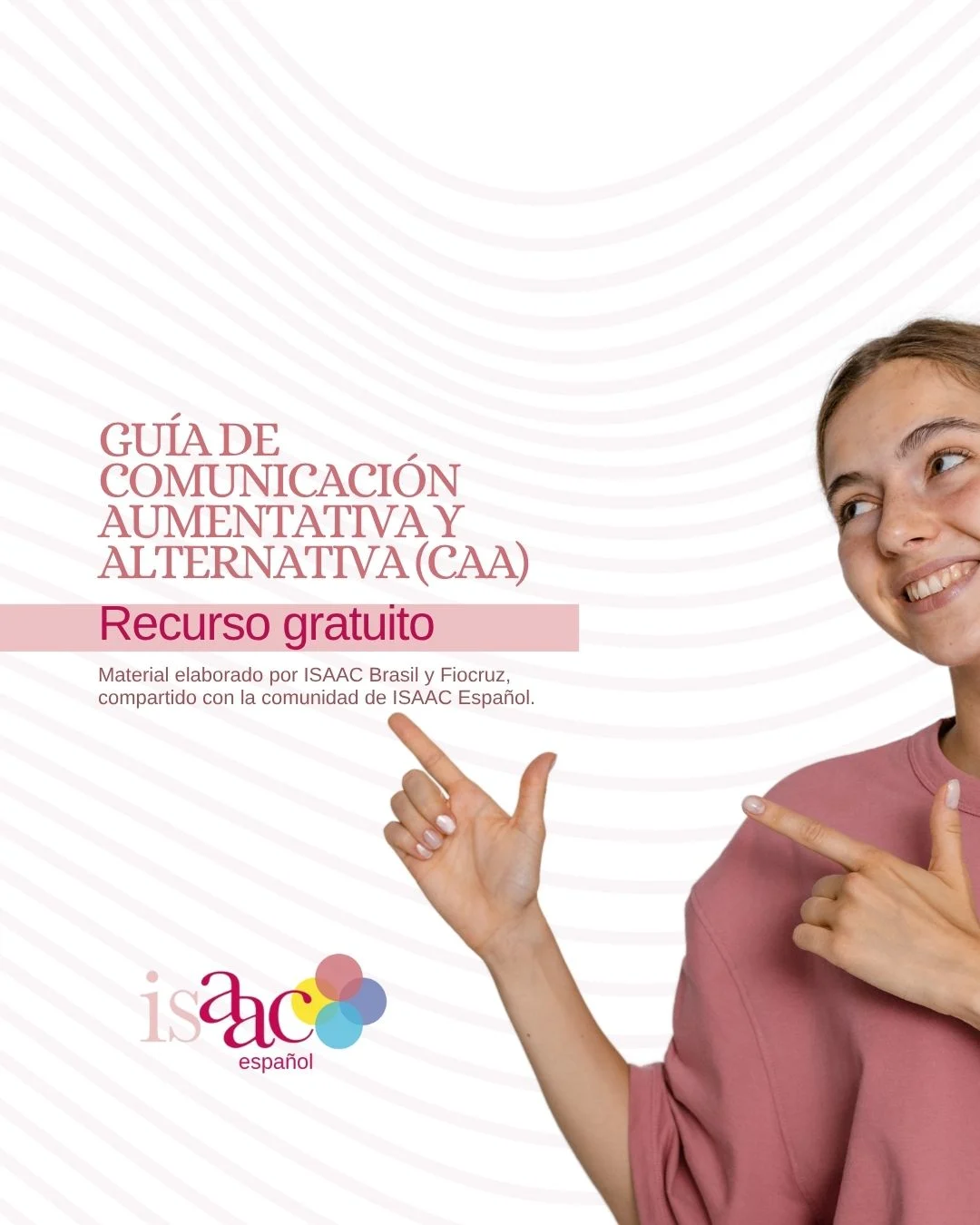
Contextualizing the Need for AAC Resources
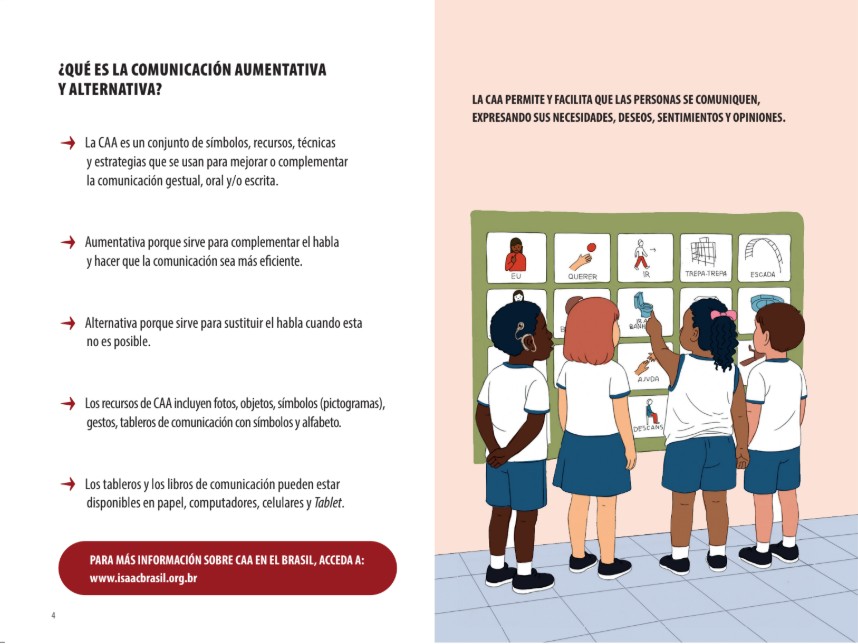
Augmentative and Alternative Communication encompasses a broad range of tools and strategies—from low-tech picture boards to sophisticated, high-tech speech-generating devices—that support individuals who are unable to rely solely on verbal speech. According to the World Health Organization (WHO), millions of people worldwide live with communication disabilities that necessitate assistive technology. Despite the prevalence of these needs, access to standardized, evidence-based, and culturally appropriate information remains fragmented.
In many Latin American and Caribbean countries, the scarcity of specialized training programs for educators and speech-language pathologists, combined with a lack of affordable, locally relevant instructional materials, has historically created a barrier to effective intervention. The collaboration between ISAAC Brazil and Fiocruz, a renowned public health research institution, represents a formal attempt to democratize this information. By providing a clear, jargon-free roadmap to AAC, the organizations aim to move away from the traditional, siloed approach to disability services and toward a community-integrated model.
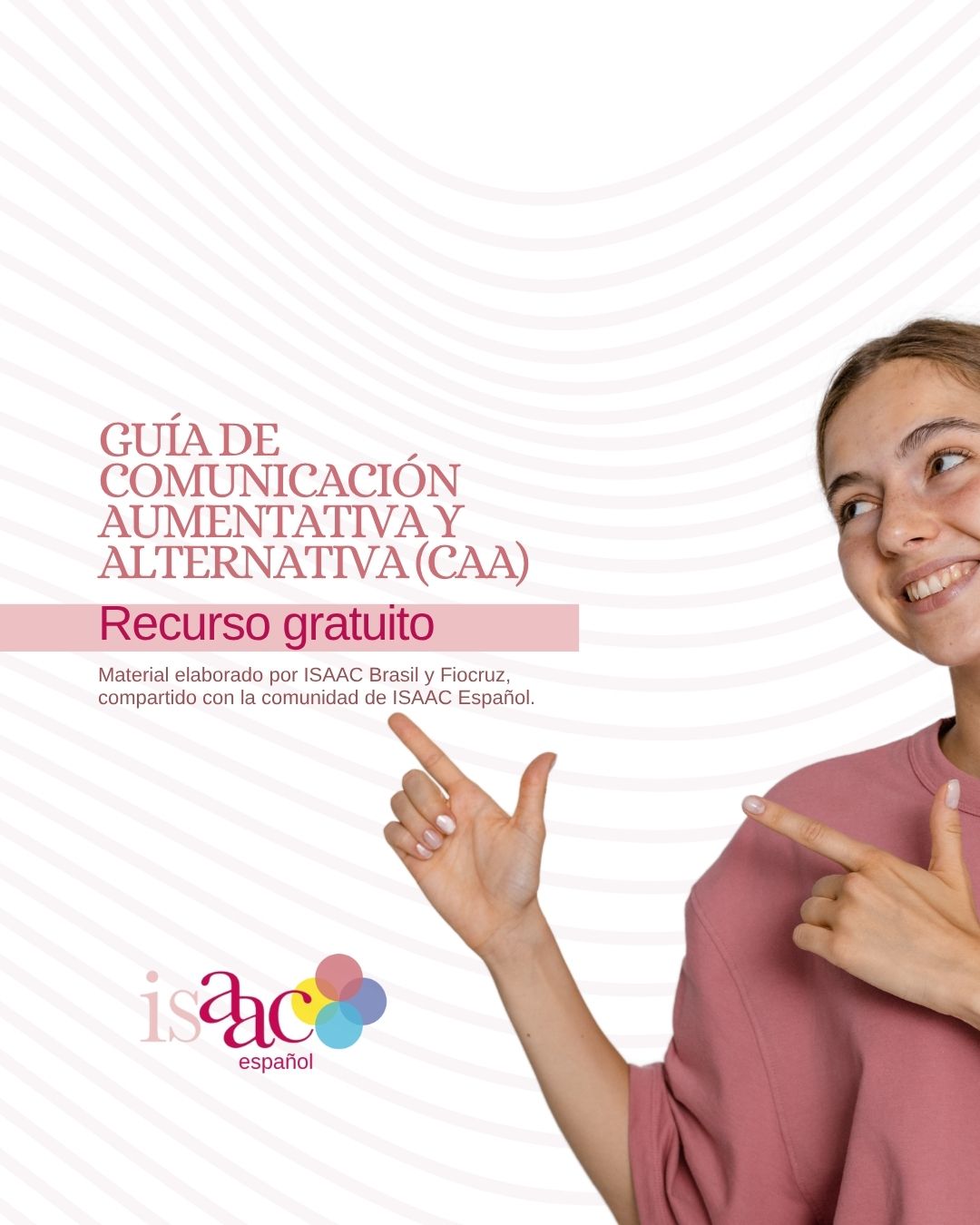
Chronology of Development and Distribution
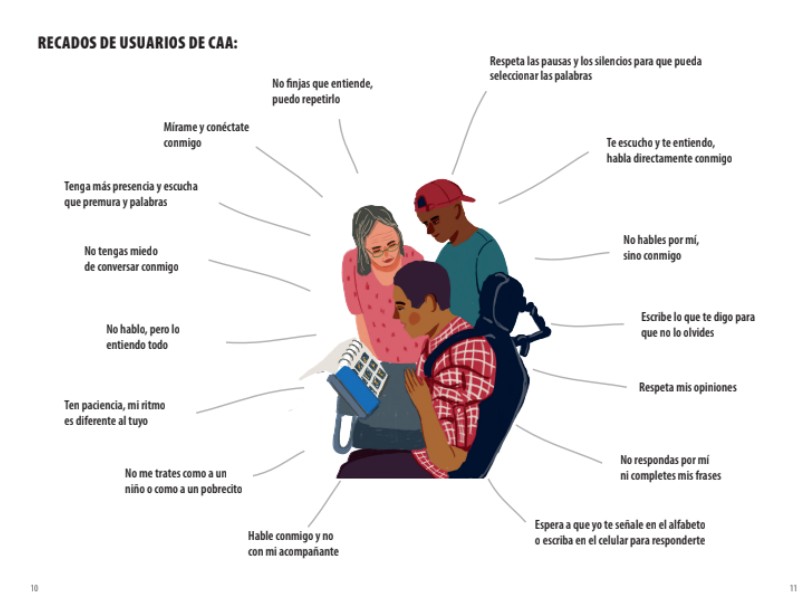
The project began as an initiative to standardize AAC practices in Brazil, where Fiocruz has long been a leader in public health education. The initial phase involved gathering input from clinicians, researchers, and, most crucially, individuals who use AAC as their primary mode of communication. The integration of real-world experiences from these users was prioritized to ensure that the manual was not merely theoretical but grounded in the lived realities of those it serves.
Following the successful implementation of the Portuguese version, stakeholders identified a critical need for similar resources within the Spanish-speaking world. The translation process, which concluded in early 2026, was not merely linguistic but cultural. Translators and subject matter experts worked to ensure that terminology remained consistent with global AAC standards while remaining accessible to families in diverse geographic regions, from Spain to the Southern Cone of South America. The official launch in April 2026 coincides with a broader movement by ISAAC to promote global awareness of communication rights.
Core Components of the Guide
The manual is structured to guide readers through three primary tiers of understanding:
- Foundational Concepts: The guide defines AAC, dispels common myths—such as the misconception that AAC hinders natural speech development—and explains the spectrum of communication strategies.
- Rights and Advocacy: A central pillar of the document is the human rights framework. It emphasizes that communication is a fundamental human right, urging families to advocate for the inclusion of AAC in school Individualized Education Programs (IEPs) and clinical treatment plans.
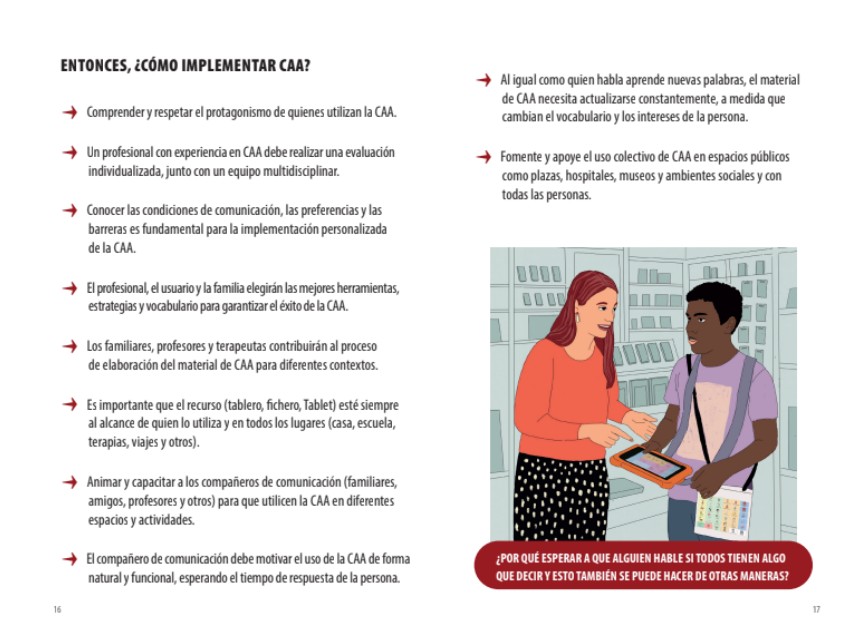
- Implementation Strategies: Practical advice is provided for caregivers on how to model communication, create "communication-rich" environments at home, and select appropriate tools based on the individual’s motor, sensory, and cognitive profiles.
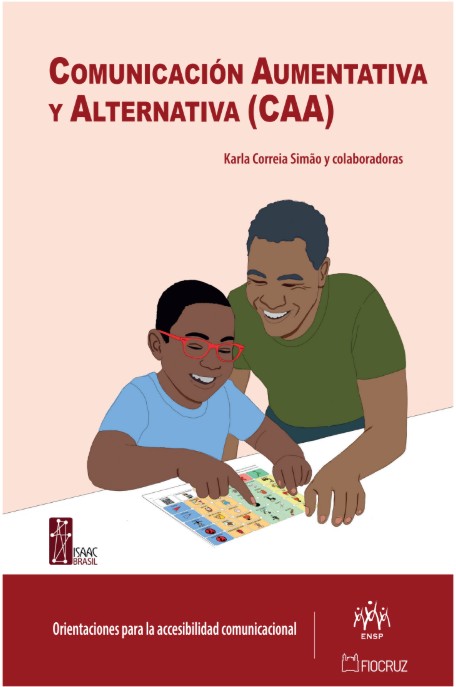
Perhaps the most distinct feature of the publication is its reliance on authentic imagery. The illustrations and case studies featured in the guide represent real users of AAC, ensuring that the manual remains a representative document that validates the experiences of the disabled community rather than portraying them as clinical subjects.

Analysis of Institutional Impact
The partnership between ISAAC and Fiocruz serves as a case study for successful institutional collaboration in the disability sector. Fiocruz, as a governmental research entity, provides the institutional credibility and infrastructure for widespread dissemination, while ISAAC provides the specialized, global expertise required for technical accuracy.
The publication of this guide has immediate implications for the field of speech-language pathology and special education. By providing a unified resource, the organizations are effectively lowering the barrier to entry for novice practitioners. Analysis of similar open-access initiatives suggests that the availability of free, high-quality manuals leads to an increase in the early identification of communication needs and a decrease in the time gap between diagnosis and the introduction of intervention tools. Furthermore, by translating the document, the initiative addresses the "digital divide" often found in accessibility resources, which are predominantly published in English.
Reaction from Stakeholders and Professional Bodies
While the guide is still in the early stages of its distribution, the response from the AAC community has been overwhelmingly positive. Practitioners in Spanish-speaking regions have noted that the guide fills a specific void for materials that are both professional in scope and accessible to non-specialist parents.
"This manual represents a shift from reactive care to proactive empowerment," noted one advocate affiliated with ISAAC Spanish-language outreach. By making the resource available via digital platforms such as Facebook and Instagram, the developers have bypassed traditional, often costly, academic publishing routes. This strategy acknowledges the digital habits of modern families, who often seek information via social media and online support groups before accessing formal clinical channels.
Broader Implications for Global Inclusion
The release of this guide is part of a larger global trend toward the "localization" of assistive technology information. As organizations like the United Nations continue to push for the implementation of the Convention on the Rights of Persons with Disabilities (CRPD), the need for accessible educational materials becomes a matter of policy compliance.
The success of this collaborative model suggests that future efforts in the field of AAC should prioritize similar partnerships. Future iterations or sequels to this guide may include digital, interactive versions or localized adaptations that take into account regional dialects and socio-economic contexts. As it stands, the guide is a significant milestone in the ongoing effort to ensure that no individual is denied the right to communicate due to a lack of resources or information.
For families, educators, and clinicians, the availability of this guide provides a standardized starting point for what is often a complex and overwhelming journey. By codifying best practices into a single, freely available document, the creators have provided a roadmap that promises to improve the quality of life for countless individuals across the globe. The materials are currently available for download through the official social media channels of ISAAC Spanish, with organizers encouraging widespread sharing to ensure the document reaches the communities where it is most needed. This initiative highlights that when research institutions and advocacy groups align their goals, the resulting impact on disability rights is both tangible and sustainable.