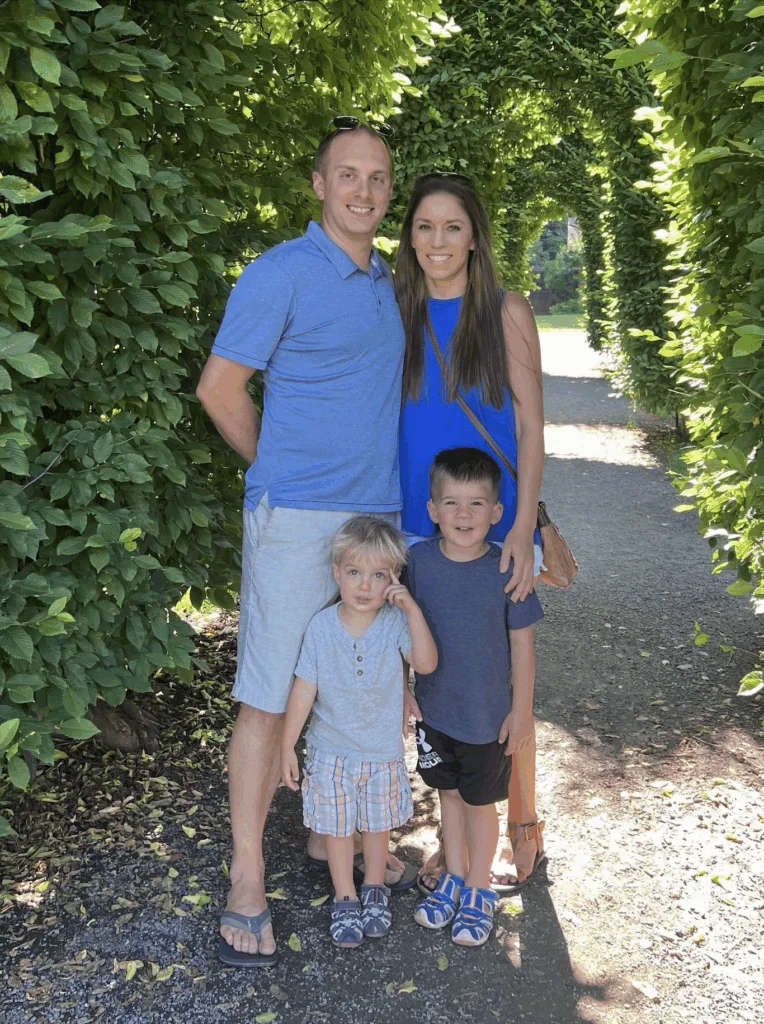
The partnership between the Stirpe family and Listen and Talk has since evolved beyond clinical support. Today, it serves as a case study for the efficacy of early intervention programs and the growing trend of community-driven philanthropy. By leveraging her business, Juniper Beach Candle Co., to fundraise for the organization, Stirpe is highlighting the critical role that specialized non-profits play in bridging the gap between a diagnosis and a child’s ability to thrive in mainstream environments.
A Foundation in Early Intervention
The diagnostic journey for families of children with hearing loss is often complex. Sensorineural hearing loss, which occurs when there is damage to the inner ear or the nerve pathways from the inner ear to the brain, is the most common type of permanent hearing loss. According to the Centers for Disease Control and Prevention (CDC), approximately 1.7 per 1,000 infants are born with permanent hearing loss in the United States. For these children, the window for neuroplasticity—the brain’s ability to reorganize itself by forming new neural connections—is most critical in the first three years of life.

Listen and Talk’s Birth to Three program, led by experts like Kim Hamren, focuses on this precise developmental window. The program provides the foundational support that allows children to bridge the gap between their auditory challenges and their communication potential. For the Stirpe family, the intervention was not merely about technology, such as the consistent use of hearing aids, but about parent education and the strategic development of language skills within a supportive community.
Chronology of Support: From Diagnosis to Advocacy
The trajectory of the Stirpe family’s involvement can be viewed through several distinct phases:
- The Diagnosis (2020): Following a standard newborn screening, Myles was referred by the audiology department at Seattle Children’s Hospital to Listen and Talk. This occurred during the height of the pandemic, a time when many traditional support services were shuttered or transitioned to remote formats.
- The Intervention Phase (2020–2023): During this period, the family engaged with the Birth to Three program. This phase involved rigorous one-on-one therapy sessions, education on hearing technology maintenance, and guidance on fostering language development at home.
- Mainstream Integration (2023–Present): With the tools provided by the program, Myles successfully transitioned into a mainstream preschool setting. His integration is characterized by his ability to communicate confidently with hearing peers, participate in extracurricular activities like gymnastics, and maintain a robust sense of self-identity.
- The Philanthropic Initiative (2025): Recognizing the life-changing impact of the services received, the Stirpe family launched a formal fundraising campaign through Juniper Beach Candle Co. This initiative serves as a model for peer-to-peer fundraising, where the donor’s personal experience drives the mission of the non-profit.
The Role of Corporate Social Responsibility in Non-Profit Sustainability
The decision by Juniper Beach Candle Co. to donate $1 from every purchase to Listen and Talk is part of a broader shift in the corporate landscape toward cause-based marketing. While large-scale corporate donations are standard, the emergence of small, founder-led businesses integrating social impact into their core business model provides a sustainable, recurring revenue stream for non-profits.
This "Give the Gift of Listening and Spoken Language" campaign is significant for several reasons. First, it democratizes the act of giving; customers who purchase a candle are participating in a philanthropic effort without needing to make a large, one-time donation. Second, it provides the non-profit with consistent, predictable funding, which is essential for maintaining the high-touch, labor-intensive services required for early intervention therapy.

From an economic perspective, the long-term implications of such programs are profound. Research consistently indicates that early intervention for children with hearing loss significantly reduces the costs associated with special education services and speech-language therapy in later childhood. By investing in the early years, organizations like Listen and Talk not only improve the quality of life for the individual but also offer a high return on investment for society at large.
Implications for Future Advocacy
The success of Myles and the subsequent advocacy of the Stirpe family underscore a vital point: hearing loss, when managed with early and consistent intervention, does not have to be a limiting factor. The narrative surrounding disability is shifting from one of deficit to one of empowerment and accessibility.
However, this transition relies heavily on the accessibility of specialized programs. As Alyssa Stirpe noted in her reflections on the organization, "Listen and Talk provides more than just services—they create a safe, empowering community." This sense of belonging is often as important as the clinical outcomes. For many families, the isolation of a new diagnosis is a major barrier to effective advocacy. By providing a network of support, organizations ensure that parents are not just recipients of care but active participants in their children’s development.
Analysis of the "No Limits" Philosophy
Listen and Talk operates under the vision that "no child is limited by hearing loss." While this may sound aspirational, it is grounded in evidence-based practice. The integration of deaf and hard-of-hearing children into mainstream environments requires a combination of technology, teacher training, and parent advocacy.

The Stirpe family’s experience illustrates the three pillars of this philosophy:
- Technological Literacy: Mastery of hearing aids and other assistive devices as a natural part of daily life.
- Language-Rich Environments: Utilizing strategies learned in therapy to ensure the child’s vocabulary and social communication skills keep pace with their peers.
- Self-Advocacy: Empowering the child to understand their own hearing needs, which allows them to navigate social and educational challenges independently as they grow.
Looking Ahead: Sustaining the Mission
The ongoing partnership between Juniper Beach Candle Co. and Listen and Talk is a reminder of the ripple effect that individual families can create. As the organization looks to the future, it faces the challenges of rising service demands and the need for continuous professional development for its staff.
For the broader public, the story of the Stirpe family serves as a call to action. Whether through financial support, awareness-raising, or volunteering, the community plays an essential role in ensuring that high-quality intervention remains accessible to all families, regardless of their background.
As Myles continues to thrive in his education and extracurricular activities, his journey serves as a living testament to the effectiveness of the model. The "Gift of Listening and Spoken Language" is not just a slogan for the campaign; it is a tangible outcome that changes the trajectory of a child’s life. In a world where access to care is often determined by geography and socioeconomic status, the work done by Listen and Talk—and supported by dedicated advocates like the Stirpe family—remains an essential component of an inclusive, equitable society. By combining the sensory experience of a candle with the life-altering mission of speech and language support, the campaign bridges the gap between commerce and community, proving that even small contributions can generate significant, lasting change.