A New Paradigm in Hearing Aid Technology
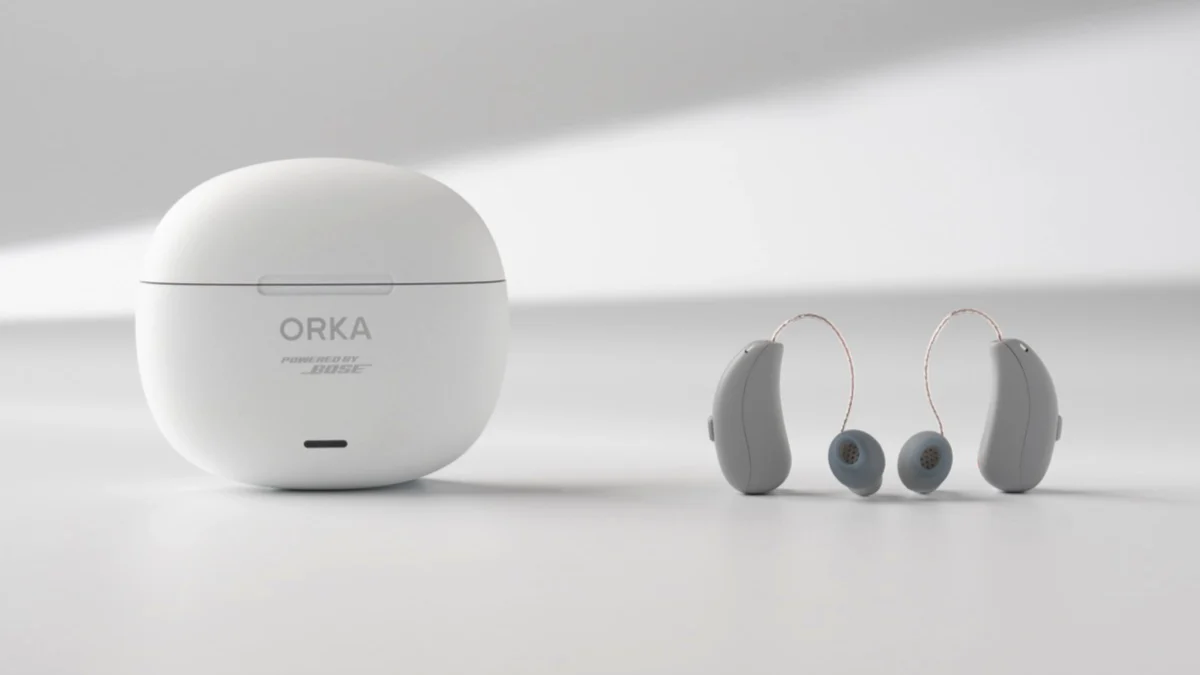
The ORKA O1 Pro represents a significant leap forward from conventional hearing aid designs, which have historically focused on amplification and basic noise reduction algorithms. By embedding Bose’s advanced ANC capabilities into a compact RIC form factor, ORKA aims to address one of the most persistent challenges for hearing aid users: navigating noisy environments. The device’s introduction at AWE 2026, a prominent global platform for consumer electronics and home appliances, underscores its positioning at the intersection of medical technology and mainstream consumer audio innovation.
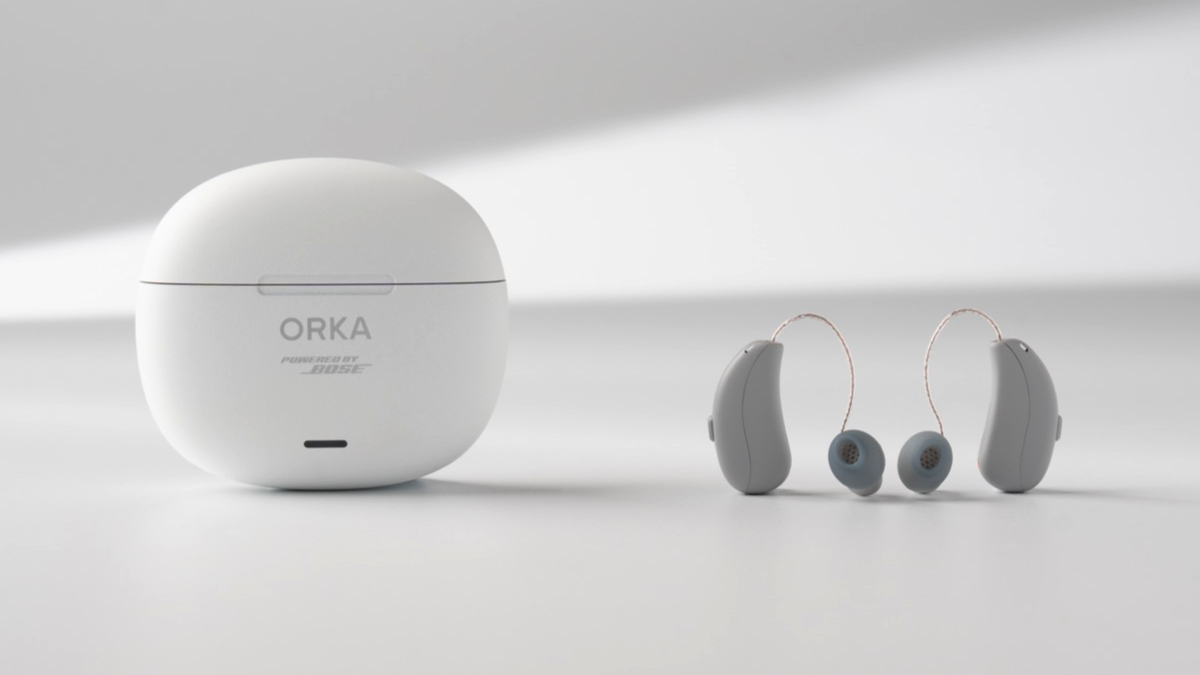
The Receiver-in-Canal (RIC) design is already a popular choice among hearing aid wearers due to its discreet nature and comfortable fit, with the receiver (speaker) placed directly in the ear canal and the main body of the device resting behind the ear. Integrating sophisticated ANC into this form factor presents considerable engineering challenges, particularly concerning power consumption, latency, and the intricate interplay with existing amplification and sound processing systems. ORKA’s success in this endeavor, powered by Bose, suggests a new era where hearing aids offer not just improved hearing, but also an enhanced listening experience akin to high-end consumer headphones.
The Strategic Alliance with Bose: "Powered by QuietControl"
The core of the O1 Pro’s innovation lies in its partnership with Bose. ORKA’s official website confirms that the product was "co-developed with Bose" and is "powered by Bose QuietControl Active Noise Cancellation technology." This phrasing suggests more than a simple licensing agreement, implying a deep collaborative effort in research, development, and integration. Bose, a company synonymous with premium audio and pioneering noise cancellation, brings decades of expertise to the table.
Yaniv Kaufman, Bose Head of Product Partnerships (Hearing), elaborated on the significance of this collaboration in a LinkedIn post published on the day of the launch. He stated that "Orka Powered by Bose" is "powered by our ultra-efficient ANC and proprietary micro driver… That tiny speaker now delivers Bose ANC that lasts all day in a device worn inside your ear. This represents years of work. It takes real conviction to move first." Kaufman further emphasized that the O1 Pro marks "a new category of devices," highlighting the groundbreaking nature of embedding robust, long-lasting ANC into a hearing aid. This statement from a senior Bose executive underscores the strategic importance Bose places on this venture and its potential to redefine market segments. The phrase "ultra-efficient ANC" is particularly noteworthy, addressing a key concern regarding battery life in small, always-on medical devices.
)
Understanding Active Noise Cancellation in the Context of Hearing Aids
Active Noise Cancellation (ANC) operates on a principle of destructive interference. Microphones embedded in the device capture ambient noise, and an internal processor then generates a precisely timed, inverted sound wave. When this inverted wave meets the original noise wave, they effectively cancel each other out, significantly reducing perceived sound. This technology is highly effective at mitigating continuous, low-frequency sounds such such as engine hum, airplane cabin noise, or the general drone of traffic – sounds that can be particularly bothersome and fatiguing for hearing aid users.
Historically, ANC has been a hallmark of high-fidelity consumer audio products like Bose QuietComfort headphones, Apple AirPods Pro, and the Sony WH-1000XM series. These devices primarily aim to create a quiet listening environment for music or calls. Applying this technology to a hearing aid presents a unique set of challenges and opportunities. Unlike consumer headphones, hearing aids must simultaneously amplify desired sounds (like speech) while suppressing unwanted noise, all within the strict parameters of clinical audiology. The integration of ANC must not interfere with the primary function of speech clarity and overall sound fidelity, nor introduce unacceptable latency or artifacts.
A seminal paper published in Trends in Hearing by Andrew Sabin and colleagues at Bose provided theoretical groundwork for how ANC could improve the signal-to-noise ratio (SNR) in hearing aids. Their research suggested that ANC could be particularly beneficial for Receiver-in-Canal (RIC) style hearing aids by reducing low-frequency sound leakage through the direct sound path. This leakage often diminishes the effectiveness of traditional digital noise reduction algorithms, especially in the crucial low-frequency range where background noise is prevalent. By mitigating this leakage, ANC could allow the hearing aid’s processed signal path to exert a greater influence on the sound reaching the eardrum, leading to more significant SNR improvements.
)
However, the real-world efficacy of ANC in hearing aids hinges on several critical factors:
- Low-latency implementation: Any delay in the ANC processing could lead to unnatural sound or even exacerbate noise perception.
- Strong low-frequency cancellation: The technology must be robust enough to effectively cancel dominant low-frequency ambient sounds.
- Synergy with companion SNR-improving algorithms: ANC should work in harmony with existing hearing aid features like directional microphones and adaptive noise reduction, rather than as a standalone solution, to provide a holistic improvement.
While the theoretical benefits are compelling, the Trends in Hearing paper also cautiously noted that "without human outcome data, its real-world impact on speech understanding remains uncertain." This highlights the crucial next step for ORKA and Bose: demonstrating tangible, measurable improvements in user experience and speech intelligibility in diverse, noisy environments. The ability of the O1 Pro to deliver "all day" ANC, as per Kaufman’s statement, further emphasizes the engineering achievement in power management for such a sophisticated feature.
Bose’s Evolving Strategy in the Hearing Health Market: A Chronology
The ORKA O1 Pro launch is not Bose’s first foray into the hearing health sector, but it represents a significant evolution in its strategy. Bose has demonstrated a fluctuating but persistent interest in the market, moving from direct product sales to a more focused technology partnership model.
)
- 2021: Entry with SoundControl: Bose initially made headlines in 2021 with the introduction of the Bose SoundControl hearing aid. This device was notable for being the first FDA-cleared self-fitting over-the-counter (OTC) hearing aid, marking Bose as a pioneer in the then-nascent OTC hearing aid market. The SoundControl aimed to empower users with greater control over their hearing experience through a smartphone app, bypassing traditional audiological channels. This move was seen as a bold step to democratize access to hearing solutions.
- 2022: Exit from Direct Sales: Despite the initial innovation, Bose made a strategic decision in 2022 to exit direct hearing aid sales. This abrupt pivot raised questions about the viability of the OTC market at the time, or perhaps Bose’s internal assessment of its direct-to-consumer model in the hearing health space.
- Re-entry through Lexie Partnership: Bose quickly re-entered the category, not as a direct seller, but as a technology provider. This was evidenced by its partnership with Lexie Hearing, resulting in the launch of the Lexie B1 and B2 Plus Powered by Bose OTC devices. This collaboration allowed Bose’s audio expertise and brand recognition to remain in the market without the complexities of manufacturing, distribution, and customer support inherent in direct sales of medical devices.
The ORKA partnership with the O1 Pro appears to be a further refinement of this technology-licensing and co-development strategy. Instead of focusing solely on OTC self-fitting devices, Bose is now integrating its core ANC technology into a more advanced, potentially professionally fitted (though details are pending) RIC hearing aid. This indicates a broader ambition to infuse high-end consumer audio features into clinical hearing solutions, bridging the gap between sound enhancement for hearing loss and immersive noise control.
AWE 2026: The Global Launchpad
The Appliance & Electronics World Expo (AWE) in Shanghai, running from March 12-15, is one of the largest and most influential consumer electronics and home appliance trade shows globally, particularly within the Asian market. Choosing AWE for the O1 Pro’s unveiling is a strategic decision by ORKA and Bose. It positions the O1 Pro not merely as a medical device, but as a sophisticated piece of personal technology that appeals to a broader audience interested in innovation, connectivity, and enhanced daily living.
AWE provides a massive platform for companies to showcase cutting-edge products, foster international business relationships, and gauge consumer interest. By launching at such a prominent consumer tech event, ORKA and Bose are sending a clear message: the O1 Pro is designed to blend seamlessly into the modern digital lifestyle, offering features typically associated with premium consumer gadgets alongside its core function as a hearing aid. The visibility gained at AWE can significantly accelerate market adoption and generate global buzz.
)
Market Implications and Future Outlook
The ORKA O1 Pro’s introduction has profound implications for the hearing aid market. It challenges existing paradigms and could catalyze several key trends:
- Convergence of Hearables and Hearing Aids: The O1 Pro further blurs the lines between "hearables" (consumer audio devices with advanced features like fitness tracking or real-time translation) and traditional hearing aids. As consumers become accustomed to advanced features in their earbuds, they will increasingly expect similar capabilities in devices designed for hearing correction.
- Increased Focus on User Experience: By addressing noise fatigue directly with ANC, ORKA and Bose are prioritizing a critical aspect of user satisfaction that goes beyond mere sound amplification. This could pressure other manufacturers to innovate similarly, leading to a more user-centric approach across the industry.
- Technological Race: Competitors will likely accelerate their own research and development into integrating advanced noise cancellation and other consumer audio features into their product lines. This could spark a new wave of innovation and differentiation in a market traditionally characterized by incremental improvements.
- Targeting New Demographics: The appeal of a sleek, technologically advanced device with Bose branding could attract younger individuals or those with milder hearing loss who might be hesitant to wear traditional hearing aids. It normalizes hearing assistance by integrating it with desirable consumer tech.
- Pricing and Accessibility: While details on pricing and distribution channels for the O1 Pro are yet to be fully disclosed, its advanced technology and brand association with Bose suggest it may occupy a premium segment. However, the long-term trend of technology integration could eventually lead to more affordable advanced solutions.
- Regulatory Considerations: As devices like the O1 Pro increasingly combine medical functions with consumer electronics features, regulatory bodies globally may face new challenges in classification, testing, and approval processes. Clarity on how such hybrid devices are regulated will be crucial for widespread market penetration.
Unanswered Questions and the Path Forward
Despite the excitement surrounding the O1 Pro, several important questions remain unanswered. The precise financial and operational structure of the ORKA-Bose partnership is not yet clear. Is it a licensing agreement, a joint venture, or something else entirely? Understanding this will shed light on the long-term commitment and strategic direction of both companies.
)
Furthermore, as the Trends in Hearing paper highlighted, the ultimate success of ANC in RIC hearing aids will be determined by rigorous, real-world human outcome data. Clinical trials and user studies are essential to validate the O1 Pro’s claims of improved speech understanding and reduced listening effort in complex soundscapes. HearingTracker, a leading independent resource for hearing aid information, has indicated it will provide more detailed information about the product as it becomes available, including insights into these crucial aspects.
In conclusion, the ORKA O1 Pro Powered by Bose represents a pivotal moment for the hearing aid industry. It embodies a bold vision for the future, where advanced audio engineering and medical device innovation converge to offer users not just hearing correction, but a truly superior listening experience. As the AWE 2026 continues, the industry watches closely to see how this "new category of devices" will reshape expectations and improve the lives of millions worldwide.