The Challenge of Traditional Assessment Metrics
The standard approach to evaluating language development in infants and toddlers has historically been restricted by logistical hurdles. Traditional assessments—such as the Preschool Language Scale (PLS) or the MacArthur-Bates Communicative Development Inventories (CDI)—often require administration by a highly trained professional in a formal, clinical setting. This creates a significant barrier to entry, particularly for families who may live in rural areas, face transportation challenges, or struggle to balance the demands of work and intensive therapy schedules.
Furthermore, traditional tests are often limited in their frequency of administration. Because they are designed as "snapshot" assessments, they cannot be used to track progress on a month-to-month basis without risking practice effects—where a child learns the test rather than showing true developmental growth. For families and providers, this created a "black box" period between formal evaluations where subtle but critical shifts in a child’s language trajectory could go unnoticed. As noted in research by Moeller et al. (2013), best practices in family-centered early intervention require strengths-based, authentic measures that capture real-life skills. The current study by Listen and Talk underscores that the LENA Developmental Snapshot successfully bridges this gap.
A Chronology of Research and Implementation
The implementation of the LENA (Language Environment Analysis) tool at Listen and Talk began in 2018. Recognizing the need for a more dynamic and family-led evaluation process, the organization integrated the electronic parent questionnaire into their birth-to-three program. Over the subsequent six years, the program accumulated data from more than 230 families, creating a rich longitudinal dataset that has now become the basis for this validation study.
By 2022, researchers at the facility had gathered sufficient data to conduct a rigorous analysis of the tool’s efficacy for the DHH population. The research team specifically isolated a subset of 115 children with bilateral hearing loss whose primary language was English, aged between 6 and 35 months. This focus ensured that the study maintained statistical integrity, as the LENA tool is currently most extensively validated for English-speaking populations. The resulting findings, recently submitted for publication in the Journal of Early Intervention, provide the first empirical evidence supporting the use of this digital tool for DHH-specific clinical applications.
Data Analysis and Clinical Validity
The findings of the study were notably consistent with existing benchmarks in the field of audiology and speech-language development. The mean standard score for the children in the study was 87.98. In standardized testing, the "typical" range is defined as falling between 85 and 115. This suggests that, on average, the children in the Listen and Talk program are performing within expected developmental parameters, despite their hearing challenges.
However, the raw data revealed a wide distribution, with individual scores spanning from 64 to 128. This variability is a hallmark of pediatric hearing loss, where outcomes are influenced by a multitude of factors, including age of identification, consistency of device use (such as cochlear implants or hearing aids), and the quality of the home language environment. By demonstrating that the LDS captures this spectrum accurately, the study provides clinicians with the confidence that the tool is sensitive enough to differentiate between varying levels of language proficiency.
To further validate these findings, the research team conducted a comparative analysis. They cross-referenced the LDS scores against the results of the CDI (for 48 children) and the PLS (for 35 children). The results showed a high correlation between the LENA snapshot and these gold-standard assessments. This alignment serves as a "stamp of approval" for the LDS, indicating that its digital, low-burden format does not sacrifice accuracy for convenience.
Empowering Families as Primary Stakeholders
A central pillar of the study’s philosophy is the recognition that families are the true experts on their child’s development. As emphasized by Szarkowski et al. (2024), the assessment process should not be something that happens to a child, but rather something that happens with the family.
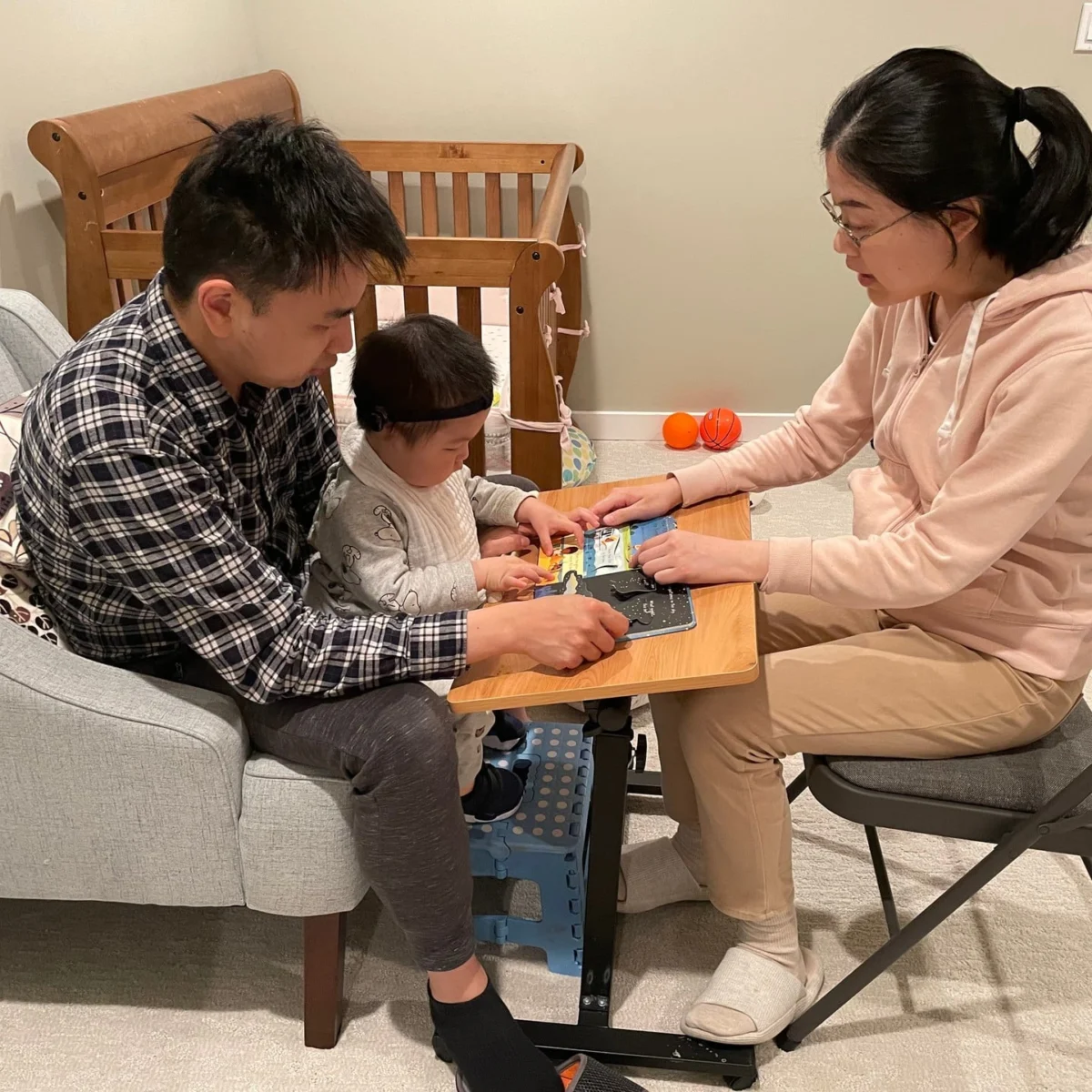
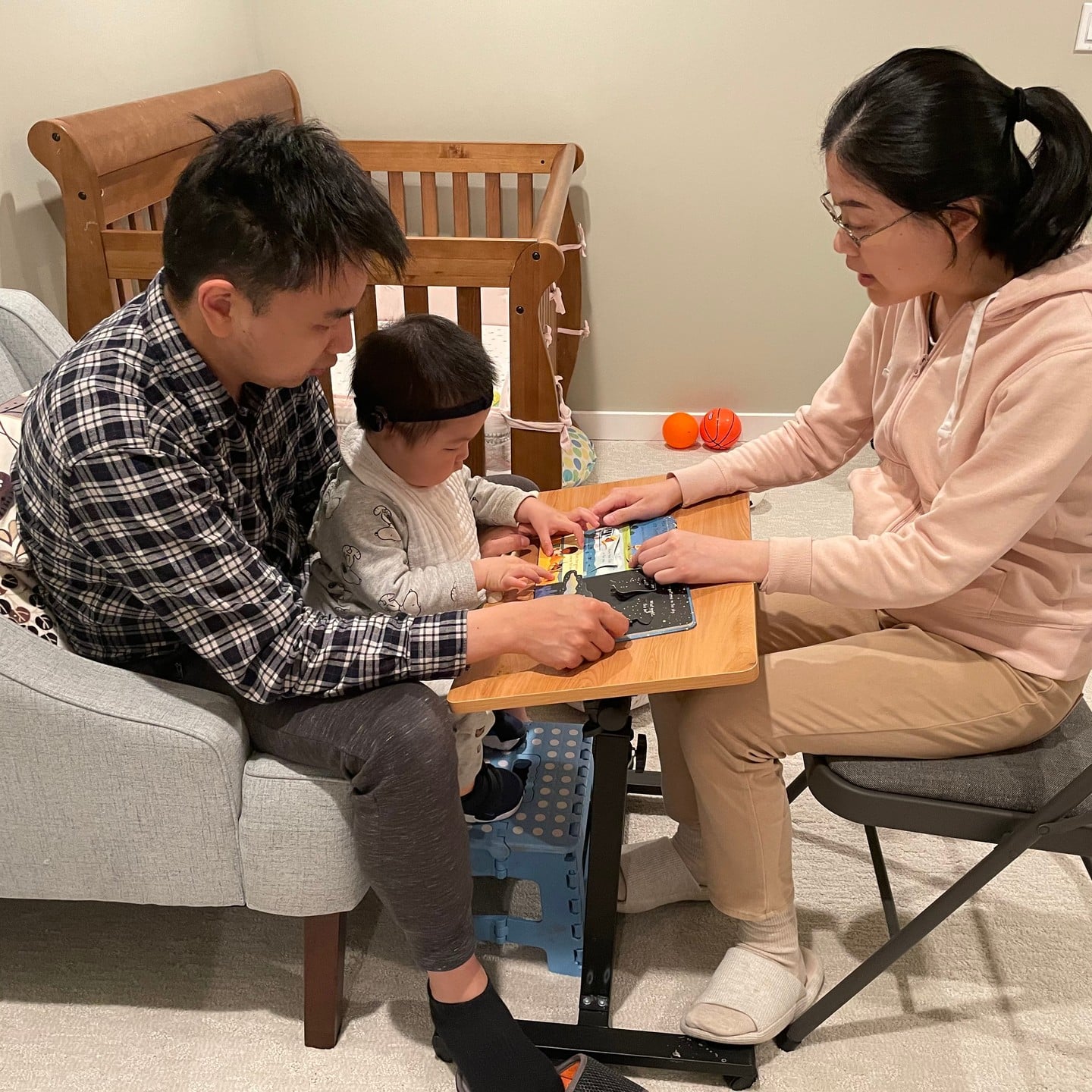
The LENA Developmental Snapshot facilitates this shift by placing the assessment tool directly into the hands of parents. Because it is an electronic questionnaire that can be administered in the home, it captures the child’s language skills in their natural environment. This "ecological validity" is significant; a child who is nervous or distracted in a clinic may show different communication patterns than they would in their own living room. Furthermore, the tool’s ability to be completed as frequently as once a month provides families with a sense of agency. Parents are no longer passive recipients of information provided by specialists; they are active participants in tracking the growth of their child, which can lead to increased engagement and improved long-term outcomes.
Broader Implications for Early Intervention
The implications of these findings extend far beyond the walls of the Listen and Talk facility. For the broader early intervention community, the validation of a flexible, remote-capable, and parent-friendly assessment tool offers a solution to the "frequency problem."
- Early Identification of Regression or Stagnation: Because the LDS can be administered monthly, it acts as an early-warning system. If a child’s language growth slows or plateaus, providers can intervene immediately. This is vital for identifying changes in hearing thresholds or detecting the presence of additional, previously unidentified disabilities.
- Tele-intervention Support: In the post-pandemic era, tele-health has become a standard of care. The LDS is perfectly suited for this model, allowing therapists to monitor progress without requiring the child to be physically present in a clinic, thereby increasing access for families in underserved or remote areas.
- Closing the Language Gap: The critical window from birth to age three is characterized by explosive neurological growth. By ensuring that children who are DHH receive interventions that keep their language skills age-appropriate, the use of the LDS helps mitigate the risk of long-term educational and social delays.
A New Standard in Monitoring
The Listen and Talk research represents a pivot toward more personalized, data-driven, and family-integrated pediatric care. By validating the LENA Developmental Snapshot, the organization has provided the DHH community with a tool that respects the complexity of the child’s development while acknowledging the practical realities of the modern family.
As the study moves toward formal publication, the focus will likely shift to how this tool can be implemented on a wider scale. If the medical and educational communities adopt this approach, it could standardize the way we monitor language acquisition for children with hearing differences globally. The ability to monitor, analyze, and adapt therapy in near real-time is the next evolution in early intervention—a shift that promises to improve the lives of thousands of children by ensuring they are heard, understood, and supported throughout their most formative years.
In conclusion, the work conducted by Dr. Mona Oster and her team at Listen and Talk provides a roadmap for the future. By combining the rigor of traditional speech-language assessment with the accessibility of modern digital technology, they have reaffirmed the importance of evidence-based practices that place the family at the center of the therapeutic process. The LENA Developmental Snapshot is more than just a questionnaire; it is an instrument of empowerment, ensuring that every child has the best possible chance to find their voice.