A Medical Turning Point: The 1995 Milestone
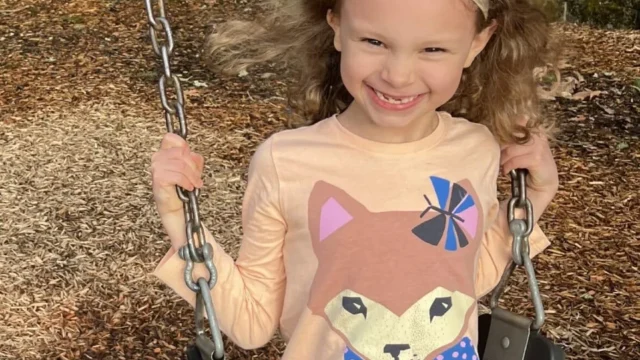
In 1994, at the age of 22 months, Buckingham contracted pneumococcal meningitis. This severe bacterial infection caused profound, irreversible bilateral hearing loss. At that time, the medical landscape for children with such significant hearing impairment was shifting rapidly. The introduction of the cochlear implant—a device that bypasses damaged hair cells in the cochlea to stimulate the auditory nerve directly—was still in its clinical infancy.
In 1995, Buckingham underwent the surgical procedure at Seattle Children’s Hospital, marking a historic moment for both the institution and the patient. This was followed by a secondary implant in later years, which provided bilateral input, a crucial factor in sound localization and speech comprehension in noisy environments. The success of these procedures was not merely biological; it was highly dependent on the "habilitation" that followed—the process of learning to interpret the new electrical signals as sound.
The Role of Listen and Talk in Early Development
Following her surgery, Buckingham’s family sought specialized resources to maximize her auditory development. In 1996, they connected with Listen and Talk, an organization then in its early stages of operations. Under the guidance of founder Star Leonard-Fleckman, Buckingham became one of the program’s inaugural pre-K students.
The Listen and Talk curriculum focused on LSL, a methodology that emphasizes the use of hearing technology to develop speech and language skills. Unlike programs that might rely heavily on sign language as a primary mode of communication, LSL environments are designed to integrate the child into a hearing world by building the neural pathways necessary for listening. For Buckingham, this meant rigorous, consistent practice in auditory discrimination and expressive language development. This foundation proved instrumental, as it bridged the gap between the clinical success of her implant surgery and the practical application of hearing in social and academic settings.

Academic Achievement and Professional Transition
Buckingham’s educational path serves as a metric for the long-term success of early intervention. After transitioning from the specialized environment of Listen and Talk, she integrated into mainstream educational settings, eventually graduating from Charles Wright Academy. Her academic momentum continued at the collegiate level; in 2014, she earned a Bachelor’s degree in Family Business with a minor in Management from Stetson University.
This academic background provided the framework for her current professional life in Middleton, Idaho. As an assistant horse trainer and riding instructor, Buckingham operates in an environment that requires high-level communication, situational awareness, and the ability to process complex auditory cues—skills that were meticulously fostered during her formative years. Her career trajectory demonstrates that individuals with profound hearing loss, when provided with early access to technology and support, can excel in vocations that demand both technical expertise and effective interpersonal interaction.
The Broader Impact: Data and Clinical Implications
The success of Buckingham’s journey is supported by broader clinical data regarding the "critical period" of neuroplasticity. Research consistently indicates that children who receive cochlear implants before the age of two, and who are subsequently enrolled in intensive auditory rehabilitation programs, exhibit language development outcomes nearly identical to those of their hearing peers.
According to the Alexander Graham Bell Association for the Deaf and Hard of Hearing, the integration of LSL services significantly reduces the "language gap" that often persists into primary school for children with hearing loss. By providing a structured environment where the brain is consistently stimulated by auditory input, programs like Listen and Talk essentially "wire" the brain for sound, allowing for the natural acquisition of spoken language.
The implications for public health are substantial. Every child who successfully integrates into mainstream society through early intervention represents a shift away from specialized, segregated support systems and toward inclusive participation. This reduces long-term public expenditure on disability services and increases the economic output of the individuals involved.
Institutional Reflections and the Alumni Giving Initiative
The leadership at Listen and Talk views Buckingham’s success as a validation of their core mission: to ensure that no child is limited by hearing loss. Maura Berndsen, the current Executive Director, has highlighted that stories like Buckingham’s serve as a roadmap for current families navigating the often-overwhelming initial diagnosis.
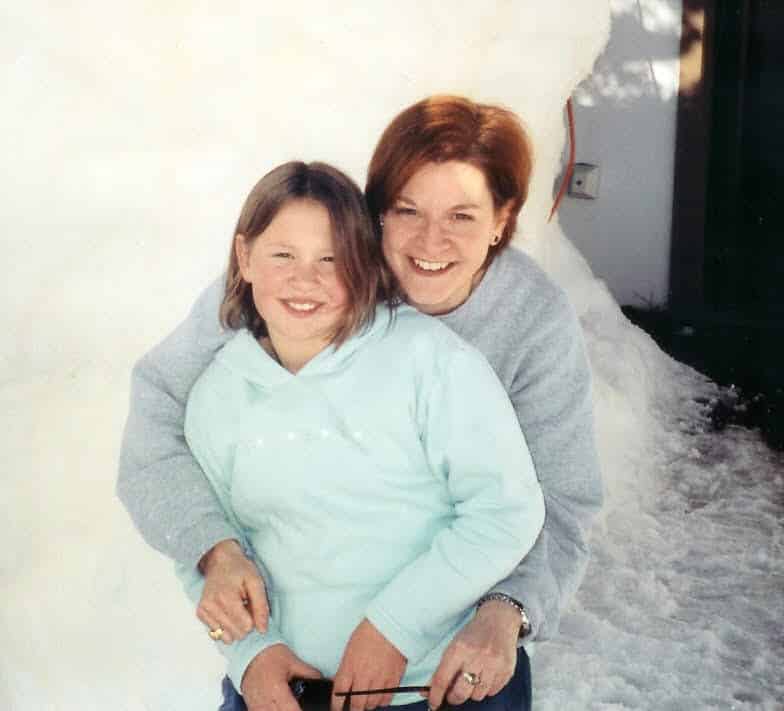
"Jordan’s life is a testament to the fact that hearing loss is not a barrier to achieving one’s dreams," says an organizational representative. "She exemplifies the perseverance required to navigate a world that is not always designed for those with auditory differences, yet she does so with a level of communication and confidence that is deeply inspiring to the next generation."
To sustain these efforts, the organization has launched the 2025 Alumni Family Giving Campaign. This initiative is designed to mobilize former students and their families to reinvest in the resources that facilitated their own growth. The funds raised are earmarked for essential pillars of the program, including:
- Early Intervention Services: Providing developmental assessments and personalized therapy plans for infants and toddlers.
- Audiological Support: Ensuring families have access to the latest testing and equipment maintenance.
- Parent Education: Offering a support network and training modules that empower parents to act as their child’s primary auditory teacher.
- Scholarship Funds: Reducing the financial burden on families seeking high-quality LSL services.
Conclusion: A Legacy of Communication
Jordan Buckingham’s journey is not merely an anecdotal success story; it is a longitudinal verification of a medical and pedagogical philosophy. From her initial diagnosis in 1994 to her professional career in 2025, her life provides a clear narrative: early intervention is the primary determinant of long-term social and professional success for children with hearing loss.
As she moves forward in her career, Buckingham continues to serve as an advocate, urging families to prioritize patience, consistency, and the cultivation of a robust support network. Her story remains a cornerstone of the Listen and Talk legacy, reinforcing the vision that through the combination of advanced technology, early habilitation, and individual determination, the limitations once associated with profound hearing loss can be effectively overcome. Her life stands as a reminder that the ability to hear is only the beginning—the ability to communicate and engage with the world is the true measure of a life without limits.