Defining the Condition: Clinical Context and Prevalence
Microtia occurs in approximately one in every 5,000 to 7,000 births, though rates can vary based on geographic and ethnic factors. The condition is categorized into four grades: Grade I, where the ear is smaller than average but retains some structure, through Grade IV (anotia), where the external ear is entirely absent. When this structural difference is paired with atresia, the sound conduction pathway is obstructed, preventing sound waves from reaching the inner ear.
When this occurs on one side, it results in unilateral hearing loss. Historically, the medical and educational communities often minimized the impact of single-sided deafness, assuming that the presence of one "normal" ear was sufficient for academic and social development. However, contemporary research in audiology and cognitive development has dismantled this misconception. Studies consistently show that children with UHL face significant hurdles, including difficulty with sound localization—the ability to identify where a sound is coming from—and "listening fatigue," where the brain must exert excessive effort to filter out background noise in settings like classrooms, playgrounds, and social gatherings.
The Developmental Timeline: From Diagnosis to Advocacy
For families navigating a diagnosis of microtia and atresia, the path is often characterized by a steep learning curve. The journey for Adeline, a young student who serves as a representative case study for these interventions, began at five weeks of age. Her parents were informed of a moderate-to-severe conductive hearing loss in her right ear. By age four, imaging confirmed that her atresia involved solid bone formation, meaning the middle ear structures were fused to her skull.
The developmental timeline for children like Adeline is critical. Early intervention is not merely a preference; it is a necessity for neurological maturation. During the first three years of life, the brain’s neuroplasticity is at its peak, making it the optimal window for auditory stimulation. Organizations like Listen and Talk utilize Listening and Spoken Language (LSL) education to capitalize on this window, teaching children how to maximize their residual hearing through both natural auditory input and, when necessary, assistive technologies such as bone-conduction devices.
The Mechanism of Listening and Spoken Language (LSL)
LSL education is an approach that prioritizes the development of spoken language through the auditory pathway. Rather than relying on visual cues or alternative sign systems, LSL focuses on coaching parents and educators to create an environment where the child is constantly engaged in meaningful, auditory-rich interactions.
The primary goals of LSL for children with UHL are threefold:
- Auditory Optimization: Teaching the child to utilize their "good" ear while managing the auditory "blind spot" created by the atretic side.
- Environmental Adaptation: Providing strategies to manage classroom acoustics, such as positioning the child so their hearing ear faces the teacher, and using sound-field systems to reduce the signal-to-noise ratio issues.
- Self-Advocacy: Empowering the child to identify their own communication needs, such as requesting a quieter space or explaining their hearing device to peers.
Implications of Unilateral Hearing Loss in Education
The impact of UHL in the classroom is a documented concern among pediatric audiologists. In a typical classroom environment, ambient noise—such as humming projectors, shuffling chairs, and multiple conversations—can mask speech. For a child with unilateral hearing, this background noise becomes a significant barrier to learning. Without intervention, these children are at a statistically higher risk for academic delays, particularly in literacy and vocabulary acquisition.
Analysis of long-term outcomes suggests that when children receive early LSL support, the achievement gap between them and their hearing peers narrows significantly. The focus shifts from "fixing" the hearing loss to "managing" the auditory environment, providing the child with the tools to navigate social and academic spaces with autonomy.
Case Study: The Trajectory of Empowerment
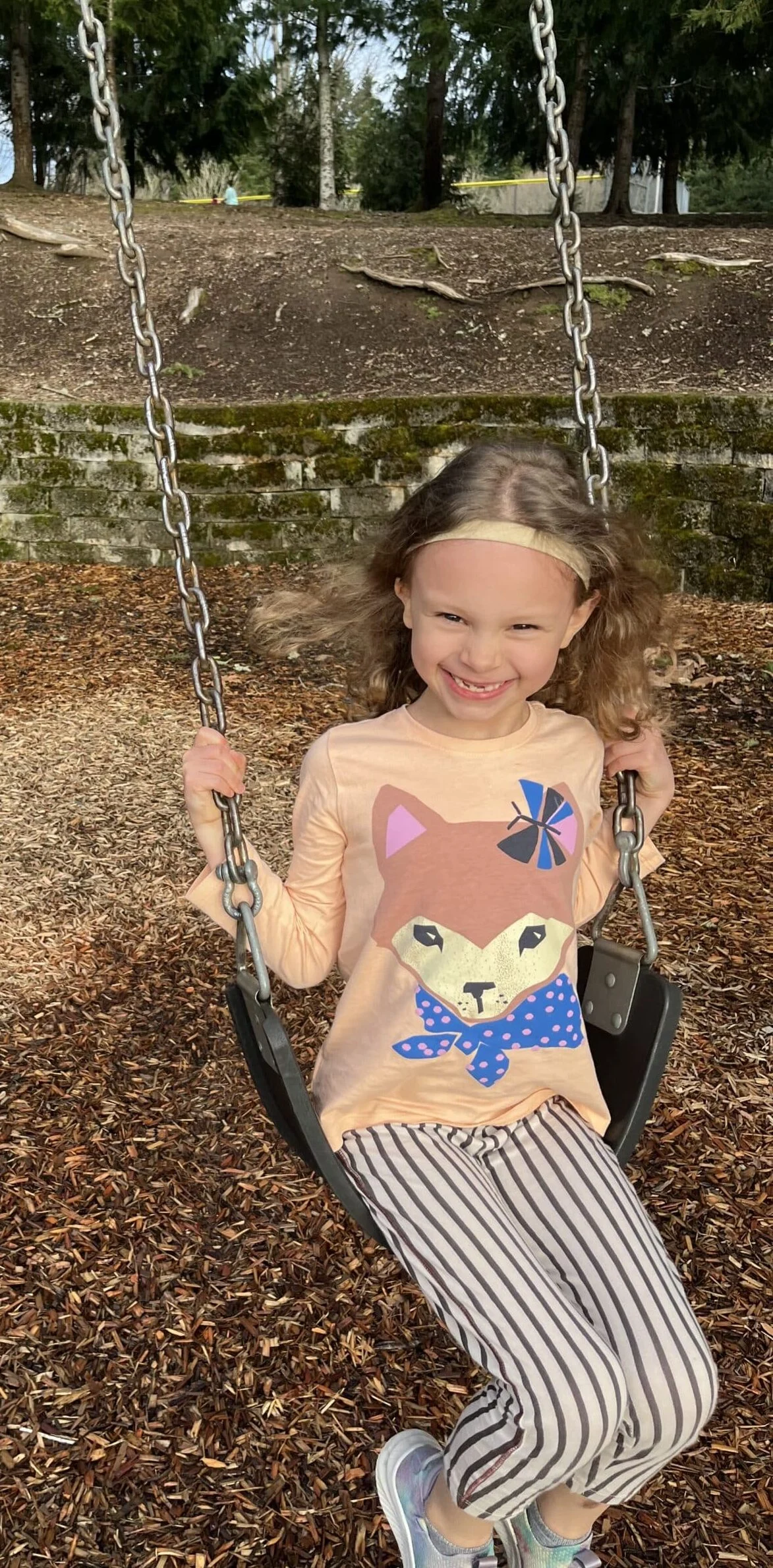
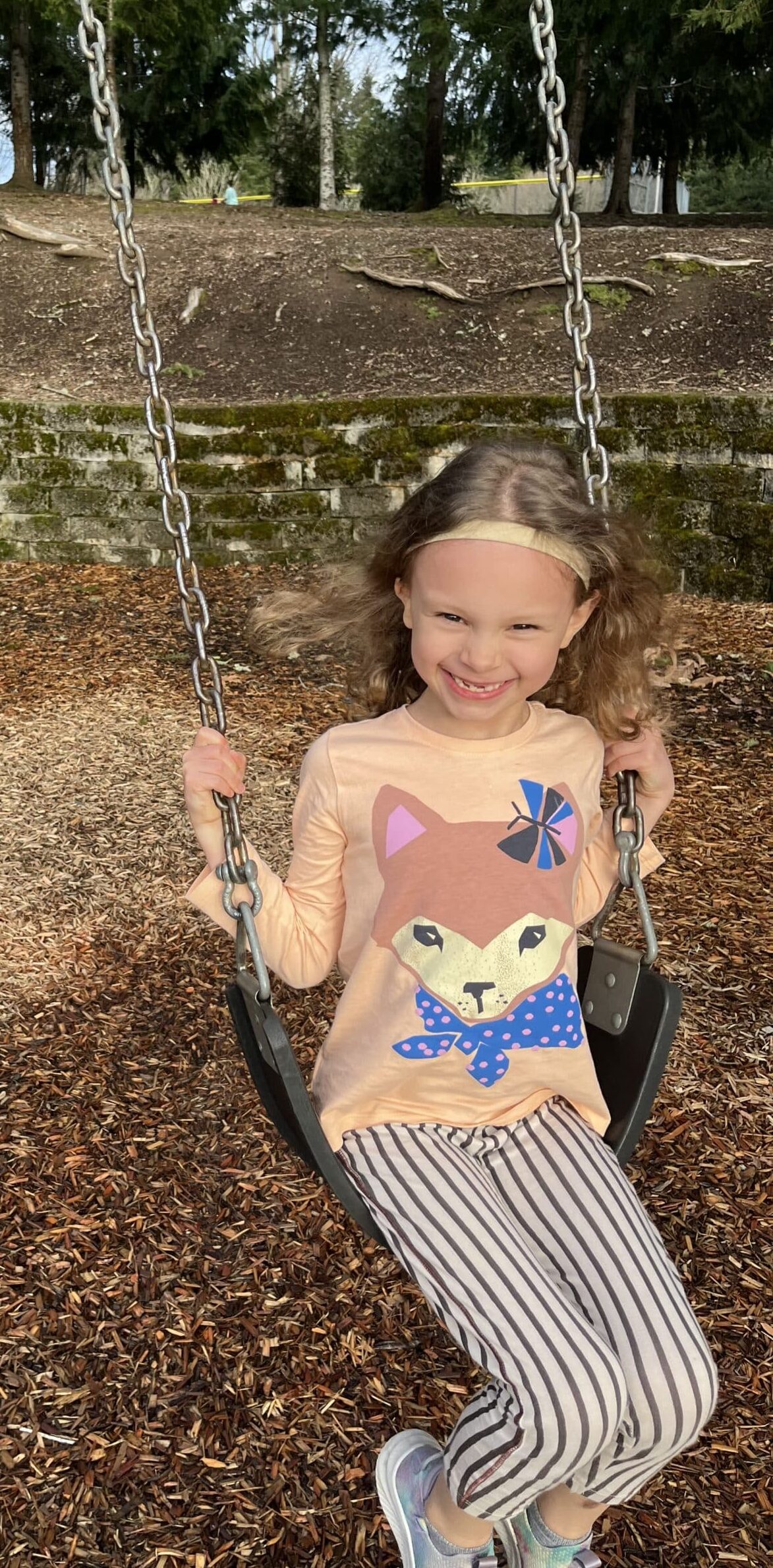
Adeline’s progression from a frustrated toddler to a confident first grader illustrates the efficacy of structured intervention. In her early years, she faced significant barriers to communication, particularly outside of familiar, quiet environments. Her mother, Jessie, notes that the frustration of "listening fatigue"—the exhaustion associated with constant, high-effort auditory processing—was a daily hurdle.
The transition occurred through a partnership with specialized educators who coached the family in advocacy. As Adeline aged, she moved from being a passive participant in her care to becoming her own advocate. Today, she navigates a public school setting, participates in choir, and discusses her bone-conduction device with peers without hesitation. This shift in confidence is a direct result of the "foundation-building" phase of LSL therapy, which prioritized social-emotional growth alongside auditory skills.
Supporting the Infrastructure of Care
The broader impact of organizations like Listen and Talk extends beyond individual therapy sessions. By providing comprehensive resources—including audiology testing, outreach, and parental education—these entities act as a bridge between the clinical diagnosis and the child’s daily life.
However, the sustainability of these programs depends on ongoing advocacy and funding. The "social impact enterprise" model, which combines charitable donations with high-quality service delivery, is increasingly vital in a landscape where insurance coverage for hearing-related therapies remains inconsistent.
Addressing the Broader Societal Challenge
National Microtia Atresia Awareness Day serves as more than just an educational milestone; it is a call to action for policy makers and school districts to recognize the unique needs of students with unilateral hearing loss. The following table summarizes the necessary steps for families and stakeholders seeking to improve outcomes:
| Resource Type | Strategic Importance |
|---|---|
| Comprehensive Guides | Provides parents with the medical terminology and developmental milestones required to navigate clinical appointments. |
| LSL Specialists | Offers professional coaching to ensure that home and school environments are acoustically optimized. |
| Local Support Networks | Connects families to peer groups, reducing the isolation often felt by parents during the initial diagnosis. |
Conclusion: A Vision of Limitless Potential
The evolution of care for children with microtia and atresia represents a shift toward a more inclusive and technologically advanced educational landscape. The objective, as stated by proponents of LSL, is that "no child is limited by hearing loss." This vision is not merely about the mechanics of sound but about the fundamental human right to communicate, learn, and engage with the world on equal footing.
As awareness of these conditions grows, so too does the expectation for societal accommodation. Whether through classroom sound-field systems, increased public understanding, or continued support for specialized early intervention programs, the goal remains the same: ensuring that children like Adeline are defined by their curiosity, their resilience, and their ability to thrive, rather than by the structure of their ears. By prioritizing early diagnosis and consistent, evidence-based intervention, the medical and educational communities can continue to dismantle the barriers that have historically held these children back, ensuring that their potential is truly limitless.