The Critical Need for Early Parkinson’s Detection
Parkinson’s disease is a progressive neurological disorder characterized by the loss of dopamine-producing neurons in the brain. According to the World Health Organization (WHO), the prevalence of PD has doubled in the last 25 years, with global estimates suggesting that over 10 million people are currently living with the condition. The primary challenge for clinicians is that by the time classic motor symptoms—such as tremors, rigidity, and bradykinesia (slowness of movement)—become apparent, a significant portion of the brain’s dopaminergic neurons has already been lost.
Current diagnostic protocols rely heavily on clinical rating scales, such as the Unified Parkinson’s Disease Rating Scale (UPDRS), and expensive imaging techniques like Dopamine Transporter (DaTscan) SPECT imaging. These methods are often subjective, accessible only in specialized urban medical centers, and cost-prohibitive for large-scale population screening. Consequently, many patients are diagnosed only in the mid-to-late stages of the disease, missing the critical window where neuroprotective therapies and lifestyle interventions are most effective.
The Biological Basis: The "Smell" of Parkinson’s
The concept of "smelling" Parkinson’s disease is not entirely new to the scientific community. The field gained significant momentum following the case of Joy Milne, a "super-smeller" from Scotland who claimed she could detect a distinct "musky" odor on her husband years before he was clinically diagnosed with PD. Subsequent research confirmed that PD patients indeed emit a unique scent profile, largely attributed to changes in sebum—the oily, waxy substance produced by the body’s sebaceous glands.
Sebum serves as a carrier for volatile organic compounds (VOCs), which are metabolic byproducts. In individuals with Parkinson’s, the metabolic pathways are altered by neurodegeneration, systemic inflammation, and oxidative stress. These physiological changes manifest as a distinct chemical "fingerprint" in the skin’s secretions. However, previous attempts to use skin sebum as a diagnostic medium faced a major hurdle: environmental contamination. Sebum on the forehead, back, or arms is constantly exposed to air pollution, fluctuating humidity, soaps, and topical creams, all of which can degrade or mask the subtle VOC signals required for an accurate diagnosis.
Why Earwax? A Protected Reservoir of Information
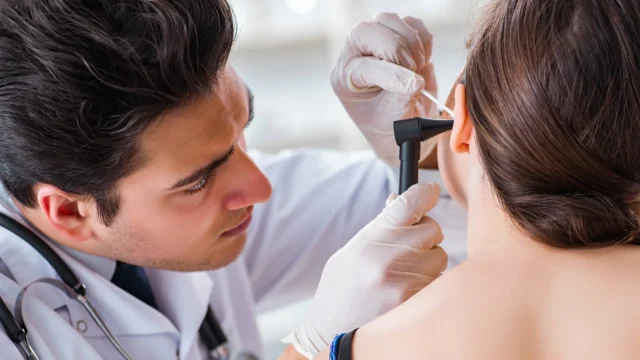
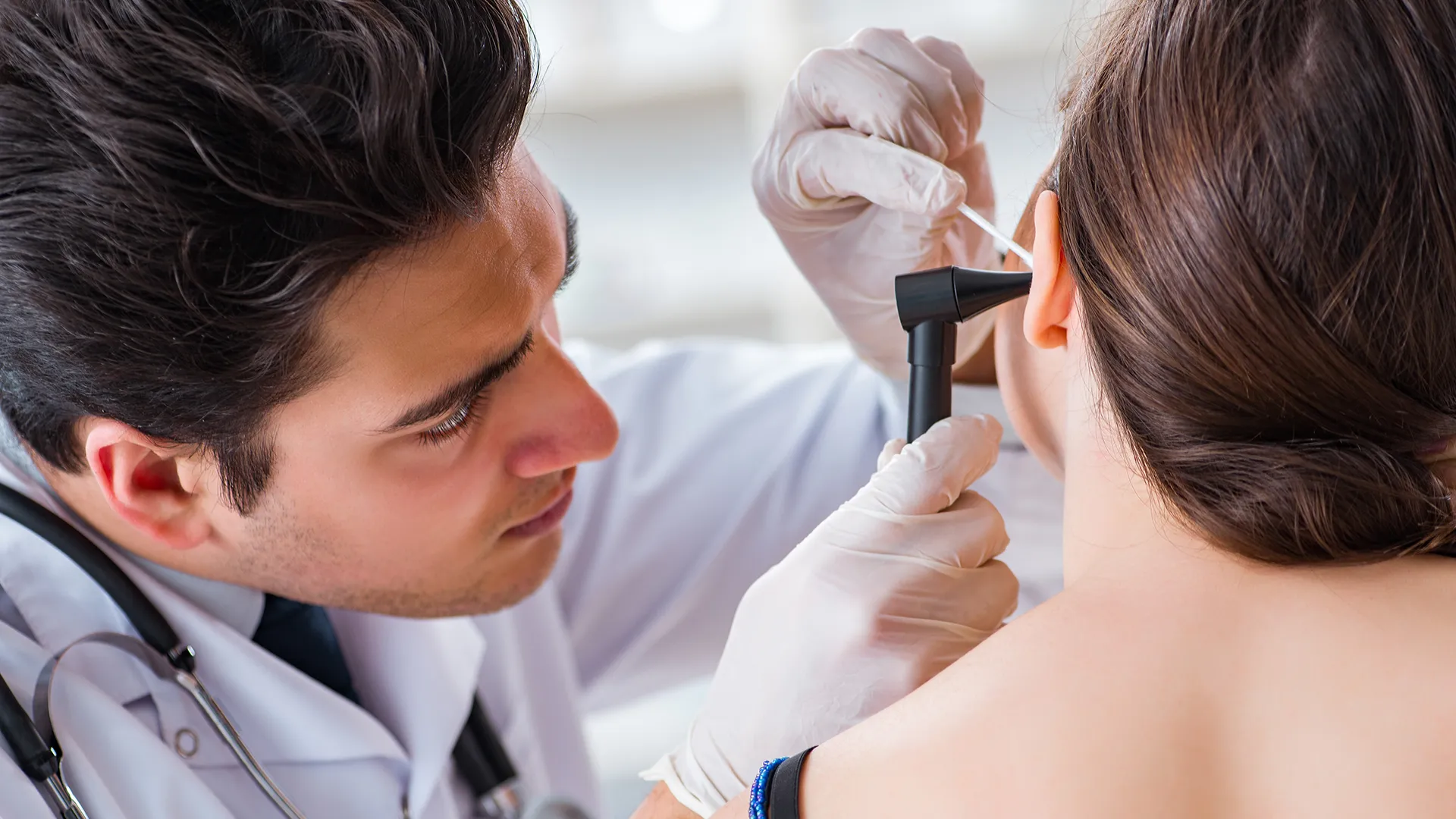
Recognizing the limitations of external skin sebum, the research team led by Dong and Zhu turned their attention to the ear canal. Earwax, or cerumen, is primarily composed of sebum mixed with dead skin cells and sweat. Unlike the sebum on the forehead, the ear canal provides a semi-enclosed, stable environment. It is shielded from the elements, meaning the VOCs trapped within the earwax remain relatively pristine and representative of the body’s internal chemistry.
This stability makes earwax an ideal medium for longitudinal health monitoring. Furthermore, the collection process is non-invasive and requires nothing more than a simple swab, making it feasible for use in primary care settings or even home-based kits.
Methodology: From Swabs to Mass Spectrometry
The study was conducted as a controlled clinical experiment involving 209 human subjects. The cohort included 108 individuals who had already received a formal diagnosis of Parkinson’s disease and a control group of 101 healthy individuals. To ensure the integrity of the data, researchers employed a rigorous analytical pipeline:
- Sample Collection: Earwax samples were collected using sterile swabs from the ear canals of all participants.
- Chemical Analysis: The researchers utilized gas chromatography-mass spectrometry (GC-MS), a "gold standard" analytical method that separates and identifies different substances within a test sample.
- Biomarker Identification: Through a comparative analysis of the PD and control groups, the team identified 11 potential VOC candidates. Further refinement narrowed this down to four specific molecules that showed statistically significant differences in concentration between the two groups.
The four identified biomarkers are:
- Ethylbenzene: Often associated with metabolic processes involving aromatic amino acids.
- 4-ethyltoluene: A volatile compound whose presence suggests specific shifts in the lipid metabolic pathway.
- Pentanal: An aldehyde that is frequently a byproduct of lipid peroxidation, a hallmark of oxidative stress in neurodegenerative diseases.
- 2-pentadecyl-1,3-dioxolane: A complex acetal that serves as a unique indicator of the altered chemical environment in PD patients.
The Role of the Artificial Intelligence Olfactory (AIO) System
Once the biomarkers were identified, the researchers sought to automate the detection process. They developed and trained an Artificial Intelligence Olfactory (AIO) system—essentially a "digital nose." By feeding the GC-MS data into machine learning algorithms, the AIO system learned to recognize the specific ratios and combinations of the four key VOCs that signal the presence of Parkinson’s.
The results were remarkable. When tested on the samples, the AIO-based model achieved a 94% accuracy rate in distinguishing between PD patients and healthy controls. This level of precision rivals more expensive and invasive diagnostic procedures, demonstrating the potential of machine learning to translate complex chemical data into actionable medical insights.
Chronology of the Research and Funding
The development of this screening tool follows several years of incremental progress in the study of VOCs.
- 2019–2021: Preliminary studies in various global centers explored the link between skin sebum and PD, spurred by the "super-smeller" phenomenon.
- 2022: The research team in China began focusing on the ear canal as a more stable alternative to external skin surfaces.
- 2023: Data collection from the 209-subject cohort was completed, followed by months of intensive GC-MS analysis and AI model training.
- 2024: The findings were formally published in Analytical Chemistry, marking the first time earwax has been successfully utilized for AI-driven PD screening.
The study was supported by significant institutional backing, including the National Natural Sciences Foundation of China, the Pioneer and Leading Goose R&D Program of Zhejiang Province, and the Fundamental Research Funds for the Central Universities. This level of support underscores the high priority that international scientific bodies are placing on finding low-cost solutions for the growing neurodegeneration crisis.
Implications for Public Health and Global Healthcare
The implications of a 94%-accurate earwax test are profound. From a public health perspective, this method offers several key advantages:
1. Cost-Effectiveness
While GC-MS equipment is expensive, the process of collecting earwax is virtually free. In a centralized lab model, thousands of swabs could be processed daily at a fraction of the cost of a single MRI or DaTscan.
2. Scalability
Because the test is non-invasive, it can be integrated into routine physical exams. This would allow for mass screening of aging populations, identifying at-risk individuals years before they exhibit motor symptoms.
3. Early Medical Intervention
Early detection allows for the "Goldilocks" window of treatment—where medications like Levodopa or neuroprotective strategies can be administered while the patient still has a high volume of functional neurons. This significantly improves the quality of life and reduces the long-term economic burden on healthcare systems.
Perspectives and Future Directions
Despite the success of the study, lead researcher Hao Dong remains cautious, emphasizing that this is a "small-scale single-center experiment." The primary limitation of the current study is its demographic homogeneity, as the participants were primarily from a single region in China.
"The next step is to conduct further research at different stages of the disease, in multiple research centers and among multiple ethnic groups," Dong stated. This expansion is crucial to determine if dietary habits, environmental factors in different countries, or genetic variations across ethnicities affect the VOC profile in earwax.
Medical experts in the field of neurology have reacted with "cautious optimism." Many note that while the 94% accuracy is impressive, the test must now be validated in "prodromal" patients—those who show no symptoms but may develop the disease in the future. If the earwax test can identify PD before any clinical symptoms appear, it would become the most valuable tool in the neurologist’s arsenal.
Conclusion
The development of an AI-driven earwax screening system represents a creative and scientifically rigorous approach to one of medicine’s most difficult challenges. By combining the ancient biological clues found in human secretions with the modern power of gas chromatography and artificial intelligence, researchers have opened a new door in the fight against Parkinson’s disease. As the research moves into multi-center international trials, the hope is that a simple ear swab could one day become the global standard for ensuring that no patient is left to face neurodegeneration without the benefit of early, life-changing intervention.