
The findings arrive at a time when hearing loss is increasingly recognized not merely as a sensory deficit, but as a systemic public health challenge. According to the study, adults who utilize hearing aids or cochlear implants reported significantly higher levels of social engagement and a marked decrease in feelings of isolation compared to those with untreated hearing loss. Dr. Choi, an otolaryngologist with Keck Medicine of USC and the study’s lead researcher, emphasized that the implications of these findings extend far beyond the ability to hear sound. The research suggests that hearing devices may act as a preventative measure against the "social disconnection" and subsequent health consequences that often follow the onset of profound hearing impairment.
Methodology and the Scope of the Systematic Review
To reach these conclusions, Dr. Choi and her colleagues performed a rigorous meta-analysis of 65 previously published studies. This extensive review encompassed data from over 5,000 participants across various demographics and levels of hearing impairment. The researchers focused on three primary metrics: social quality of life, perceived social handicap, and loneliness. Perceived social handicap is a clinical term referring to the limitations and emotional frustrations an individual experiences in social settings due to their inability to communicate effectively.
By synthesizing these diverse datasets, the USC team was able to provide a high-confidence assessment of the efficacy of hearing interventions. The meta-analysis approach allowed the researchers to bypass the limitations of smaller, individual studies, offering a robust statistical foundation for their conclusions. The data revealed that participants using hearing devices were not only more likely to participate in group conversations but also felt significantly more at ease in challenging acoustic environments, such as crowded restaurants or public gatherings.
The Psychological Burden of Untreated Hearing Loss
The study highlights a grim reality for the estimated 40 million American adults living with hearing loss: the condition is often a precursor to social withdrawal. When communication becomes a source of frustration rather than a means of connection, many individuals begin to avoid social interactions altogether. This withdrawal is not a benign change in lifestyle; it is a catalyst for a cascade of negative health outcomes.
Previous medical literature has established that chronic social isolation can lead to biological and neurological changes. These include increased levels of brain inflammation and structural alterations in the brain’s gray matter. Furthermore, the lack of mental stimulation inherent in social isolation is a known risk factor for anxiety, depression, and cognitive decline. By addressing the "social handicap" through technology, hearing aids and cochlear implants allow individuals to remain active participants in their communities, thereby potentially slowing the progression of these secondary health issues.
Cochlear Implants and Significant Social Gains
One of the more striking findings of the USC study was the disparity in outcomes between different types of hearing technology. While both hearing aids and cochlear implants showed positive results, those with cochlear implants reported the most substantial improvements in their social quality of life.
Cochlear implants are surgically implanted devices that bypass damaged portions of the ear to directly stimulate the auditory nerve. Unlike hearing aids, which primarily amplify sound, cochlear implants provide a more comprehensive restoration of auditory signals for those with severe to profound hearing loss. The researchers noted that because cochlear implants offer a more dramatic restoration of hearing for those who previously lived in near-silence, the subsequent "reconnection" to the social world is often more profound. The ability to distinguish speech in noise and follow complex group dynamics appears to be a major factor in the high satisfaction rates reported by implant users.
The Cognitive and Longevity Connection
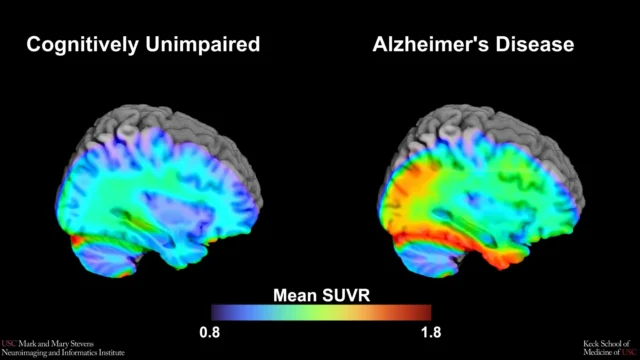
While the primary focus of the study was social connectivity, the research team also explored the broader implications for cognitive health. Dr. Choi noted that although the study did not directly measure cognitive outcomes, the correlation between social engagement and brain health is well-documented in other fields of medicine. Social interaction provides the brain with a "workout," requiring the processing of verbal cues, emotional context, and rapid-fire responses.
"By restoring clearer communication, hearing devices may help preserve cognitive health by keeping the brain more actively involved and people more connected," Dr. Choi stated. This hypothesis aligns with the 2020 Lancet Commission on dementia prevention, intervention, and care, which identified mid-life hearing loss as the single largest potentially modifiable risk factor for developing dementia later in life.
Furthermore, this research builds upon a previous study led by Dr. Choi in January 2024. That study found that adults with hearing loss who consistently use hearing aids have an almost 25% lower risk of mortality compared to those who do not. The combination of these two studies suggests a holistic benefit to hearing health: it doesn’t just help people live longer; it helps them live better, more connected lives.
A Timeline of Hearing Health Research and Public Policy
The USC study arrives amid a shifting landscape in how the United States approaches hearing health. Historically, hearing loss was often dismissed as an inevitable and minor part of aging. However, the last decade has seen a surge in research linking auditory health to cardiovascular health, balance, and mental acuity.
- 2017: The Over-the-Counter (OTC) Hearing Aid Act was passed by Congress, aiming to make hearing aids more accessible and affordable.
- 2020: The Lancet Commission identifies hearing loss as a primary risk factor for dementia.
- 2022: The FDA finalizes the rule to allow the sale of OTC hearing aids, bypassing the requirement for a medical exam or fitting by an audiologist for those with mild to moderate loss.
- January 2024: Dr. Choi’s study linking hearing aid use to a 25% reduction in mortality risk is published.
- Current Study: The USC meta-analysis confirms the social and psychological benefits of hearing devices.
Despite these advancements, barriers to treatment remain high. The high cost of cochlear implant surgery and the lack of comprehensive insurance coverage for hearing aids for many seniors continue to prevent widespread adoption. The USC researchers hope their findings will provide the clinical evidence needed to advocate for better coverage and more proactive screening.
Implications for Clinical Practice and Public Awareness
The study’s findings have significant implications for how primary care physicians and geriatricians interact with their patients. Traditionally, hearing screenings are not a standard part of adult physicals unless a patient specifically complains of a problem. Dr. Choi and her team argue that this needs to change.
"These new findings add to a growing body of research showing that hearing health is deeply connected to overall well-being," Choi said. The study suggests that clinicians should view hearing devices not just as "volume knobs," but as tools for social and cognitive preservation. Encouraging patients to seek treatment earlier could prevent the onset of the isolation-loneliness cycle, which is often difficult to reverse once it has taken hold.
From a public health perspective, the study highlights a need for a cultural shift in how we view hearing aids. Much like eyeglasses, hearing devices should be seen as essential tools for engagement. The stigma often associated with hearing aids—linking them to frailty or old age—remains a major hurdle. However, as technology improves and devices become more discreet and "smarter" (incorporating AI and Bluetooth connectivity), researchers hope that the psychological barrier to adoption will decrease.
Analyzing the "Social Handicap"
The concept of the "social handicap" explored in the study is particularly relevant in the post-pandemic era. As society moved toward digital communication and masked interactions, individuals with hearing loss faced unprecedented challenges. The USC study reinforces that the ability to navigate these environments is crucial for mental health.
The data showed that hearing device users reported fewer barriers and frustrations during interactions. This increased confidence often translates into a "virtuous cycle": as users feel more comfortable in social settings, they seek them out more frequently, which in turn strengthens their social support networks. These networks are vital for emotional resilience, providing a buffer against the stresses of aging and chronic illness.
Conclusion: Hearing Health as a Pillar of Wellness
The USC Caruso Department of Otolaryngology’s research provides a compelling argument for prioritizing hearing health as a central pillar of adult wellness. By confirming that hearing aids and cochlear implants significantly reduce social isolation and loneliness, the study offers a roadmap for improving the quality of life for millions of Americans.
As the global population ages, the prevalence of hearing loss is expected to rise. The findings by Dr. Choi and her team suggest that the proactive management of hearing loss is one of the most effective interventions available to ensure that "adding years to life" also means "adding life to years." The study serves as a call to action for patients, healthcare providers, and policymakers to recognize that the ability to hear is the ability to connect, and that connection is the foundation of human health.