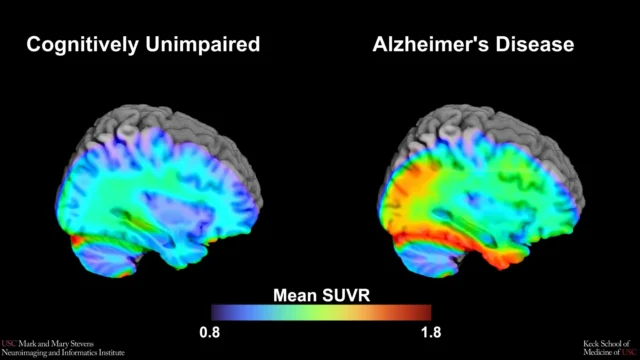

The study centers on the detection of neurofilament light chain (NfL), a protein that serves as a structural component of neurons. When brain cells are damaged or die, NfL is released into the cerebrospinal fluid and eventually leaks into the bloodstream. In clinical settings, elevated blood levels of NfL are typically used as "liquid biopsies" to monitor the progression of conditions such as multiple sclerosis, traumatic brain injury, and advanced Alzheimer’s disease. The discovery of elevated NfL in otherwise healthy-appearing young adults with obesity marks a significant shift in how researchers view the timeline of brain aging. The presence of this protein suggests that even in the absence of behavioral changes, the brain is already sustaining injury due to the metabolic and vascular strain placed on the body by excessive weight.
The Intersection of Metabolic Health and Neurobiology
The human body operates as a complex, interconnected system where the health of the metabolic and vascular systems dictates the longevity of the central nervous system. Obesity, high blood pressure, and insulin resistance are known to create a state of chronic low-grade inflammation. This systemic stress eventually breaches the blood-brain barrier, allowing inflammatory cytokines to disrupt neural pathways. The ASU-led study provides empirical evidence that this process is active in early adulthood. By comparing 30 adults—split between those with a body mass index (BMI) in the obese range and those of a healthy weight—the researchers found a consistent pattern of biological markers that mirrored the profiles of older patients diagnosed with Mild Cognitive Impairment (MCI).
Specifically, the participants with obesity exhibited significantly higher levels of inflammation-promoting proteins and liver enzymes, which are indicators of hepatic stress. This "liver-brain axis" is increasingly recognized as a critical pathway in neurodegeneration. When the liver is strained by metabolic dysfunction, its ability to regulate systemic inflammation and produce essential lipids is compromised, leaving the brain vulnerable. The study’s data showed that as liver strain increased, so did the levels of NfL in the blood, suggesting a direct correlation between metabolic health and the physical integrity of brain cells.
Choline: The Missing Link in Brain Protection
A pivotal discovery in the research is the role of choline, an essential nutrient that the body requires for various critical functions, including the maintenance of cell membrane integrity and the production of acetylcholine, a neurotransmitter vital for memory, mood, and muscle control. While the liver produces a small amount of choline, the vast majority must be obtained through diet. The study revealed that young adults with obesity had strikingly low circulating levels of choline compared to their healthy-weight counterparts. These low levels were further associated with increased insulin resistance and higher concentrations of NfL.
The implications of choline deficiency are far-reaching. Choline is necessary for the transport of fats out of the liver; without it, fat accumulates, leading to non-alcoholic fatty liver disease (NAFLD), which in turn fuels systemic inflammation. According to national nutrition surveys, approximately 90% of the American population does not meet the recommended daily intake of choline—which is 550 mg for men and 425 mg for women. The ASU study suggests that for those already struggling with obesity, this nutritional gap may accelerate the onset of brain aging. The research also noted that women in the study had lower choline levels than men, a finding that may help explain why women are statistically more susceptible to Alzheimer’s disease and other forms of cognitive decline later in life.
Chronology of the Research and Methodology
The study was conducted as a multi-institutional effort under the ASU-Banner Neurodegenerative Disease Research Center. The researchers utilized a cross-sectional design to compare metabolic and neurological biomarkers across different age and health groups.
- Participant Selection: The team recruited 30 adults in their 20s and 30s. This specific age bracket was chosen to isolate the biological effects of obesity before the natural age-related decline of the 50s and 60s could cloud the data.
- Blood Analysis: Each participant underwent a fasting blood draw. The samples were meticulously screened for a panel of biomarkers, including inflammatory cytokines (like IL-6 and TNF-alpha), insulin, glucose, and liver enzymes (ALT and AST).
- NfL Measurement: The researchers used high-sensitivity assays to detect picogram-level concentrations of neurofilament light chain, ensuring that even minor neuronal damage could be quantified.
- Comparative Analysis: To validate the significance of their findings, the team compared the data from these young adults with existing datasets from older cohorts who had already been diagnosed with Alzheimer’s or MCI.
The results were striking: the pairing of low choline and high NfL observed in the obese young adults was nearly identical to the biological "fingerprint" seen in the early stages of Alzheimer’s disease in older populations. This suggests that the neurodegenerative clock may start ticking much earlier for individuals with poor metabolic health.
Implications for Modern Weight-Loss Treatments
The study also addresses the rapidly evolving landscape of obesity treatment, particularly the rise of GLP-1 receptor agonists like semaglutide and tirzepatide. While these medications are highly effective at inducing weight loss and improving cardiovascular markers, they function primarily by suppressing appetite and slowing gastric emptying. This reduction in food intake can inadvertently lead to "malnutrition within obesity," where a patient loses weight but fails to consume adequate levels of essential micronutrients like choline.
The researchers emphasize that as these drugs become more prevalent, it is crucial for healthcare providers to ensure that patients are maintaining a nutrient-dense diet. If a patient on a weight-loss drug significantly reduces their intake of choline-rich foods—such as eggs, fish, and cruciferous vegetables—they might inadvertently strip their brain of the very nutrients needed to protect against the neurodegenerative effects of their previous metabolic state. The study calls for future clinical trials to investigate whether supplementing GLP-1 therapies with choline can optimize long-term brain health outcomes.
Expert Reactions and Public Health Significance
Ramon Velazquez, the lead researcher at the ASU-Banner Neurodegenerative Disease Research Center, highlighted that the study reinforces the necessity of viewing choline as a primary marker of both metabolic and cognitive health. "Several new reports published this month further link reduced blood choline levels to behavioral changes, including anxiety and memory impairment," Velazquez noted. His colleague, Wendy Winslow, co-author of the study, pointed out the actionable nature of these findings: "Most people don’t realize they aren’t getting enough choline. Adding choline-rich foods to your routine can help reduce inflammation and support both your body and brain as you age."
From a public health perspective, the study serves as a warning regarding the "Silver Tsunami" of Alzheimer’s cases projected for the coming decades. If obesity in early adulthood is a precursor to dementia, then the rising rates of childhood and young-adult obesity could lead to a massive surge in neurodegenerative diseases in the near future. This research provides a window of opportunity for intervention. By focusing on metabolic health and nutritional adequacy in the 20s and 30s, it may be possible to delay or even prevent the onset of cognitive decline in later years.
Analysis of Long-Term Impacts
The findings from ASU suggest a paradigm shift in preventative neurology. For years, the medical community focused on clearing amyloid plaques from the brains of elderly patients—a strategy that has seen limited success in reversing dementia. This study supports an alternative "upstream" approach: protecting the structural integrity of neurons by managing systemic inflammation and metabolic health through nutrition and lifestyle in early adulthood.
The correlation between low choline and high NfL provides a new diagnostic target. If NfL screening becomes a standard part of metabolic panels for young adults with high BMI, clinicians could identify at-risk individuals decades before they experience memory loss. Furthermore, the emphasis on choline-rich diets—including eggs, poultry, beans, and vegetables like broccoli and cauliflower—offers a low-cost, high-impact strategy for neuroprotection.
As the research continues, the ASU-Banner team plans to conduct longitudinal studies to track whether increasing choline intake in young adults with obesity can actively lower NfL levels and improve metabolic markers over time. For now, the evidence is clear: the health of the brain is inextricably linked to the health of the body, and the choices made in one’s 20s may determine the clarity of one’s 80s. The study underscores that "healthy aging" is not a process that begins in retirement, but a lifelong endeavor that starts with metabolic resilience and proper nutrition in the earliest stages of adulthood.