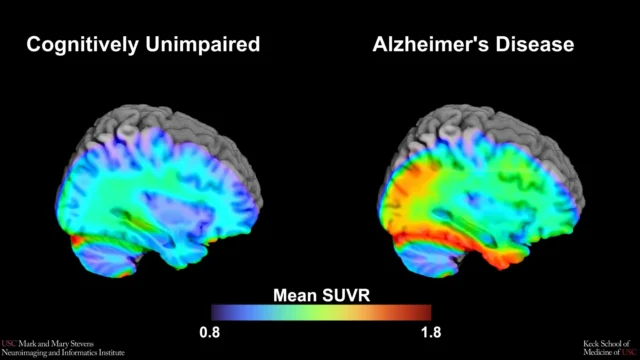
The research, led by senior author Bruce Yankner, a professor of genetics and neurology at HMS, reveals for the first time that lithium is not merely a pharmaceutical agent used in psychiatry, but a naturally occurring element in the human brain that plays a vital role in maintaining neurological health. According to the findings, lithium acts as a protective shield against neurodegeneration, maintaining the integrity of neurons, supporting the inflammatory response of microglia, and preserving the myelin sheaths that insulate brain wiring. When this natural lithium supply is depleted—often by being "trapped" by amyloid plaques—the brain’s defense mechanisms crumble, leading to the rapid cognitive decline associated with Alzheimer’s.
A Decade of Discovery: The Evolution of the Lithium Hypothesis
The findings published this month are the culmination of ten years of rigorous experimentation and data analysis. The study utilized a multi-faceted approach, combining longitudinal data from mouse models with extensive analyses of human brain tissue and blood samples. To ensure the accuracy of their observations, the HMS team collaborated with the Rush Memory and Aging Project in Chicago. This partnership granted researchers access to postmortem brain tissue from thousands of donors who spanned the entire spectrum of cognitive health, from those who were cognitively intact at death to those with severe dementia.
The use of this vast tissue bank allowed the researchers to bypass one of the most significant hurdles in neuroscience: the inability to sample the living human brain. By examining the brain at various stages of the disease, the team could identify changes that occur at the very onset of cognitive impairment. Bruce Yankner, who in the 1990s was the first scientist to demonstrate that amyloid beta is toxic to neurons, noted that studying the late stages of Alzheimer’s is akin to surveying a battlefield after the war is over. To find the "spark" that starts the fire, researchers had to look at the earliest signs of impairment.
Using advanced mass spectroscopy, first author Liviu Aron and the research team measured trace levels of 30 different metals in the brain and blood. While most metal levels remained consistent across different groups, lithium stood out. It was the only element that showed a marked and progressive decline as individuals moved from healthy cognition to mild cognitive impairment (MCI) and finally to advanced Alzheimer’s disease.
The Sequestration Mechanism: How Amyloid Beta Hijacks Brain Lithium
One of the study’s most significant contributions to the field is the identification of the mechanism behind lithium loss. The researchers discovered that as amyloid beta begins to form deposits—the early-stage "plaques"—it acts as a molecular sponge, binding to natural lithium and sequestering it. This sequestration prevents lithium from performing its essential biological functions.
The study found that this depletion of functional lithium has a "domino effect" on the brain’s cellular ecosystem. In both human tissue and mouse models, the loss of lithium was shown to:
- Impair Microglia: These are the brain’s primary immune cells. Without lithium, microglia lose their ability to clear away amyloid debris, leading to an even faster buildup of plaques.
- Destabilize Neurons: Lithium deficiency leads to the loss of synaptic connections, the pathways through which neurons communicate.
- Degrade Myelin and Axons: The protective coating of brain cells begins to break down, further slowing cognitive processing.
- Influence Genetic Risk: The researchers found that lithium levels altered the activity of genes associated with Alzheimer’s risk, most notably the APOE gene, which is the strongest genetic risk factor for the late-onset form of the disease.
This "sequestration" theory explains why some people with high levels of amyloid beta do not develop dementia. The researchers suggest that if an individual has a high enough natural reserve of lithium or a biological mechanism that prevents lithium from being trapped, they may remain cognitively healthy despite the presence of plaques.
Experimental Validation: Reversing Decline in Mouse Models
To confirm that lithium depletion was a driver of the disease rather than a byproduct, the HMS team conducted a series of experiments on mice. By placing healthy mice on a lithium-restricted diet, the researchers were able to reduce their brain lithium levels to match those seen in human Alzheimer’s patients. These mice subsequently displayed rapid brain inflammation, loss of synapses, and significant memory failure—essentially "inducing" the symptoms of Alzheimer’s through nutritional deficiency alone.
Conversely, the team sought to determine if replenishing lithium could halt or reverse the damage. However, they faced a historical challenge: traditional lithium compounds, such as lithium carbonate, require high doses to be effective in the brain. At these concentrations, lithium can be toxic, particularly to elderly patients, causing tremors, kidney issues, and neurological side effects.
The researchers developed a screening platform to find a compound that could bypass the amyloid "trap." They identified lithium orotate, a compound that appeared to evade capture by amyloid plaques. When the researchers administered lithium orotate to mice with advanced Alzheimer’s pathology, the results were striking. Even at a dose one-thousandth of the concentration typically used to treat bipolar disorder, the compound reversed brain cell damage and restored the mice’s memory function.
"I really have not seen anything quite like it in all my years of working on this disease," Yankner remarked, highlighting the widespread positive effects the treatment had on various manifestations of the pathology.
Supporting Data and Historical Context
The HMS study provides a biological framework for several decades of observational data that had previously lacked a clear explanation. For years, public health researchers have noted a correlation between trace levels of lithium in municipal drinking water and lower rates of dementia, suicide, and even violent crime in various populations worldwide.
For instance, a 2017 study conducted in Denmark, which analyzed data from 800,000 people, found that those exposed to higher levels of naturally occurring lithium in their tap water had a significantly lower risk of developing dementia. Similar findings have been reported in Texas, Japan, and the United Kingdom. Until now, these "geographical" findings were often dismissed as mere correlations. The HMS research provides the mechanistic "smoking gun," showing that these trace environmental levels are biologically meaningful because they help maintain the brain’s natural lithium equilibrium.
Furthermore, the study sheds light on the limitations of modern "anti-amyloid" drugs like lecanemab or aducanumab. While these drugs are designed to clear plaques from the brain, they have shown only modest success in slowing cognitive decline and do not reverse existing memory loss. The HMS findings suggest that clearing the plaques may not be enough if the "lithium-depleted" state of the brain is not addressed.
Implications for Future Diagnostics and Treatment
The potential impact of this study on clinical practice is profound. If lithium deficiency is indeed an early biomarker for Alzheimer’s, it could lead to the development of routine blood or neuroimaging tests to screen individuals in their 40s or 50s.
Early Diagnosis: By identifying individuals with declining lithium levels before the onset of cognitive symptoms, physicians could intervene years earlier than is currently possible.
Preventative Supplementation: The study suggests that maintaining a "target" level of lithium through low-dose, non-toxic supplementation could prevent the onset of the disease in high-risk individuals.
A New Therapeutic Avenue: The success of lithium orotate in mouse models provides a blueprint for a new class of "amyloid-evading" drugs. Because the doses required are so low, the risk of toxicity—the primary barrier to using lithium in the elderly—is significantly minimized.
Despite the excitement, Dr. Yankner and his colleagues have issued a stern warning against self-medication. Lithium is a potent bioactive element, and the safety and efficacy of lithium orotate have not yet been established in human clinical trials for Alzheimer’s. The "potency" observed in mice must be carefully calibrated for human physiology to avoid adverse effects.
Analysis of Broader Impacts and Industry Reactions
The pharmaceutical industry, which has spent billions of dollars focusing almost exclusively on the "amyloid hypothesis," may view these findings with cautious optimism. If the HMS theory holds true in human trials, it would represent a paradigm shift in neurodegeneration research. It suggests that Alzheimer’s is not just a disease of "toxic buildup" but also a disease of "nutrient deficiency"—specifically, the loss of a trace metal that the brain requires to defend itself.
Independent researchers in the field of gerontology have noted that this study bridges the gap between environmental factors and genetic predispositions. By showing that lithium affects the expression of the APOE gene, the HMS team has provided a more holistic view of how nature and nurture interact to determine an individual’s risk for dementia.
As the global population ages, the burden of Alzheimer’s is expected to triple by 2050. The HMS study offers a glimmer of hope that a relatively simple, low-cost intervention—once refined through clinical trials—could alleviate a significant portion of this public health crisis. The research was supported by the National Institutes of Health (NIH), the Glenn Foundation for Medical Research, and the Aging Mind Foundation, highlighting the broad institutional support for exploring these unconventional but promising avenues of study.
The next phase of research will involve human clinical trials to determine if lithium orotate can replicate its "miraculous" mouse-model results in people. If successful, the story of Alzheimer’s treatment may soon move away from merely slowing a decline and toward a future where the disease’s march is halted, or even reversed, by restoring the brain’s natural elemental balance.