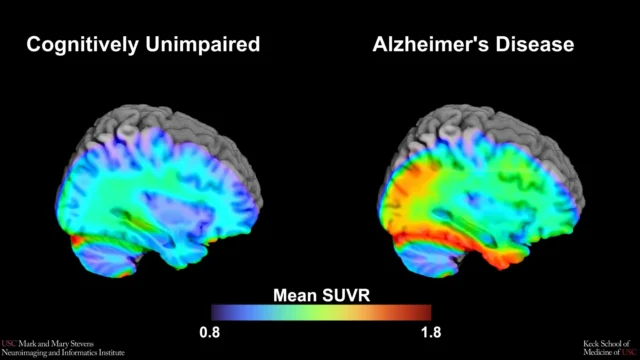

For decades, Alzheimer’s disease was viewed almost exclusively as a condition of the elderly. However, the medical community has shifted its focus toward the "prodromal" or preclinical stages of the disease—the period where damage occurs but symptoms are absent. This new study, led by the ASU-Banner Neurodegenerative Disease Research Center, indicates that for individuals with obesity, this preclinical window may open significantly earlier than previously thought. By analyzing blood samples for specific proteins and enzymes, the team found that young adults with obesity exhibit many of the same physiological red flags as older adults diagnosed with mild cognitive impairment (MCI).
The Biological Connection Between Body and Brain
The human brain does not exist in a vacuum; it is deeply integrated with the body’s metabolic and vascular systems. When these systems are under strain due to obesity, high blood pressure, or insulin resistance, the brain often pays the price. The ASU study focused on several key biomarkers to measure this strain, most notably Neurofilament Light Chain (NfL). NfL is a structural protein found within neurons; when those neurons are damaged or die, NfL leaks into the cerebrospinal fluid and eventually the bloodstream.
In recent years, NfL has gained prominence as a highly sensitive biomarker for neurodegeneration. Elevated levels are typically seen in patients with multiple sclerosis, Parkinson’s, and Alzheimer’s. The fact that researchers detected higher NfL levels in obese participants in their 20s is significant. It suggests that even in the absence of memory loss or behavioral changes, the physical integrity of brain cells is already being compromised. This "silent" damage is often accompanied by systemic inflammation, marked by elevated levels of inflammatory cytokines and liver enzymes that indicate hepatic stress.
The Choline Crisis: An Essential Nutrient in Short Supply
Perhaps the most actionable finding of the study involves choline, an essential nutrient that the body uses for a variety of critical functions. Choline is a precursor to acetylcholine, a neurotransmitter vital for memory, mood, and muscle control. It also plays a key role in maintaining the structural integrity of cell membranes and regulating gene expression. Despite its importance, national nutrition surveys, including the National Health and Nutrition Examination Survey (NHANES), consistently show that approximately 90% of the American population does not meet the recommended daily intake.
The ASU research revealed that young adults with obesity had significantly lower circulating levels of choline compared to their healthy-weight counterparts. Furthermore, these low choline levels were directly correlated with higher markers of inflammation and increased NfL levels. "This research adds to the growing evidence that choline is a valuable marker of metabolic and brain dysfunction," noted Ramon Velazquez, the study’s lead author and an assistant professor at the ASU School of Life Sciences. Velazquez emphasized that several recent reports have further linked reduced blood choline to anxiety, memory impairment, and broader metabolic disorders.
The study also highlighted a notable gender disparity: women in the cohort had lower choline levels than men. This is a particularly concerning finding given that women are statistically more likely to develop Alzheimer’s disease and often experience more rapid cognitive decline following a diagnosis. While the liver can produce small amounts of choline, the majority must be obtained through diet. The recommended daily intake is 550 mg for men and 425 mg for women, yet many fall far short of these goals.
Chronology of the Research and Study Design
The study was a collaborative effort involving the ASU School of Life Sciences, the Banner Sun Health Research Institute, and the Mayo Clinic in Arizona. To ensure the accuracy of their findings, the researchers employed a controlled comparative design.
- Participant Selection: The team recruited 30 adults aged between 20 and 39. The group was split evenly between those with a Body Mass Index (BMI) categorized as obese and those with a BMI in the healthy range.
- Sample Collection: Participants provided fasting blood samples to ensure that recent meals did not skew the metabolic data.
- Biochemical Analysis: The samples were screened for a comprehensive panel of markers, including circulating choline, insulin, glucose, C-reactive protein (a marker of inflammation), and various liver enzymes.
- NfL Measurement: The researchers used highly sensitive assays to detect the minute amounts of Neurofilament Light Chain present in the blood.
- Comparative Analysis: In the final stage of the study, the data from these young adults were compared against existing datasets from older adults with Alzheimer’s disease and mild cognitive impairment to see if the biological patterns overlapped.
The results confirmed that the "low choline, high NfL" signature found in the obese young adults was strikingly similar to the profile seen in the early stages of Alzheimer’s. This suggests that metabolic health in one’s 20s may set the trajectory for brain health in one’s 70s.
Implications for Modern Weight-Loss Treatments
The study’s findings arrive at a time when the landscape of obesity treatment is being transformed by GLP-1 receptor agonists, such as semaglutide (Ozempic/Wegovy) and tirzepatide (Mounjaro/Zepbound). While these medications are highly effective at reducing weight and improving cardiovascular health, they work primarily by suppressing appetite and slowing gastric emptying.
The researchers expressed concern that the significant reduction in food intake associated with these drugs could inadvertently lead to malnutrition, specifically a deficiency in micronutrients like choline. If a patient is eating 40% less food, they are likely consuming 40% less choline. The study authors suggest that future clinical trials should investigate whether pairing GLP-1 therapies with choline supplementation could maximize the neuroprotective benefits of weight loss while mitigating the risks of nutrient deficiency. "Adding choline-rich foods to your routine can help reduce inflammation and support both your body and brain as you age," said Wendy Winslow, the study’s first co-author.
Dietary Sources and Public Health Recommendations
To combat the "hidden hunger" of micronutrient deficiency, health experts recommend focusing on nutrient-dense foods. Choline is found in a variety of animal and plant-based sources:
- Eggs: One of the most concentrated sources, particularly the yolks.
- Meat and Poultry: Beef liver, chicken breast, and lean beef.
- Seafood: Salmon, cod, and tilapia.
- Vegetables: Cruciferous vegetables like broccoli, cauliflower, and Brussels sprouts.
- Legumes: Beans, peas, and lentils.
For those unable to meet the requirements through diet alone, supplements are available, though experts generally recommend food-first approaches to ensure the absorption of synergistic nutrients. The ASU study serves as a call to action for public health officials to raise awareness about choline, much in the same way that folic acid was prioritized for prenatal health in previous decades.
Analysis: The Future of Preventative Neurology
The implications of this research extend beyond simple dietary advice. It points toward a future where "preventative neurology" becomes a standard part of primary care for young adults. If biomarkers like NfL and choline levels can be monitored during routine physicals, clinicians may be able to intervene years before permanent brain damage occurs.
This study reinforces the "Two-Hit Hypothesis" of Alzheimer’s: the idea that a combination of genetic predisposition (the first hit) and environmental/metabolic stress (the second hit) triggers the disease. While we cannot change our genetics, metabolic health and nutrient intake are modifiable risk factors. By addressing obesity and choline deficiency in early adulthood, it may be possible to delay or even prevent the onset of neurodegenerative symptoms.
"Our results suggest that, in young adults, good metabolic health and adequate choline contribute to neuronal health, laying the groundwork for healthy aging," concluded Jessica Judd, a co-author of the study. As the global prevalence of obesity continues to rise, understanding these early-life biological shifts will be essential in stemming the tide of the Alzheimer’s epidemic. The ASU-Banner team plans to continue their research, moving into larger longitudinal studies to track how these markers evolve over several decades, potentially identifying the exact "tipping point" where metabolic stress turns into irreversible cognitive decline.