The Evolution of Avalanche Mitigation Safety
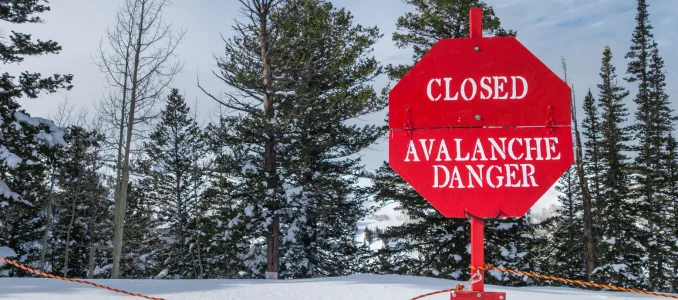
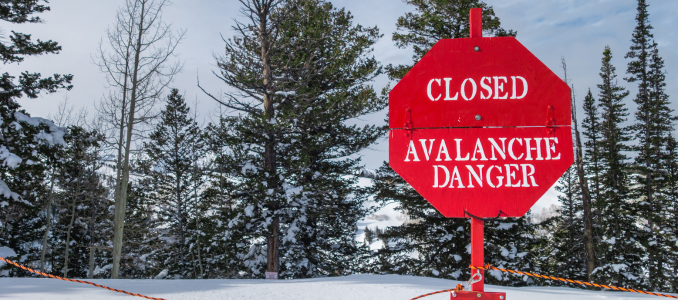
Avalanche control is a critical component of winter safety infrastructure in California’s Sierra Nevada and beyond. Ski resorts, state transportation departments, and freight railroads rely on active avalanche mitigation—typically the use of hand-deployed explosives—to trigger controlled slides, thereby protecting infrastructure and the public from spontaneous, life-threatening avalanches.
For decades, these operations have been governed by established industry best practices. However, the proposed California Occupational Safety and Health Administration (Cal/OSHA) rules seek to transition these best practices into legally enforceable mandates. The move comes as the industry faces increasing pressure to balance the inherent risks of backcountry blasting with the growing need for operational efficiency and worker safety.
The proposed regulations introduce a new definition section, Section 5349.1, to clarify the scope of "avalanche control blasting activities." By formalizing these definitions, the state aims to eliminate ambiguity regarding when and where these high-stakes safety protocols must be applied.
Mandating Procedural Rigor: The New Blasting Protocol
Under the new proposal, the burden of safety is placed squarely on the development of rigorous, written standard operating procedures (SOPs). Employers will be required to draft these documents in collaboration with their blasting crews. This provision acknowledges that the workers on the ground, who possess the most intimate knowledge of specific mountain terrain and weather conditions, are best positioned to contribute to the creation of effective safety protocols.

The procedural requirements for hand-charge deployment are particularly prescriptive. Before a blaster even touches an igniter, they must satisfy a multi-step checklist:
- Target Assessment: Determine the intended landing zone for the charge.
- Strategic Positioning: Identify and confirm the use of preselected "safe positions" and natural terrain barriers.
- Clearance Verification: Confirm that both the blast area and the potential avalanche path are entirely clear of personnel.
- Communication: Orally alert all affected crewmembers each time a charge is deployed, ensuring a clear chain of communication.
The regulations also dictate specific movement patterns. Crewmembers not directly involved in the ignition process must be sheltered behind preselected terrain barriers. Once the charge is deployed, the blaster is required to move immediately to a predetermined safe position. This focus on "spatial awareness" and "pre-planned retreat" is designed to mitigate the risks of premature detonation or unexpected blast trajectory.
Integrating Remote Avalanche Control Systems (RACS)
While hand-blasting remains a cornerstone of the industry, many modern resorts and transit authorities have begun integrating Remote Avalanche Control Systems (RACS). These systems—often tower-mounted or fixed-position explosive dispensers—allow crews to trigger avalanches without needing to physically hike into the blast zone, significantly reducing the exposure of personnel to avalanche terrain.

The proposed regulation treats RACS as a valuable safety tool but imposes strict oversight to ensure that the convenience of remote operation does not lead to complacency. Under the new rules:
- Authorized Operation: Only trained, authorized operators supervised by a licensed avalanche blaster may utilize RACS.
- Maintenance and Security: Components must be locked and secured when not in use, and explosives must be inspected by a licensed blaster prior to transport and loading.
- Documentation: Employers must maintain accessible records of "minimum safe blast distances," ensuring that all employees in the vicinity of a remote blast are aware of the safety buffers.
Furthermore, the board is introducing a requirement for a "designated observer" during the preparation phase. This individual is tasked specifically with monitoring for accidental ignition, providing a second layer of vigilance during the most delicate moments of explosive handling.
Economic and Operational Implications
The regulatory shift carries financial weight for industry stakeholders. The California Occupational Safety and Health Standards Board has estimated the initial costs for a small business to come into compliance at approximately $17,808. These costs primarily involve the administrative burden of drafting and reviewing written procedures, conducting additional safety training, and potentially upgrading equipment to meet the new security standards for RACS.

While the financial impact is not negligible, the long-term benefits are expected to be substantial. For ski resorts, the reduction in potential workplace injuries and the resulting insurance premium stabilization could offset initial compliance costs. For the broader industry, the standardization of safety procedures provides a legal framework that can protect against liability in the event of an accident.
Industry analysts suggest that this proposal is a proactive response to the evolving nature of mountain operations. As climate patterns become more erratic, the demand for effective avalanche control has grown. By mandating a written, collaborative approach to safety, the state is effectively institutionalizing "safety culture" rather than relying on informal, oral traditions that can vary significantly from one crew to the next.
Industry Feedback and Regulatory Process
The road to these regulations has involved extensive consultation with stakeholders, including ski area operators, railroad safety managers, and the California Department of Transportation (Caltrans). The proposed rules were developed after reviewing historical accident data and identifying gaps in the current safety orders that have persisted despite industry self-regulation.

The inclusion of a "worker-participation" clause—which requires that crewmembers be allowed to assist in writing safety procedures—is a nod to the growing trend of participatory safety management. This approach is widely considered to be more effective than top-down mandates, as it fosters greater worker buy-in and ensures that the procedures are practical for daily use in harsh, high-altitude conditions.
Looking Ahead: The Public Hearing and Beyond
The regulatory proposal is currently entering its final public phase. The California Occupational Safety and Health Standards Board has scheduled a public hearing for December 17, 2024, at 10 a.m. PT in Turlock, California. The hearing is designed to provide an open forum for stakeholders to voice concerns, suggest modifications, or provide data that may further refine the language of the rules.
Recognizing the logistical challenges of mountain-based businesses, the board has made the hearing accessible via videoconference. Written comments are also being accepted until 5 p.m. PT on the day of the hearing. This deadline marks the final opportunity for the public to influence the language of the regulations before they are finalized and move toward implementation.

Conclusion: A New Standard for Mountain Safety
The proposed regulations represent a mature, risk-based approach to the dangers inherent in avalanche mitigation. By focusing on the intersection of human behavior, communication, and technological oversight, the California Occupational Safety and Health Standards Board is attempting to codify a standard of care that reflects the gravity of the work performed by avalanche blasters.
If enacted, these rules will likely set a new benchmark for mountain safety protocols across the United States. While the administrative burden of writing and implementing these procedures will require effort from employers, the potential for preventing catastrophic accidents in the high-stakes environment of snow safety is a compelling justification for the state’s intervention. As the winter season approaches, the industry now waits to see how these regulations will reshape the daily routines of the men and women who hold the safety of the slopes in their hands.