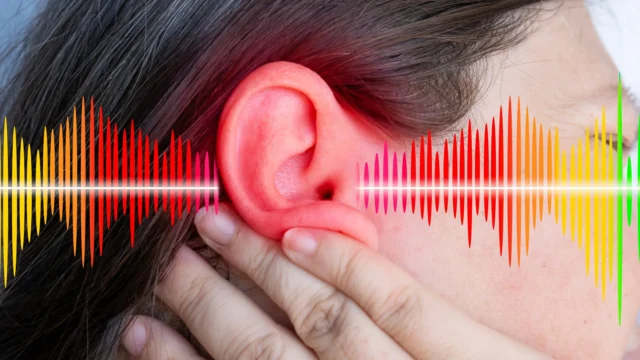
As the global population ages, the prevalence of hearing impairment is reaching unprecedented levels. According to current estimates from the World Health Organization (WHO), nearly 2.5 billion people worldwide will live with some degree of hearing loss by the year 2050. Currently, more than one in four individuals over the age of 60 suffer from disabling hearing loss. While often dismissed as an inevitable consequence of aging, the UNIGE study highlights that the stakes of untreated hearing loss extend far beyond auditory clarity; they involve the very preservation of memory and executive function.
The Methodology: Decades of Data from Across Europe
The study was a collaborative effort between the Lifespan Developmental Psychology Laboratory and the Cognitive Ageing Laboratory at the University of Geneva. To reach their conclusions, the researchers utilized the Survey of Health, Ageing and Retirement in Europe (SHARE), a massive multidisciplinary database launched in 2002. SHARE provides a comprehensive look at the lives of Europeans aged 50 and older, tracking health, socio-economic status, and social networks over several decades.
The UNIGE team filtered this database to focus on a sample of 33,000 participants representing 12 different countries, including Switzerland, Germany, France, and Italy. This diverse geographic reach ensured that the findings were not localized to a single cultural or healthcare environment but represented a broad European trend. Participants in the SHARE study are surveyed every two years, providing a longitudinal view of their aging process. The researchers analyzed data regarding daily activities, social connections, and subjective perceptions of loneliness, alongside standardized cognitive tests. These tests specifically measured episodic memory—the ability to recall specific events and experiences—which is often one of the first functions to decline in the early stages of cognitive impairment.
Defining the Profiles: Isolation vs. Loneliness
One of the most significant contributions of the UNIGE study is its nuanced distinction between objective social isolation and subjective loneliness. While the two terms are often used interchangeably in casual conversation, they represent different psychological states. Social isolation refers to a quantifiable lack of social contact or a small social network, whereas loneliness is the distressing feeling that one’s social needs are not being met by the quantity or quality of one’s relationships.
The research team identified three distinct profiles among the participants:
- Individuals who were socially isolated and reported high levels of loneliness.
- Individuals who were not socially isolated (maintained regular contact with friends or family) but still reported feeling lonely.
- Individuals who were neither isolated nor lonely.
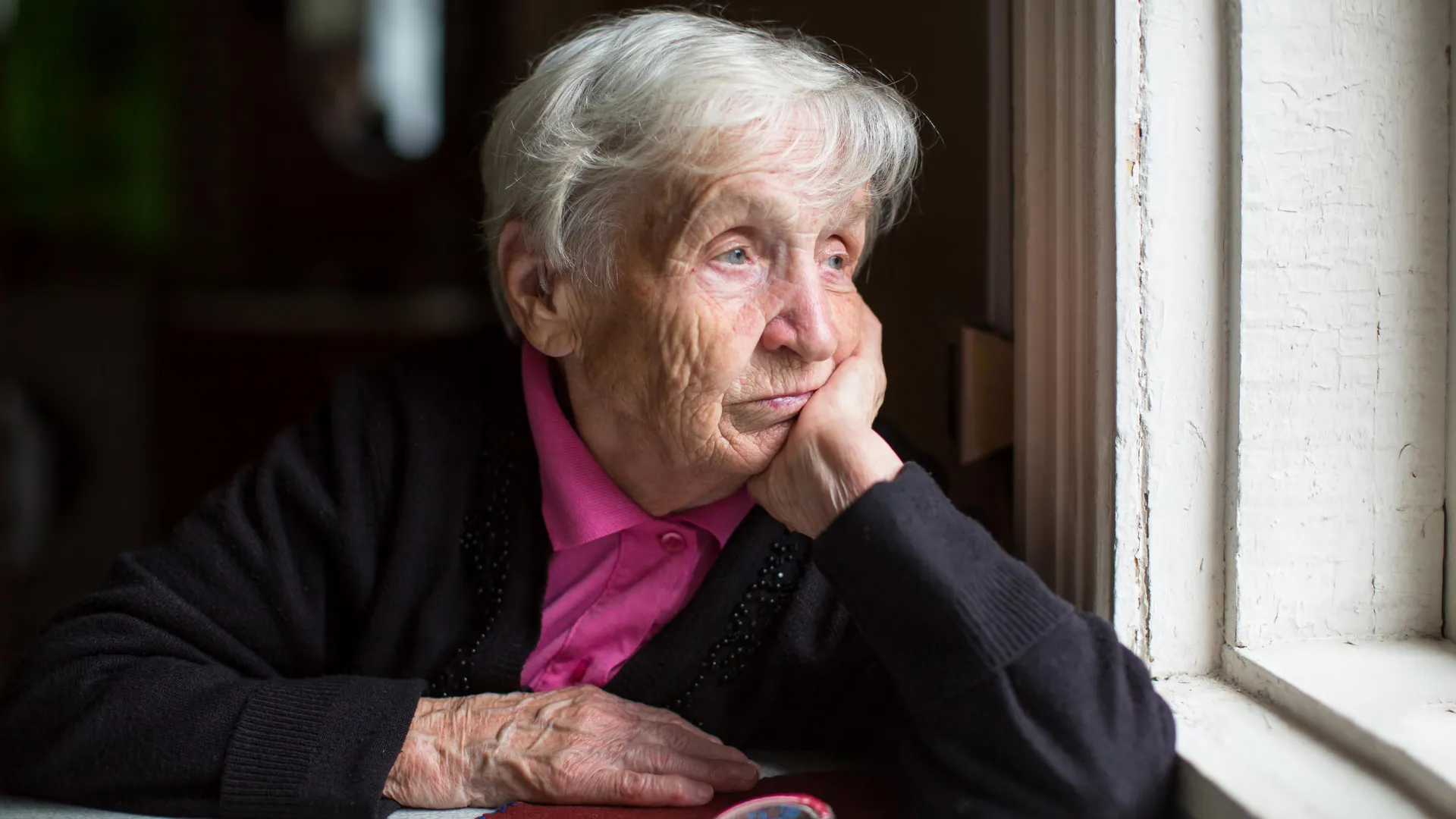
By categorizing participants this way, the researchers could isolate the specific variable that, when combined with hearing loss, accelerated memory decline. The results were striking: the acceleration of cognitive decline was most pronounced in individuals who felt lonely, regardless of whether they were objectively socially isolated. This suggests that the internal emotional state of the individual plays a more critical role in neuroprotection than the mere presence of other people.
The "Explosive Cocktail": How Hearing Loss and Loneliness Interact
The study describes the synergy between hearing loss and loneliness as an "explosive cocktail" for the brain. "We found that people who were not socially isolated but who felt lonely saw their cognitive decline accelerate when they were deaf," explained Matthias Kliegel, a professor in the Cognitive Ageing Laboratory at UNIGE and a co-author of the study.
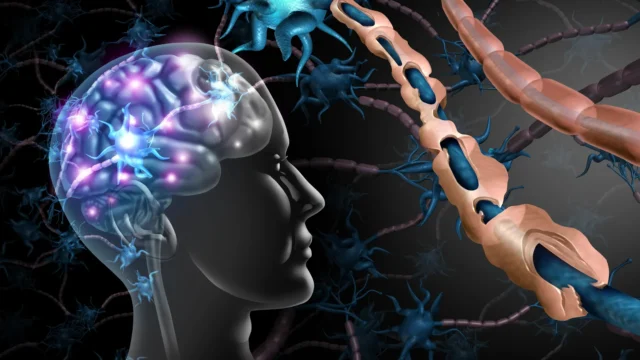
The biological and psychological mechanisms behind this are multifaceted. When an individual suffers from hearing loss, the brain must work harder to process auditory information—a phenomenon known as "cognitive load." This diverts neural resources away from other functions, such as memory and problem-solving. When this physiological strain is combined with the psychological stress of loneliness, the brain’s resilience is compromised. Loneliness is associated with increased levels of cortisol (the stress hormone) and systemic inflammation, both of which are known to damage the hippocampus, the brain’s primary memory center.
Furthermore, hearing loss often leads to social withdrawal. If an individual cannot follow a conversation at a dinner party or on a telephone call, they may stop attending social events. However, the study points out that even those who continue to attend social events (and thus are not "isolated") may still feel "lonely" because they cannot meaningfully engage with the people around them due to their hearing impairment. This creates a feedback loop of cognitive stagnation and emotional distress.
Contextualizing the Findings within Global Health Trends
The UNIGE study aligns with a growing body of international research emphasizing modifiable risk factors for dementia. The 2020 report by the Lancet Commission on dementia prevention, intervention, and care identified hearing loss as the single largest modifiable risk factor for dementia in midlife. According to the Commission, managing hearing loss could potentially prevent up to 8% of dementia cases globally.
The integration of loneliness into this equation adds a layer of complexity to public health policy. In many developed nations, "loneliness epidemics" have been declared, with countries like the United Kingdom and Japan appointing Ministers for Loneliness. The UNIGE findings suggest that these social initiatives must be linked with sensory health programs to be truly effective for the aging population.
Professional Reactions and Clinical Implications
The research team advocates for a shift in how hearing loss is managed in clinical settings. Traditionally, hearing aids have been viewed as tools for convenience or quality of life. However, Charikleia Lampraki, a postdoctoral researcher at the UNIGE Faculty of Psychology and first author of the study, argues that they should be viewed as essential neuroprotective devices.
"These individuals are already socially integrated, so it’s a matter of removing a sensory barrier in order to reinforce their engagement and protect their cognitive health," Lampraki noted. For individuals who are socially active but feel lonely due to their inability to communicate, the intervention of a hearing aid can be transformative. By restoring the ability to engage in nuanced social interaction, the device reduces both cognitive load and the emotional burden of loneliness.
Medical professionals suggest that hearing screenings should become as routine as blood pressure checks or cholesterol screenings for adults over the age of 50. Currently, there is a significant delay—often averaging seven to ten years—between the onset of hearing loss and the point at which an individual seeks help. During this decade, the brain may undergo irreversible changes due to lack of stimulation and increased social friction.
Economic and Societal Impact
The broader implications of this study also touch upon the economic burden of aging. Dementia is one of the most expensive conditions for healthcare systems worldwide, with costs related to long-term care, hospitalization, and loss of productivity for family caregivers. By identifying that loneliness and hearing loss together accelerate this decline, policymakers have a clear target for intervention that could potentially save billions in healthcare costs.
In Switzerland, where the study was based, the healthcare system is already bracing for the "silver tsunami" of aging baby boomers. Experts suggest that investing in subsidized hearing care and community-based programs to reduce loneliness could significantly delay the transition of many older adults into assisted living facilities.
Future Directions for Research
While the UNIGE study provides a robust data set, it also opens new avenues for inquiry. Future research may look into whether the type of hearing loss (e.g., age-related presbycusis versus noise-induced hearing loss) changes the cognitive outcome. Additionally, there is interest in whether digital social interactions—such as video calls or social media—provide the same neuroprotective benefits as in-person engagement for those with hearing impairment.
The team also plans to explore the effectiveness of specific psychological interventions. If loneliness is the key driver, can cognitive behavioral therapy (CBT) or mindfulness programs, when combined with hearing aids, slow down memory loss more effectively than hearing aids alone?
Conclusion: A Call for Integrated Preventive Care
The University of Geneva’s study serves as a stark reminder that the health of the mind is inextricably linked to the health of the senses and the heart. The "explosive" combination of hearing loss and loneliness creates a vulnerability that the aging brain struggles to overcome. However, the study also offers a message of hope: these are modifiable factors.
By prioritizing early hearing detection and fostering environments where older adults feel emotionally connected—not just physically present—society can take a proactive stance against cognitive decline. The findings in Communications Psychology represent a significant step forward in understanding the holistic nature of aging, proving that to protect the memory, we must first ensure that the individual can both hear the world and feel a part of it.