
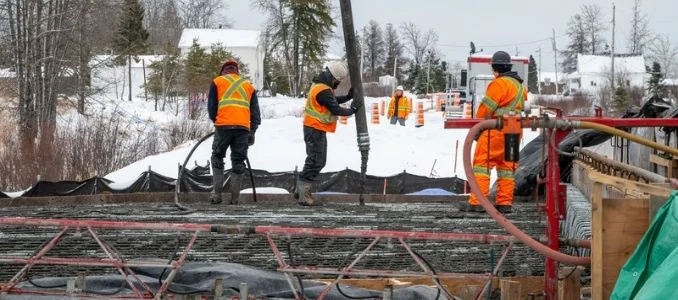
The guidance serves as a critical reminder that cold-related injuries and fatalities are not merely inevitable seasonal byproducts but are often preventable through structured risk management. Under the Occupational Safety and Health Act of 1970, employers are legally obligated to provide a workplace free from recognized hazards that are likely to cause death or serious physical harm. Even in the absence of a specific federal standard regarding cold-temperature limits, the “General Duty Clause” empowers OSHA to cite employers who fail to protect their staff from the severe physiological and environmental threats posed by winter conditions.
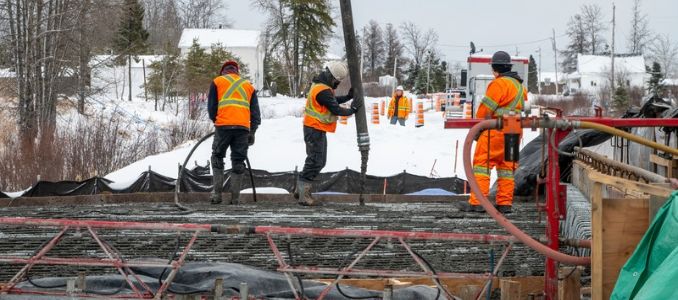
The Physiological Impact of Cold Stress
Cold stress occurs when the body can no longer maintain its normal internal temperature, leading to a cascade of medical emergencies. The most prevalent concerns include hypothermia, frostbite, trench foot, and chilblains. According to the National Institute for Occupational Safety and Health (NIOSH), these conditions are not limited to sub-zero temperatures; they can occur in relatively mild weather if the worker is wet, exposed to high winds, or physically exhausted.
Hypothermia, perhaps the most dangerous of these conditions, begins when body heat is lost faster than it can be generated. As the core temperature drops below 95°F, the heart, nervous system, and other organs cannot function normally. Left untreated, it can lead to complete failure of the heart and respiratory system. Frostbite, conversely, causes the freezing of skin and underlying tissues, often resulting in permanent damage to extremities such as fingers, toes, nose, and ears.
The medical community emphasizes that the onset of these conditions is often insidious. Workers may become confused or lose the ability to recognize their own symptoms, making the “buddy system” and consistent supervisory monitoring essential components of any safety program.

Strategic Operational Adjustments
To manage these risks, OSHA recommends a hierarchy of controls that prioritizes engineering and administrative interventions over personal protective equipment (PPE).
Engineering controls are among the most effective, as they remove the hazard from the environment entirely. Employers are encouraged to implement:
- Thermal Barriers: Installing windbreaks or portable shelters at construction sites can significantly reduce the “wind chill” effect, which drastically increases heat loss.
- Radiant Heating: Providing localized heat sources allows workers to warm their hands or core temperature periodically without leaving the job site.
- Tool Modification: Wrapping handles of heavy equipment in insulating materials can prevent “contact frostbite” from touching extremely cold metal surfaces.
Administrative controls, which dictate how work is performed, are equally vital. OSHA suggests that project managers transition from a “standard operation” mindset to a “weather-dependent” schedule. This involves rescheduling physically demanding or high-precision tasks to the warmest hours of the day—typically between 10:00 a.m. and 3:00 p.m.—and rotating workers frequently to prevent fatigue, which lowers the body’s ability to regulate temperature.

The Role of Personal Protective Equipment (PPE)
While administrative and engineering controls provide the foundation, PPE remains the final line of defense. The guidance emphasizes that “layering” is the most effective strategy for managing thermal regulation.
The layering system typically consists of three parts:
- Base Layer: A moisture-wicking fabric that keeps sweat away from the skin. Damp clothing is a primary conductor of heat away from the body, and synthetic or wool materials are far superior to cotton in this regard.
- Insulating Layer: Materials such as fleece or down that trap body heat.
- Outer Shell: A windproof and waterproof layer that protects against the elements while allowing moisture to escape.
Beyond clothing, employers must ensure that footwear is both insulated and provides sufficient traction. The Bureau of Labor Statistics (BLS) consistently reports that slips, trips, and falls remain a leading cause of workplace injury; these incidents spike during the winter months due to ice and snow accumulation. High-visibility gear must also be adapted to accommodate bulkier winter clothing to ensure that safety standards regarding site visibility are maintained despite the increased volume of clothing.

Chronology of Regulatory Guidance
The focus on winter safety is part of a broader, year-round effort by OSHA to address environmental stressors.
- Early 2000s: Initial guidance on cold stress was published as part of a general safety awareness campaign.
- 2015-2018: Increased emphasis was placed on the General Duty Clause as litigation highlighted the failure of employers to provide adequate break areas in extreme weather.
- 2020-Present: With the rise of the “gig economy” and increased infrastructure spending, OSHA has expanded its outreach to include digital-first training modules and localized weather-alert integration for project managers.
The current guidance reflects a maturation in how agencies view climate-related risks. As global weather patterns become more volatile, OSHA is increasingly shifting toward a proactive, “preparedness-first” model rather than relying solely on post-incident investigations.
Data and Industry Implications
The economic and human costs of winter-related workplace incidents are significant. While specific “cold stress” fatalities are often categorized under other occupational categories (such as slips/falls or equipment failure), the underlying cause is frequently the reduced dexterity and cognitive function caused by cold.

Data from the National Safety Council indicates that productivity decreases by as much as 20% when workers are exposed to extreme cold without adequate breaks. For construction firms, this represents a substantial financial drain, not only in terms of worker’s compensation claims but also in project delays and equipment maintenance issues caused by freezing temperatures.
Furthermore, the integration of technology into safety management is becoming a standard expectation. Many firms now utilize real-time weather monitoring software that provides automated alerts to site foremen when wind chill factors reach dangerous thresholds. This data-driven approach allows for dynamic risk assessment, moving away from rigid, calendar-based safety planning to a responsive, real-time model.
Challenges for Small and Medium Enterprises
While large-scale construction firms often have robust safety departments, small and medium-sized enterprises (SMEs) face distinct challenges. Limited budgets for specialized equipment and a higher pressure to meet project deadlines can create a culture where safety is sacrificed for speed.

Industry experts argue that the cost of compliance—providing heated break trailers or high-quality thermal gear—is significantly lower than the cost of a single safety incident. A lost-time injury can result in increased insurance premiums, regulatory fines, and the potential for project-wide work stoppages. Therefore, the OSHA guidance is intended to serve as a cost-saving tool as much as a safety mandate, encouraging firms to view the cost of winter preparedness as a necessary capital investment.
Conclusion: Moving Toward a Culture of Safety
The responsibility for winter safety does not rest solely on the shoulders of the employer; it is a shared imperative. Employers must provide the resources and the policies, but workers must be empowered to recognize the symptoms of cold stress and feel comfortable communicating when conditions become unsafe.
As winter weather patterns continue to present challenges to the American workforce, OSHA’s guidance remains the definitive roadmap for navigating the season. By integrating engineering controls, rigorous training, and a focus on the physiological needs of the worker, companies can ensure that the winter months remain a time of productivity rather than a period of increased hazard. Organizations looking for further resources can access the NIOSH Cold Stress portal, which provides comprehensive checklists and training aids tailored to various industries, ensuring that every worker—from the highway road crew to the rural utility technician—returns home safely at the end of every shift.