The 2026 theme—Designing, Developing, and Delivering Accessible Digital Services—reflects a maturing approach within the civil service. Moving beyond mere legal compliance, the initiative emphasizes the practical integration of accessibility into every stage of the digital lifecycle. This event brings together a coalition of government departments and arm’s-length bodies, providing a platform for specialists and non-specialists alike to share expertise, address common barriers, and foster a culture of inclusive design across the public sector.
Historical Context and the Evolution of Digital Standards
The establishment of Digital Accessibility Week stems from a decade of evolving standards and legal requirements. In 2018, the Public Sector Bodies (Websites and Mobile Applications) (No. 2) Accessibility Regulations were introduced, mandating that all public sector digital platforms meet specific accessibility standards—primarily the Web Content Accessibility Guidelines (WCAG) 2.1 Level AA. Since then, the Government Digital Service (GDS) has spearheaded the effort to ensure that the millions of citizens who rely on government services can do so regardless of their physical or cognitive abilities.
By 2026, the landscape has shifted further with the introduction of WCAG 2.2 and the anticipation surrounding WCAG 3.0. Digital Accessibility Week 2026 represents a critical junction where these new standards are translated from technical documentation into operational reality. The event is designed to bridge the gap between policy and practice, ensuring that the 16 million people in the UK living with a disability—roughly 24% of the population—are not excluded from essential services such as healthcare, taxation, and social security.
Chronological Overview of Events and Programming
The four-day schedule is structured to provide a comprehensive journey through the various facets of digital inclusion, starting with foundational concepts and progressing toward specialized technical applications.
Monday, 18 May: Foundations and Future Standards
The week commences with a focus on core principles and the evolving regulatory environment. The Home Office will lead an "Introduction to Accessibility" from 10:00 am to 1:00 pm. This non-technical primer is designed for a broad audience, explaining the ethical and legal imperatives behind inclusive design.
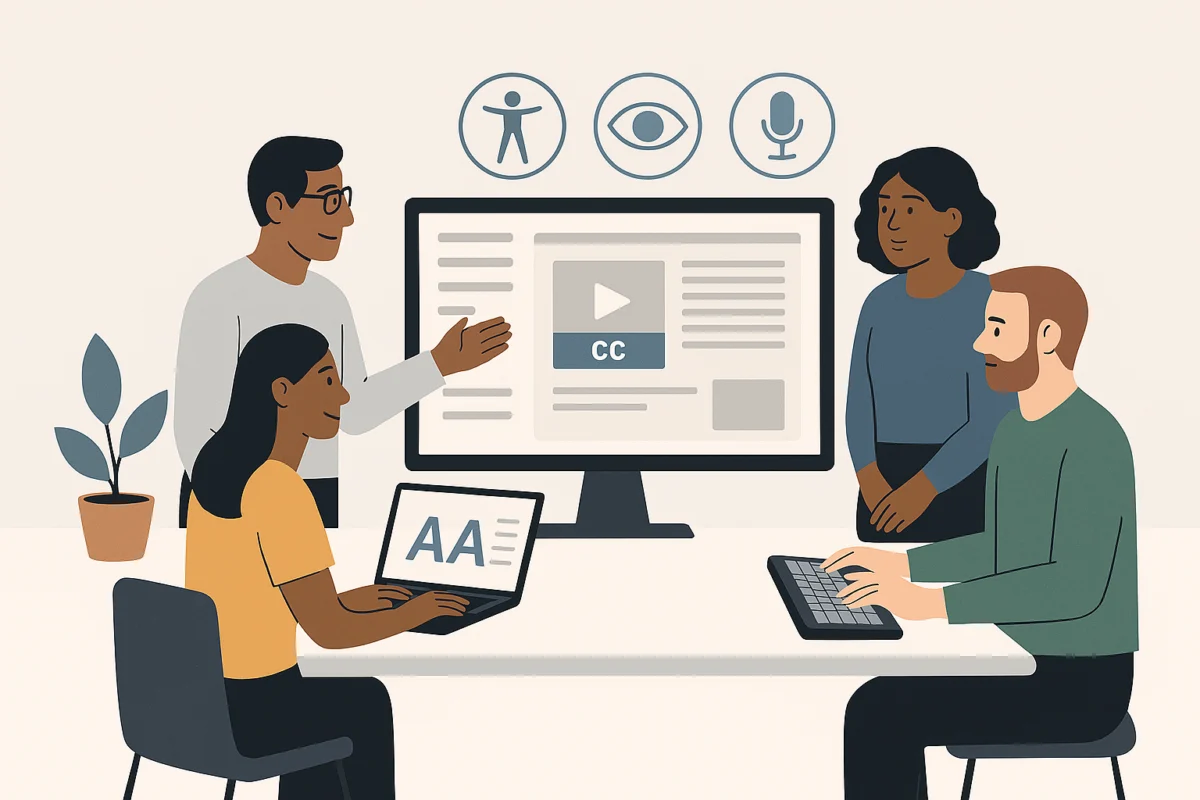
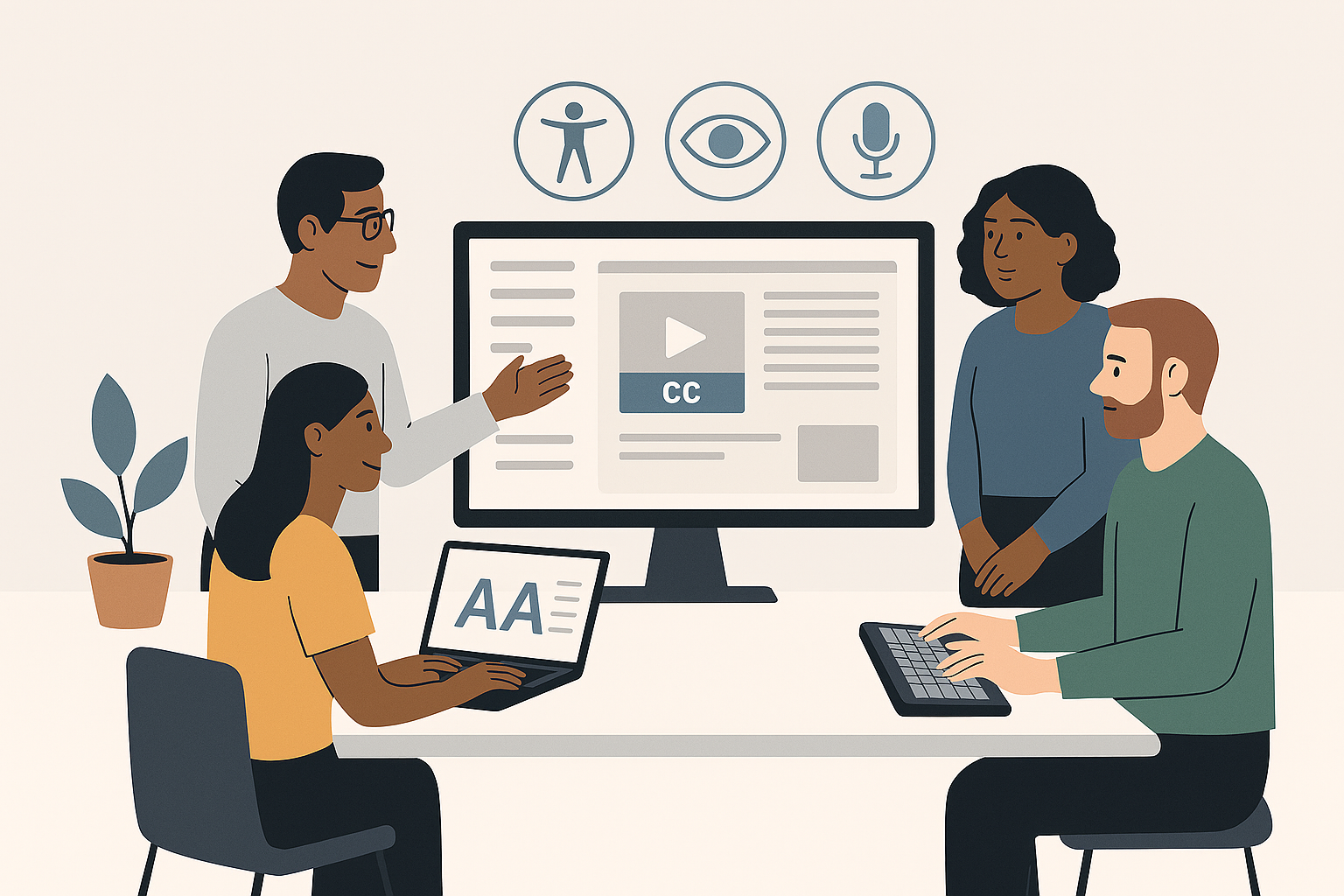
In the afternoon, the Department for Work and Pensions (DWP) will host a session on assistive software, providing an overview of the tools that many citizens use to navigate the web. This includes screen readers for the visually impaired, screen magnifiers for those with low vision, and voice control software for users with motor impairments. Understanding these tools is essential for developers and content designers to ensure their products are compatible with the hardware and software utilized by disabled users.
The day concludes with a forward-looking session by the Government Digital Service (GDS) regarding WCAG 3.0. As the "Silver" standard of web accessibility, WCAG 3.0 represents a significant departure from previous iterations, focusing more on user-centered outcomes rather than rigid technical checklists.
Tuesday, 19 May: Inclusive Design and User Psychology
Tuesday’s programming shifts toward the user experience (UX) and the psychological aspects of accessibility. A dual-track morning begins with a DWP-led session on HTML and accessibility, specifically aimed at non-coders to explain how the underlying structure of a webpage dictates its accessibility. Simultaneously, HM Revenue and Customs (HMRC) will present a session on designing for autistic users. This session highlights cognitive accessibility—an area often overshadowed by physical disabilities—focusing on how clear layouts and predictable navigation benefit all users, not just those on the spectrum.
Midday sessions include a Ministry of Justice (MoJ) exploration of "accessible innovation," arguing that designing for extreme needs often leads to better products for the general population. HMRC will follow with a session on inclusive user research, emphasizing that services cannot be deemed "accessible" unless they have been tested by individuals with lived experience of disability.
The afternoon concludes with a collaborative session between HMRC and Ofcom regarding digital media literacy and the social factors that contribute to digital exclusion. The Student Loans Company (SLC) will also provide a beginner-friendly workshop on automated testing tools, such as WAVE, and manual keyboard testing techniques.
Wednesday, 20 May: Specialized Access and Practical Navigation
Wednesday explores the intersection of accessibility with specific sectors and technologies. HMRC and Lloyds Bank will co-host a session on inclusive banking, demonstrating how the private and public sectors can learn from one another to empower families and individuals through accessible financial tools.
One of the more unique sessions of the week, hosted by the Department for Environment, Food & Rural Affairs (Defra), looks at "Accessibility in Gaming." By analyzing how the gaming industry overcomes barriers for blind or motor-impaired players, digital designers can find innovative solutions for traditional web services.
Practicality remains a focus in the afternoon, with HMRC offering a deep dive into service testing, while the DWP presents an analysis of the "Top Five" common WCAG failures. This data-driven approach allows teams to prioritize fixes for the most frequent barriers. Companies House will also lead an interactive session on keyboard navigation, challenging participants to navigate digital services without the use of a mouse—a vital exercise for understanding the barriers faced by many users.
Thursday, 21 May: Implementation, Regulation, and Professional Growth
The final day focuses on the administrative and professional frameworks that sustain accessibility. The DWP will provide practical training on creating accessible PowerPoint templates, addressing the accessibility of internal government communications and documents.
HMRC will lead a discussion on the "magic" of accessibility regulations, explaining the enforcement mechanisms of WCAG 2.2 and how to advocate for accessibility within large organizations. This is followed by a session from the Department for Education (DfE) and the SLC on the role of accessibility assessors in formal service assessments.
The week concludes with a personal look at professional development within the field. A DfE-led session will detail the journey of a Digital Accessibility Specialist apprentice, highlighting the growing career paths available in this niche but essential field.
Supporting Data and the Cost of Exclusion
The necessity of Digital Accessibility Week 2026 is underscored by stark data regarding digital exclusion. According to the WebAIM Million report—an annual accessibility analysis of the top one million homepages—95.9% of homepages had detectable WCAG 2 failures in recent years. The most common issues include low-contrast text (81%), missing alternative text for images (54.5%), and empty links (44.6%).
In the UK, the "Click-Away Pound" survey has previously estimated that businesses lose billions of pounds annually because disabled consumers abandon websites that are difficult to use. In the public sector, the cost is not just financial; it is measured in the erosion of civil rights and the inability of citizens to access healthcare or education. Research from the Office for National Statistics (ONS) has consistently shown that disabled adults are more likely to be "digitally excluded" than non-disabled adults, a gap that Digital Accessibility Week aims to close through better service design.
Official Responses and Strategic Implications
Government leaders and accessibility advocates have noted that the 2026 event marks a shift toward "inclusive by default." While previous years focused on remediating existing errors, the current strategy emphasizes "shifting left"—incorporating accessibility at the very beginning of the design process.
Representatives from the Government Digital Service have indicated that the focus on WCAG 3.0 and cognitive accessibility is a response to the increasing complexity of digital interactions. As AI-driven interfaces and voice-activated services become more common in government, the standards for accessibility must evolve to ensure these technologies do not create new digital divides.
The involvement of departments like the MoJ and HMRC demonstrates that accessibility is no longer seen as a purely technical concern for IT departments. It is now viewed as a core component of service policy and legal risk management. By training staff across all levels, from policy writers to senior management, the UK public sector aims to create a sustainable ecosystem of inclusion.
Broader Impact and Global Alignment
The alignment of Digital Accessibility Week with Global Accessibility Awareness Day places the UK at the forefront of international efforts in digital inclusion. As governments worldwide look to digitize their services, the UK’s cross-departmental model serves as a blueprint for how large-scale bureaucracies can coordinate to solve complex social and technical problems.
The long-term impact of the 2026 initiative is expected to be seen in higher pass rates for service assessments and a reduction in the number of accessibility-related complaints from the public. Furthermore, by fostering a new generation of accessibility specialists through apprenticeships and continuous professional development, the government is ensuring that these skills remain embedded in the civil service for years to come.
Digital Accessibility Week 2026 is more than a series of webinars; it is a declaration of intent. It reaffirms the principle that in a modern democracy, digital access is a fundamental right. As the week concludes on GAAD, the goal is for every participant to return to their role with not just new knowledge, but a renewed commitment to building a digital world that leaves no one behind.