A Critical Transition for the NAD
The search for a new CEO comes at a time when the NAD is navigating significant shifts in educational policy, communication technology, and disability rights legislation. As the primary advocacy body representing millions of Americans, the NAD requires a leader who can effectively lobby federal legislators while maintaining deep roots within the diverse cultural fabric of the deaf community. The Board of Directors initiated this search with the understanding that the incoming CEO would not merely be an administrator, but a public face for the movement, responsible for steering the organization’s strategic vision for the next decade.
The selection process has been marked by transparency and a commitment to inclusivity. The Board sought candidates who demonstrate a profound understanding of American Sign Language (ASL), the nuances of deaf culture, and the systemic barriers that continue to impede full accessibility in public spaces, healthcare, and employment. By introducing these finalists to the community via a virtual town hall format, the NAD aims to ensure that its membership feels represented in the decision-making process, fostering institutional trust during a period of transition.
Chronology of the Selection Process
The path to this stage began several months ago, following the Board’s decision to prioritize a comprehensive, national search. The timeline was structured to ensure both due diligence and adequate time for community engagement.
- Initial Outreach (Late 2025): The NAD Board established a Search Committee tasked with drafting the leadership profile, defining the core competencies required for the role, and identifying executive recruitment partners.
- Application Review (January – February 2026): A diverse pool of candidates, ranging from academic leaders to veteran non-profit executives, submitted their applications. The committee conducted preliminary interviews to assess alignment with the organization’s mission.
- Shortlisting (March 2026): The field was narrowed down through multiple rounds of intensive vetting, including background checks, stakeholder interviews, and scenario-based performance assessments.
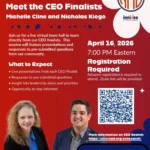
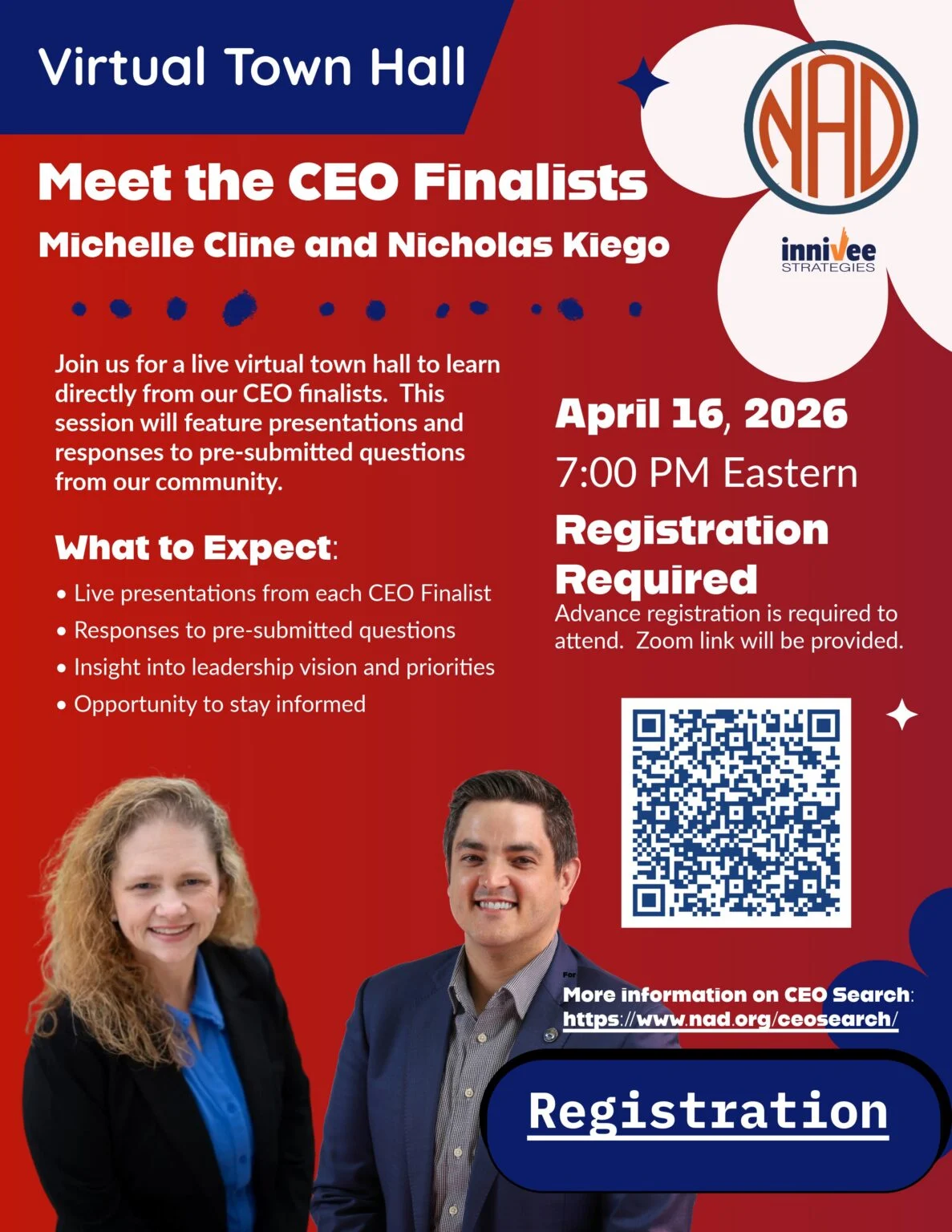
- Announcement of Finalists (April 10, 2026): The NAD officially announced Michelle Cline and Nicholas Kegio as the two candidates moving forward to the final stage of the selection process.
- Virtual Town Hall (April 16, 2026): The community-facing event allowed both candidates to present their visions, address pre-submitted questions, and engage with the membership’s core concerns.
The Finalists: Background and Profiles
The two finalists, Michelle Cline and Nicholas Kegio, both bring substantial professional credentials to the table. While their specific resumes remain private to protect their professional standing during the final stages, the NAD has characterized both as leaders with a deep commitment to the empowerment of the deaf and hard-of-hearing community.
Michelle Cline’s background is noted for its focus on organizational development and advocacy, with a track record of implementing inclusive policies in large-scale settings. Her supporters emphasize her ability to synthesize complex legislative issues into actionable grassroots campaigns. Nicholas Kegio, conversely, has been recognized for his expertise in technological accessibility and community outreach. His work has frequently highlighted the intersectionality of disability rights, focusing on how emerging digital platforms can be better adapted for ASL users.
During the April 16th Virtual Town Hall, both candidates were tasked with articulating how they would address the NAD’s current strategic priorities. These include expanding the reach of the NAD’s legal advocacy efforts, increasing financial sustainability through diverse funding streams, and strengthening the organization’s relationships with state-level associations.
Strategic Implications for the Organization
The appointment of a new CEO is expected to have far-reaching implications for the NAD’s policy agenda. Current data suggests that the organization is at a crossroads regarding the digitization of advocacy. With the rise of artificial intelligence and automated captioning, the NAD faces the challenge of protecting the integrity of human-led sign language interpretation while embracing technological efficiencies.
According to industry analysts, the next CEO will need to balance these competing interests. The NAD has consistently lobbied for higher standards in Video Relay Services (VRS) and greater enforcement of the Americans with Disabilities Act (ADA) in the digital sphere. The chosen candidate will likely be expected to maintain this aggressive stance, particularly as courts and federal agencies continue to grapple with the definition of "effective communication" in an increasingly virtual world.
Furthermore, the financial health of the organization remains a top priority. As a non-profit, the NAD relies on a combination of grants, private donations, and membership dues. The new CEO will need to demonstrate fiscal acumen, perhaps by expanding the organization’s corporate partnerships or launching new awareness campaigns that resonate with a younger generation of activists.
Community Engagement and Transparency
The decision to host a virtual town hall underscores the NAD’s commitment to democratic participation. In the past, executive searches were often handled exclusively by boards behind closed doors. By contrast, the 2026 process has invited the membership into the conversation.
The inclusion of pre-submitted questions allowed the Board to gauge the pulse of the community on issues such as:
- Educational Equity: How can the NAD better support students in mainstream schools who lack access to qualified interpreters?
- Cultural Preservation: What steps will be taken to ensure that the unique linguistic heritage of the deaf community is protected?
- Leadership Diversity: How does the organization plan to ensure its leadership reflects the racial and ethnic diversity of the broader deaf population?
The feedback gathered during the forum is being compiled by the Search Committee, which will present a final summary to the Board of Directors. While the Board holds the ultimate authority to make the hiring decision, they have signaled that the community’s input will be a heavily weighted factor in their final evaluation of the finalists.
Broader Impact on the Disability Rights Movement
The selection of the new CEO is not just an internal matter for the NAD; it is a significant event for the wider disability rights movement. The NAD often acts as a bellwether for other disability-focused organizations. When the NAD moves, other entities look for cues on how to structure their own advocacy and internal policies.
Should the new leadership focus on a more confrontational approach toward federal agencies, we may see a rise in litigation regarding accessibility in public transportation and broadcast media. If, however, the new leadership prioritizes collaborative policy-making, the NAD might shift toward a more diplomatic approach, focusing on long-term legislative partnerships in Congress.
The urgency of this transition is amplified by the current political climate, which has seen fluctuating support for disability rights protections. The new CEO will need to be a skilled orator and a shrewd political operator capable of navigating partisan divides to ensure that the rights of the deaf community remain a bipartisan priority.
Next Steps and Conclusion
As the NAD moves toward the conclusion of this process, the focus remains on ensuring a smooth leadership transition. The current board and interim management team have expressed confidence that both finalists possess the necessary qualities to lead the organization into its next chapter.
Following the analysis of the town hall feedback and final interviews, the Board of Directors is expected to convene for a final selection vote. A formal announcement regarding the new CEO is anticipated in the coming weeks. For those wishing to follow the progress of the search, the NAD continues to provide updates via their dedicated portal at https://www.nad.org/ceosearch/.
This search serves as a reminder that the health of an organization is fundamentally tied to its leadership. By facilitating a transparent, community-involved selection process, the National Association of the Deaf is positioning itself to not only survive the upcoming transition but to emerge with a renewed sense of purpose and a clear strategic vision for the future of deaf advocacy in America. The stakes remain high, but the commitment to finding the right fit suggests that the organization is taking the necessary steps to safeguard its mission for years to come.