A Complex Medical Landscape: The Intersection of Hearing Loss and Rare Variants
Jack’s diagnosis was not limited to hearing loss. He was also born with a rare chromosomal variant known as EFTUD2, or mandibulofacial dysostosis with microcephaly (MFDM). This condition, which involves craniofacial abnormalities and microcephaly, frequently presents with hearing impairment. The intersection of these challenges creates a multifaceted developmental profile that requires a highly individualized approach to care.
According to data from the National Institute on Deafness and Other Communication Disorders (NIDCD), approximately two to three out of every 1,000 children in the United States are born with a detectable level of hearing loss in one or both ears. When compounded by syndromes like MFDM, the complexity of management increases significantly. For the Krenn family, the early stages involved managing a precarious balance of audiometric testing, surgical interventions, and the administrative burden of navigating state services. The initial prognosis for Jack indicated a moderate-to-severe mixed hearing loss, which necessitated the use of amplification technology. As medical imaging and diagnostic capabilities have advanced, subsequent evaluations refined this diagnosis to a unilateral conductive hearing loss, allowing for more targeted intervention.
The Critical Window: The Science of Early Intervention
The developmental trajectory of children with hearing loss is heavily influenced by the timing of intervention. Research consistently demonstrates that children who receive comprehensive intervention services before the age of six months show significantly better speech and language outcomes than those identified later. This "critical window" is when the brain’s neuroplasticity is at its peak, making it the most effective time to introduce auditory technology and language-rich environments.
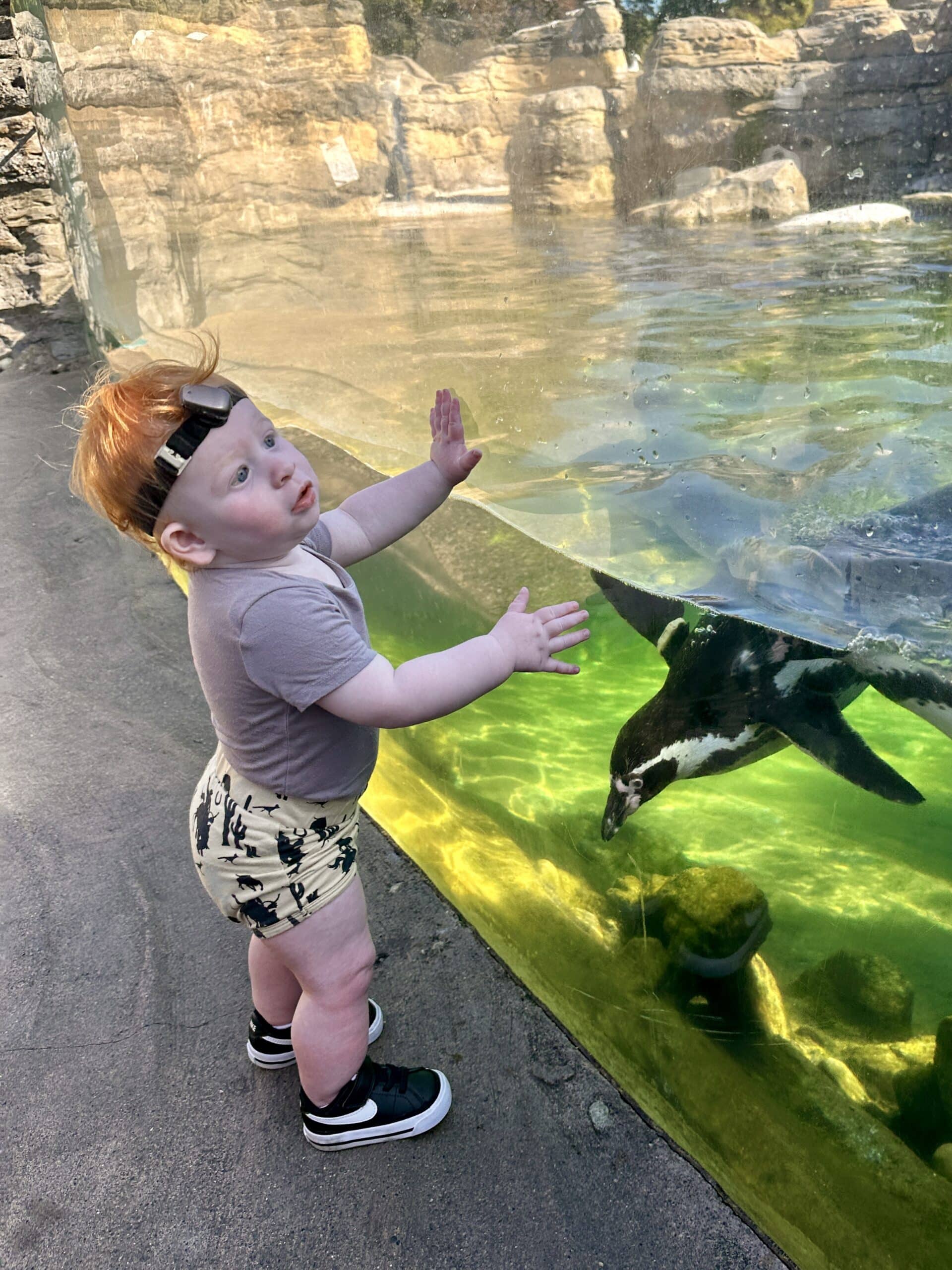
Listen and Talk, a specialized program focused on auditory-verbal therapy, serves as a bridge for families during this period. For the Krenn family, the partnership with their speech-language pathologist (SLP) proved to be the cornerstone of Jack’s progress. The role of the SLP in these environments extends far beyond clinical instruction; they act as educational advocates, family counselors, and facilitators of community connection. In the case of Jack’s therapy, the support included professional outreach to the family’s social and professional circles, ensuring that Jack’s environment was optimized for his specific auditory needs.
Navigating Dual Challenges: Apraxia and Auditory Processing
While managing his hearing loss, Jack also faced a diagnosis of childhood apraxia of speech (CAS). CAS is a neurological motor speech disorder that makes it difficult for a child to accurately make the movements required for speech. For a child with both hearing impairment and a motor planning disorder, the act of communication requires an immense cognitive load.
The implications of this dual challenge are significant. While the hearing aid provides access to sound, the apraxia impacts the ability to translate those sounds into consistent, intelligible speech. The success observed in Jack’s case underscores the necessity of a multidisciplinary approach in preschool education. By integrating traditional speech therapy with a classroom environment that emphasizes language immersion and visual communication strategies, educators can help mitigate the frustration often associated with speech-motor delays.
The Shift to Inclusion: The Role of Specialized Preschool Programs
As Jack transitioned into a blended preschool classroom, the focus shifted from foundational therapy to social and cognitive integration. Modern early childhood programs for the deaf and hard of hearing emphasize the "blended model," where students with varying levels of hearing capability learn alongside one another. This approach fosters a naturalistic environment that encourages peer-to-peer learning and reduces the stigma associated with wearing hearing technology.
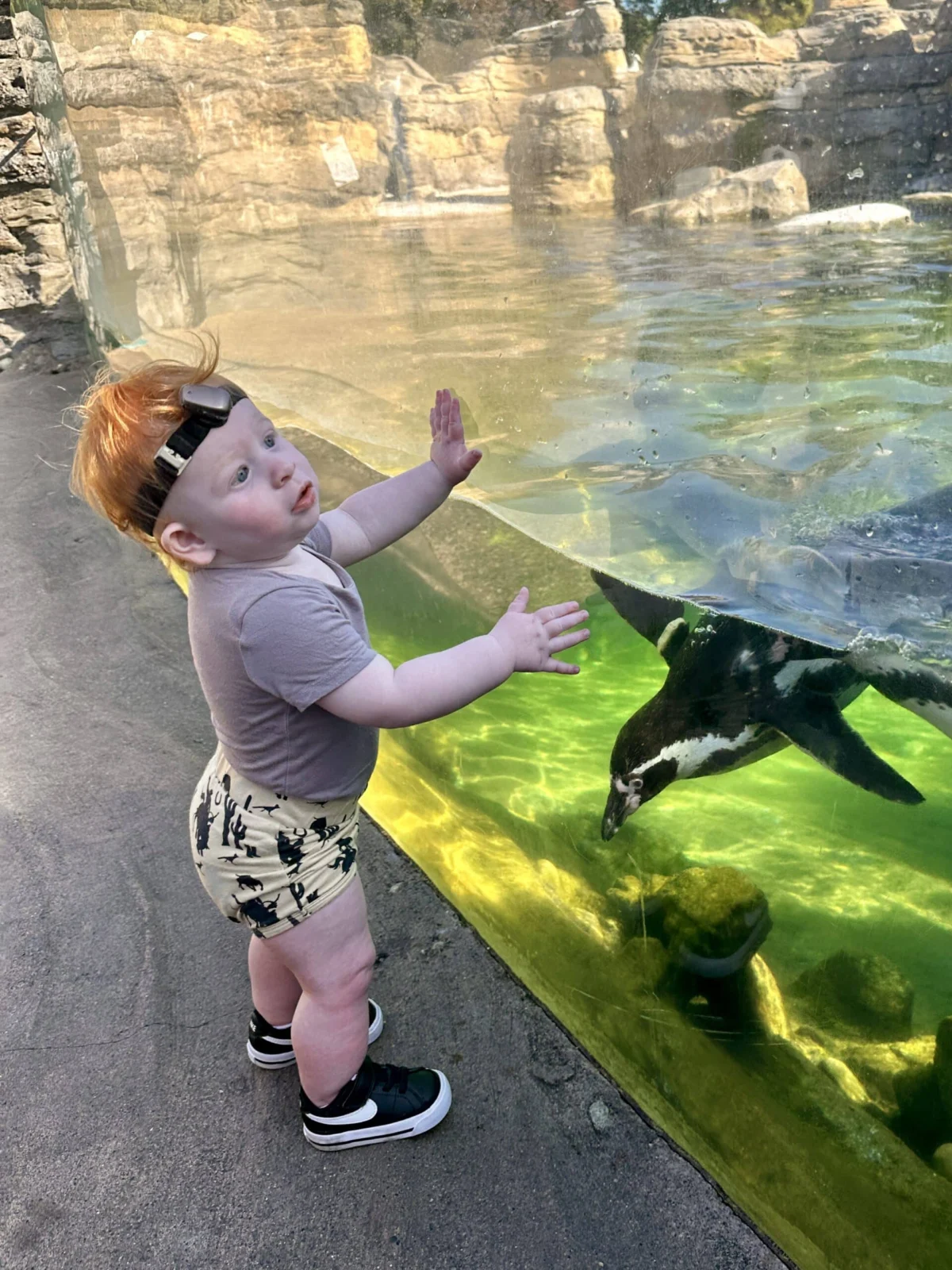
Data from educational institutions focused on pediatric hearing loss suggest that children in inclusive, specialized preschool environments demonstrate higher levels of social-emotional confidence. For Jack, this manifested as a shift in his relationship with his hearing technology. Initially opting for "discreet" beige devices, he—like many children in supportive environments—eventually embraced his hearing aids as a part of his identity, transitioning to more expressive, personalized accessories. This transition is a hallmark of the psychological growth fostered by long-term early intervention.

Economic and Social Impact of Early Intervention
The broader implications of funding for organizations like Listen and Talk extend to the long-term economic independence and social participation of individuals with hearing loss. Early intervention is widely considered a cost-effective public health strategy. By investing in the early years of a child’s life, society reduces the long-term reliance on remedial special education services and increases the likelihood of future academic and professional success.
The Alumni Family Giving Campaign, which supports the continued operation of these services, represents a cyclical model of support. Families who have moved through the program return to ensure that the same resources remain available for new families who are currently standing where they once stood: holding a daunting handbook, trying to understand the nuances of hearing technology, and seeking a roadmap for their child’s future.
Looking Toward a Future Without Limits
The story of the Krenn family serves as a case study for the evolving standards of care in pediatric audiology and speech therapy. The transition from fear-based decision-making to informed, confident advocacy is a process that requires a robust support network. As the medical community continues to refine the understanding of genetic variants like EFTUD2, the importance of adaptable, responsive educational programs becomes even more pronounced.
The overarching goal of organizations providing these services is encapsulated in the vision that "no child is limited by hearing loss." This vision is achieved through the combination of advanced technology, such as over-the-ear hearing aids and diagnostic tools, and the human element of compassionate, expert guidance. As Jack continues his development, his trajectory serves as a testament to the fact that while hearing loss presents unique challenges, those challenges are not insurmountable when met with timely, professional, and community-based intervention.
The success of these programs relies heavily on ongoing philanthropic support. For families navigating the initial stages of a hearing loss diagnosis, the existence of a established support system provides not just the technical tools for hearing, but the emotional foundation to advocate for their child’s potential. As the landscape of pediatric care continues to evolve, the focus remains clear: providing the resources necessary to ensure that every child, regardless of their starting point, has the opportunity to develop, communicate, and succeed in a world that is becoming increasingly accessible.