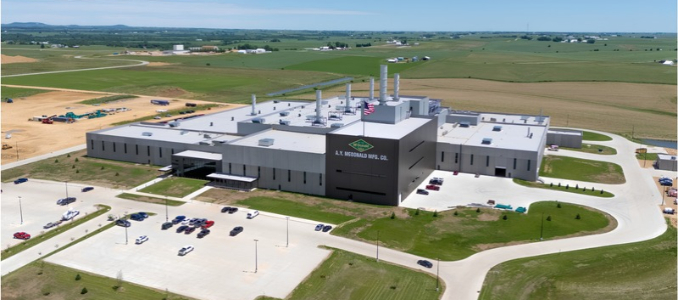
Project Context and Scope
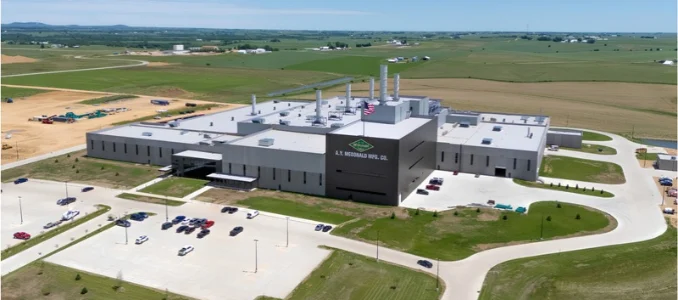
The A.Y. McDonald Brass Foundry project represented a significant undertaking, requiring a delicate balance of precision engineering and heavy industrial construction. Located in a rural setting, the site required the coordination of diverse labor forces, ranging from specialized heavy equipment operators to skilled tradespeople focused on intricate internal systems. Given the nature of foundry operations—which involve extreme temperatures, molten materials, and heavy machinery—the construction phase presented a unique set of hazards that could have easily led to catastrophic failures if not managed with rigorous oversight.
Russell Construction, an Iowa-based firm with a track record of industrial development, recognized early on that the scale of the Dickeyville project necessitated a departure from standard, reactive safety protocols. Having previously utilized the Iowa equivalent of the On-Site Consultation program, the firm’s leadership sought to replicate that success in Wisconsin. This decision was rooted in the understanding that large-scale construction sites are inherently dynamic; as the building envelope closes and mechanical systems are installed, the risk profile shifts, requiring constant vigilance and expert, objective assessment.

The Mechanism of On-Site Consultation
The OSHA On-Site Consultation Program is a voluntary service provided to small and medium-sized employers, though its impact is felt throughout the construction industry when major contractors engage with it. The core tenet of the program is its separation from OSHA’s enforcement branch. By removing the threat of punitive action, the program encourages employers to be transparent about their safety challenges.
During the A.Y. McDonald project, WisCon consultants conducted regular, scheduled site audits. These were not mere walkthroughs; they were structured evaluations designed to identify physical and programmatic hazards. The consultants provided an "outsider’s eye," which proved invaluable for a project team that might otherwise have become desensitized to the daily risks of the job site. This periodic auditing helped the project management team maintain accountability across various tiers of subcontractors, ensuring that as new crews arrived to handle specific phases—such as electrical work, HVAC installation, or specialized piping—they adhered to the high safety standards established at the project’s inception.

Chronology of Safety Implementation
The integration of WisCon began during the pre-construction planning phase, where the primary focus was on site logistics and risk mitigation.
- Initial Planning Phase: Russell Construction initiated contact with WisCon to discuss the specific dangers associated with foundry construction, such as fall hazards, high-voltage electrical installations, and heavy material handling.
- Early Construction Phase: As excavation and foundation work commenced, consultants visited the site to verify that soil stability and heavy equipment operations met OSHA standards.
- Mid-Project Expansion: As the structural steel rose and internal systems were installed, the frequency of audits increased to monitor the interface between different trades. This was the period where the program’s ability to "keep accountability clear" became most apparent, as dozens of subcontractors worked in close proximity.
- Final Commissioning: In the final stages, the focus shifted to ensuring that the permanent safety systems within the foundry were properly integrated with the construction site’s temporary safety measures, facilitating a seamless transition to the building’s operational life.
Data-Driven Safety and Industry Implications
The construction industry remains one of the most hazardous sectors in the United States. According to the Bureau of Labor Statistics (BLS), private industry construction sites consistently report some of the highest rates of workplace injuries and fatalities. The "Fatal Four"—falls, struck-by objects, caught-in/between, and electrocutions—account for the vast majority of construction-related deaths.

By employing a consultative approach, firms like Russell Construction are actively working to move the needle on these statistics. The effectiveness of the On-Site Consultation program is backed by data; participating employers often see a measurable reduction in injury and illness rates compared to industry peers. Furthermore, the program helps employers manage workers’ compensation costs and minimizes the potential for project delays caused by OSHA investigations or site shutdowns.
The economic implications for the project owners are equally significant. A $150 million project is subject to extreme financial pressure regarding timelines. Every day lost to a safety incident or an enforcement action can cost tens of thousands of dollars in liquidated damages and lost productivity. Therefore, the "no-cost" nature of the consultation program provides an immense return on investment by ensuring that productivity is not hampered by avoidable safety lapses.

Official Responses and Best Practices
While specific statements from the site crews are not publicly documented, the collaboration is widely regarded by industry safety professionals as a gold standard for industrial construction management. The success of the A.Y. McDonald project highlights a fundamental shift in how contractors should view OSHA. Rather than an entity to be feared, the agency—through its consultation arm—is being leveraged as a strategic partner in operational excellence.
For firms looking to replicate this success, the following best practices have been identified:

- Early Engagement: Do not wait for an accident to occur. Bringing in consultants during the blueprint stage allows for the design of a safer workspace.
- Cultural Buy-in: Safety must be a top-down priority. Russell Construction’s leadership ensured that subcontractors understood the importance of the WisCon visits, framing them as a resource rather than a hurdle.
- Routine Auditing: Hazards are transient. Regular audits allow for the identification of risks that arise due to changing weather conditions, material deliveries, and the influx of new personnel.
- Transparent Communication: The findings of the consultants must be shared with the relevant stakeholders immediately to ensure corrective actions are taken before work continues.
Broader Impact on Occupational Health
The A.Y. McDonald Brass Foundry project serves as a beacon for what is possible in the modern industrial landscape. As technology in manufacturing and construction becomes more sophisticated, the risks to human life often become more subtle. The transition from simple physical hazards to complex systems-based risks requires a higher level of expertise in safety management.
By providing this service in all 50 states and various territories, OSHA ensures that even firms operating in remote areas or under tight budgets can access world-class safety guidance. The program effectively democratizes safety, ensuring that the size of a contractor’s firm does not dictate the quality of protection afforded to its workers.

As the industry moves toward an era of increased automation and more complex project requirements, the model established in Dickeyville will likely become more common. The integration of public-sector expertise into private-sector construction projects creates a synergy that protects the workforce, enhances project reliability, and sets a standard for excellence that the rest of the industry would be wise to emulate. Ultimately, the success of the A.Y. McDonald build is a testament to the fact that when safety is treated as a core component of the business plan, rather than an afterthought, everyone involved—from the laborer on the ground to the project owner—reaps the benefits.