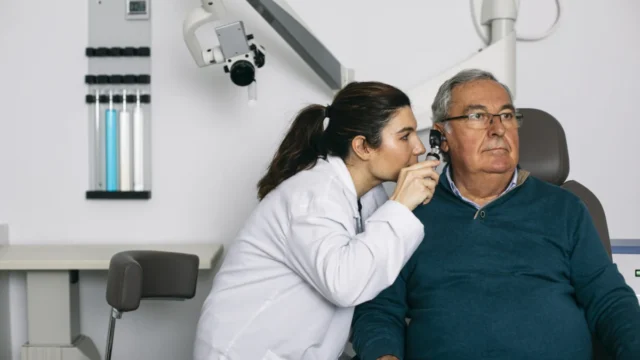


The distinction between cochlear and retrocochlear hearing loss is critical for accurate diagnosis and effective treatment. Cochlear hearing loss stems from damage or dysfunction within the cochlea, the snail-shaped organ in the inner ear responsible for converting sound vibrations into electrical signals. This can be caused by factors such as aging (presbycusis), exposure to loud noise, certain medications, or genetic predispositions. In contrast, retrocochlear hearing loss signifies an issue occurring after the electrical signals have been generated by the cochlea. The problem lies in the transmission of these signals along the auditory nerve (also known as the vestibulocochlear nerve) or in the initial processing stages within the brainstem.
This distinction has significant implications. While cochlear hearing loss often leads to a general reduction in sound volume and clarity, retrocochlear hearing loss can manifest in more complex ways, frequently involving difficulties with speech comprehension, even when sounds are perceived as loud enough. This nuanced presentation underscores the importance of comprehensive audiological evaluations that go beyond standard pure-tone audiometry.
Unraveling the Symptoms and Their Impact
Individuals experiencing retrocochlear hearing loss may encounter a range of symptoms, often varying in intensity and presentation. A common indicator is unilateral hearing loss, where the impairment is primarily in one ear, or asymmetric hearing loss, where one ear is significantly more affected than the other. This stark difference between ears can be a significant warning sign.

Beyond a noticeable drop in hearing ability, many individuals report a disproportionate difficulty in understanding speech, particularly in noisy environments. This symptom is a hallmark of retrocochlear issues, as the auditory nerve or brainstem pathways struggle to process the intricate details of spoken language. Words might sound muffled or distorted, leading to frustration and social isolation. Some individuals describe a sensation where sounds are perceived as loud, but the meaning of words remains elusive.
Other potential symptoms include tinnitus, a persistent ringing or buzzing in the ears, which can be a consequence of nerve irritation or damage. Dizziness and balance problems can also arise, as the vestibulocochlear nerve also plays a crucial role in maintaining equilibrium. In some cases, neurological signs such as facial numbness or weakness might be present, particularly if a growth on the auditory nerve is the underlying cause.
The impact of these symptoms extends far beyond the auditory system. The constant struggle to communicate can lead to significant psychological distress, including anxiety, depression, and a diminished quality of life. Social withdrawal is common as individuals avoid situations where communication is challenging. The ability to perform effectively in professional settings can also be compromised, affecting career progression and economic stability.
Differentiating Retrocochlear from Cochlear Hearing Loss: A Crucial Distinction
Understanding the fundamental difference between retrocochlear and cochlear hearing loss is paramount for both patients and healthcare professionals.
| Feature | Cochlear Hearing Loss | Retrocochlear Hearing Loss |
|---|---|---|
| Location of Problem | Within the inner ear (cochlea) | Auditory nerve or proximal brainstem pathways |
| Signal Transmission | Difficulty in converting sound vibrations to electrical signals | Electrical signals are generated but struggle to transmit clearly to the brain |
| Primary Impact | Reduced loudness and clarity of sounds | Significant difficulty in speech understanding, even with adequate loudness |
| Common Symptoms | Muffled sounds, difficulty hearing certain frequencies, increased sensitivity to loud sounds | Unilateral or asymmetric hearing, severe speech distortion, tinnitus, dizziness, balance issues, potential neurological signs |
| Potential Causes | Aging, noise exposure, ototoxic drugs, genetics | Tumors (e.g., vestibular schwannoma), Multiple Sclerosis, neurodegenerative disorders, vascular issues, trauma |
| Diagnostic Tools | Pure-tone audiometry, tympanometry, otoacoustic emissions | Pure-tone audiometry, speech audiometry, Auditory Brainstem Response (ABR), MRI scans |
| Treatment Focus | Amplification (hearing aids), cochlear implants (in severe cases) | Addressing the underlying cause, medical management, surgical intervention, rehabilitation, potentially cochlear implants |
This table highlights that while both conditions fall under the umbrella of sensorineural hearing loss, their origins and the nature of the hearing impairment are distinct. Cochlear hearing loss directly impacts the ear’s ability to capture and process sound. Retrocochlear hearing loss, on the other hand, affects the "wiring" and initial processing stages that relay this auditory information to the brain for interpretation. This difference necessitates tailored diagnostic approaches and treatment strategies.

Exploring the Diverse Causes of Retrocochlear Hearing Loss
The causes of retrocochlear hearing loss are varied, ranging from benign growths to complex neurological conditions. It is crucial to recognize that a tumor is not the sole culprit, although it is a significant consideration.
1. Tumors:
The most well-known cause is a vestibular schwannoma, a slow-growing, benign tumor that originates from the Schwann cells that cover the vestibulocochlear nerve. As the tumor grows, it compresses the auditory nerve, disrupting the transmission of sound signals. Symptoms typically develop gradually and may include unilateral hearing loss, tinnitus, and balance disturbances. Early detection is vital for successful management.
2. Multiple Sclerosis (MS):
This chronic, autoimmune disease affects the central nervous system, leading to inflammation and damage to the myelin sheath that insulates nerve fibers. When MS impacts the auditory pathways in the brainstem or cranial nerves, it can disrupt the electrical impulses responsible for hearing, leading to retrocochlear hearing loss. The presentation in MS can be highly variable, often occurring in relapsing-remitting episodes.
3. Neurodegenerative Disorders:
A spectrum of neurodegenerative conditions can impact the auditory nerve and brainstem. Auditory Neuropathy Spectrum Disorder (ANSD) is a prime example, where the cochlea functions normally, but the auditory nerve cannot effectively transmit signals to the brain. This can be caused by damage to the inner hair cells or the auditory nerve itself. Hereditary neuropathies can also impair signal processing, even if sound detection mechanisms are intact. These conditions often require specialized diagnostic approaches to pinpoint the exact site of dysfunction.
4. Other Neurological or Vascular Conditions:
Less commonly, conditions affecting blood vessels supplying the auditory nerve or brainstem can lead to retrocochlear hearing loss. Inflammation of the auditory nerve (neuritis) or other neurological insults can also disrupt auditory processing.
5. Rare Causes:
While less frequent, trauma to the head, certain infections affecting the nervous system, or even congenital malformations can result in retrocochlear hearing loss.
The diverse etiology underscores the need for a thorough medical history, detailed symptom assessment, and a comprehensive diagnostic workup to identify the specific cause and guide appropriate treatment.
The Diagnostic Journey: Pinpointing Retrocochlear Issues
Diagnosing retrocochlear hearing loss is a multi-faceted process that often involves a combination of audiological tests and medical imaging. A single test is rarely sufficient to provide a definitive diagnosis.
Initial Assessment: Hearing Tests
The diagnostic journey typically begins with standard hearing tests conducted by an audiologist.
- Pure-Tone Audiometry: This fundamental test measures the softest sounds a person can hear at different frequencies. While it establishes the degree and type of hearing loss, it may not pinpoint the exact location of the problem.
- Speech Audiometry: This is a crucial component in diagnosing retrocochlear hearing loss. Tests like word recognition scores measure how well a person can understand spoken words at a comfortable listening level. A significant discrepancy between pure-tone thresholds and speech recognition scores—meaning hearing is much worse than expected based on the audiogram—is a strong indicator of a retrocochlear issue.
Advanced Diagnostic Tools
If initial tests suggest a potential retrocochlear problem, more specialized investigations are employed:
- Auditory Brainstem Response (ABR): This non-invasive test measures the electrical activity generated by the auditory nerve and brainstem in response to sound stimuli. Electrodes placed on the scalp record the brain’s response as sound travels through the auditory pathway. Abnormalities in the timing or amplitude of these responses can indicate damage or delay along the auditory nerve or in the brainstem. ABR is particularly valuable in identifying vestibular schwannomas and other neural pathway disruptions.
- MRI Scans: Magnetic Resonance Imaging (MRI) is often the gold standard for visualizing the auditory nerve and surrounding brain structures. If a tumor, such as a vestibular schwannoma, is suspected, an MRI can precisely locate its size, shape, and position, providing critical information for surgical planning or other treatment decisions. MRI is also instrumental in identifying other neurological conditions like Multiple Sclerosis.
Interpreting the Audiogram
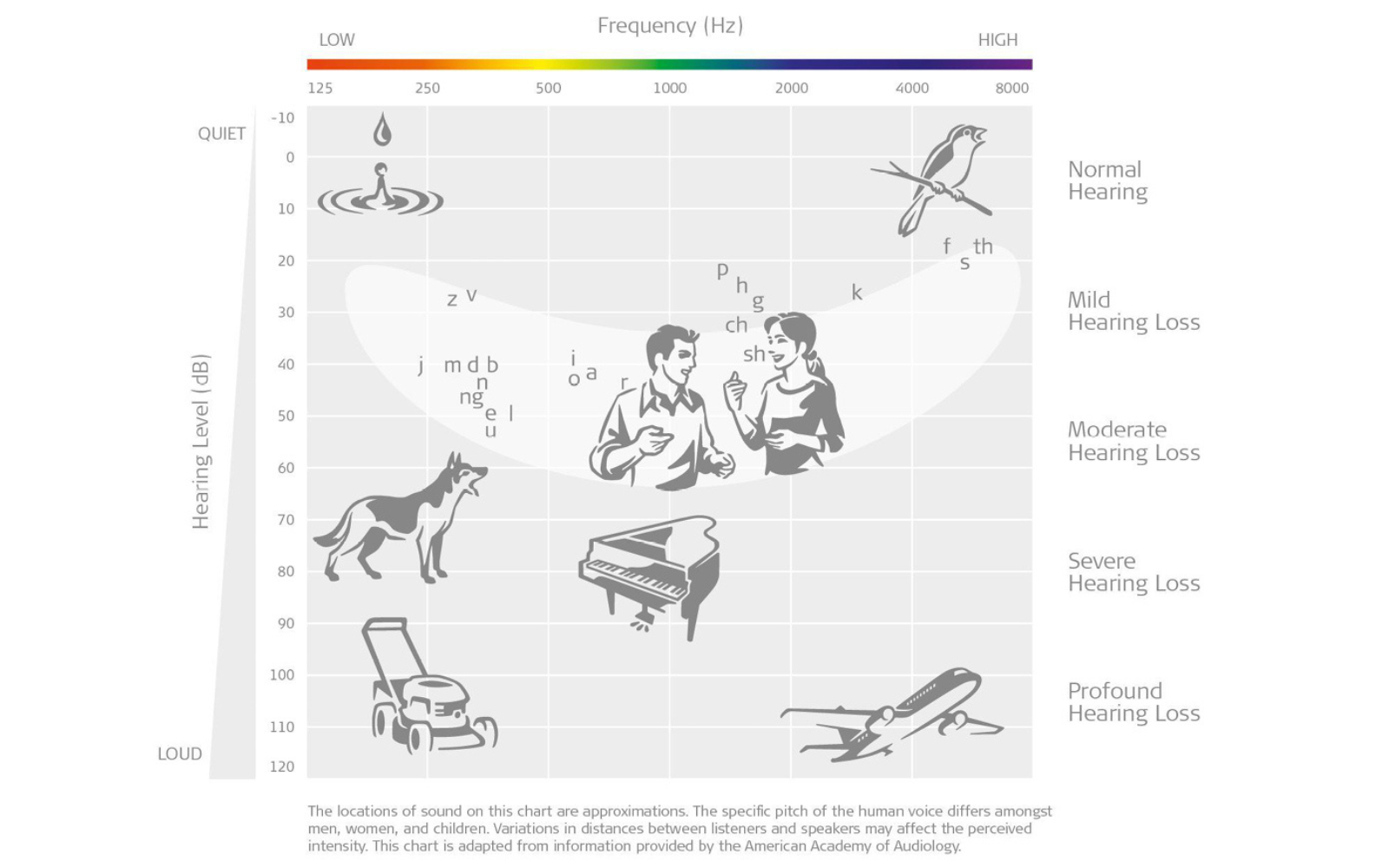
While an audiogram is a foundational tool, it’s important to understand its limitations in diagnosing retrocochlear hearing loss. There isn’t a single audiogram pattern that exclusively points to a retrocochlear problem. However, certain findings can raise suspicion:
- Asymmetric or Unilateral Hearing Loss: A significant difference in hearing ability between the ears is a red flag.
- Poor Speech Understanding Scores: As mentioned, a marked decline in the ability to understand speech compared to the pure-tone hearing levels is highly suggestive.
- Roll-off in High Frequencies: While common in cochlear loss, a rapid decline in hearing at higher frequencies, especially when coupled with poor speech discrimination, warrants further investigation.
Ultimately, audiogram findings must be interpreted in conjunction with other clinical information and specialized tests.
Treatment Strategies: A Cause-Dependent Approach
The treatment for retrocochlear hearing loss is highly individualized and depends entirely on the underlying cause. There is no universal remedy.
Medical and Surgical Interventions
- Tumor Management: For vestibular schwannomas, treatment options range from active surveillance (monitoring the tumor’s growth), radiation therapy, to surgical removal. The choice depends on the tumor’s size, location, the patient’s age and overall health, and the severity of symptoms. Surgical removal aims to preserve hearing and facial nerve function where possible.
- Neurological Condition Management: If retrocochlear hearing loss is due to Multiple Sclerosis or other neurodegenerative diseases, treatment focuses on managing the underlying condition through medication, therapies, and lifestyle adjustments. This aims to slow disease progression and alleviate symptoms.
- Addressing Vascular or Inflammatory Issues: If vascular problems or inflammation are identified, treatments will be tailored to the specific condition, potentially involving medications to improve blood flow or reduce inflammation.
Hearing Rehabilitation and Assistive Devices
When the underlying cause cannot be fully resolved or in cases of permanent nerve damage, rehabilitation plays a crucial role:
- Hearing Aids: In some cases of mild to moderate retrocochlear hearing loss, hearing aids can provide amplification. However, their effectiveness is limited if the auditory nerve’s ability to process signals is severely compromised. The benefit of hearing aids is often more pronounced for cochlear hearing loss.
- Assistive Listening Devices (ALDs): These devices, such as FM systems or Bluetooth streamers, can help improve the signal-to-noise ratio, making it easier to understand speech in challenging listening environments.
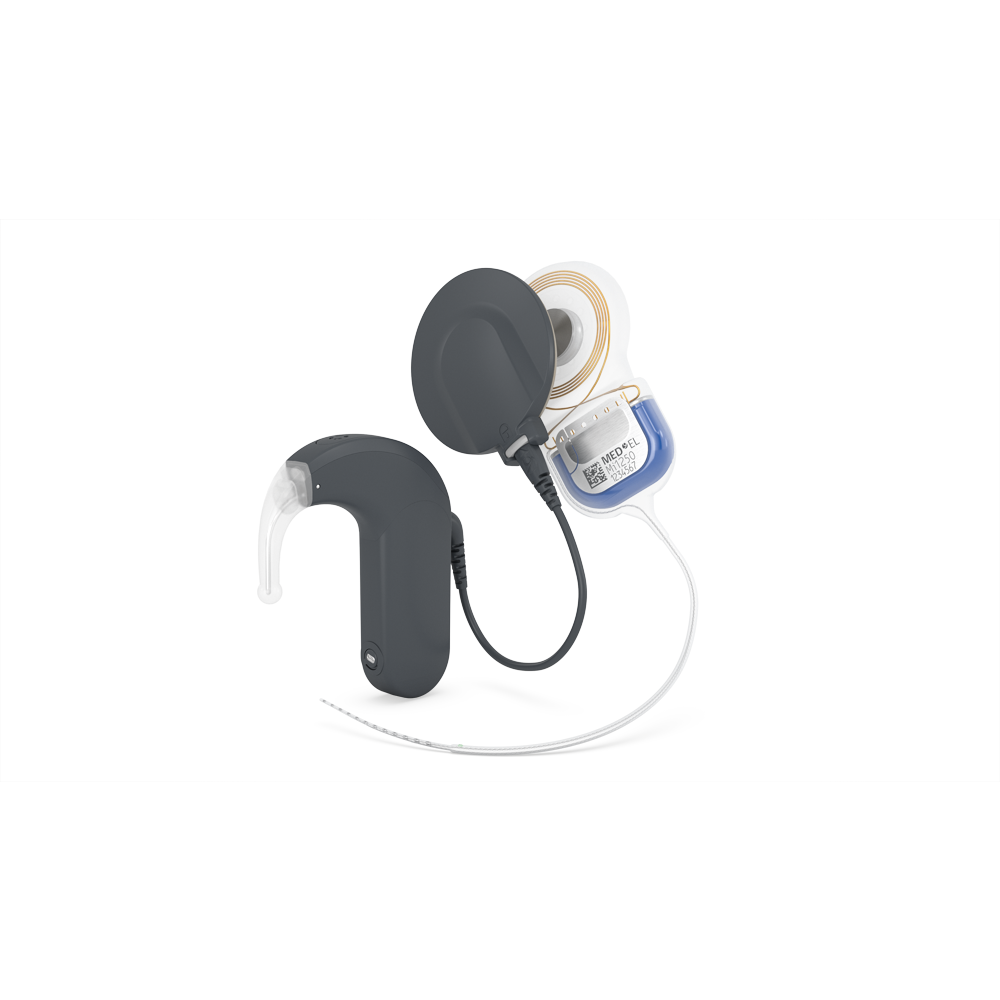
- Cochlear Implants: For individuals with profound sensorineural hearing loss where hearing aids are no longer effective, cochlear implants may be considered. These devices bypass damaged parts of the inner ear and directly stimulate the auditory nerve with electrical signals. In selected cases of retrocochlear hearing loss, particularly when the auditory nerve is still functional, cochlear implants can be a viable option as part of a comprehensive hearing rehabilitation plan. MED-EL offers a range of implantable hearing solutions that are evaluated within a thorough medical context.
When to Seek Professional Help
Prompt medical attention is crucial if any of the following symptoms arise:

- Sudden changes in hearing ability.
- Unilateral or asymmetric hearing loss.
- Significant difficulty understanding speech, especially in noisy settings.
- Persistent tinnitus or vertigo.
- Any new neurological symptoms, such as facial numbness or weakness.
Sudden hearing changes are considered a medical emergency and require immediate evaluation by an ENT specialist or audiologist. Early diagnosis and intervention can significantly improve outcomes and potentially preserve hearing function. A collaborative approach involving audiologists, otolaryngologists (ENT specialists), neurotologists, and neurologists is often necessary for comprehensive management.
Conclusion: Navigating the Complexities of Auditory Nerve Health
Retrocochlear hearing loss presents a complex challenge, affecting the critical pathway through which sound information travels from the ear to the brain. Recognizing its distinct nature from cochlear hearing loss is the first step towards effective management. The diverse causes, ranging from tumors to neurological conditions, necessitate a thorough diagnostic approach that often includes advanced audiological tests and medical imaging.
While the implications can be profound, impacting communication, social engagement, and overall well-being, advancements in diagnostic tools and treatment strategies offer hope. A proactive approach, involving prompt consultation with hearing specialists when symptoms arise, is essential for accurate diagnosis and the development of a personalized care plan. Understanding the intricacies of retrocochlear hearing loss empowers individuals to seek appropriate care and navigate their journey towards better hearing health.