
The Evolving Landscape of Auditory Rehabilitation
The development of hearing implants is rooted in decades of research aimed at overcoming the limitations of traditional hearing amplification. As our understanding of the auditory pathway has deepened, so too has our ability to intervene and restore function. Unlike hearing aids, which primarily amplify sound and transmit it through the ear canal, hearing implants bypass damaged or impaired sections of the auditory system, stimulating the inner ear or even the auditory nerve and brainstem directly. This fundamental difference underscores why implants are not merely more powerful hearing aids but distinct medical technologies.
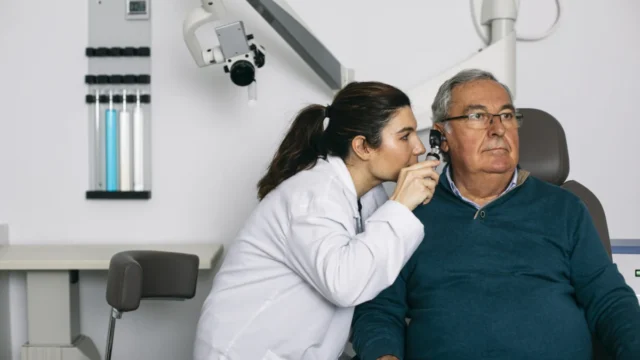
The journey for many individuals begins with the realization that their hearing loss is progressing beyond the capabilities of conventional devices. This often prompts a consultation with audiologists and otolaryngologists (ENT specialists) who can conduct thorough evaluations to determine the most appropriate course of action. The decision to pursue a hearing implant is a significant one, often involving extensive research, consultation, and a commitment to post-operative care and rehabilitation.
Hearing Implants vs. Hearing Aids: A Crucial Distinction
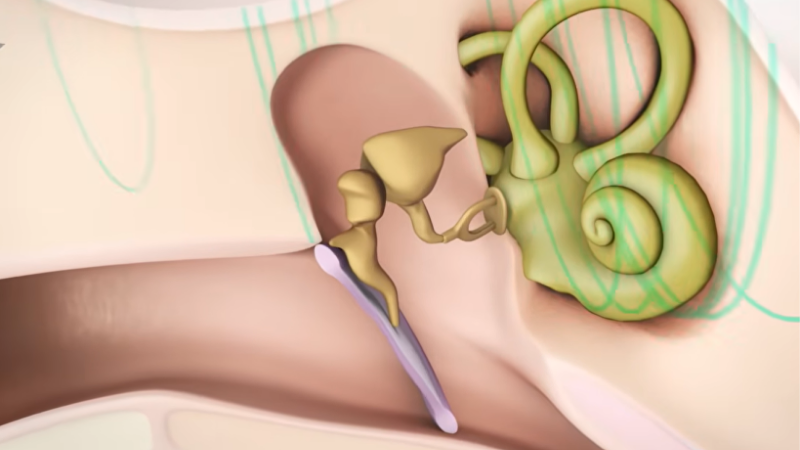
To fully appreciate the role of hearing implants, it’s essential to differentiate them from hearing aids. Hearing aids function by amplifying sound waves. These amplified waves travel through the outer and middle ear to reach the inner ear, where they are converted into neural signals. This method is highly effective for individuals with mild to moderate hearing loss, where the auditory nerve and brain can still effectively process these amplified sounds.

Hearing implants, conversely, are designed to circumvent issues within the natural hearing pathway. They are not designed to simply boost sound; rather, they introduce sound in a way that directly stimulates parts of the auditory system that are not functioning optimally. This could involve bypassing a damaged outer or middle ear, stimulating the cochlea directly, or even activating the auditory nerve or brainstem. The specific mechanism employed depends entirely on the type of implant and the nature of the hearing loss.
A Comparative Overview:
| Solution | How They Work | When They May Be Considered |
|---|---|---|
| Hearing Aids | Amplify sound, which is then sent through the ear canal to the inner ear. | For mild and moderate degrees of hearing loss when amplified sound can still be processed effectively. |
| Hearing Implants | Bypass, stimulate, or directly activate parts of the hearing pathway. | When hearing aids do not provide adequate benefit, cannot be used, or are not appropriate for the type of hearing loss. |
This table highlights the core difference: hearing aids work with the existing auditory system, while hearing implants work around or through damaged parts of it.
The Spectrum of Hearing Implant Technologies
The field of hearing implants encompasses several distinct categories, each tailored to specific types and severities of hearing loss. A thorough audiological and medical evaluation is paramount in determining which implant, if any, is the most suitable option for an individual.
Cochlear Implants (CIs)
Cochlear implants are perhaps the most widely recognized type of hearing implant. They are designed for individuals with severe-to-profound sensorineural hearing loss, a condition where the inner ear (cochlea) or the auditory nerve is damaged, significantly impairing the ability to detect and process sound.
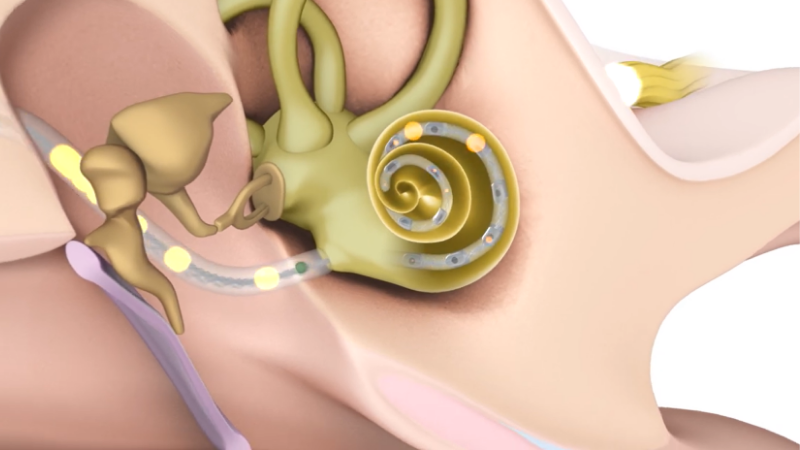
Mechanism of Action: A cochlear implant system typically comprises an external audio processor and an internal implanted component. The external processor captures sound, converts it into digital signals, and transmits these signals to the internal implant. The internal implant then translates these signals into electrical impulses, which are delivered directly to the cochlea via an electrode array surgically placed within it. These electrical impulses stimulate the auditory nerve, which then sends signals to the brain, where they are interpreted as sound.

Candidacy: Individuals who experience limited benefit from powerful hearing aids, despite optimal fitting and programming, are often considered candidates for cochlear implants. This usually involves profound hearing loss in both ears or single-sided deafness with significant difficulty understanding speech.
The Cochlear Implant Journey: The process of receiving a cochlear implant is a multi-stage commitment. It begins with a comprehensive evaluation by an audiologist and an ENT surgeon, including detailed hearing tests, medical assessments, and imaging studies. If deemed a suitable candidate, the next step is surgery, during which the internal components are implanted. Following a healing period, the external processor is activated and programmed to optimize sound perception. This is followed by a crucial period of auditory rehabilitation, where individuals learn to interpret the new auditory information and develop listening skills.
MED-EL, a leading innovator in hearing implant technology, emphasizes a philosophy of "closest to natural hearing." This approach aims to mimic the natural pitch representation of sound through advanced technologies such as long electrode arrays, which can reach more areas of the cochlea, and sophisticated fitting strategies that personalize sound perception.
Bone Conduction Implants
Bone conduction implants offer a solution for individuals with conductive or mixed hearing loss, as well as those with single-sided deafness. These conditions involve problems with the outer or middle ear that prevent sound from being transmitted effectively to the inner ear.
Mechanism of Action: Instead of relying on the air conduction pathway, bone conduction implants transmit sound vibrations directly through the bones of the skull to the inner ear. This bypasses any impediments in the outer or middle ear, allowing sound to reach the cochlea and be processed by the auditory nerve.
Candidacy: These implants are considered for individuals who cannot benefit from traditional hearing aids due to malformations of the ear canal or middle ear, chronic ear infections that prevent the use of conventional devices, or significant conductive hearing loss. For single-sided deafness, bone conduction implants can help individuals perceive sound from the deaf ear and improve sound localization.
Types and Considerations: It’s important to distinguish between bone conduction hearing aids and bone conduction implants. Bone conduction hearing aids are typically worn externally and are non-surgical. Bone conduction implants, however, involve a surgically placed internal component that interacts with an external sound processor. While both technologies utilize bone conduction, the implant offers a more integrated and potentially long-term solution.
Middle Ear Implants
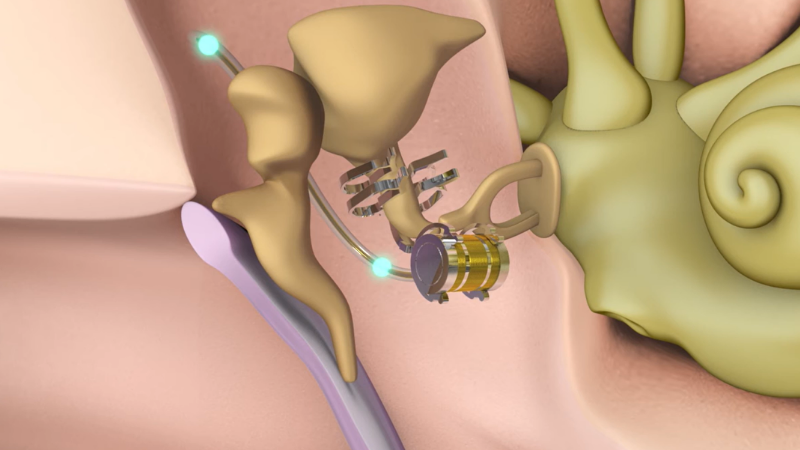
Middle ear implants represent a sophisticated option for individuals with conductive, mixed, or even mild-to-severe sensorineural hearing loss, particularly when conventional hearing aids are not suitable due to comfort issues or insufficient benefit.
Mechanism of Action: These implants work by mechanically stimulating structures within the middle ear, such as the ossicles (malleus, incus, stapes) or the round window. Unlike hearing aids that amplify sound entering the ear canal, middle ear implants directly vibrate these middle ear components, transmitting sound energy to the inner ear.
Candidacy: This technology is considered for a specific subset of patients whose hearing loss patterns and anatomical structures are well-suited to this approach. It can be an alternative for individuals who experience skin irritation or discomfort with in-ear hearing aids or those who do not achieve optimal results with conventional amplification.
Active vs. Passive Systems: Middle ear implants can be classified as either active or passive. Active systems involve a vibrator that is attached to a middle ear bone, while passive systems may directly couple to a middle ear structure. The choice between these depends on the individual’s specific hearing needs and the surgeon’s recommendation.
Auditory Brainstem Implants (ABIs)
Auditory brainstem implants are the most specialized form of hearing implant, reserved for rare and complex cases. They are employed when the auditory nerve itself is not functional or cannot be used, rendering cochlear implants ineffective.
Mechanism of Action: Instead of stimulating the cochlea, an ABI directly stimulates specific nuclei within the brainstem, which are part of the auditory processing pathway. This bypasses both the cochlea and the auditory nerve entirely.
Candidacy: ABIs are typically considered in situations where the auditory nerve is absent or severely damaged. This can occur due to congenital conditions affecting the inner ear or auditory nerve, or as a consequence of surgical interventions, such as the removal of tumors affecting the auditory nerve (e.g., acoustic neuromas). Due to their specialized nature and the complexity of the conditions they address, ABIs require extensive evaluation by a multidisciplinary team of specialists.
Who Is a Candidate for Hearing Implants?
Determining candidacy for a hearing implant is a personalized process that hinges on a multitude of factors. There is no single demographic or hearing profile that universally qualifies. Instead, a comprehensive assessment by qualified healthcare professionals is essential.
General Candidacy Considerations:
- Type and Severity of Hearing Loss: The specific nature of the hearing impairment is the primary determinant.
- Limited Benefit from Hearing Aids: If conventional hearing aids do not provide sufficient audiological benefit, implantable solutions may be explored.
- Medical and Anatomical Suitability: The physical health of the ear and surrounding structures plays a crucial role.
- Communication Goals and Lifestyle: An individual’s desire to improve communication and their engagement in various listening environments are considered.
- Willingness to Participate in Rehabilitation: Successful outcomes with hearing implants often depend on active engagement in post-operative auditory training and therapy.
- Age: While implants can be beneficial for individuals of all ages, including young children, specific age-related considerations may apply.
Diagnostic Process: To ascertain candidacy, healthcare providers will typically perform:
- Audiological Evaluations: Comprehensive tests to measure hearing thresholds, speech understanding, and the effectiveness of hearing aids.
- Medical Examinations: A thorough assessment of the ear, nose, and throat by an ENT specialist.
- Imaging Studies: Such as CT scans or MRIs, to visualize the anatomy of the ear and auditory pathways.
- Speech and Language Assessments: To evaluate current communication abilities.
Ultimately, only audiologists and ENT specialists possess the expertise to definitively determine if a hearing implant is the appropriate solution for an individual.
The Surgical and Rehabilitation Journey
The prospect of surgery can be daunting, but understanding the process can alleviate concerns. The surgical procedure for hearing implants varies depending on the specific type of device.
General Surgical Steps:
- Pre-operative Assessment: This includes the comprehensive evaluations mentioned earlier, as well as discussions about the procedure, risks, and expected outcomes.
- Anesthesia: The surgery is typically performed under general anesthesia.
- Implantation: The internal component(s) of the hearing implant are surgically placed. For cochlear implants, this involves inserting an electrode array into the cochlea. For bone conduction implants, a device is anchored to the bone. Middle ear implants involve delicate placement within the middle ear structures.
- Closure: The surgical site is closed, and bandages are applied.
- Recovery: Post-operative recovery periods vary but generally involve rest, pain management, and follow-up appointments to monitor healing.
Activation, Fitting, and Rehabilitation:
- Activation: Several weeks after surgery, once healing is complete, the external audio processor is fitted and activated. This is the moment when the implant system is turned on for the first time.
- Fitting (Programming): The audio processor is meticulously programmed by an audiologist to optimize sound quality and speech understanding based on the individual’s auditory feedback. This process is often iterative and may involve several adjustments over time.
- Auditory Rehabilitation: This is a critical component of successful hearing implant use. It involves structured therapy designed to help the brain learn to interpret the new auditory signals. Rehabilitation can include speech therapy, listening strategies, and practice in various listening environments. The dedication to rehabilitation significantly influences the long-term benefits derived from the implant.
Benefits and Potential Outcomes
The benefits of hearing implants are profound and life-altering for many individuals, though they can vary significantly based on the type of implant, the duration and severity of hearing loss prior to implantation, the success of the surgery, and the commitment to rehabilitation.
Potential Benefits Include:
- Improved Speech Understanding: The ability to better comprehend spoken language, even in noisy environments, is a primary goal for most implant recipients.
- Enhanced Awareness of Environmental Sounds: This can significantly improve safety and quality of life, allowing individuals to hear doorbells, alarms, traffic, and other important sounds.
- Restored Sense of Connection: Improved communication can lead to deeper engagement in social interactions, family life, and professional activities.
- Reduced Auditory Deprivation: For those with severe hearing loss, implants can help maintain the auditory pathways and prevent further degradation of listening skills.
- Improved Quality of Life: For many, the ability to hear and communicate more effectively leads to increased confidence, reduced isolation, and a greater sense of well-being.
It is important to manage expectations. Hearing implants do not restore "normal" hearing. Instead, they provide access to sound and significantly enhance the ability to communicate. The journey is one of learning and adaptation, and consistent effort in rehabilitation is key to maximizing the benefits.
Choosing the Right Hearing Implant Option

The decision-making process for selecting the most appropriate hearing implant is a collaborative effort between the patient and their healthcare team. Key factors influencing this decision include:
- Type and Degree of Hearing Loss: This is the most critical factor, dictating which implant technology is physiologically viable.
- Cause of Hearing Loss: Understanding the underlying pathology helps in selecting the most effective intervention.
- Audiological Test Results: Objective data from hearing assessments provides a clear picture of auditory function.
- Medical and Anatomical Factors: The physical condition of the ear and auditory pathways is paramount.
- Communication and Lifestyle Goals: What does the individual hope to achieve with improved hearing?
- Age and General Health: These factors can influence surgical risk and recovery.
- Commitment to Rehabilitation: The willingness and ability to engage in post-operative therapy is essential for success.
Informed Decision-Making: Patients are encouraged to ask their audiologist or ENT specialist a range of questions, such as:
- What specific type of hearing loss do I have?
- How might this implant technology address my unique hearing needs?
- What are the potential benefits and limitations of each recommended implant option?
- What is the surgical procedure like, and what is the expected recovery time?
- What does the rehabilitation process involve, and what level of commitment is required?
- What are the long-term outcomes typically seen with this implant?
- Are there any potential risks or complications associated with the surgery or implant?
Key Takeaways on Hearing Implants
Hearing implants represent a diverse and advanced set of technologies designed to address a wide spectrum of hearing loss. They are not a one-size-fits-all solution but rather specialized interventions tailored to individual needs.
The Four Main Categories:
- Cochlear Implants (CIs): For severe-to-profound sensorineural hearing loss.
- Bone Conduction Implants: For conductive or mixed hearing loss, and single-sided deafness.
- Middle Ear Implants: For conductive, mixed, or mild-to-severe sensorineural hearing loss, where hearing aids are not optimal.
- Auditory Brainstem Implants (ABIs): For rare cases where the auditory nerve is non-functional.
The selection of the most appropriate implant hinges on a thorough evaluation of the individual’s hearing loss, test results, and specialist recommendations. The journey typically involves surgery, followed by activation, fitting, and a dedicated period of auditory rehabilitation.
FAQs on Hearing Implants

- Are hearing implants permanent? Yes, the internal component of a hearing implant is designed for long-term use. The external processor can be updated or replaced as technology advances.
- Can children receive hearing implants? Absolutely. Early implantation in children with severe hearing loss can significantly support speech, language, and cognitive development. Eligibility is determined through medical and audiological evaluations.
- Do hearing implants restore normal hearing? No, hearing implants do not restore natural hearing. They provide access to sound by stimulating the auditory system in ways that bypass damaged pathways, enabling better speech understanding and communication. Individual results vary.
- How long does hearing implant surgery take? Most procedures take between one and three hours. The duration can depend on the type of implant and the complexity of the surgery.
- Can you have an MRI with a hearing implant? Many modern hearing implants are MRI compatible under specific conditions. It is crucial to inform healthcare providers about the implant before any MRI scan.
Conclusion
Hearing implants have revolutionized the field of audiology, offering hope and improved quality of life to countless individuals facing significant hearing challenges. By understanding the different types of implants, their mechanisms, candidacy criteria, and the comprehensive journey involved, individuals can engage in informed discussions with their healthcare providers and make the best choices for their auditory health. The ongoing innovation in this field promises even more advanced and personalized solutions for hearing restoration in the future.
If you believe you might benefit from a hearing implant, it is essential to consult with a qualified audiologist or ENT specialist. They can conduct the necessary evaluations and guide you through the options available to help you achieve your communication goals.