
The Critical Role of Consistent Audio Processor Wear
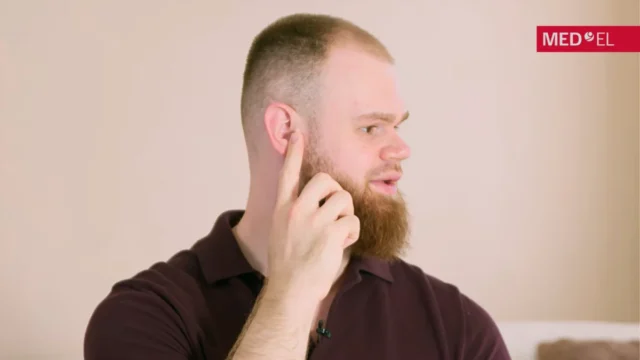
At the forefront of effective CI rehabilitation is the consistent use of the audio processor. This seemingly simple act provides the brain with the continuous auditory input necessary to adapt and learn. Dr. Anya Sharma, a leading audiologist specializing in cochlear implants, states, "The brain’s ability to process sound after implantation is akin to learning a new language. The more exposure it receives, the faster and more effectively it can make sense of the auditory world. Wearing the processor consistently, from waking hours to bedtime, maximizes these crucial learning opportunities."
This consistent wear allows the brain to encounter a wide spectrum of sounds, from ambient environmental noises like traffic and nature to the more intricate patterns of human speech and music. Each sound, no matter how mundane, contributes to building a robust auditory map. For instance, the subtle changes in tone during a casual conversation, the rhythm of a passing car, or the melody of background music all provide valuable data for the brain to decode. This continuous immersion helps to reduce the cognitive load associated with processing sound, leading to greater clarity and comprehension over time.
However, challenges can arise. Some individuals may find certain sounds overwhelming or difficult to process initially, leading to a temptation to remove the processor. In such instances, the advice from audiology professionals is clear: do not avoid these sounds. Instead, engage with a hearing healthcare provider. They can assist in adjusting the CI’s settings, provide coping strategies, or recommend targeted exercises to help the brain gradually habituate to these more complex auditory stimuli. This proactive approach ensures that no opportunity for auditory learning is missed.
Incorporating Short, Focused Listening Activities
Rehabilitation need not be a time-consuming or demanding task. Experts advocate for the integration of short, focused listening activities into one’s daily schedule. These brief sessions, easily woven around work, family, and other commitments, can yield significant improvements. The key is consistency and a gradual increase in complexity.

Examples of such activities include:
- Listening to audiobooks or podcasts: This allows for sustained engagement with spoken language in a controlled environment. Initially, users might benefit from following along with the text, gradually progressing to listening without visual cues.
- Watching television or movies with subtitles: This combines auditory and visual information, aiding in the association of sounds with their meanings. As hearing improves, the reliance on subtitles can be reduced.
- Engaging with music: Music offers a rich tapestry of auditory information, from rhythm and melody to pitch and timbre. Starting with familiar songs can make the experience more accessible.
- Playing auditory games: Many apps and online resources offer games designed to improve listening skills, such as identifying different sounds, distinguishing between similar phonemes, or following auditory directions.
The progression in difficulty is crucial. Beginning with activities that are comfortable and manageable, such as listening to a clear voice in a quiet setting, allows for foundational skill development. As proficiency grows, individuals can gradually introduce more challenging scenarios, such as listening in environments with background noise, understanding rapid speech, or discerning finer auditory details. This incremental approach fosters confidence and prevents discouragement, ensuring sustained motivation throughout the rehabilitation process.
Leveraging Rehabilitation Apps for Targeted Practice
For those seeking a more structured and personalized approach to rehabilitation, a growing array of specialized applications offers valuable tools. These digital platforms are designed to supplement traditional therapy, providing users with engaging exercises that can be performed independently.
MED-EL, a leading provider of hearing implant solutions, offers the ReDi app, which serves as a dedicated listening training partner for cochlear implant users. The ReDi app features a range of exercises meticulously designed to enhance both auditory and speech comprehension skills. These exercises are adaptable, offering various difficulty levels that cater to individual progress. A key benefit of ReDi is its immediate feedback mechanism, which allows users to track their performance, identify areas for improvement, and celebrate their achievements. This self-paced learning environment empowers individuals to take ownership of their rehabilitation journey, fitting practice sessions into their schedules with ease.
The app’s comprehensive approach includes exercises that target:
- Sound discrimination: Differentiating between similar sounds and phonemes.
- Word recognition: Identifying spoken words accurately.
- Sentence comprehension: Understanding the meaning of spoken sentences.
- Auditory memory: Retaining and recalling auditory information.
Furthermore, the app’s adaptability ensures that it remains a valuable tool throughout the user’s rehabilitation, from the initial stages of sound awareness to advanced listening in complex environments. The ability to track progress and receive tailored feedback fosters a sense of accomplishment and encourages continued engagement.

Rediscovering the Joy of Music Through Targeted Listening
Music, often considered one of life’s most enriching auditory experiences, can present a unique set of challenges for cochlear implant recipients. The intricate patterns, varied timbres, and emotional nuances of music can sound significantly different post-implantation, especially in the early stages. However, with a strategic approach, music can become a deeply rewarding aspect of rehabilitation.
A widely recommended strategy is to begin with songs that are already intimately familiar. By re-engaging with beloved melodies, individuals can leverage their existing knowledge of the song’s structure and lyrical content to aid in auditory processing. A member of the Hearpeers community, a support network for hearing implant users, shared their experience: "I listened to my favorite song over and over again until it sounded like I remembered it. It took time, but it was so rewarding."
This process involves focused listening, where individuals dedicate their attention to understanding the auditory elements of a particular song. Initially, following along with the lyrics can be beneficial, helping to bridge the gap between the perceived sound and its intended meaning. As confidence grows, the next step is to attempt listening to the song without the visual aid of lyrics. It is important to acknowledge that the sound may not immediately match prior auditory memories. Patience and a willingness to explore the new auditory landscape are key. This exploration allows the brain to adapt and create new neural pathways for processing musical information.
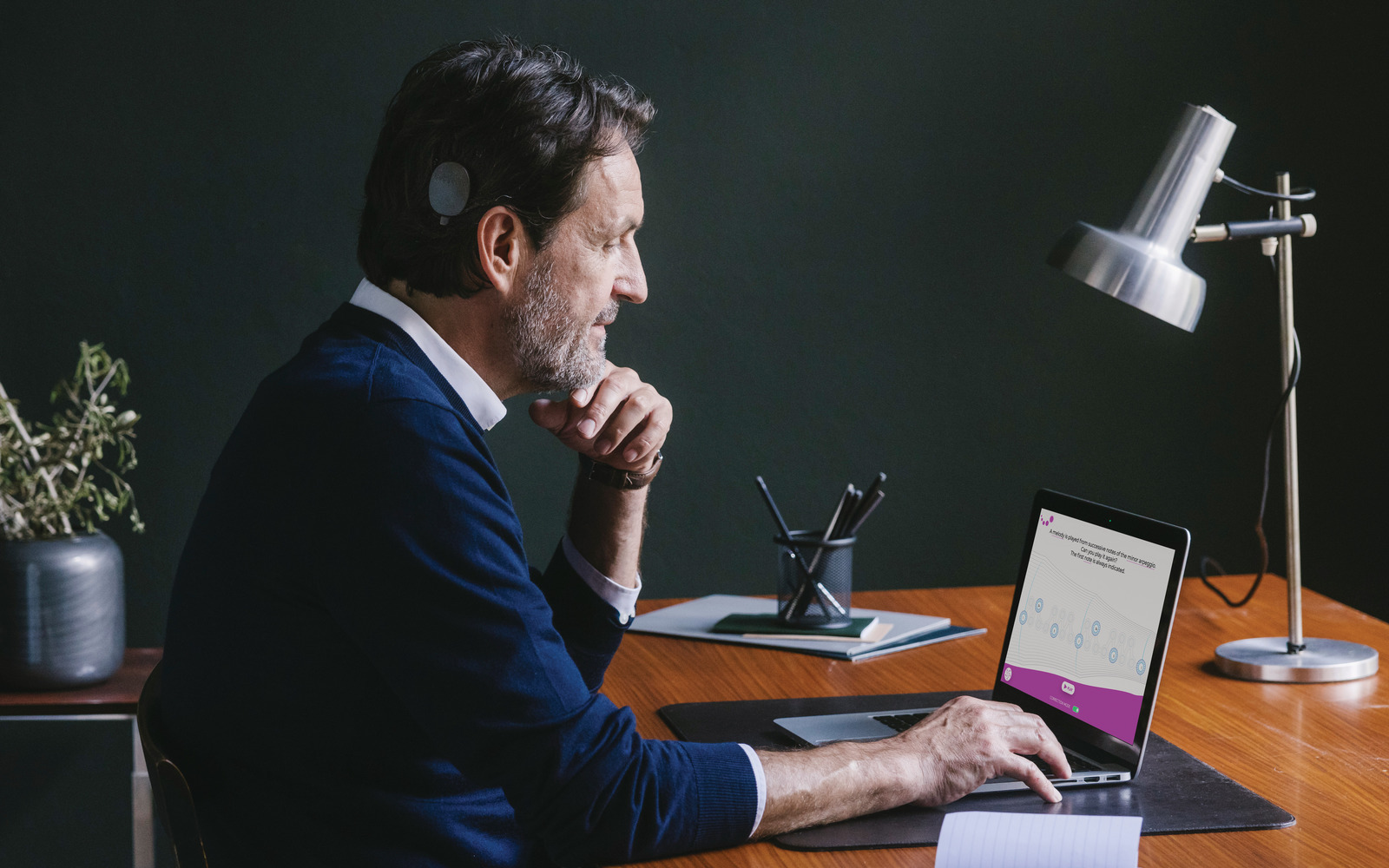
Beyond familiar tunes, platforms like Meludia offer a unique approach to music-based auditory training. Meludia employs a series of engaging exercises that utilize music to develop listening skills. This method is designed to be accessible to individuals of all ages and musical backgrounds. The program features progressive levels, ranging from "discovery" for beginners to "expert" for those seeking to refine advanced auditory perception. By integrating music into rehabilitation, individuals can not only improve their listening abilities but also rediscover the profound emotional and aesthetic pleasures that music offers.
Enhancing Listening in Challenging Environments with Assistive Technology
Navigating environments with significant background noise, such as busy restaurants, public transportation, or even watching television, can pose considerable challenges for cochlear implant users. These situations demand a higher level of auditory processing and can be mentally taxing. Fortunately, assistive listening technologies offer effective solutions to bridge these auditory gaps.
These technologies are designed to transmit sound directly to the audio processor, bypassing the ambient noise that can interfere with clear reception. Devices such as MED-EL’s AudioLink XT and AudioStream Adapter are integral components of this technological ecosystem. The AudioLink XT, for instance, can directly stream audio from smartphones, televisions, and other compatible devices to the user’s audio processor. This direct transmission ensures that the sound is delivered with optimal clarity and minimal distortion.
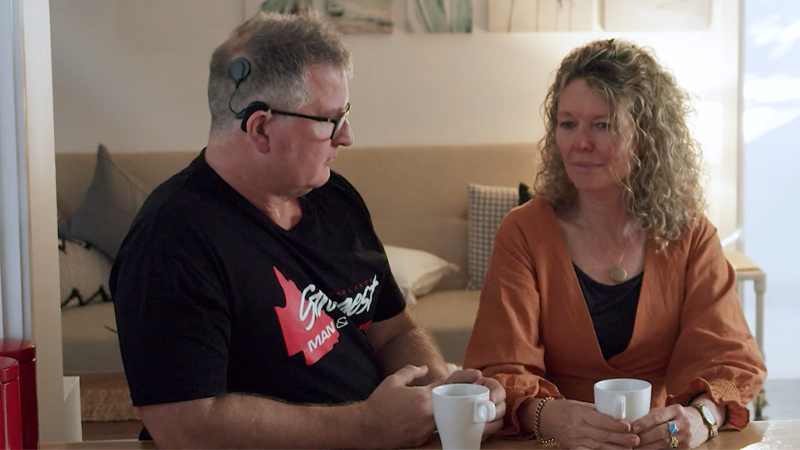
The versatility of these devices extends beyond personal entertainment. The AudioLink XT can also function as a remote microphone. In professional settings, such as meetings or lectures, placing the AudioLink XT near the speaker can significantly improve the clarity of their voice, allowing the user to focus on the content of the discussion without struggling against background distractions.
The selection of appropriate assistive listening technology is a personalized decision. It is recommended that individuals consult with their hearing healthcare professional. These specialists can assess individual needs, evaluate the compatibility of various devices with specific audio processors, and guide users towards the solutions that best suit their lifestyle and communication goals. By embracing these technological advancements, cochlear implant recipients can confidently engage in a wider range of auditory experiences, enhancing their participation in social, professional, and personal activities.
Developing Effective Communication Strategies for Enhanced Interaction
Beyond the technical aspects of hearing, successful communication hinges on a combination of auditory perception and effective communication strategies. The environment in which communication takes place, as well as the way individuals interact, plays a pivotal role in ensuring clarity and understanding.
Recognizing that different situations necessitate different approaches is fundamental. For instance, during a face-to-face conversation in a quiet room, direct eye contact and clear enunciation are often sufficient. However, in a noisy café, or when communicating over the phone, more deliberate strategies are required. These can include:
- Ensuring visual cues: Facing the speaker, maintaining eye contact, and observing facial expressions can provide valuable context and aid in understanding.
- Asking for clarification: Instead of general statements like "I can’t hear you," it is more effective to request specific repetitions, such as "Could you please repeat the last sentence?" or "Could you rephrase that?"
- Strategic seating and positioning: In group settings, positioning oneself to face the majority of speakers and minimizing visual obstructions can be beneficial.
- Requesting environmental adjustments: If possible, suggest moving to a quieter location for conversations that require a higher degree of auditory focus.
The ability to articulate communication needs clearly and politely is paramount. By being specific about what assistance is required, individuals empower those around them to facilitate more effective communication. Learning and practicing these strategies can transform challenging communication scenarios into more manageable and ultimately more rewarding interactions. Resources such as MED-EL’s guidance on communication strategies for adults offer practical advice for integrating these techniques into everyday life, fostering greater confidence and independence.
Tailoring Rehabilitation to Individual Needs: Finding What Fits Your Life
It is crucial to acknowledge that there is no one-size-fits-all approach to cochlear implant rehabilitation. The ideal daily routine is deeply personal, influenced by a multitude of factors including individual hearing goals, professional responsibilities, family commitments, personal interests, and existing listening abilities. The most effective rehabilitation programs are those that are adaptable and integrated seamlessly into the individual’s unique life circumstances.
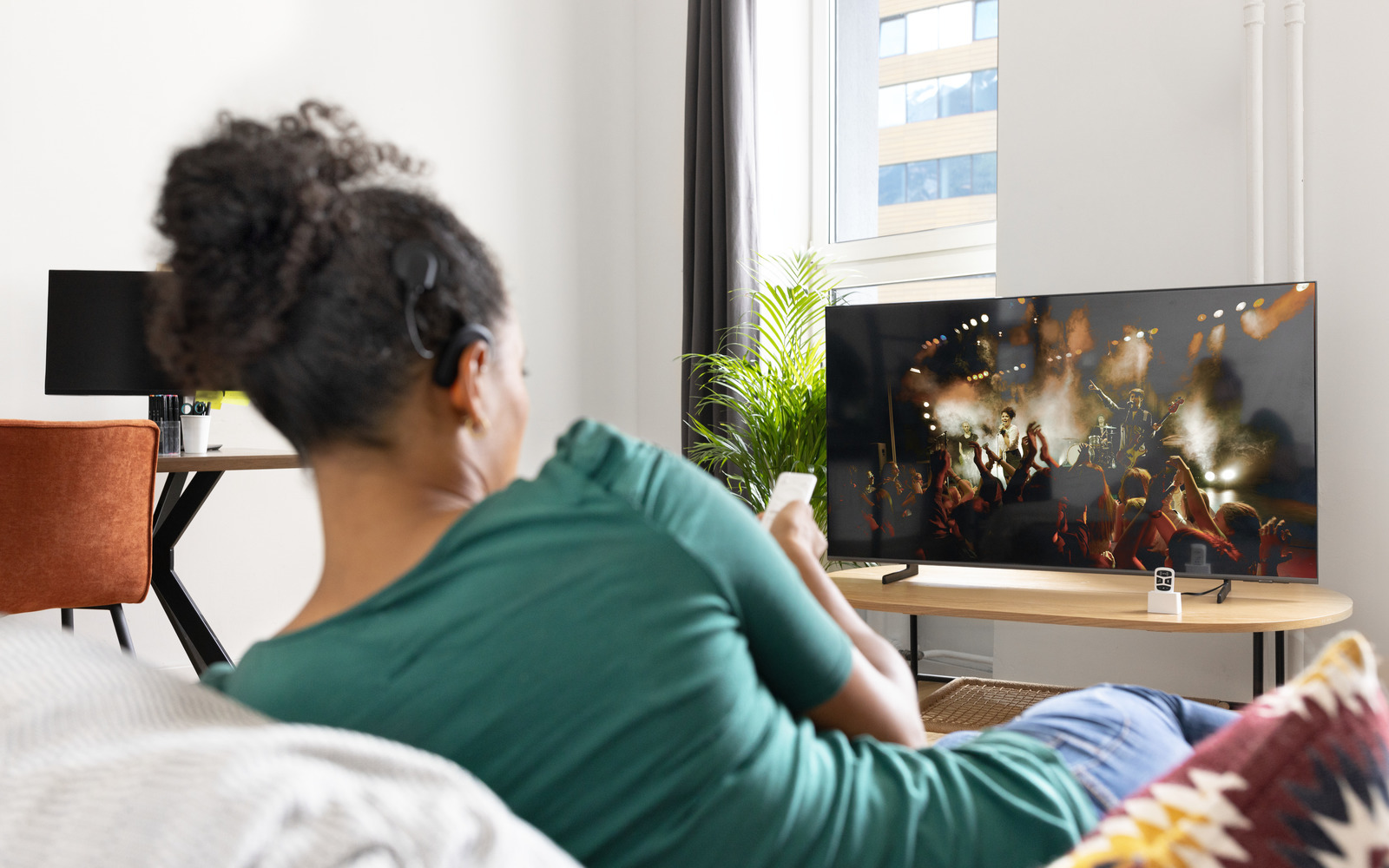
The overarching principle is that listening practice can and should occur in virtually any setting. Consistent wear of the audio processor remains the cornerstone, providing continuous auditory stimulation. This should be complemented by strategic use of available technology, such as assistive listening devices and rehabilitation apps, to target specific listening skills. Furthermore, the conscious application of communication strategies empowers individuals to navigate social and professional interactions with greater ease and confidence.
The beauty of this integrated approach lies in its flexibility. A few minutes spent with a rehabilitation app like ReDi during a commute, immersing oneself in an audiobook, engaging in a meaningful conversation over coffee, or rediscovering the nuances of a favorite song – all these everyday activities can serve as valuable components of the hearing journey. By embracing these opportunities, individuals can transform routine moments into purposeful steps towards enhanced auditory function and a more vibrant experience of the world around them.
Seeking Professional Guidance for Personalized Support
Navigating the complexities of cochlear implant rehabilitation can be a collaborative effort. Hearing professionals and rehabilitation specialists play an indispensable role in guiding individuals toward personalized solutions. They possess the expertise to assess individual hearing needs, recommend appropriate listening activities, and develop tailored rehabilitation plans.
For those seeking further information or personalized support, engaging with local MED-EL teams or qualified audiologists is highly recommended. These professionals can provide invaluable insights into the latest technological advancements, therapeutic approaches, and community resources available to support the cochlear implant journey. By fostering a strong partnership with healthcare providers, individuals can ensure they are equipped with the knowledge, tools, and strategies necessary to achieve their optimal hearing potential and embrace the full spectrum of auditory life.
Contact Information:
For personalized assistance and further information regarding cochlear implant rehabilitation and MED-EL solutions, please contact your local MED-EL team.
© MED-EL Medical Electronics. All rights reserved. The content on this website is for general informational purposes only and should not be taken as medical advice. Contact your doctor or hearing specialist to learn what type of hearing solution suits your specific needs. Not all products, features, or indications are approved in all countries.