The findings represent a crucial advancement in understanding the multifactorial nature of hearing changes as individuals age. While previous studies have hinted at chronic inflammation as a potential contributing factor, this latest investigation strengthens the empirical basis for this connection. It is important to note, however, that the study, by its observational nature, establishes an association rather than direct causation, meaning it does not definitively conclude that inflammation directly causes hearing loss. The intricate relationship could also be influenced by underlying health conditions that simultaneously contribute to both inflammation and auditory decline.
Unraveling the Inflammatory Link to Auditory Health
To explore this intricate relationship, researchers meticulously analyzed data from 7,920 U.S. adults, ranging in age from 40 to 85 years. These participants were drawn from the National Health and Nutrition Examination Survey (NHANES), a continuously conducted program by the U.S. Centers for Disease Control and Prevention (CDC) that assesses the health and nutritional status of adults and children in the United States. NHANES is renowned for collecting comprehensive health information from a nationally representative sample of Americans, encompassing a wide array of laboratory tests, physical examinations, and detailed health assessments, including rigorous hearing evaluations. The use of NHANES data lends considerable statistical power and generalizability to the study’s conclusions, reflecting a broad cross-section of the U.S. population between 1999 and 2020.
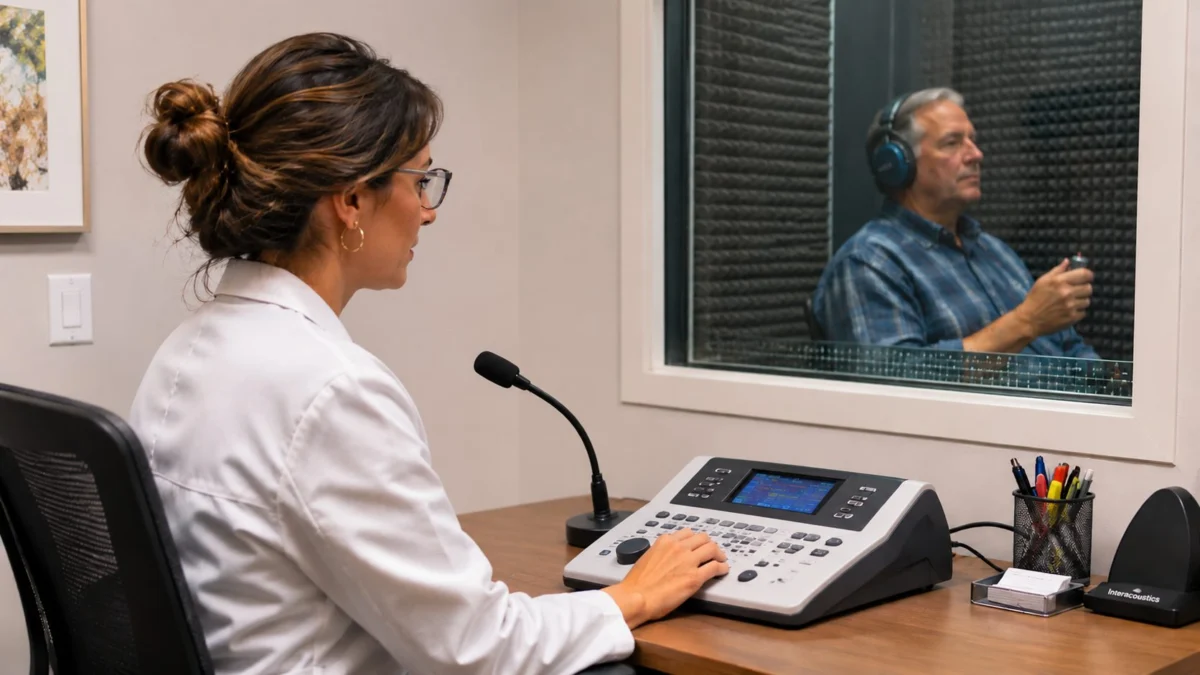
Among the nearly 8,000 participants included in the analysis, a substantial 2,262 individuals, representing 28.6% of the cohort, met the researchers’ stringent definition of hearing loss. Crucially, hearing acuity was determined through standard audiometric testing, an objective and clinically validated method that measures an individual’s ability to hear sounds at various frequencies and volumes. This approach provides a more precise and reliable assessment than relying on subjective self-reported hearing difficulties, which can be prone to variability and underestimation.
The investigative team focused on six distinct measures of inflammation, all of which are readily calculated from routine blood tests. These markers serve as proxies for the activity of different types of blood cells that are integral components of the body’s complex immune response system. Inflammation itself is a fundamental biological process, an essential part of the body’s defensive reaction to injury, infection, or irritation. It is characterized by redness, swelling, heat, and pain, as the immune system dispatches cells and chemical mediators to the affected area to initiate healing. However, when this protective response becomes dysregulated or prolonged, leading to persistent or chronic inflammation, it can transition from being beneficial to detrimental, contributing to a myriad of serious health conditions, including cardiovascular disease, diabetes, autoimmune disorders, and certain cancers. Researchers have increasingly turned their attention to whether these pervasive biological processes might also exert an adverse impact on the delicate and highly specialized structures of the auditory system.
After carefully adjusting for a comprehensive range of confounding variables, including age, sex, existing diagnoses of diabetes, high blood pressure, and other pertinent health characteristics, the study revealed a statistically significant association between five of the six inflammatory measures and hearing loss. This suggests that specific patterns of inflammation within the body may indeed be intertwined with overall hearing health. Nevertheless, the precise nature of these relationships exhibited variability across the different inflammatory markers studied, reinforcing the complexity of the observed connections and underscoring that the findings do not definitively establish a direct causal pathway from inflammation to hearing loss.
A Chronology of Research: Building the Case for Systemic Connections
The notion that inflammation could play a role in the etiology of hearing loss is not a novel concept but rather one that has gained increasing traction within the scientific community over recent years. Historically, the primary drivers of age-related hearing loss (presbycusis) and noise-induced hearing loss have been attributed to direct damage to the cochlea’s hair cells, neural degeneration, and genetic predispositions. However, a more holistic view of human health has led researchers to systematically examine how systemic conditions – such as chronic inflammation, cardiovascular health, and metabolic disorders – might exert influence on the exceedingly sensitive and intricate structures of the inner ear.
This latest study builds upon a growing body of evidence, charting a clearer trajectory in the understanding of hearing health. For instance, a notable 2024 study, also drawing from NHANES data and published in the journal Medicine, investigated a cohort of over 6,400 U.S. adults. That research similarly identified a significant association between a specific blood-based measure of inflammation and hearing loss, with the correlation being particularly pronounced at higher sound frequencies, which are often the first to be affected in age-related hearing decline.
Further reinforcing this trend, another significant study published in 2025, which analyzed data from more than 7,200 adults, identified multiple relationships between various inflammatory markers and hearing loss. This earlier work also highlighted that these associations were not uniform but varied depending on the specific hearing frequencies examined and certain demographic and health characteristics of the participants.
The current research distinguishes itself by comprehensively examining six distinct inflammatory measures concurrently within a substantial and nationally representative population of U.S. adults. This multi-marker approach offers a more nuanced perspective on the systemic inflammatory landscape and its potential implications for auditory function. It is important to acknowledge that all these studies, including the most recent one, utilized data from the NHANES program, leading to some overlap in the participant populations analyzed. Consequently, while these repeated associations are compelling and provide robust reasons to continue investigating the inflammation-hearing connection, they should not be interpreted as entirely independent confirmations of the same exact relationship. Rather, they represent a coherent and progressive line of inquiry, collectively strengthening the hypothesis.

Potential Mechanisms: How Inflammation Might Impact the Ear
One of the most widely discussed and plausible biological explanations for the observed association centers on the cochlea, the snail-shaped organ in the inner ear responsible for converting sound vibrations into electrical signals that the brain can interpret. The cochlea is an exquisitely delicate structure, critically dependent on a meticulously regulated and robust blood supply to sustain its highly active sensory cells (hair cells) and neural components. These cells are metabolically demanding and highly susceptible to even minor disruptions in oxygen and nutrient delivery.
Researchers have proposed several potential mechanisms through which chronic systemic inflammation could compromise cochlear function:
- Vascular Impairment: Chronic inflammation is a known precursor to endothelial dysfunction, hardening of the arteries (atherosclerosis), and reduced blood flow in microvessels. If the fine capillaries supplying the cochlea are affected, it could lead to reduced oxygenation and nutrient delivery to the hair cells, causing stress, damage, and eventually cell death.
- Oxidative Stress: Inflammation often leads to an increase in reactive oxygen species (ROS), contributing to oxidative stress. The inner ear, with its high metabolic rate, is particularly vulnerable to oxidative damage, which can harm hair cells and neurons.
- Cytokine Release: Inflammatory processes involve the release of pro-inflammatory cytokines (signaling molecules). These cytokines, if present in high systemic concentrations, could potentially cross the blood-labyrinth barrier (analogous to the blood-brain barrier) and directly or indirectly induce cellular stress, apoptosis (programmed cell death), or disrupt the delicate ion balance crucial for auditory transduction within the cochlea.
- Immune Cell Infiltration: In some cases of chronic inflammation, immune cells might directly infiltrate inner ear tissues, leading to localized damage or autoimmune responses that target auditory structures.
While these proposed mechanisms offer compelling theoretical pathways, they have not yet been definitively established as the direct explanations for the associations observed in the current study. Further mechanistic research, likely involving animal models and detailed human histopathological studies, will be necessary to elucidate the precise molecular and cellular events linking inflammation to hearing loss.
Implications for Hearing Healthcare and Future Research Directions
The significance of these findings for hearing healthcare lies partly in the nature of the inflammatory measures examined: they are derivable from information obtained through common, routine blood tests. This accessibility suggests a potential for future integration into broader health assessments. If subsequent longitudinal research unequivocally confirms that specific inflammatory patterns are predictive of progressive hearing changes over time, these measures could eventually contribute to a more comprehensive risk assessment for hearing loss. Such an assessment would complement existing factors like age, cumulative noise exposure, family history of hearing loss, and overall systemic health.
However, it is crucial to temper expectations with the current understanding. The study’s findings do not, at this stage, imply that a simple blood test can diagnose hearing loss or reliably predict an individual’s future susceptibility to hearing difficulties. Furthermore, due to its cross-sectional design – analyzing data at a single point in time – the research cannot determine whether an increase in inflammatory markers precedes the onset or worsening of hearing loss, or if they are concurrent phenomena. Establishing causality would require prospective, longitudinal studies that track changes in inflammatory markers and hearing thresholds over many years within the same individuals.
It is also vital to reiterate the complex interplay of health conditions. Conditions such as diabetes, cardiovascular disease, and various metabolic disorders are well-established to be associated with both heightened systemic inflammation and an increased risk of hearing difficulties. While the researchers meticulously accounted for several of these confounding factors in their statistical models, the possibility remains that other unmeasured or interacting influences could partially explain the observed relationships. For instance, shared genetic predispositions or environmental factors could simultaneously contribute to both chronic inflammation and auditory vulnerability.
For hearing healthcare professionals, including audiologists and otolaryngologists, the study serves as a powerful reinforcement of the importance of adopting a holistic view of patient care. It underscores that hearing loss should not be treated as an isolated sensory deficit but rather understood within the broader context of a patient’s overall physiological health. Conditions affecting systemic circulation, metabolism, and immune function are increasingly recognized as relevant considerations when evaluating and managing changes in auditory health. This perspective encourages interdisciplinary collaboration and a more integrated approach to health management.
For the general public, the findings offer yet another compelling reason to acknowledge and prioritize the interconnectedness between general health and hearing health. While the study does not yet provide direct actionable advice that lowering inflammation will prevent hearing loss, it reinforces the established benefits of managing chronic health conditions, adopting healthy lifestyles (e.g., balanced diet, regular exercise, stress reduction) known to mitigate inflammation, and seeking routine medical care.
Currently, routine hearing evaluations conducted by qualified audiologists remain the gold standard and the established approach for accurately identifying and characterizing hearing loss. Inflammatory blood markers are not, at present, clinically validated tools for diagnosing or predicting hearing difficulties.
In conclusion, while significant additional research, particularly longitudinal studies and mechanistic investigations, is imperative before these findings can translate into practical clinical applications or new diagnostic tools, this study undeniably adds a substantial layer to the growing body of evidence. It solidifies the hypothesis that systemic inflammation is a critical, yet often overlooked, factor to investigate further in our comprehensive understanding of the complex pathophysiology of hearing loss. The future of hearing healthcare may well involve a more integrated assessment that considers not only acoustic and genetic factors but also the systemic inflammatory state of an individual.