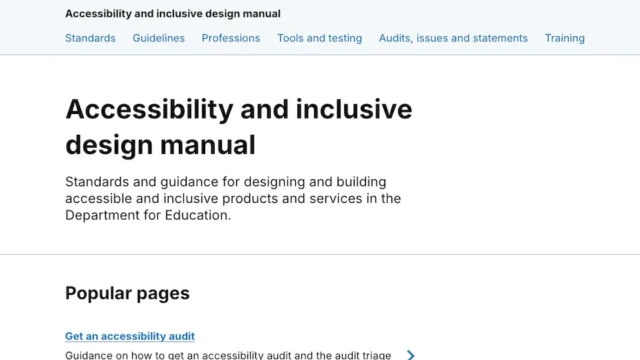
Traditionally, information architects are responsible for the underlying organization of a digital environment. They design the sitemaps, taxonomies, and navigation systems that dictate how a user finds and processes information. However, within the context of the GDS, this role has evolved into a critical safeguard for digital inclusion. As public services increasingly migrate to digital-first or digital-only models, the clarity of a site’s architecture can determine whether a citizen successfully accesses healthcare, benefits, or legal documentation.
The Strategic Framework for Accessible Architecture
For organizations beginning their journey toward digital inclusion, the GDS experts emphasize that accessibility cannot be an afterthought or a final "layer" applied to a finished product. Becky Ashley, Lead Information Architect at GDS, advocates for the total integration of accessibility at every organizational level. This involves embedding a collective mindset where accessibility is viewed as a shared responsibility across all skill sets—from project management to backend development—rather than the sole domain of a specialized testing team.
Building internal advocacy is a parallel necessity. Sally Creasey, Senior Information Architect, notes that successful IA requires taking stakeholders and colleagues on a journey. By involving diverse teams in the creation of ontologies and knowledge organization systems, architects ensure that the final structure is understood and supported by those who maintain it. This collaborative approach prevents the "silo effect," where an architecturally sound plan fails because it does not align with the practical realities of content management or user behavior.
Rik Williams, also a Senior Information Architect at GDS, provides a technical framework for this work, identifying three "pillars" of IA that must be addressed to ensure accessibility:
- Ontology: Defining what the information is. Accessible ontologies use clear, consistent concepts that assist users with cognitive disabilities or limited domain knowledge.
- Taxonomy: Determining how information is organized. Inclusive taxonomies use predictable and logical structures, which are essential for users relying on screen readers or those with mobility impairments.
- Choreography: Mapping how users interact with information across different channels and contexts. This involves creating logical sequences that support keyboard navigation, clear focus indicators, and consistent navigation patterns.
Chronology of Accessibility Standards in the UK Public Sector
The focus on information architecture comes at a pivotal time for UK digital standards. The evolution of accessibility requirements has followed a strict timeline, beginning with the Equality Act 2010 and accelerating with the Public Sector Bodies (Websites and Mobile Applications) (No. 2) Accessibility Regulations 2018.
In September 2018, the regulations mandated that all new public sector websites must meet Web Content Accessibility Guidelines (WCAG) 2.1 Level AA standards. By September 2020, this requirement was extended to all existing public sector websites, and by June 2021, to mobile applications. More recently, the transition to WCAG 2.2, which was officially published in October 2023, has introduced new criteria specifically targeting cognitive accessibility and mobile interactions—areas where information architecture plays a decisive role.
The GDS "Unlocking Accessibility" series represents the latest phase in this chronology, shifting the focus from technical "check-the-box" compliance to a holistic design philosophy. This shift acknowledges that while a website may pass an automated accessibility scan, its information architecture might still be so complex that it effectively excludes users with anxiety, ADHD, or early-stage dementia.
Data and the Impact of Digital Exclusion
The importance of the IA-focused approach is underscored by national disability statistics. According to the Department for Work and Pensions (DWP), there are approximately 16 million people reporting a disability in the UK, representing roughly 24% of the population. Furthermore, data from the Office for National Statistics (ONS) suggests that disabled adults are more likely to be among the "digitally excluded," with lower rates of internet usage compared to non-disabled adults.
Research into the "Purple Pound"—the spending power of disabled households—estimates its value at £274 billion per year in the UK. For the public sector, the stakes are even higher than commercial revenue; digital barriers in government services can lead to increased costs for telephone helplines and physical processing centers, as well as the social cost of citizens being unable to access essential rights and services.
Cross-Disciplinary Education and the POUR Principles
Educating a broader team about IA accessibility requires a shared language. Becky Ashley suggests using the "POUR" principles—Perceivable, Operable, Understandable, and Robust—as a framework that transcends specific technical disciplines. By applying these principles to workflows, teams can ensure that the "Understandable" aspect of a service is rooted in the architecture itself, not just the wording of a single page.
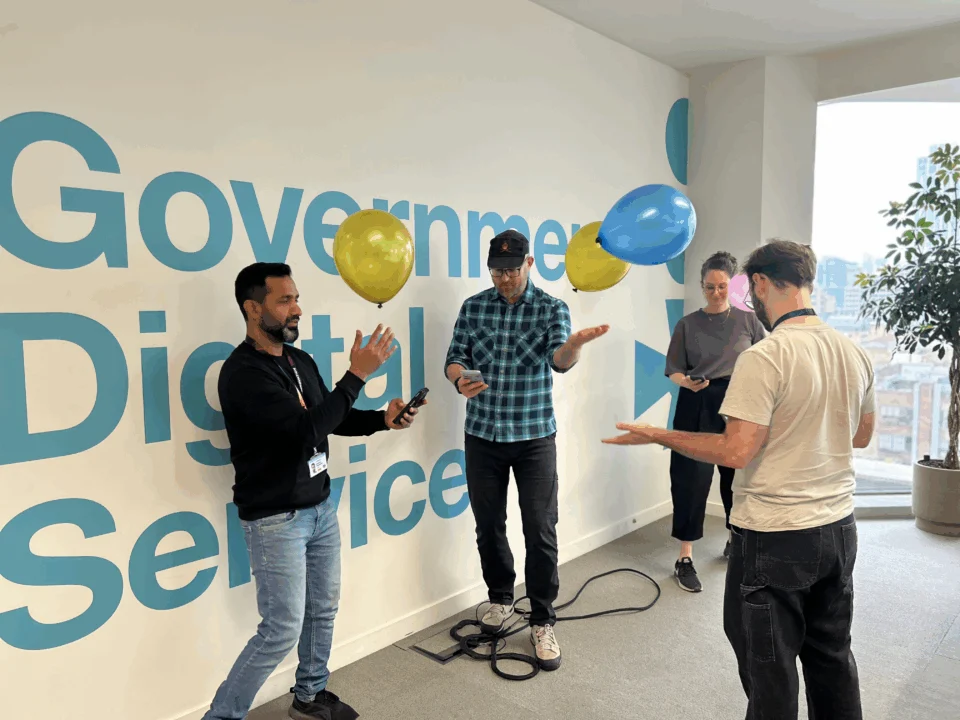
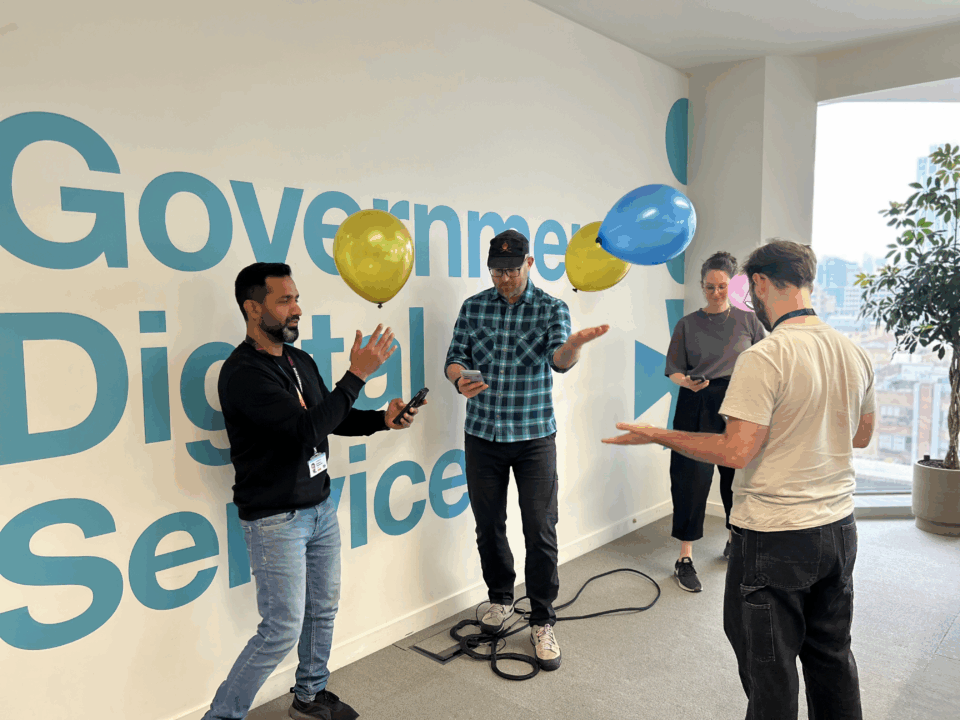
To bridge the gap between designers and the lived experience of users, GDS utilizes various simulation tools, such as motor-control limiting gloves or "empathy balloons"—a game designed to simulate the cognitive load and dexterity challenges faced by many users. However, Rik Williams cautions that while these simulations are valuable for building initial empathy, they are no substitute for direct research with people who have diverse abilities. Simulations can provide a glimpse into barriers, but they cannot replicate the long-term workarounds and environmental contexts that disabled users navigate daily.
Mitigating Common Pitfalls in Structural Design
The GDS experts identify several recurring pitfalls that can undermine accessibility in information architecture. One of the most significant is "organizational-centric design," where a website’s structure mirrors the internal hierarchy of a government department rather than the mental models of the citizens using the service. This often leads to the use of technical jargon and the creation of sections with overlapping purposes—a phenomenon Sally Creasey describes as the "paradox of choice."
To combat this, architects employ "controlled vocabularies" to ensure consistency. If a service refers to a "permit" in one section and a "license" in another to describe the same object, the resulting mental load can be prohibitive for users with cognitive impairments.
Furthermore, Becky Ashley highlights the danger of viewing IA as a static task. Information systems must be adaptable, with continuous feedback loops between user needs and data structures. As user needs evolve, the metadata and labels that categorize content must be flexible enough to change without breaking the underlying service.
Methodologies for Inclusive Architecture
To ensure that IA remains accessible, the GDS team employs several specialized processes:
- Object-Oriented Design (OOD): This involves building information environments around tangible "objects" that users recognize, ensuring consistency across different technologies and platforms.
- Progressive Disclosure: A technique where information is revealed only as needed, preventing users from becoming overwhelmed by too much data at once.
- Noun and Verb Foraging: Analyzing the language users naturally employ to describe their goals, which then informs the labels and navigation of the site.
- Card Sorting and Tree Testing: Research methods that allow users to categorize information in a way that makes sense to them, rather than following a predetermined organizational logic.
Analysis of Broader Implications and Future Trends
The approach shared by the GDS information architects signals a broader trend in digital governance: the move toward "universal design." As referenced by World Wide Web creator Tim Berners-Lee, the power of the web lies in its universality. By focusing on the most vulnerable users, architects create systems that are more intuitive for everyone.
The integration of Artificial Intelligence (AI) and advanced metadata also offers new frontiers for IA. Sally Creasey suggests that by investing in robust metadata today, organizations can eventually serve highly relevant, tailored content to users via their preferred channels—whether that be a screen reader, a simplified text interface, or a voice-activated assistant.
In conclusion, the GDS’s focus on information architecture as a pillar of accessibility reflects a sophisticated understanding of digital barriers. It moves the conversation from the visual interface to the structural foundation of the web. As the UK continues to lead in digital government standards, the methodologies outlined by Ashley, Creasey, and Williams provide a blueprint for how large-scale organizations can transform complex data into clear, navigable, and truly public services. The "Unlocking Accessibility" series continues to serve as a critical resource for professionals aiming to ensure that the digital world remains open to all, regardless of their physical or cognitive circumstances.