The Evolution of Hearing Health Advocacy
The campaign for safer listening environments has gained significant momentum over the past eighteen months. Following a targeted awareness push during Tinnitus Week 2026 and a preliminary engagement at the Download Festival—where Tinnitus UK introduced hearing health education to the heavy metal community—the move to ArcTanGent signaled a transition from passive education to active implementation.
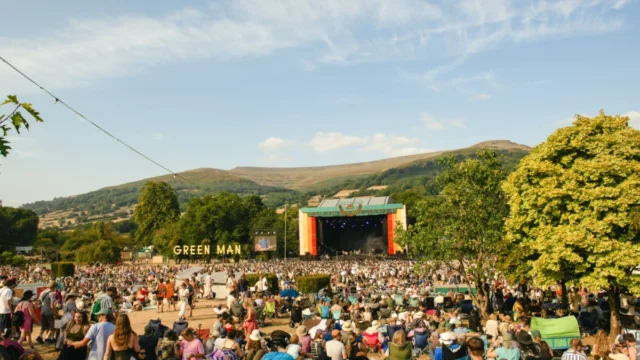
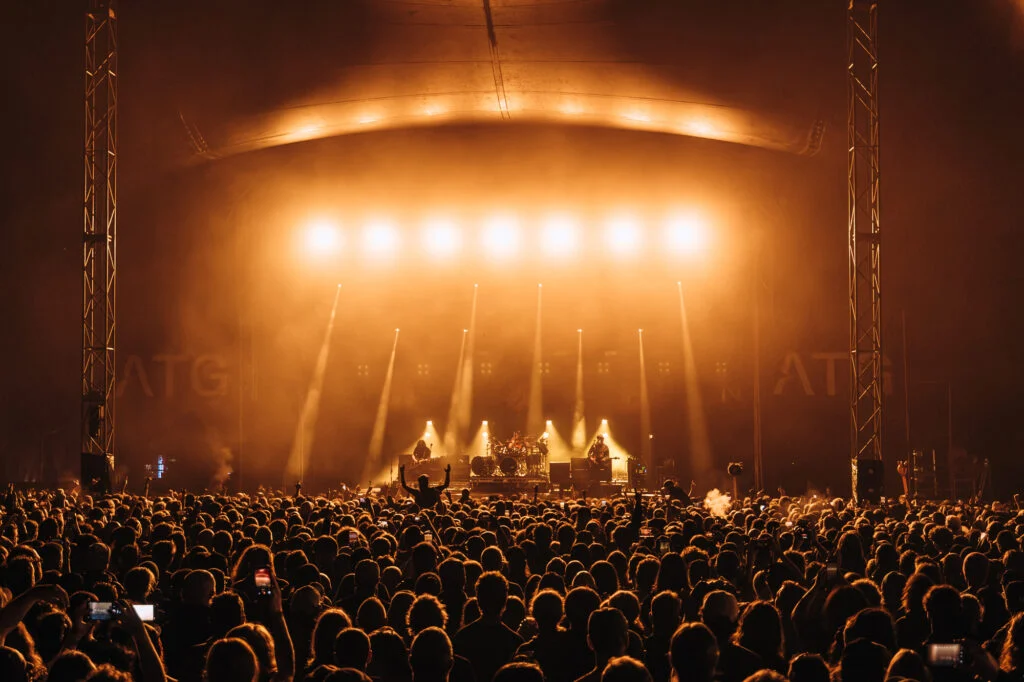
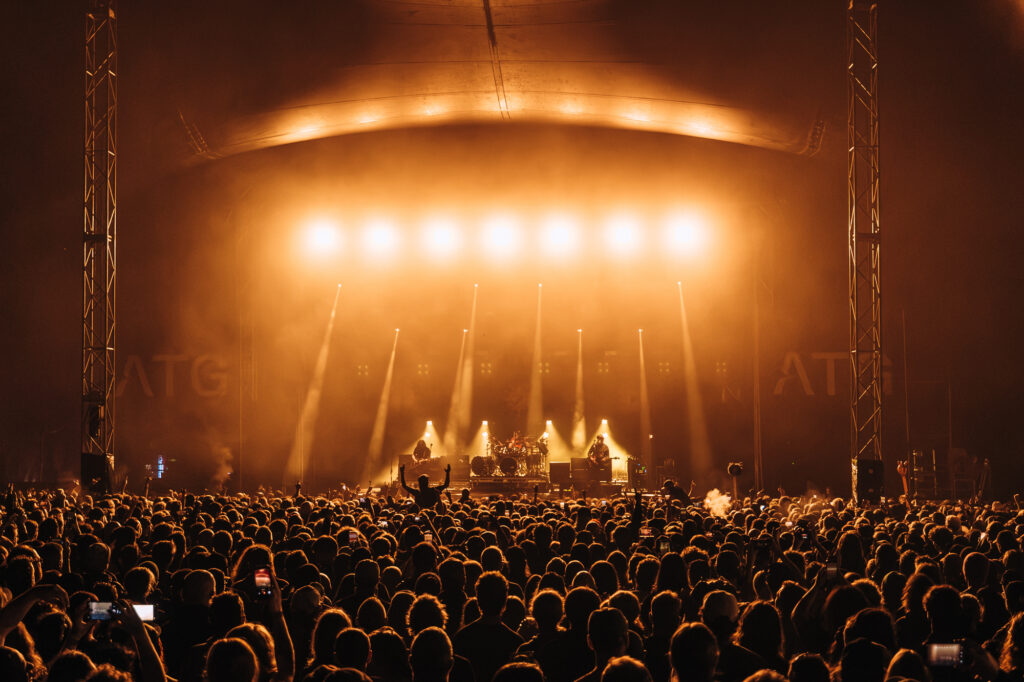
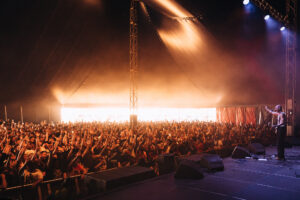
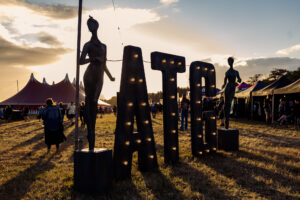
ArcTanGent, held annually in the Mendip Hills, is known for its uncompromising, high-decibel curation, featuring genres ranging from extreme post-metal and experimental electronics to intricate progressive rock. Because the festival’s core audience is deeply invested in technical sound quality, it served as an ideal laboratory for testing whether rigorous safety standards could coexist with the immersive, high-volume requirements of the genre.
Implementing the WHO Global Standard
The WHO Global Standard for Safe Listening, introduced to combat the rising global prevalence of hearing loss and tinnitus, outlines specific technical and operational recommendations. For ArcTanGent, this necessitated a multi-faceted approach managed by the ManCAD team. The implementation strategy focused on four primary pillars:
- Sound Level Monitoring: Real-time tracking of decibel levels across all four stages to ensure compliance with recommended thresholds.
- Acoustic Engineering: Strategic adjustments to sound system design to optimize clarity while minimizing the risk of over-exposure.
- Accessibility of Protection: The provision of free foam earplugs at stage barriers, supplemented by high-fidelity earplug options available at merchandise stalls.
- Institutional Training: Staff and security personnel underwent specialized training via the HELA (Hearing Education and Loud Music Awareness) initiative, empowering them to manage volume expectations and assist attendees with hearing protection.
Chronology of the Project
The integration of these standards followed a precise timeline. Preparations began months in advance, involving a series of consultative sessions between Tinnitus UK, the festival organizers, and acoustical engineers. By the time the festival gates opened in August 2026, the groundwork had been laid for continuous monitoring.
Throughout the four-day event, researchers were stationed across the site. Their role was two-fold: providing technical support to sound engineers to maintain safe levels and conducting qualitative research through interviews with stakeholders. By the conclusion of the event, the data collected provided a blueprint for how future festivals might scale these measures.
Statistical Insights and Audience Behavior
One of the most revealing findings from the ArcTanGent study was the high baseline of awareness among the attendees. Observational data gathered by volunteers indicated that over 50% of the audience members were already utilizing some form of hearing protection, with the percentage rising significantly as individuals moved closer to the stage barriers.
This high rate of adoption suggests a cultural shift within the fan base. Historically, the use of earplugs at live events was sometimes viewed as a deterrent to the experience. However, at ArcTanGent, the research indicated that participants recognized hearing protection as a tool to improve sound fidelity, specifically in reducing the "muddy" distortion that can occur at extreme volumes. The feedback suggested that when sound is managed properly through high-fidelity earplugs, the musical nuances—particularly the complex layers characteristic of progressive music—remain clear and sharp.
Expert Perspectives on the Initiative
The collaboration between academic researchers and the live music sector has been lauded as a necessary step for the industry’s longevity. Dr. Samuel Couth, a lecturer at ManCAD, emphasized that the goal is not to silence live music, but to ensure that it remains a sustainable form of entertainment.
"Live music is a pillar of modern culture," Dr. Couth noted in a post-festival statement. "The challenge has always been to prove that the visceral experience of a loud performance and the protection of long-term auditory health are not mutually exclusive. The success at ArcTanGent proves that with the right infrastructure and education, we can preserve both the art and the artist’s—and the audience’s—ears."
Industry stakeholders, including sound technicians and venue managers, have also responded positively. The training provided by the HELA initiative allowed staff to communicate more effectively with concert-goers regarding the "why" and "how" of safe listening, shifting the narrative from a restrictive regulation to a supportive service.
Broader Implications for the Live Music Industry
The implications of the ArcTanGent project extend far beyond a single festival. As hearing-related health issues, including noise-induced hearing loss and chronic tinnitus, continue to be reported globally, the music industry faces increasing pressure to adopt proactive safety standards.
Data from the WHO indicates that over 1 billion young adults are at risk of permanent, avoidable hearing loss due to unsafe listening practices in recreational settings. By implementing the WHO standard, ArcTanGent has demonstrated that event organizers can mitigate this risk without alienating their audience. The scalability of these measures—specifically the combination of free, accessible earplugs and real-time monitoring—provides a cost-effective and socially responsible model for other festivals, from small club venues to large-scale international tours.
Challenges and Future Directions
Despite the success of the initiative, researchers acknowledge that significant work remains. The primary challenge is the inconsistency of sound systems and venue acoustics, which makes a universal "safe" volume difficult to define. Furthermore, while the ArcTanGent audience displayed a high level of health literacy, broader education is required to reach demographics that may still view hearing protection as unnecessary or aesthetically undesirable.
Looking ahead, Tinnitus UK and ManCAD plan to synthesize the data gathered at the festival into a comprehensive report. This document will be used to advocate for policy changes across the UK music sector, with the goal of making "safe listening" as standard as fire safety or medical first-aid coverage at large events.
Conclusion: A New Standard for Live Performance
The ArcTanGent experience has dismantled the myth that safe listening is an impediment to the raw power of live music. By providing the tools for protection and the data to justify their use, the festival has set a precedent that prioritizes the long-term well-being of its community.
For the modern concert-goer, the takeaway is clear: the future of live music is loud, but it is also smarter. As the industry looks to the 2027 festival season, the expectation is that the practices tested in the Mendip Hills will become the gold standard. For those attending upcoming performances, the message is simple—enjoy the music, stay immersed, but pack your earplugs to ensure you can continue to enjoy the sounds you love for years to come.