The Scope of Proposed Regulatory Shifts
At the center of the controversy is a series of proposed amendments to OSHA’s substance-specific standards. The agency, operating under a broader Department of Labor directive to minimize the administrative burden on employers, argues that current regulations are unnecessarily rigid. According to OSHA’s internal assessment, the proposed changes are designed to introduce greater flexibility in respirator selection and to harmonize industry-specific requirements with the overarching General Respiratory Protection Standard (29 CFR 1910.134).
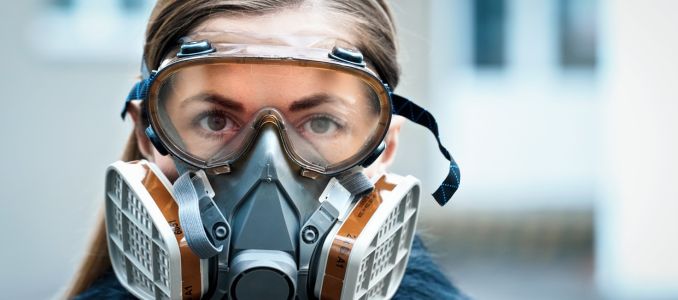
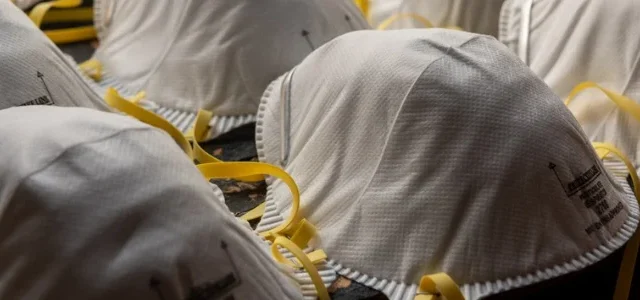
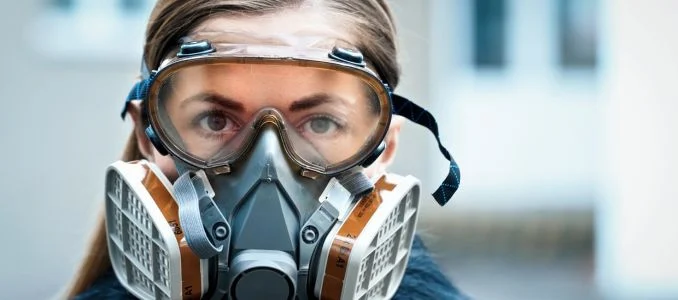
The most contentious element of these proposals involves the elimination of mandatory medical evaluations for employees who utilize filtering facepiece respirators—most commonly known as N95 masks—and loose-fitting powered air-purifying respirators (PAPRs). OSHA contends that because these devices impose a lower physiological strain on the wearer compared to tight-fitting, full-face respirators, the current requirement for a medical sign-off constitutes a regulatory overreach that complicates operations for employers without providing a commensurate increase in safety.
Chronology of the Legislative and Regulatory Process
The timeline leading to this impasse began as part of a wider, multi-year Department of Labor initiative to modernize workplace regulations. Throughout the fiscal year, OSHA began conducting reviews of various standards that had remained largely unchanged for decades.
In mid-2026, the agency socialized the concept of modifying respiratory protection standards to address industry feedback regarding compliance costs. However, the proposal faced immediate skepticism from labor unions and advisory bodies. By early October 2026, internal reports circulated suggesting that the agency was moving toward a formal rulemaking process. On October 29, 2026, the letter from Rep. Omar and Sen. Warren was delivered to Assistant Secretary Keeling, marking a formal escalation of the dispute. As of the current date, the proposals remain in the developmental stage and have not yet been finalized or codified into law. Until such time that a final rule is published in the Federal Register, employers are legally obligated to continue adhering to existing, more rigorous respiratory protection standards.

Data-Driven Concerns and Medical Implications
The opposition to these changes is rooted in both clinical and practical concerns. The lawmakers’ letter cites the potential for adverse health outcomes, particularly for workers with pre-existing, undiagnosed cardiovascular or respiratory conditions. The argument presented by critics is that the physical exertion associated with wearing even a filtering facepiece respirator can be significant when combined with high-heat environments or physically demanding labor.
Medical professionals and labor advocates point to the fact that "filtering facepiece" does not necessarily equate to "low risk." In industrial settings where workers are exposed to carcinogens such as asbestos or toxic heavy metals like lead, the integrity of the respiratory seal and the physical ability of the worker to breathe through the filter are matters of life and death.
Furthermore, the Advisory Committee on Construction Safety and Health (ACCSH), a body established to provide OSHA with industry-specific expertise, has formally recommended against the removal of the medical evaluation requirement. The committee’s stance is that the medical evaluation is a foundational component of the “respiratory protection program,” and removing it creates a dangerous precedent that could lead to an increase in workplace-related illnesses, which currently cost the industry and the public health system billions of dollars annually in lost productivity and medical care.

Industry and Labor Perspectives
The labor movement has been quick to mobilize against the proposal. Organizations such as National Nurses United (NNU) have expressed alarm, noting that the removal of medical evaluations could leave vulnerable workers exposed to airborne pathogens and chemical hazards. Labor leaders argue that the "regulatory burden" mentioned by the Department of Labor is, in reality, a "safety requirement" that ensures workers are physically capable of performing their duties without endangering their health.
Conversely, some industry advocacy groups have signaled support for the changes, noting that the current requirement for medical evaluations can create bottlenecks in hiring, especially for temporary or seasonal construction projects. For these groups, the administrative cost of scheduling medical evaluations for every worker using a standard N95 mask can run into the thousands of dollars per project, providing a strong economic incentive for the proposed flexibility.
The Broader Impact of Regulatory Streamlining
The debate over these respiratory standards is emblematic of a larger ideological divide in labor policy. On one side, the Biden-era administrative philosophy—often centered on efficiency and reducing the "red tape" that may hinder economic growth—seeks to identify areas where compliance costs can be reduced without sacrificing essential safety. On the other side, lawmakers and unions argue that any attempt to "streamline" safety standards is inherently risky, as safety protocols were often written in response to past industrial accidents or long-term health crises.

A fact-based analysis suggests that if the proposal moves forward, the primary risk lies in the lack of screening for workers with underlying pulmonary issues. While an N95 mask might seem benign to the average user, in an environment saturated with silica dust or arsenic, the act of breathing through a filter for an eight-hour shift requires a level of respiratory capacity that not all employees possess. The absence of a mandatory evaluation removes a critical safety valve that identifies these workers before they are placed in high-risk zones.
Implications for Future Workplace Safety
Should OSHA proceed with these revisions despite the legislative pressure, the agency may face significant legal challenges. Unions are likely to initiate litigation on the grounds that the changes violate the OSH Act of 1970, which mandates that the Secretary of Labor ensure, to the extent possible, that no employee suffers diminished health or functional capacity due to their work.
Moreover, the intervention of 27 high-ranking lawmakers signals that this issue will likely remain a focal point of congressional oversight. If OSHA does not reconsider the proposal, it is highly probable that the agency will be called to testify before a House or Senate committee to justify the medical evidence—or lack thereof—supporting the removal of these evaluations.

Conclusion and Current Status
For the time being, the status quo remains in effect. Employers in construction, manufacturing, and healthcare sectors must continue to facilitate medical evaluations for all employees required to wear respirators, regardless of the type. The agency is currently in a state of deliberation, weighing the pressure from industry groups seeking administrative relief against the significant, unified opposition from labor, medical professionals, and a robust contingent of Congress.
The outcome of this process will serve as a bellwether for the future of federal workplace safety regulations. If the administration chooses to prioritize efficiency at the expense of established medical screening practices, it may set a precedent for the dilution of other occupational standards. However, if the agency chooses to withdraw or modify the proposal in response to the concerns raised, it would reaffirm the importance of medical surveillance in protecting the American workforce from the invisible, long-term threats posed by hazardous workplace environments.
As the situation develops, safety officers and HR directors are advised to monitor the Federal Register closely for any updates. The importance of maintaining comprehensive respiratory protection programs, including fit testing and medical surveillance, cannot be overstated, particularly in industries where the margin for error is measured in parts per million of toxic exposure. The coming months will determine whether the current regulatory architecture of worker protection will hold firm or be fundamentally restructured to favor a more flexible, albeit potentially more hazardous, model of industrial safety.