The Evolution of Digital Accessibility Standards in the United Kingdom
The emphasis on accessibility within the UK government is not merely a design preference but a legal and ethical mandate. The background of this initiative is rooted in the Public Sector Bodies (Websites and Mobile Applications) (No. 2) Accessibility Regulations 2018, which require all public sector digital services to meet the Web Content Accessibility Guidelines (WCAG) 2.2 at the AA standard. These regulations build upon the Equality Act 2010, which prohibits discrimination against people with disabilities in the provision of services. Since the inception of the Government Digital Service in 2011, the UK has been a global leader in user-centered design, and the "Unlocking Accessibility" series represents a continued effort to share these institutional learnings with the broader tech community.
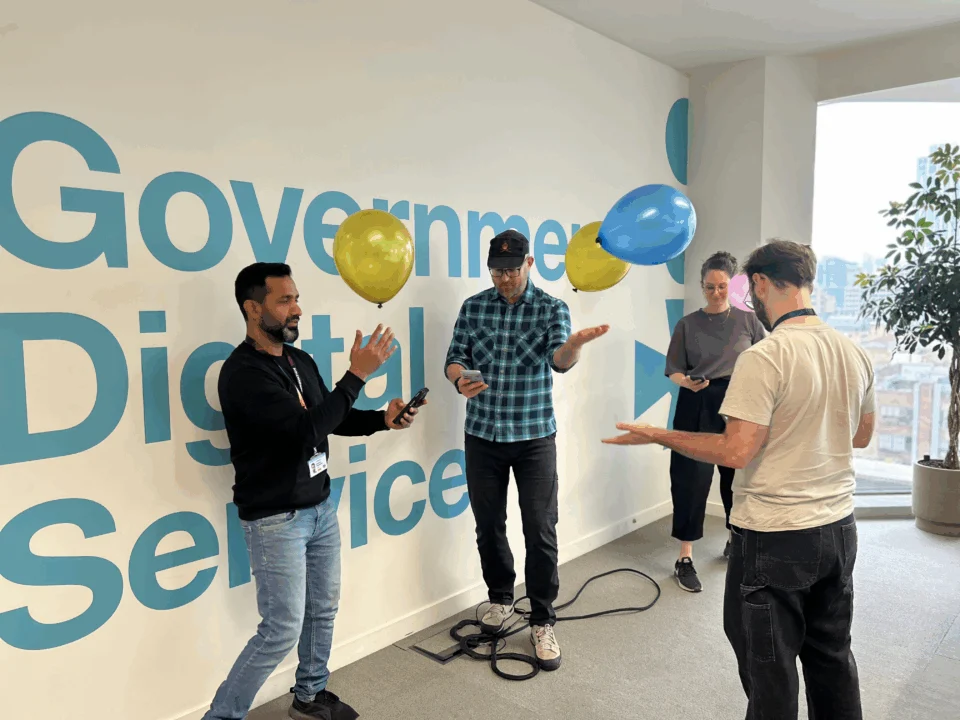
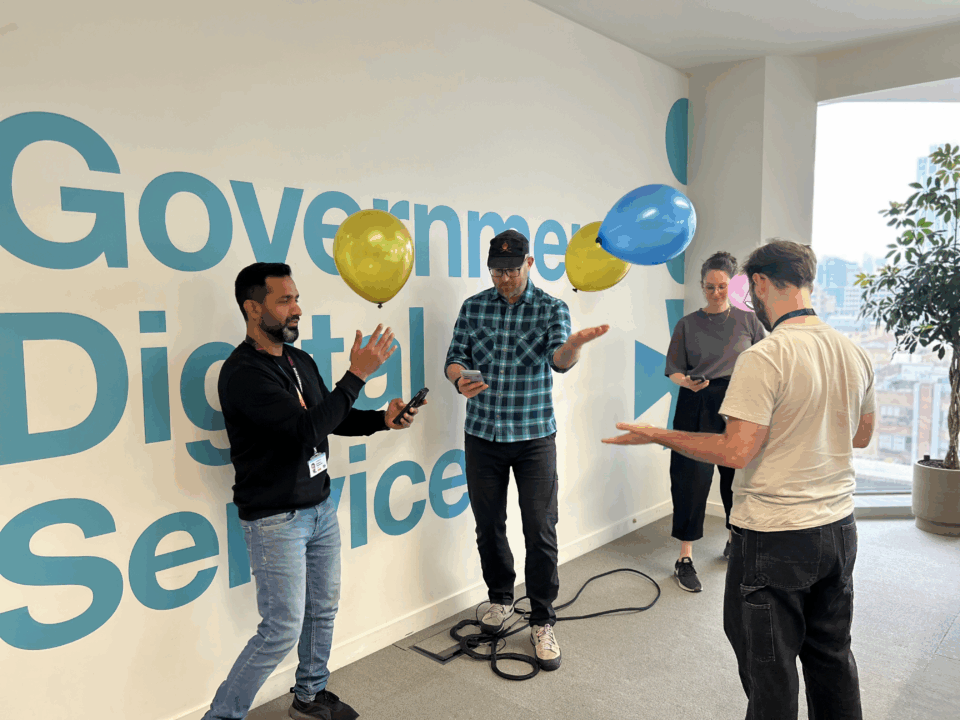
The chronological development of these standards has moved from a focus on technical compliance—such as ensuring screen reader compatibility—to a more holistic understanding of cognitive accessibility. This evolution is reflected in the GDS panel’s focus on "empathy-building" and "deliberate user-centered design." For example, the use of "empathy balloons"—a game mentioned by the experts—serves as a low-cost, high-impact tool to simulate the challenges faced by users with cognitive or dexterity impairments. This marks a transition from viewing accessibility as a checklist to viewing it as a core component of organizational culture.
Strategic Frameworks: Ontology, Taxonomy, and Choreography
A central theme of the GDS approach is the categorization of information architecture into three distinct pillars: ontology, taxonomy, and choreography. Senior Information Architect Rik Williams argues that prioritizing accessibility requires a focused effort on each of these areas. Ontology refers to the "what" of information—the clear and consistent definition of concepts. For individuals with cognitive disabilities or limited domain knowledge, an accessible ontology ensures that the information remains understandable regardless of the user’s background.
Taxonomy, or the "how" of organization, involves creating predictable and logical structures. This is particularly vital for users of assistive technologies, such as screen readers, who rely on a consistent hierarchy to navigate complex sites. Finally, choreography addresses the "how" of interaction—the sequence of steps a user takes across different channels and contexts. Williams notes that well-choreographed information architecture creates logical tabbing orders for keyboard users and clear, understandable calls to action for everyone. By viewing these three pillars as a cohesive system, architects can create "deeply usable" systems that are fundamentally accessible to those with varying levels of focus, memory, and physical ability.
Supporting Data and the Impact of Inaccessible Design
The necessity of this structural focus is underscored by broader industry data. According to the "WebAIM Million" report, an annual accessibility analysis of the top one million homepages, approximately 96% of websites still fail to meet basic WCAG criteria. Common failures include low-contrast text and missing alternative text for images, but more insidious are the structural failures that information architecture aims to solve.
In the United Kingdom, data from the charity Scope indicates that there are 16 million people with disabilities, representing nearly 24% of the population. Furthermore, the "Purple Pound"—the spending power of disabled households—is estimated at £274 billion per year. For government services, the stakes are even higher; when a digital service is inaccessible, it can prevent citizens from accessing essential benefits, healthcare, or legal information. The GDS panel highlights that structural issues, such as the "paradox of choice" created by overly complex navigation or the use of confusing jargon, add a significant mental load to users. This cognitive friction can be the difference between a user successfully completing a task and abandoning a service in frustration.
Official Responses: Building Advocacy and Cultural Integration
The experts from GDS emphasize that technical tools are insufficient without a supportive organizational culture. Lead Information Architect Becky Ashley advocates for the integration of accessibility at every level of an organization. She suggests that teams should adopt the "POUR" principles—ensuring that information is Perceivable, Operable, Understandable, and Robust—as a shared language across disciplines. This collaborative approach ensures that developers, content creators, and designers are all working toward the same inclusive goals.
Sally Creasey, Senior Information Architect, stresses the importance of advocacy. She argues that IAs must "be the change they want to see" by involving stakeholders and end-users throughout the design process. One common pitfall identified by Creasey is the tendency for organizations to design structures around their own internal hierarchies rather than the mental models of their users. To combat this, GDS utilizes methodologies such as "noun and verb foraging," card sorting, and tree testing. These processes allow architects to see firsthand how users categorize information and what terminology they naturally use, thereby reducing the "paradox of choice" and ensuring that labels remain intuitive.
Methodologies for Inclusive Architecture: From OOD to Progressive Disclosure
To ensure that information architecture remains robust, the GDS team utilizes several advanced design processes. One such method is Object-Oriented Design (OOD), which focuses on creating information environments built around tangible, standardized "objects." Rik Williams notes that OOD helps connect information architecture with technical accessibility by ensuring consistent text structures and enabling personalization. This consistency is crucial for users who may need to adjust the presentation of content—such as font size or color contrast—to meet their specific needs.
Another key technique is "progressive disclosure," which involves revealing information only as it becomes necessary for the user. This prevents users from being overwhelmed by a "wall of data" and helps maintain focus, particularly for those with ADHD or other cognitive conditions that affect attention span. By breaking down complex processes into a hierarchy of manageable steps, architects can guide users through a service in a way that respects their cognitive limits.
Broader Implications and the Future of Digital Inclusion
The insights shared by the GDS information architects have implications that extend far beyond the public sector. As artificial intelligence and automated content management systems become more prevalent, the role of metadata and "controlled vocabularies" will become even more critical. Becky Ashley points out that labels containing code and content must perform the role of accessible metadata, creating a continuous feedback loop that allows digital services to adapt to emerging user needs.
The expert panel’s discussion suggests that the future of digital accessibility lies in "universality"—a principle championed by Web creator Tim Berners-Lee. As services move toward multi-channel delivery, the information architecture must be flexible enough to work across websites, mobile apps, and voice-activated assistants. The GDS team concludes that while simulations and automated tools are helpful, there is no substitute for direct research with people who have diverse access needs.
In summary, the "Unlocking Accessibility" series reinforces the idea that accessibility is not a "finished" state but a process of continuous iteration. By focusing on the structural integrity of information—through clear ontologies, logical taxonomies, and thoughtful choreography—information architects are providing the essential framework for a truly inclusive digital society. As the UK government continues to refine these practices, the lessons learned by GDS provide a blueprint for organizations worldwide to transition from basic compliance to a more empathetic, user-centered approach to digital design.