Understanding the Clinical Landscape of Angelman Syndrome
Angelman Syndrome occurs due to the loss of function of the UBE3A gene in the brain, typically inherited from the mother. The condition affects approximately 1 in 15,000 to 1 in 20,000 individuals worldwide. While the clinical presentation varies, common features include microcephaly, seizures, and a distinct lack of expressive speech. Historically, the absence of verbal communication led to the misconception that individuals with AS lacked cognitive capacity or the desire to engage. Modern clinical perspectives, however, emphasize that the neurobiological constraints on speech production do not equate to a deficit in intent or comprehension.
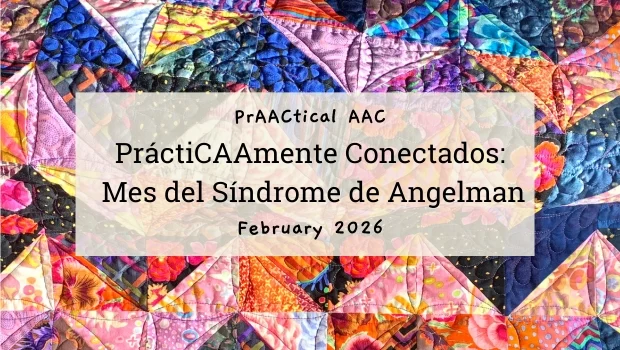
The focus of this year’s awareness initiatives shifts from merely defining the syndrome to actively fostering "communication-accessible" environments. For the Spanish-speaking community, figures such as advocate Claudia Marimón have spearheaded efforts to provide families and service providers with the necessary tools to implement AAC strategies. These strategies move beyond simple picture exchanges, focusing instead on robust language modeling, where caregivers provide consistent, meaningful visual and gestural input to help individuals with AS navigate their daily lives.
The Role of AAC as a Bridge to Autonomy
Augmentative and Alternative Communication (AAC) encompasses a range of methods—from low-tech systems like PECS (Picture Exchange Communication System) and communication boards to high-tech speech-generating devices (SGDs)—that supplement or replace verbal speech. Research indicates that early intervention with AAC is significantly correlated with improved social outcomes and reduced behavioral frustration in children with Angelman Syndrome.
The transition from a "tool-based" approach to a "language-based" approach is the current standard of care. By providing individuals with AS the means to express preferences, feelings, and needs, clinicians and families report a marked increase in the individual’s sense of agency. This empowerment is not merely anecdotal; it is supported by longitudinal studies in neuro-rehabilitation that demonstrate that consistent access to communication systems facilitates better integration into educational and community settings.
Chronology of Advocacy and the Path to the 2026 Congress
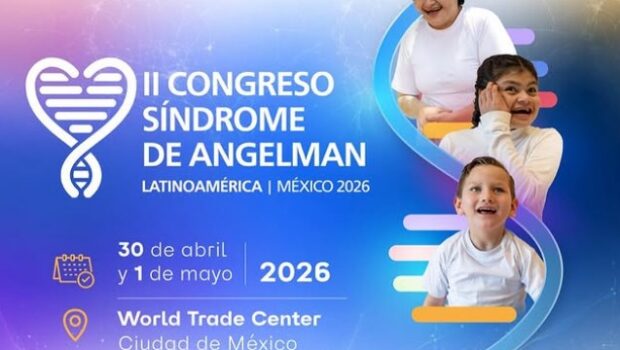
The global movement to support individuals with AS has seen significant evolution over the last decade. Historically fragmented, the community has moved toward centralized, international cooperation. The upcoming II Latin American Angelman Syndrome Congress, scheduled for April 30 and May 1, 2026, in Mexico City, represents the culmination of years of network-building among families, clinical researchers, and specialized therapists.
- 2015-2018: Initial regional efforts in Latin America began to coalesce, focusing primarily on basic awareness and parent-led support groups.
- 2020: The shift toward digital advocacy allowed for the rapid dissemination of AAC training materials in Spanish, bridging the gap for rural or underserved populations.
- 2024: Planning for the second regional congress commenced, with a specific mandate to include, for the first time, a dedicated track for speech-language pathologists focusing on the intersection of AAC and neurogenetic disorders.
- 2026 (Upcoming): The Mexico City summit aims to establish a unified regional protocol for early intervention, ensuring that the progress seen in more developed medical markets is accessible across Latin America.
Data-Driven Perspectives on Intervention
The economic and social implications of early intervention are substantial. Data from international health organizations suggest that individuals with developmental disabilities who have access to AAC are 40% more likely to transition into inclusive educational settings compared to those who do not. Furthermore, the cost-benefit analysis of providing early AAC training reveals a reduction in long-term behavioral management costs, as the individual is better equipped to manage their environment and reduce communication-based stressors.

However, a significant "implementation gap" persists. While the technology is available, the human infrastructure—the communication partners—is often undertrained. The emphasis for the 2026 Congress is not just on the software or the hardware, but on the "communication partner training" model. This model posits that the success of an individual with Angelman Syndrome is inextricably linked to the fluency and confidence of their caregivers.
Official Responses and Community Impact
Advocacy leaders have underscored the necessity of moving beyond traditional medical models that view AS primarily through the lens of disability. Instead, there is a push to view the syndrome through the lens of human rights. "Communication is a right, not a privilege," remains the rallying cry for the 2026 conference organizers.
Professionals in the field of speech-language pathology emphasize that the "wait and see" approach, which was once common in pediatric development, is now considered obsolete. Evidence suggests that even for infants with a confirmed genetic diagnosis of AS, exposure to AAC systems should begin as early as possible. This "pre-intentional" communication support allows the brain to map language in a multisensory way, utilizing the individual’s natural strengths in visual processing and emotional expression.
Broader Implications and Future Trajectories
The implications of these advancements extend far beyond the individual family unit. By fostering a more inclusive communication culture, society benefits from the unique contributions of people with Angelman Syndrome. Their capacity for deep emotional connection, combined with the right communicative support, allows them to participate in family decision-making, educational discussions, and community events that were previously restricted.
As we look toward the 2026 Congress in Mexico City, the community is focusing on three key pillars:
- Standardization of Care: Developing a universal guideline for AAC implementation across Latin American health systems.
- Professional Development: Creating a robust pipeline of therapists who specialize in complex communication needs and neurogenetic disorders.
- Digital Equity: Ensuring that the digital tools required for AAC are subsidized and accessible, preventing the "digital divide" from becoming a barrier to human development.
The upcoming summit serves as a crucial barometer for the health of the community. With the official website, congresoangelman.com, now live, researchers and families are already coordinating the exchange of data that will likely shape clinical guidelines for the next decade.
Conclusion: A Collective Commitment
As February concludes, the spotlight on Angelman Syndrome serves as a reminder of the transformative power of language. The journey for a child or adult with AS is one that requires patience, persistent advocacy, and a deep, empathetic connection. By providing the tools for communication, we do not merely give someone a way to ask for a glass of water; we provide them with the keys to their own autonomy, the ability to define their own reality, and the fundamental capacity to be an active participant in their community.
The progress being made in the Spanish-speaking world is a testament to the fact that when families, researchers, and clinicians align their efforts, the barriers to inclusion begin to dissolve. As the community prepares for the landmark event in Mexico City, the message remains clear: the potential of those with Angelman Syndrome is vast, and it is the collective responsibility of society to ensure that this potential is met with the support, respect, and communication equity that every individual deserves. The road ahead is complex, but the path has been clearly marked by the tireless efforts of those who believe that every attempt, every gesture, and every word is a bridge to a more inclusive future.