The Genesis of the Movement: Tinnitus Week 2026
The campaign gained critical momentum in February 2026 during Tinnitus Week, a period dedicated to increasing awareness regarding the prevalence and management of tinnitus. The launch of the Amplifying Awareness report served as a foundational document, aggregating data from musicians, sound technicians, industry stakeholders, and fans. The report underscored a systemic need for safer listening protocols across the live music sector.

This intellectual groundwork was followed by the Quiet Night Out concert at London’s Union Chapel. The event served as a pilot project, demonstrating that high-fidelity sound quality could be maintained while operating within safer decibel thresholds. The success of this event provided the empirical evidence needed to approach larger commercial festivals, moving the conversation from theoretical health warnings to practical, onsite implementation.
A Chronology of Industry Engagement
Following the success of the spring initiatives, the focus shifted to the summer festival circuit, where audience exposure to loud music is at its peak. The strategy focused on a multi-tiered approach: education, environmental modification, and infrastructure assessment.
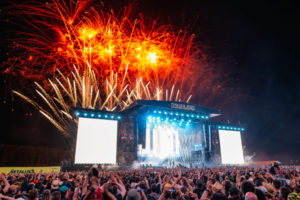
In early summer, Tinnitus UK collaborated with Download Festival, a massive multi-day event known for high-volume rock and metal performances. By engaging directly with attendees and crew, the organization began to normalize the presence of ear protection as a staple of concert-going, much like wearing sunscreen at an outdoor event.
By mid-summer, the initiative reached a technical milestone at ArcTanGent Festival. In partnership with the Manchester Centre for Audiology and Deafness (ManCAD), the festival implemented a rigorous trial of the World Health Organization’s (WHO) Global Standard for Safe Listening. This trial involved systematic sound level monitoring, the introduction of acoustic "quiet zones," and specialized training for festival staff regarding the impact of noise exposure.
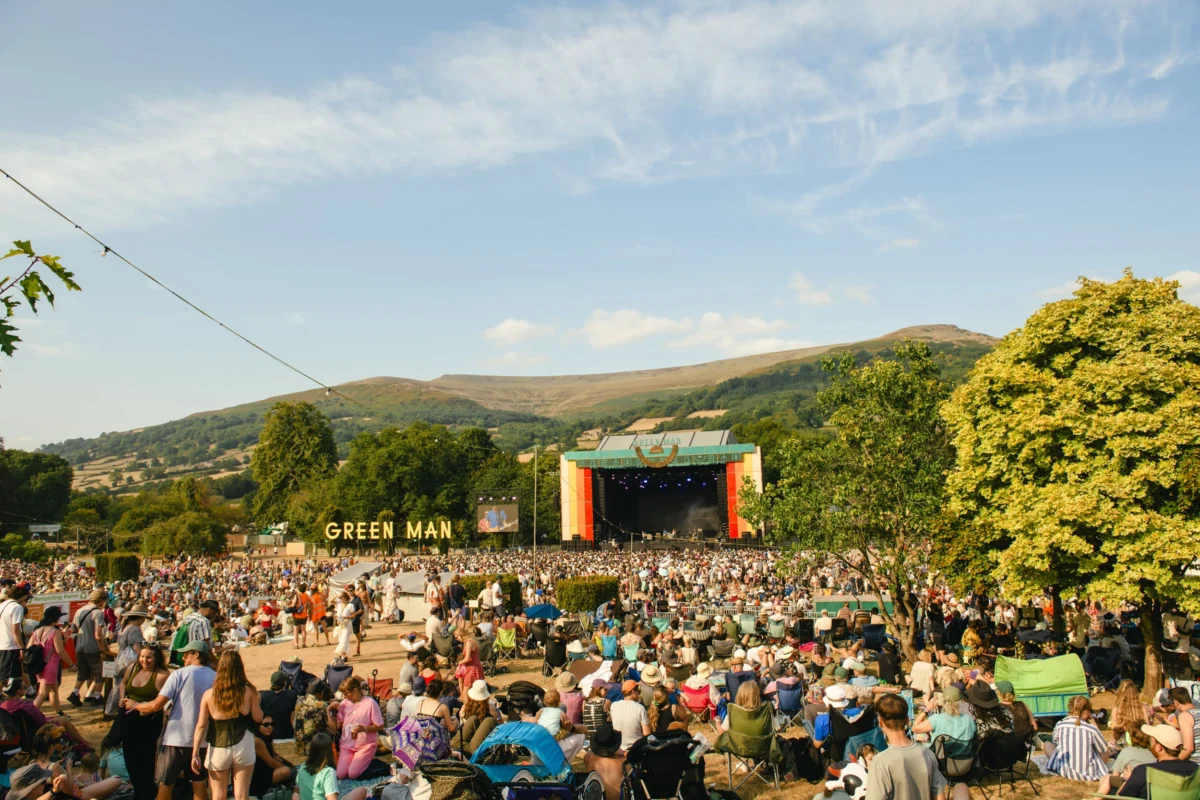
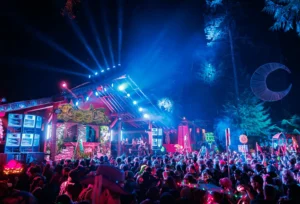
The collaboration continued through the late summer with prominent appearances at Shambala, Green Man, and the Reading & Leeds festival series. Each event provided a different setting—from independent, community-focused festivals to large-scale commercial gatherings—allowing for a diverse range of data collection and public outreach.
Supporting Data: The Scope of the Problem
The urgency of this campaign is rooted in stark statistical data. According to findings highlighted by Tinnitus UK during the Green Man Festival, 92% of regular gig-goers report experiencing temporary tinnitus—often described as ringing or buzzing in the ears—following a performance. Of those affected, 40% report that the condition has become persistent.
The implications for long-term health are significant. Chronic exposure to high sound pressure levels (SPL) leads to permanent threshold shifts, meaning the ear loses its ability to process certain frequencies over time. The WHO has previously warned that over 1 billion young people are at risk of permanent, avoidable hearing loss due to unsafe listening practices in recreational settings. By advocating for the use of high-fidelity, filtered earplugs, the campaign seeks to reduce these risks without muting the dynamic range or clarity of the music, effectively solving the "fidelity vs. protection" dilemma that has historically deterred fans from using standard foam earplugs.
Official Responses and Industry Integration
The reception from the festival industry has been largely positive, reflecting a broader awareness of duty-of-care responsibilities. At Shambala, for instance, the festival’s existing infrastructure already included mandatory hearing protection areas for staff working near high-output PA systems.
"Music is at the heart of what we do," a representative from Shambala stated during the August outreach. "Looking after our hearing means we can keep enjoying, and making, music for years to come." This sentiment is echoed by academics such as Dr. Samuel Couth of ManCAD, who emphasizes that the goal is not to suppress the music industry, but to refine it. "We want to put hearing health into practice, while recognizing that enjoying loud music and protecting your hearing don’t have to be mutually exclusive," Couth noted.
This shift is not merely about altruism; it is about sustainability. For the industry, protecting the hearing of the audience is essential to maintaining a lifelong customer base. For the artists, protecting their hearing is a career-extending requirement. By normalizing the use of protective measures, the industry is effectively safeguarding its own future.
Broader Implications: The Future of Live Sound
The ongoing integration of these measures suggests that the future of live music may involve a more sophisticated approach to acoustics. Future festivals are likely to incorporate:
- Dynamic Sound Management: Utilizing real-time monitoring to ensure SPL remains within safe limits without sacrificing the "punch" of the live mix.
- Standardized Quiet Zones: Creating dedicated areas where the noise floor is significantly lower, allowing for auditory recovery during long, multi-day festivals.
- Enhanced Accessibility: Making high-fidelity earplugs as common and accessible as water stations or earplugs at medical tents.
- Cultural Shift: Continued advocacy to remove the stigma surrounding ear protection, positioning it as a tool for the "seasoned music fan" rather than a sign of weakness or detachment.
The feedback from festival attendees has been encouraging. One long-time concert-goer shared their experience: "I no longer come home from events with ears ringing heavily for hours… this has enabled me to create music with closer attention to detail and become more aware of the risks of continued exposure." Such testimonials provide the social proof necessary to drive widespread adoption among younger demographics, who may not yet feel the immediate effects of noise damage.

Conclusion: A Sustainable Culture of Sound
The efforts of 2026 represent a turning point in how the UK handles the intersection of public health and cultural entertainment. By moving the conversation from the clinical office to the front row of the main stage, the movement has succeeded in making hearing health a tangible, actionable aspect of the festival experience.
The objective remains clear: to ensure that the music industry continues to thrive by ensuring its audience remains capable of appreciating it. As the industry looks toward the 2027 season and beyond, the framework established this year at events like Download and ArcTanGent serves as a template. Whether through technological advancements in sound system design or the simple, consistent use of personal ear protection, the message is resonating: looking after your ears is the single most effective way to ensure that the music never has to stop. The focus is no longer on restriction, but on longevity—ensuring that the next generation of music fans can enjoy the same visceral, high-impact experiences as those who came before them, without the collateral cost of permanent hearing loss.