Context and Origin of the Collaboration
The initiative stems from a long-standing mission within the international AAC community to standardize high-quality support materials. ISAAC, a global non-governmental organization, has historically functioned as the primary nexus for research and advocacy in the field of non-verbal communication. The involvement of Fiocruz, one of the most prominent public health and science institutions in Latin America, adds a layer of clinical and social authority to the project.
The decision to translate the guide into Spanish was motivated by the demographic reality that while AAC resources are often abundant in English or Portuguese, the Spanish-speaking community has frequently faced a scarcity of evidence-based, localized literature. By leveraging the expertise of ISAAC Brasil and the institutional reach of Fiocruz, the project ensures that the guide is not merely a linguistic translation but a culturally sensitive tool designed to address the specific needs of diverse social contexts across Spanish-speaking nations.
Chronology of the Development and Dissemination
The timeline of this resource reflects a structured approach to cross-border knowledge sharing:
- Initial Development (Phase I): ISAAC Brasil and Fiocruz collaborated to identify the most pressing questions asked by caregivers and professionals. The resulting content focused on the intersection of human rights and technological access.
- Translation and Adaptation (Phase II): Recognizing the global reach of the Spanish language, the team initiated a formal translation process. This stage prioritized ensuring that terminology remained consistent with international AAC standards while remaining accessible to laypeople.
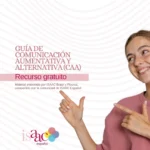
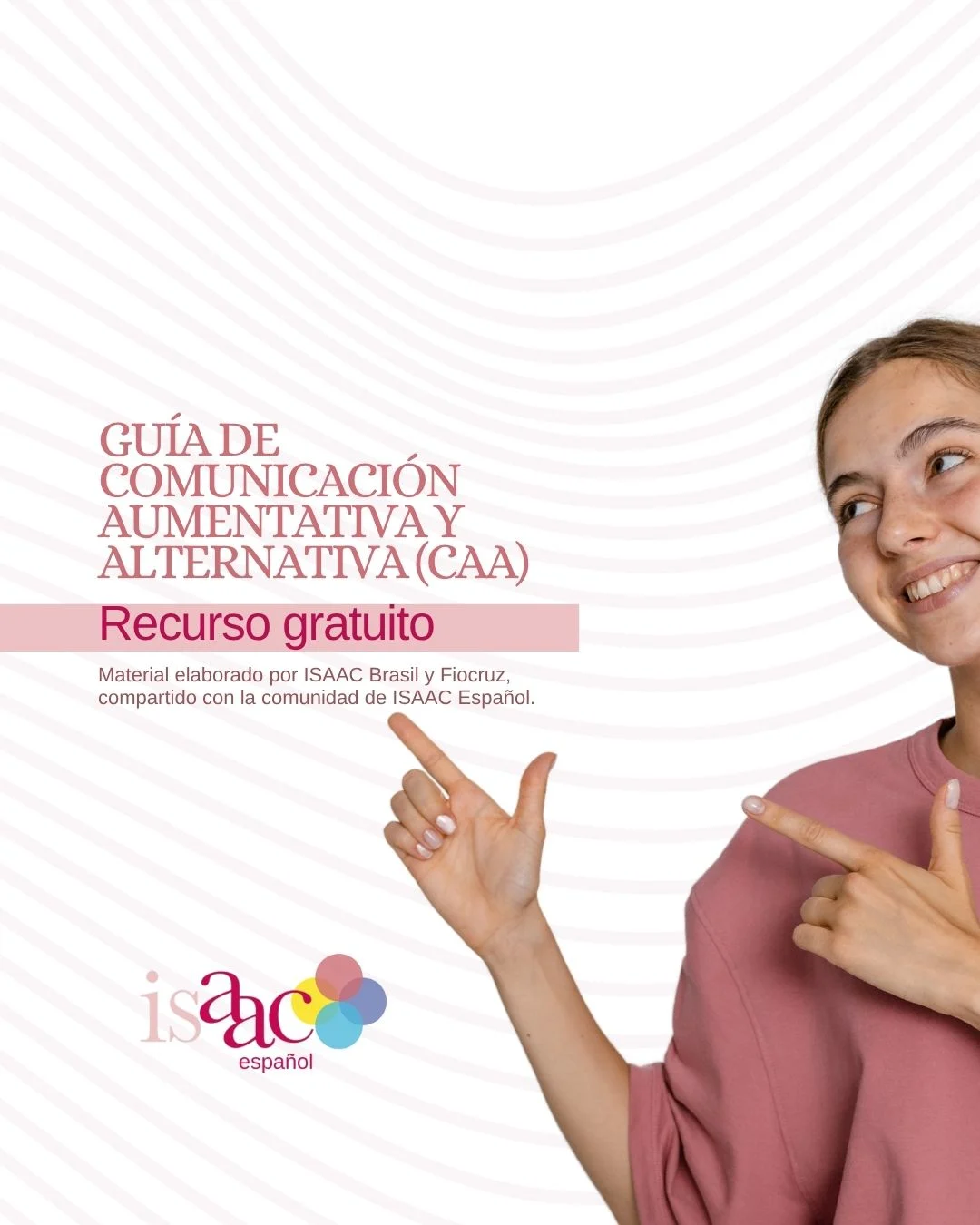
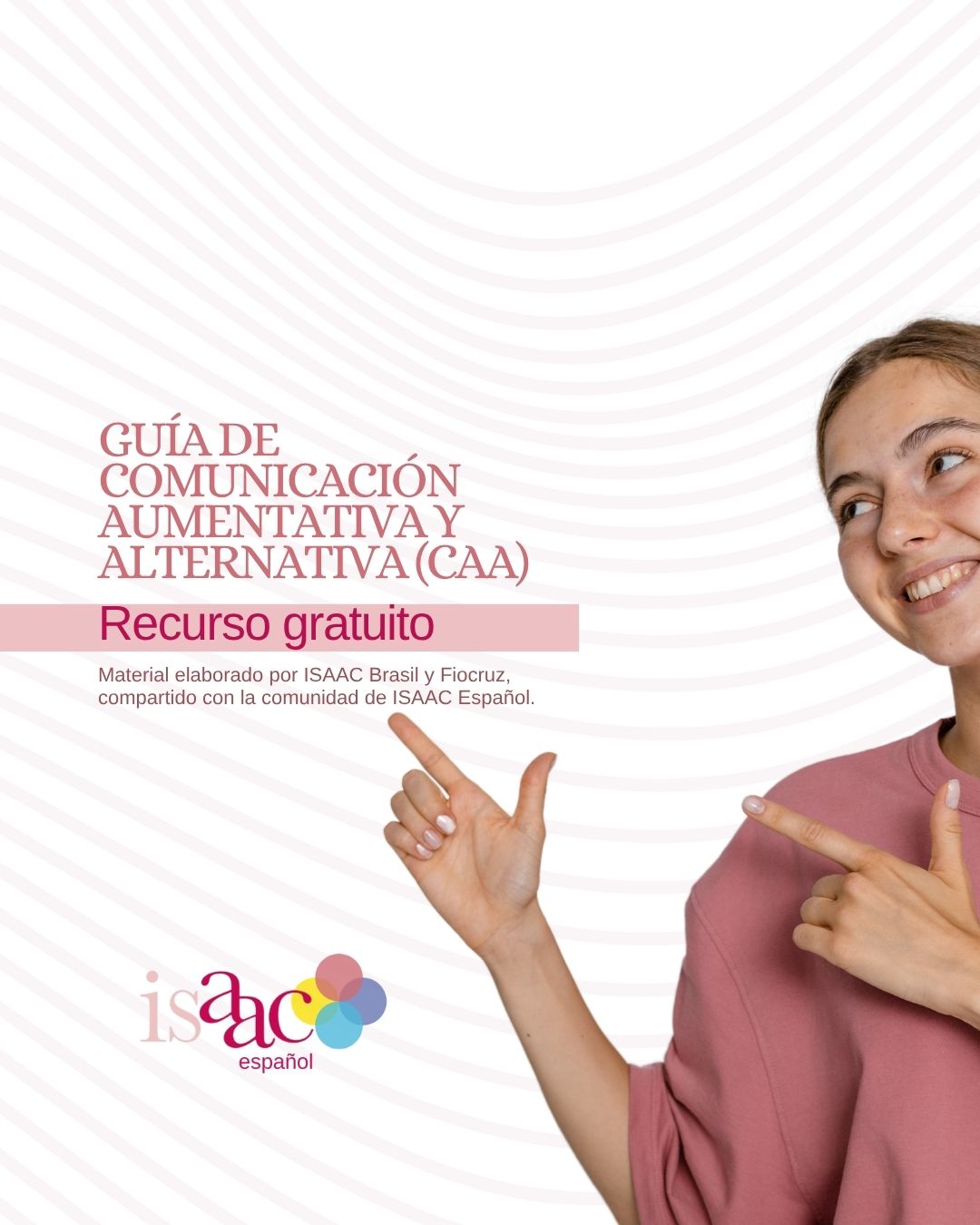
- Public Release (Current Status): The guide was officially promoted through the digital channels of ISAAC Español in April 2026, marking the beginning of a coordinated effort to distribute the resource through social media platforms, including Facebook and Instagram, to ensure maximum reach among parents and practitioners.
Supporting Data and Demographic Need
The necessity for such a guide is underscored by global data regarding communication disabilities. According to recent estimates from the World Health Organization and various regional health agencies, approximately 15% of the global population lives with some form of disability, a significant portion of whom experience limitations in oral speech.
In many Latin American countries, the transition from basic clinical diagnosis to the effective implementation of AAC systems remains a major hurdle. Often, families receive a diagnosis but lack the follow-up resources to understand how to incorporate assistive devices into daily life. This guide serves as a pedagogical tool to fill the “implementation gap,” providing, for instance, clear definitions of low-tech and high-tech solutions, the legal rights of users to communicate, and the fundamental concept that communication is a basic human right regardless of verbal ability.
Content Analysis: Core Pillars of the Guide
The publication is structured to provide a holistic view of the AAC journey. While specific pedagogical content is vast, the document focuses on three primary pillars:

- Foundational Concepts: The guide demystifies the terminology surrounding AAC, moving beyond simple definitions to explain how communication systems support cognitive and emotional development.
- Rights-Based Advocacy: One of the most critical sections emphasizes the legal and ethical framework supporting the rights of individuals with complex communication needs. This is designed to empower parents and guardians when advocating for services within their local health and educational systems.
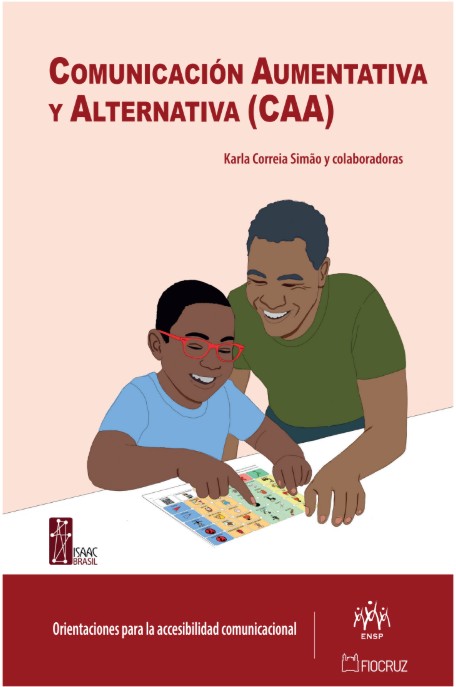
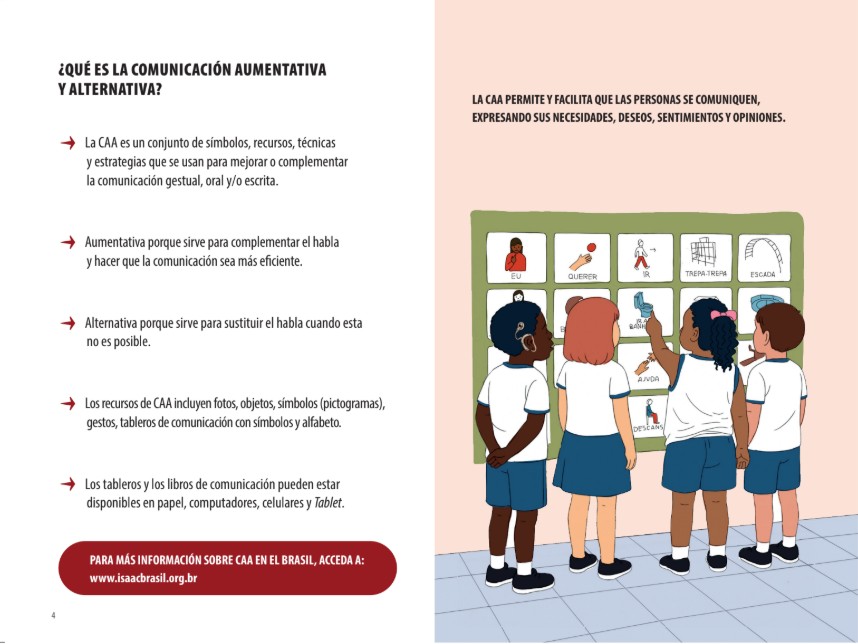
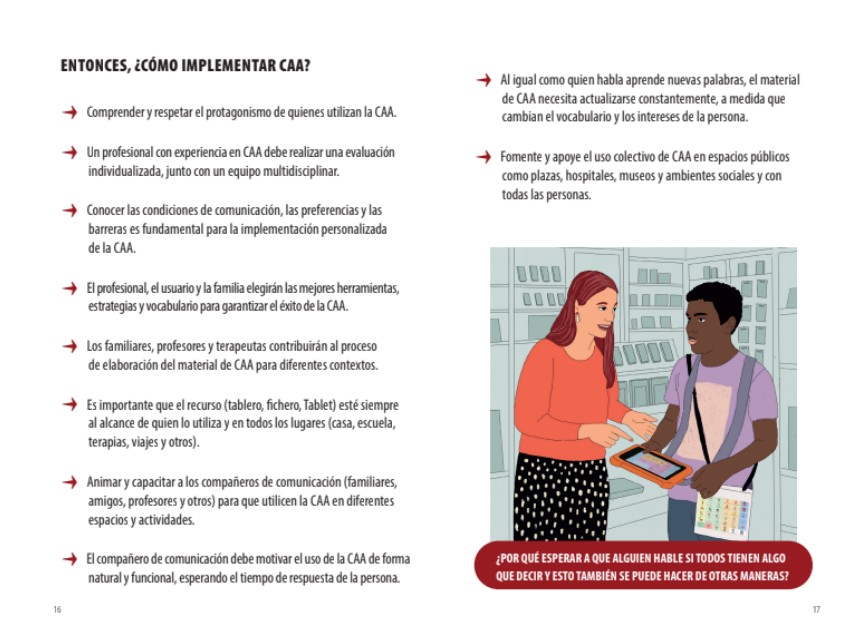
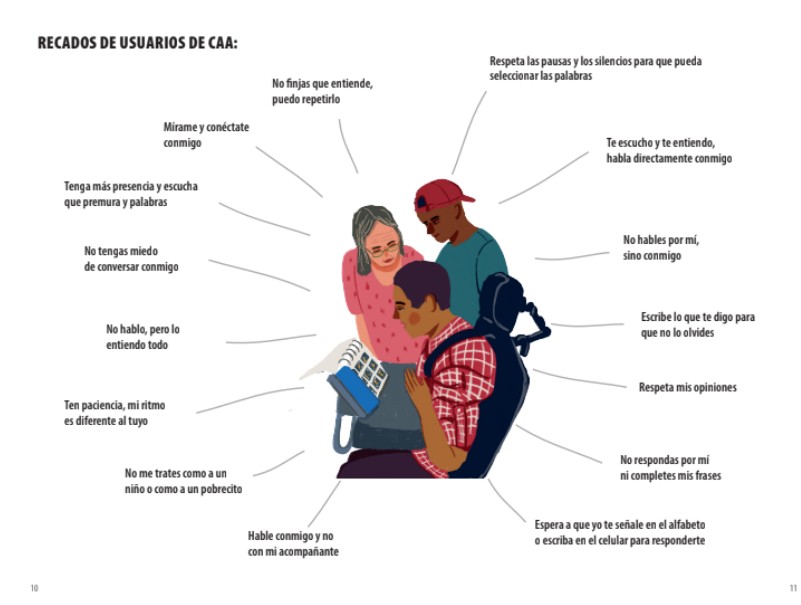
- Real-World Application: A distinguishing feature of the guide is its reliance on visual evidence. The illustrations contained within the document depict real-world AAC users. This decision serves to normalize the use of assistive technology, moving away from idealized stock photography and toward an authentic representation of the AAC community.
Implications for Service Providers and Educators
The release of this resource has significant implications for professionals. For speech-language pathologists, special education teachers, and social workers, the guide acts as a supplementary material that can be distributed during consultations. By providing families with a professional, easy-to-read resource, practitioners can save valuable time, allowing them to focus on personalized interventions rather than explaining basic concepts from scratch.
Furthermore, the collaboration between ISAAC and Fiocruz highlights the increasing trend of international, interdisciplinary cooperation in disability services. By standardizing the information provided, organizations can ensure that a family in a rural area has access to the same fundamental knowledge as a family in a major urban center.
Official Response and Community Reception
Initial reactions from the AAC community have been overwhelmingly positive, with advocates highlighting the accessibility of the format. By offering the guide as a free digital download, the organizers have eliminated the financial barrier to entry—a common obstacle in the field of assistive technology.
The official distribution channels managed by ISAAC Español have served as a centralized hub for this dissemination. By utilizing QR codes and direct social media links, the organizers have effectively streamlined the process for users to acquire the guide on mobile devices, which are often the primary means of digital access for many in the target demographic.
Broader Impact on Global Inclusion
The long-term impact of this project will likely be measured by its contribution to the democratization of information. AAC is a rapidly evolving field, and the gap between scientific advancement and community application is often wide. Projects like this act as a bridge, ensuring that clinical research does not remain siloed within academic or high-income circles.
As the guide circulates throughout 2026, it is expected to serve as a model for future collaborations between public health institutions and international advocacy groups. The shift toward providing resources in multiple languages is not merely a logistical convenience; it is a fundamental requirement for achieving the Sustainable Development Goals (SDGs) related to education and equality for individuals with disabilities.
In conclusion, the partnership between ISAAC Brasil and Fiocruz represents a significant step forward for the Spanish-speaking AAC community. By providing a free, expertly curated resource that combines legal advocacy with practical implementation strategies, the collaborators have created a tool that has the potential to influence the daily communication outcomes of thousands of users. As digital distribution continues to gain traction, the reach of this guide will likely expand, fostering a more inclusive environment where communication is recognized as an inherent right for all individuals. Families and professionals are encouraged to utilize the provided QR codes and social media links to ensure this information reaches those who stand to benefit most.