A Foundation Built on Early Intervention
The clinical journey for Wendorf began in infancy. Bilateral sensorineural hearing loss (SNHL), a condition resulting from damage to the inner ear or the nerve pathways from the inner ear to the brain, affects thousands of newborns annually. Data from the Centers for Disease Control and Prevention (CDC) suggests that approximately 1 to 3 per 1,000 infants are born with some degree of permanent hearing loss. For families navigating this diagnosis, the "early and often" approach to intervention—often involving speech therapy, auditory training, and specialized classroom environments—is widely regarded as the gold standard for long-term success.
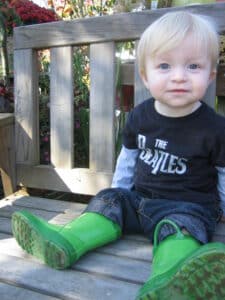
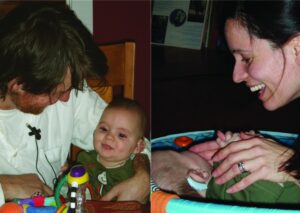
Wendorf began his engagement with Listen and Talk at six months of age. The program, which emphasizes the "listening and spoken language" (LSL) philosophy, focuses on maximizing a child’s ability to process auditory information through technology such as hearing aids or cochlear implants. By participating in the Blended Classroom PreK program, Wendorf was integrated into an environment that fostered both linguistic development and social confidence, creating the bedrock for his later academic and personal pursuits.
The Diagnostic Evolution: Barakat Syndrome
While the clinical management of his hearing loss was established early, the underlying etiology remained unknown until Wendorf reached the age of 12. At that time, clinical testing identified the root cause as a GATA3 gene disorder, specifically known as Barakat Syndrome or HDR syndrome.
HDR syndrome is a rare genetic condition characterized by the clinical triad of Hypoparathyroidism, sensorineural Deafness, and Renal (kidney) disease. According to the National Organization for Rare Disorders (NORD), the syndrome is caused by haploinsufficiency of the GATA3 gene, which plays a vital role in the development of the parathyroid glands, the auditory system, and the kidneys. The late-stage diagnosis of such a condition underscores the complexities often faced by families of children with congenital hearing loss, where a "symptomatic" diagnosis often precedes the identification of the underlying genetic driver. For Wendorf and his family, this discovery provided critical medical clarity, allowing for targeted long-term health management that extends beyond the audiological sphere.
Chronology of Growth and Achievement
Wendorf’s life has been defined by a transition from managed care to autonomous artistic pursuit:
- Infancy (Approx. 2006): Initial diagnosis of bilateral sensorineural hearing loss.
- Early Childhood: Commencement of services at Listen and Talk, including specialized instruction with program founder Star Leonard-Fleckman.
- Formative Years: Participation in a wide array of athletic activities, facilitating physical coordination and social integration.
- Age 12: Diagnosis of Barakat Syndrome (HDR), leading to comprehensive health oversight.
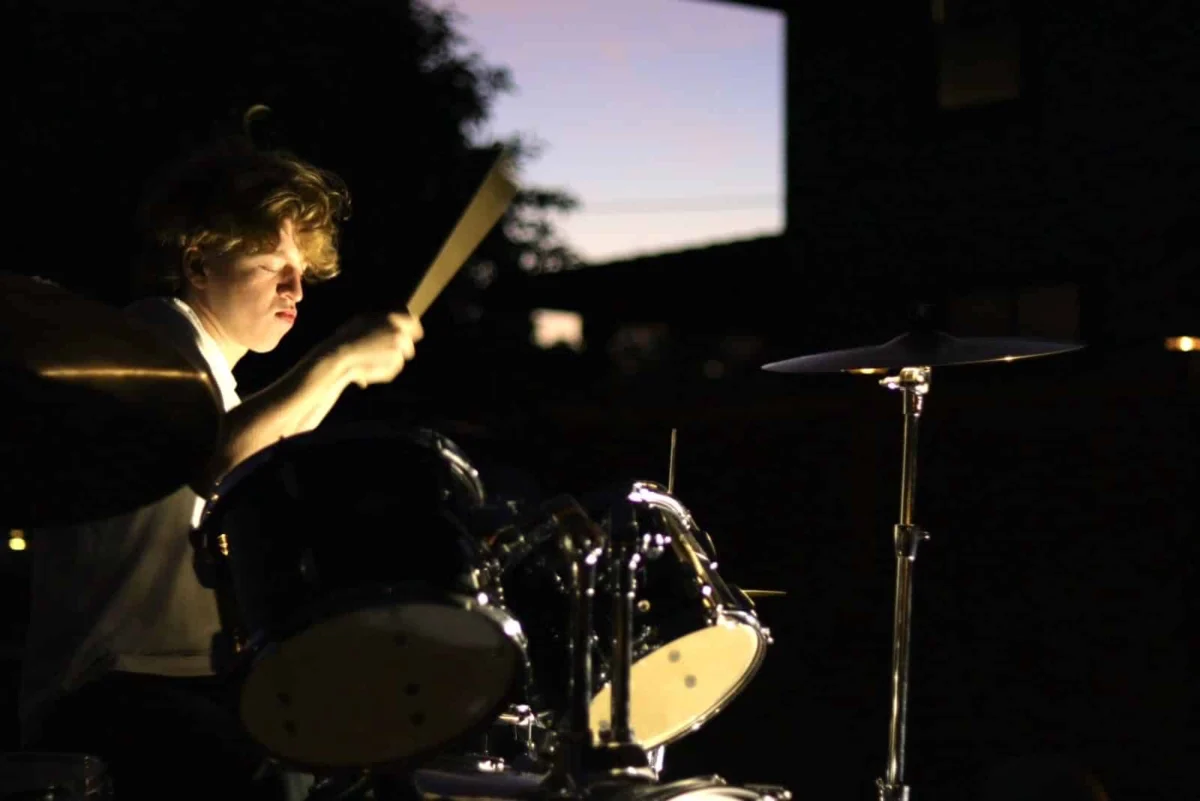
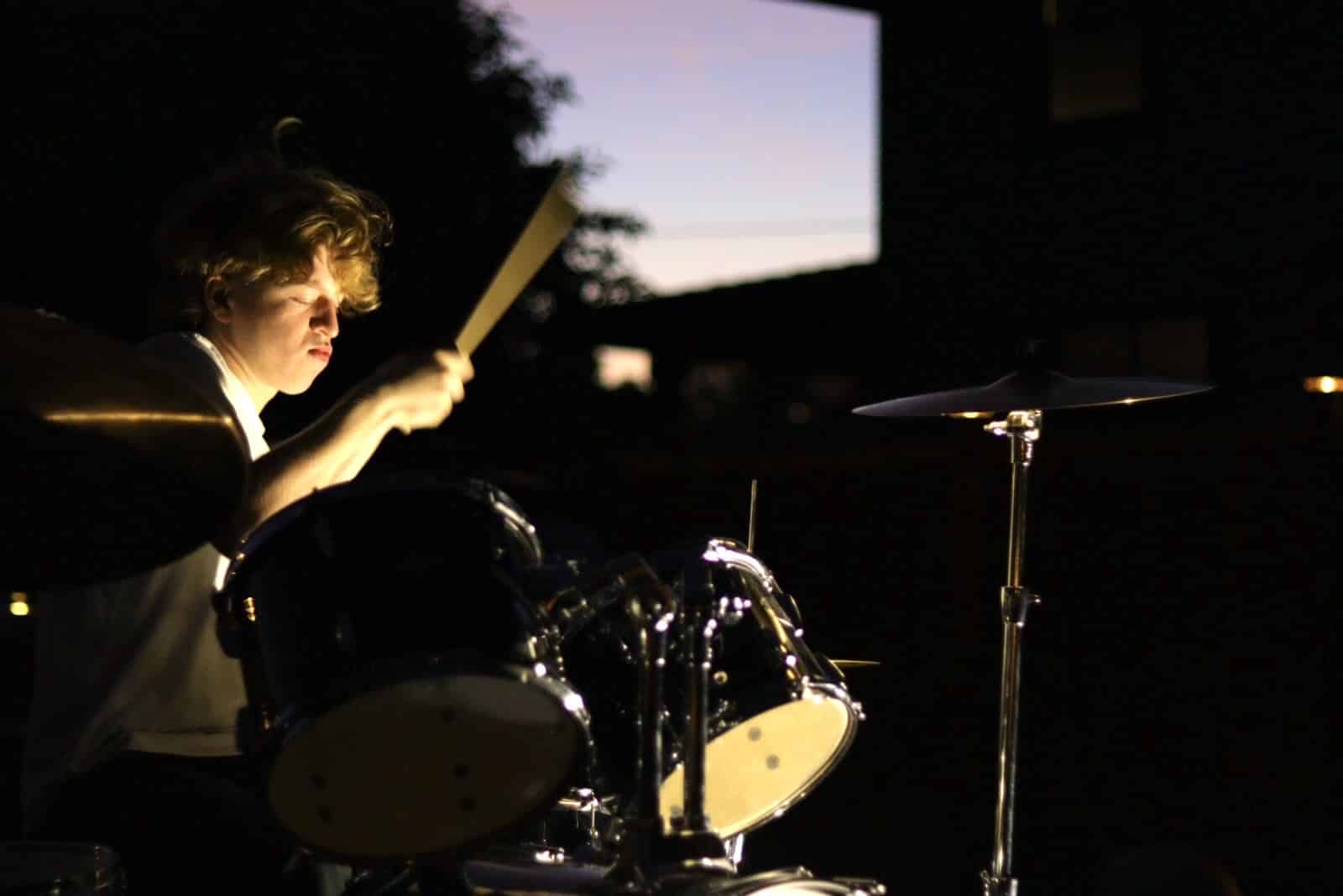
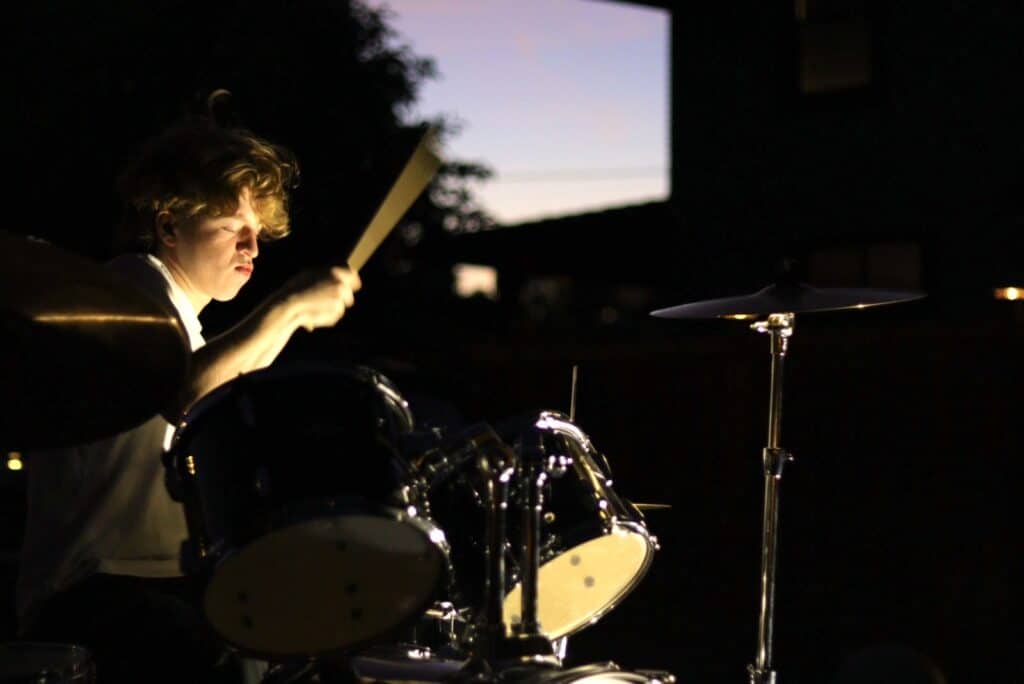
- Adolescence: Transition into the performing arts, including improv training and securing lead roles in stage productions. Independent development of musical skills, specifically guitar and drums.
- June 2024: Graduation from Renton High School.
- Present Day: Relocation to Los Angeles to pursue a professional career in the arts.
The Role of Specialized Educational Environments
The "Blended Classroom" model provided by programs like Listen and Talk is designed to bridge the gap between specialized therapy and mainstream education. By providing a controlled, supportive environment where children with hearing loss can learn alongside their peers, the program prepares students to advocate for their needs in more demanding environments, such as high school and beyond.
Experts in pediatric audiology and education emphasize that the "listening and spoken language" outcomes achieved by students are heavily dependent on the consistency of the support system. In Wendorf’s case, the program acted as a scaffold. As his parents noted, the development of a "grounded sense of self" was not merely a byproduct of the curriculum, but an intentional outcome of the coaching Wendorf received on how to navigate a hearing-centric world.
Implications for the Future of Deaf and Hard-of-Hearing Youth
Wendorf’s success is a testament to the evolving expectations for deaf and hard-of-hearing individuals in the professional arts sector. Historically, individuals with hearing loss were often steered toward specific vocational paths. However, the modern emphasis on "inclusive accessibility"—where technology and personal advocacy intersect—has opened doors to creative industries that require high-level communication and interpersonal skills.
His journey also highlights the vital importance of financial support for nonprofit educational initiatives. The Listen and Talk Alumni Family Giving Campaign, which is currently seeking contributions, aims to ensure that the same level of resource-intensive, personalized support that Wendorf received remains available to new generations. The economic reality for many such programs is challenging, as the high cost of specialized speech-language pathologists and early childhood educators necessitates consistent philanthropic backing to ensure no child is denied services based on financial barriers.
Reflecting on the Path Ahead
When asked about his experiences, Wendorf maintains a perspective of community solidarity. "Listen and Talk showed me that in a world where it feels like there aren’t many people like me, I am not alone," he stated. This sense of belonging is a recurring theme among graduates of specialized programs. It provides the psychological resilience necessary to handle the inevitable setbacks of life, whether those are related to health, career, or personal development.
His parents’ reflection on his journey serves as a powerful reminder of the collaborative effort involved in such growth. By encouraging Wendorf to take risks—whether in sports, theater, or the decision to move to a major metropolitan area for his career—they fostered a sense of agency that is critical for any young adult, but particularly for those who have had to navigate the complexities of a genetic condition.
Analysis: Beyond the Diagnosis
The broader implications of Wendorf’s story suggest that medical diagnoses, even complex ones like HDR syndrome, need not be deterministic. When the clinical management of a disability is paired with robust, supportive social and educational programming, the individual is empowered to redefine their limitations.
Furthermore, Wendorf’s transition to the arts demonstrates the efficacy of early communication training. Mastery of these skills is not just about speech intelligibility; it is about the ability to express complex thoughts, emotions, and creative visions. As he continues to build his career in Los Angeles, Wendorf serves as an example of what is possible when the focus shifts from "fixing" a hearing loss to "empowering" a person to live a full, self-determined life.
For the community of families, educators, and donors associated with Listen and Talk, the success of individuals like Kai Wendorf is the ultimate metric of success. It validates the long-term investment in early-childhood development and reinforces the necessity of continuing to provide these services to children who may otherwise be left behind by a system that often prioritizes standardized, rather than individual, outcomes. As the organization looks to the future, the goal remains clear: to ensure that the "grounded sense of self" cultivated in their classrooms remains a permanent asset for every student they serve.