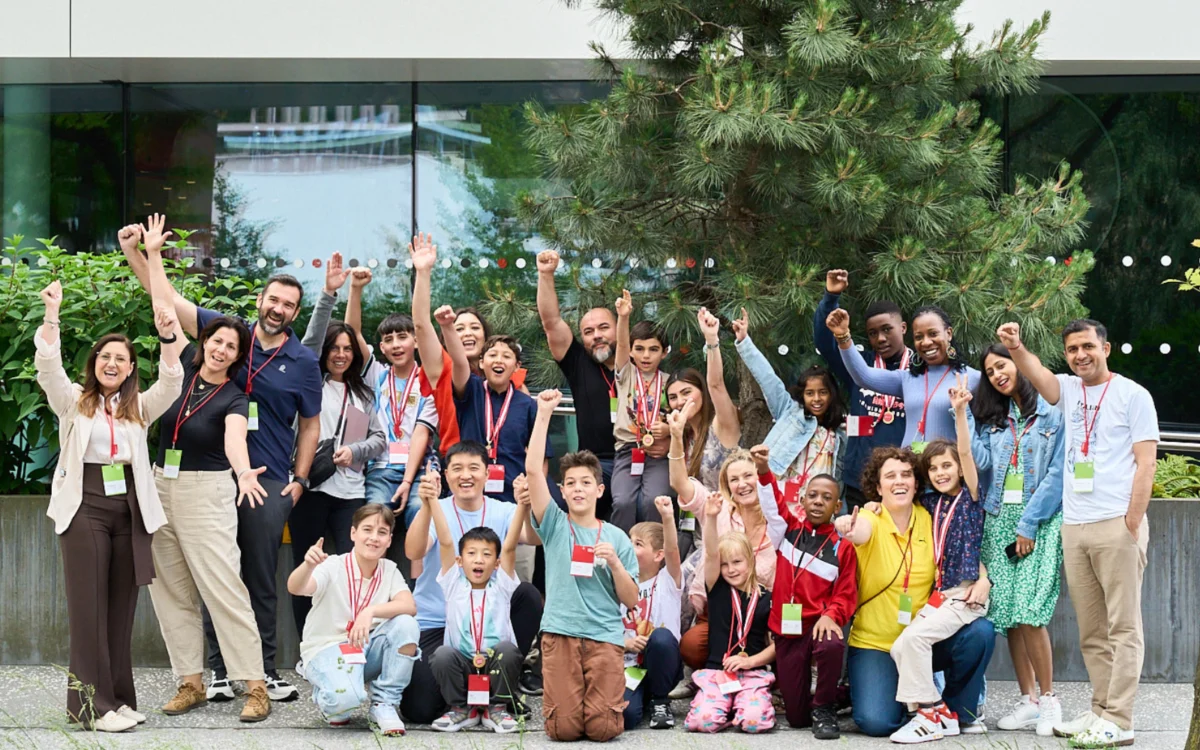
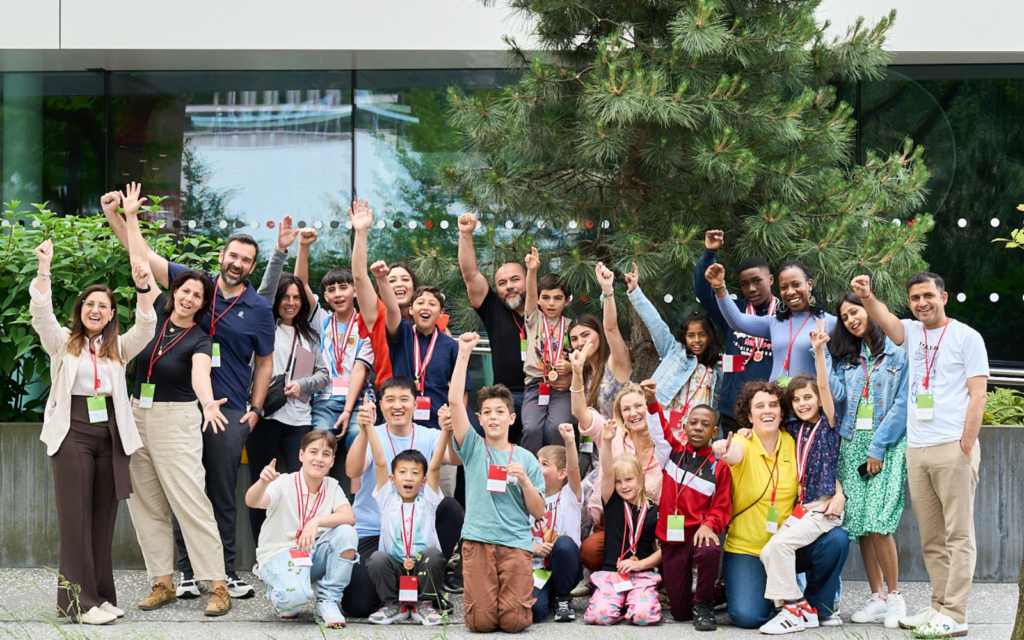
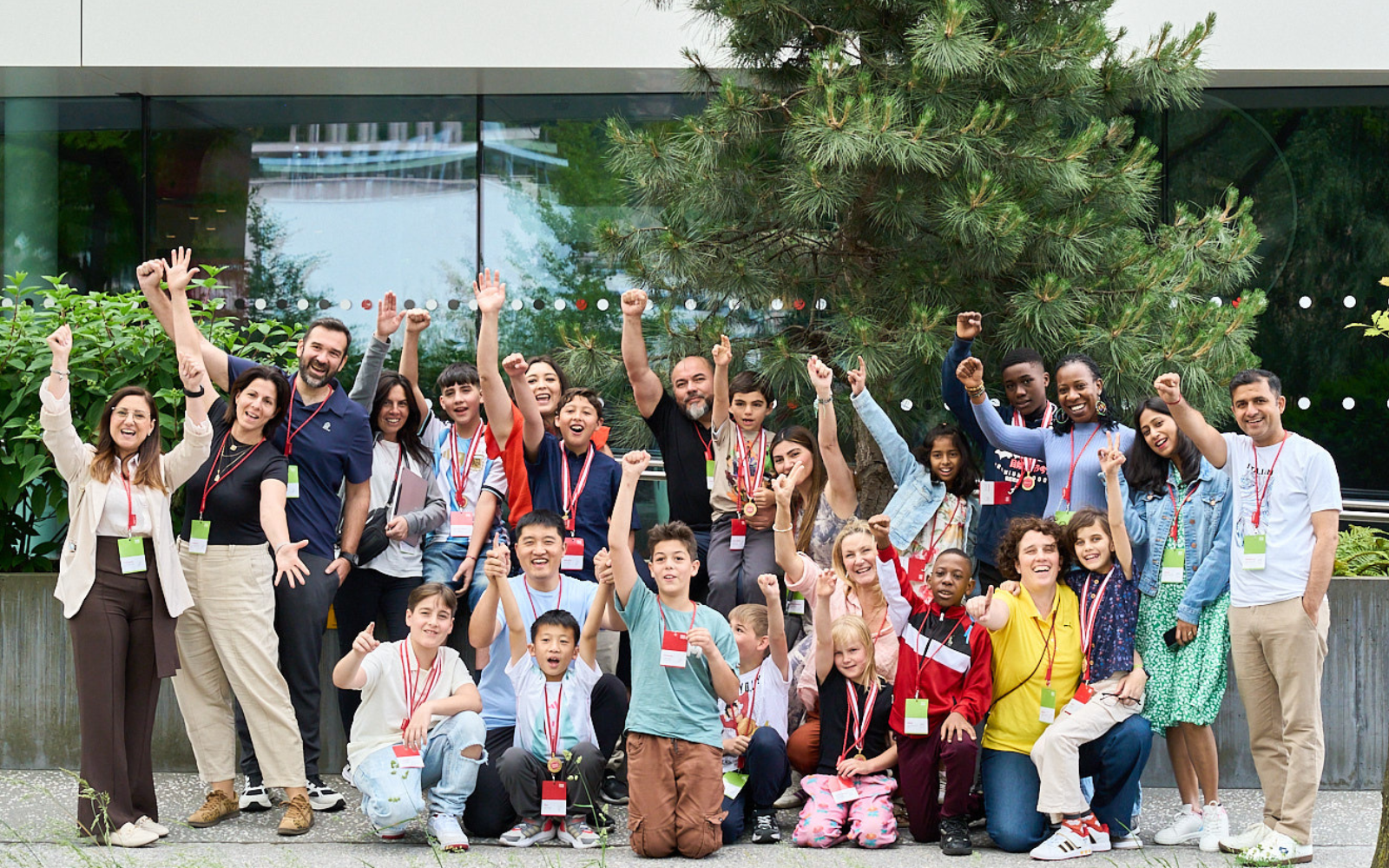
The IDEASforEARS initiative, now a cornerstone of MED-EL’s commitment to user-centric innovation, annually brings together bright young minds from across the globe. These participants, aged typically between 8 and 16, are tasked with developing inventions inspired by their personal experiences with hearing implants and hearing loss. The event serves not only as a platform for these children to showcase their ingenuity but also as a vital feedback loop for MED-EL, providing invaluable insights directly from the users who benefit from their technology. This year’s event, held on June 9, 2026, saw a remarkable display of creativity, problem-solving, and a profound understanding of the challenges and opportunities presented by hearing loss.
Innovation Born from Lived Experience
The young inventors at IDEASforEARS are not just passive recipients of technological advancements; they are active participants in shaping its future. Their inventions, born from the crucible of personal experience, offer a unique perspective on how hearing technology can be improved and expanded.
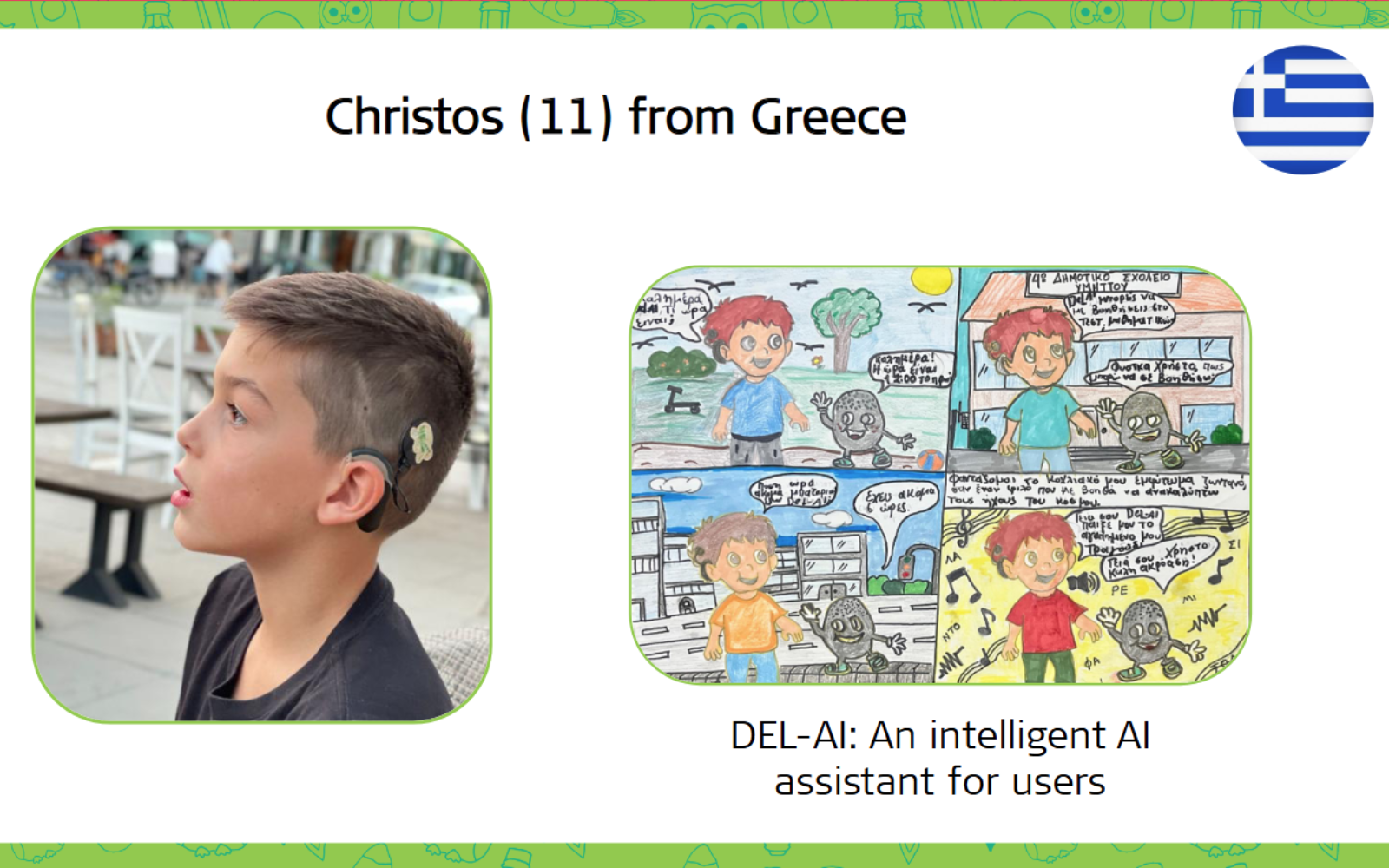
Eleven-year-old Christos from Greece, who received his first cochlear implant at 15 months and his second at two and a half years old, articulated the profound impact of hearing on his life. "For me, hearing means communication with friends and contact with nature," he shared. This deep connection to the world around him fueled his inventive spirit. Christos proposed an AI-powered cochlear implant designed to automatically adapt to diverse listening environments. His envisioned device would allow users to control volume via voice commands, effectively filter out distracting background noise, and provide more intuitive battery monitoring. A significant focus for Christos was improving the clarity of sound in noisy classroom settings, a common challenge for many students with hearing loss. "I wanted loud noises not to bother me, and to be able to turn the volume down with just a command," he explained, highlighting a practical need for enhanced auditory control.
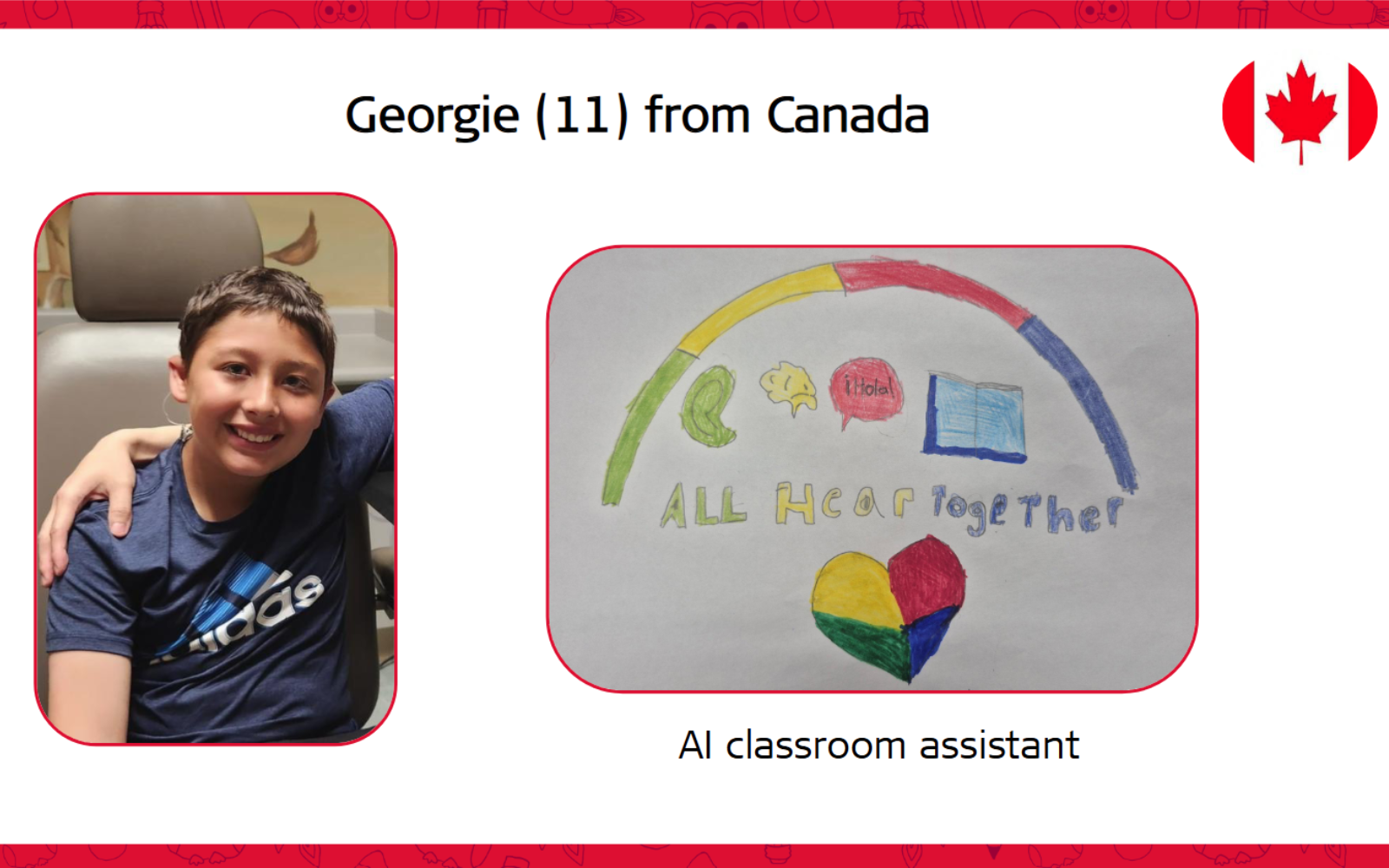
Similarly, Georgie, an 11-year-old from Canada, presented an invention aimed at fostering a more inclusive educational environment for all students. Georgie was born with microtia and hearing loss, undergoing extensive medical consultations and therapies before receiving his hearing implant at age nine. The activation of his device marked a pivotal moment. "Everything sounded clear. For the first time, I could truly understand sounds. That moment changed my life," he recounted. Inspired by his experiences in multicultural classrooms where students face various learning needs and language barriers, Georgie developed "All Hear Together." This AI-based application is designed to support students with hearing loss, language comprehension difficulties, ADHD, autism, and other learning challenges. The software would offer real-time captions, instant translations, visual aids, and direct audio streaming to hearing devices, ensuring that no student is left behind. "I wanted to create something that helps everyone feel included and gives all students the same opportunity to understand and learn," Georgie stated, emphasizing his commitment to equitable education.
From Argentina, 12-year-old Santino introduced an invention addressing a practical aspect of independence for cochlear implant users: waking up reliably. Recognizing the potential challenge of waking up when audio processors are not worn, Santino designed a vibrating bracelet alarm. This simple yet effective solution aims to provide cochlear implant users with a dependable way to manage their mornings independently. "When I was 8 years old, I used to think about how I would wake up by myself when I grew up," Santino shared, underscoring the forward-thinking nature of his idea. His invention directly tackles a common concern for individuals who rely on external devices for sound perception.
The Critical Role of Early Intervention and Support
The success stories emerging from IDEASforEARS are underpinned by a consistent theme: the profound impact of early diagnosis, timely intervention, and consistent support in a child’s hearing journey.

Christos’ parents recognized his need for additional hearing support when he was merely one year old. The subsequent implantation and dedicated therapy sessions significantly enhanced his speech development, communication skills, and overall confidence. His parents reflect on the transformative effect of the intervention, stating, "If someone does not notice that he wears a cochlear implant, they would not realize that this child was born deaf." This sentiment underscores the effectiveness of modern hearing technologies and early intervention in enabling children to achieve developmental milestones comparable to their hearing peers.
Santino’s journey also began early. Diagnosed as an infant, he commenced speech therapy at six months old and utilized hearing aids before becoming a candidate for bilateral cochlear implants, which he received at age two. His mother emphasized the crucial role of patience and ongoing therapy post-activation. "Santi not only started speaking but also learned how to listen," she recalled, "and that was when we realized: Yes, this is really working!" This highlights the multifaceted nature of rehabilitation, which extends beyond the initial implantation to encompass the development of auditory processing skills.
Georgie’s family navigated a particularly complex and emotionally charged path. His parents even relocated internationally to secure the best possible support and opportunities for him. Early therapeutic interventions, including music therapy and speech therapy, alongside the use of a bone conduction device, laid a robust foundation for his successful cochlear implant journey.
For all three families, early support extended beyond the auditory realm. It was instrumental in enabling their children to participate fully in life, fostering natural communication with family and friends, building self-assurance in academic settings, facilitating language acquisition, and encouraging the pursuit of passions. Crucially, it equipped them with the tools necessary to become independent thinkers and, as demonstrated by their participation in IDEASforEARS, future innovators.
Empowering the Next Generation of Innovators
A particularly inspiring aspect of these young individuals’ narratives is the unbridled confidence they exhibit in their future aspirations. Georgie’s response when asked if he felt he could achieve anything he desired was unequivocally positive: "Yes, I feel like the sky is the limit. Because of everything I’ve been through, I’ve learned that nothing comes easy, but if you keep trying and don’t give up, you can achieve your goals." This resilience and determination, cultivated through their hearing journeys, are testament to the empowering effect of accessible and effective hearing solutions.
For these families, cochlear implantation represented the commencement of a journey brimming with potential. As Santino’s mother aptly put it, "With his implant, he has the same opportunities as any other child." Georgie’s parents echo this sentiment, observing a significant transformation in their son since his implantation. He has become more independent, more engaged in his studies, and more socially confident. "We’ve seen a big change," they explained. "He understands much more, and that helps him feel more secure and independent." These accounts illustrate that hearing technology is not merely about restoring a sense; it is about unlocking potential and enabling children to thrive across all facets of life.
A Collaborative Future for Hearing Technology
The IDEASforEARS event stands as a vibrant testament to creativity, courage, and the strength of community. It powerfully refutes any notion that children with hearing loss are inherently limited by their condition. Instead, it showcases them as capable innovators, ambitious dreamers, astute problem-solvers, and emerging leaders.
The inventions presented at the event underscore a fundamental truth: lived experience is a potent catalyst for meaningful innovation. The personal journeys of these young individuals highlight the indispensable value of early access to hearing technology and tailored support systems. Furthermore, their unwavering confidence serves as a compelling demonstration of what can be achieved when children are empowered to pursue their aspirations without artificial constraints.
At MED-EL, a company deeply rooted in a philosophy of people-driven innovation, events like IDEASforEARS are crucial. They ensure that the voices of the next generation of users are integral to the ongoing development and refinement of hearing technology. By actively involving young innovators, MED-EL fosters a collaborative environment where the future of audiology is shaped by those who understand its impact most intimately.
The upcoming 10th edition of IDEASforEARS, scheduled to commence in November 2026, is eagerly anticipated, promising another wave of innovative ideas and inspiring stories from the forefront of hearing technology development.
The Broader Impact: Enabling Full Participation and Lifelong Learning
The implications of events like IDEASforEARS extend far beyond the immediate innovative output. They serve to:
- Champion Early Intervention: The consistent emphasis on early diagnosis and intervention across multiple success stories reinforces the critical window of opportunity for developing auditory and language skills. This data can inform public health campaigns and parental awareness initiatives.
- Drive User-Centric Design: Direct input from young users provides manufacturers with invaluable insights into the practicalities of daily life with hearing implants. This can lead to more intuitive, user-friendly, and feature-rich devices. For example, Christos’ desire for voice-controlled volume directly addresses a usability challenge.
- Foster a Sense of Agency: Empowering children to identify problems and propose solutions instills a sense of agency and self-efficacy. This can have long-lasting positive effects on their academic performance, social interactions, and overall mental well-being.
- Promote Inclusivity: Inventions like Georgie’s "All Hear Together" app demonstrate how technology can be leveraged to create more inclusive environments, not just for children with hearing loss, but for a wider spectrum of learners. This aligns with broader educational goals of accessibility and equity.
- Inspire Future Generations: The visibility of these young innovators serves as a powerful inspiration for other children facing hearing challenges, showing them that they too can be creators and contributors.
The IDEASforEARS event is more than just a showcase; it is an investment in a future where hearing loss is not a barrier to achievement but a unique perspective that drives innovation. As the field of audiology continues to advance, the contributions of these young pioneers, grounded in their personal experiences, will undoubtedly shape the landscape of hearing technology for years to come.
For further information on MED-EL’s hearing solutions for children, visit https://www.medel.com/about-hearing/types-of-hearing-loss/my-child-and-cochlear-implants.