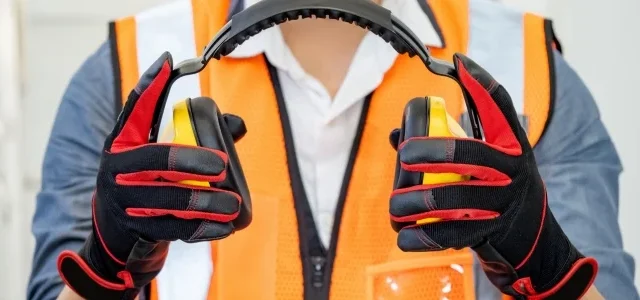
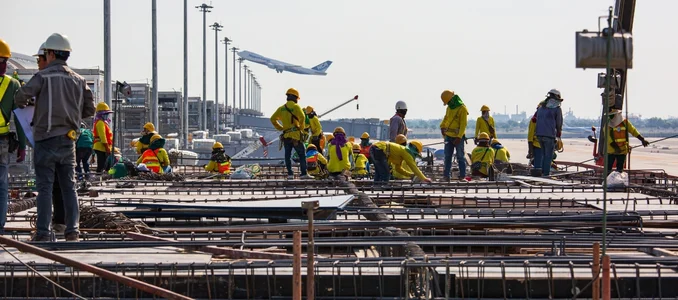
The recipients, none of whom are professional emergency responders by trade, were selected by a committee comprised of industry leaders and labor representatives. Their actions represent a diverse range of interventions, from providing critical first aid to navigating treacherous terrain to secure help for those in peril.
Profiles of Heroism in the Workplace
The incidents for which these workers are being honored underscore the unpredictable nature of occupational hazards and the vital importance of bystander intervention. While the specific names of the honorees are often withheld until the formal presentation, the details of their actions provide a harrowing look at the situations they encountered.
In one notable instance of field-based rescue, two employees from the Washington Department of Fish and Wildlife were performing their routine duties when they heard desperate calls for assistance emanating from a nearby canyon. Upon investigation, they discovered an individual who had suffered a 60-foot fall, sustaining severe spinal injuries. Understanding the gravity of the situation, the two employees executed a split-second strategy: one worker remained by the victim’s side to stabilize his condition and provide psychological comfort, while the other navigated rugged, unmapped terrain to reach an area with cellular service to summon professional medical evacuation. The injured individual was ultimately airlifted from the site, a successful outcome attributed directly to the rapid and decisive coordination of the wildlife personnel.
Separately, the ceremony will honor two logging truck drivers who encountered a man in a state of extreme crisis standing precariously on a bridge railing. Recognizing the imminent risk of a fall, the drivers pulled over to intervene. They successfully de-escalated the situation, coaxing the man away from the edge and remaining with him to provide a stabilizing presence until local law enforcement and emergency medical services arrived.

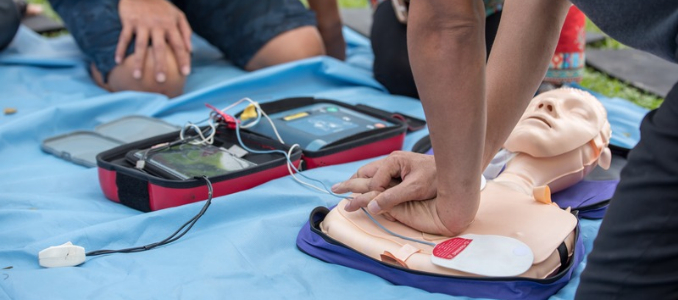
Other honorees being recognized this year include workers who performed life-saving cardiopulmonary resuscitation (CPR) on colleagues and members of the public who suffered sudden cardiac arrest. These individuals maintained compressions until paramedics arrived on the scene, demonstrating the effectiveness of workplace-based emergency preparedness training.
The Governor’s Industrial Safety and Health Conference
The Lifesaving Awards are a hallmark of the Governor’s Industrial Safety and Health Conference, an annual event that draws thousands of safety professionals, union leaders, and policy makers. Sponsored by the Washington State Department of Labor & Industries (L&I) and the Governor’s Industrial Safety and Health Advisory Board, the two-day summit focuses on mitigating workplace risks and fostering a culture of safety.
The decision to present these awards during the conference’s opening ceremony is intentional. It elevates the conversation from theoretical safety compliance to the practical, human reality of emergency response. By highlighting these stories, the state aims to incentivize employees to take advantage of first-aid and CPR certification programs, which are frequently offered as part of corporate wellness and safety initiatives.

Data and Trends in Workplace Emergencies
While the majority of workplace injuries are related to slips, trips, falls, or equipment-related accidents, the need for emergency medical response in non-clinical settings is a recurring theme in occupational health. According to data from the Occupational Safety and Health Administration (OSHA), thousands of cardiac events occur in American workplaces annually.
The survival rate for out-of-hospital cardiac arrest remains relatively low, hovering around 10 percent; however, when bystanders initiate CPR immediately, that rate can double or even triple. The recognition of these 15 Washington workers serves as a case study for the value of early intervention. Public health experts have long advocated for the widespread installation of Automated External Defibrillators (AEDs) and the training of non-medical personnel in Basic Life Support (BLS) techniques.
The Washington State Department of Labor & Industries emphasizes that these awards are not merely about celebrating bravery, but about validating the importance of emergency readiness. When workers are empowered with the skills to react, the time between an accident and professional medical intervention—known as the "golden hour"—is significantly optimized.

Official Responses and Organizational Impact
The selection committee for the Lifesaving Awards is tasked with vetting hundreds of potential candidates each year. The criteria for selection are rigorous: the nominee must have taken action that significantly impacted the outcome of a life-threatening situation, and the action must have been performed while the worker was on the clock.
"These workers did not seek out these moments, but when faced with them, they did not hesitate," stated a spokesperson for the Washington State Department of Labor & Industries. "Their actions are a testament to the character of the Washington workforce. They went above and beyond the call of duty, ensuring that a workplace incident did not become a fatality."
For the employers of these individuals, the awards provide a unique opportunity to demonstrate commitment to community safety. Companies that encourage employees to obtain first-aid certification often report higher morale and a stronger sense of shared responsibility within the workforce. The awards also serve as a public relations milestone for the state, showcasing a collaborative relationship between government, industry, and labor unions in prioritizing human life over productivity.

Broader Implications for Occupational Health
The inclusion of these stories in the broader narrative of the Governor’s Industrial Safety and Health Conference signals a shift in how safety is perceived. Traditionally, safety has been defined by the absence of accidents. Increasingly, however, organizations are adopting a "Safety II" approach, which focuses on building the capacity of systems and people to succeed under varying conditions—including the ability to respond effectively when things go wrong.
The implications for employers are clear: investing in comprehensive emergency training is a form of risk management that pays dividends in both lives saved and improved workplace culture. As the landscape of work changes, with more employees operating in remote or field-based environments, the role of the individual worker as a first responder becomes increasingly critical.
The ceremony on September 30 will conclude with a series of workshops and technical sessions focusing on modern safety technology, such as wearable sensors that detect falls and advanced communication tools for workers in isolated areas. These technological advancements, when paired with the human element of skilled intervention, form the foundation of a modern, resilient workforce.

Looking Ahead
As the state of Washington prepares to honor these 15 individuals, the stories of their actions will be archived as part of the state’s industrial safety history. These narratives do more than just applaud the past; they establish a standard for the future. By documenting these events, the Department of Labor & Industries provides a roadmap for other workers to follow, illustrating that the difference between a tragedy and a recovery often lies in the hands of the person standing closest to the event.
The 2026 Lifesaving Awards ceremony will be held at the Greater Tacoma Convention Center, bringing together labor advocates, state officials, and industry pioneers. The event will serve as a poignant reminder that in the high-stakes world of industrial and public sector labor, the most valuable tool in any safety program remains the informed, courageous, and proactive worker.
As the conference attendees reflect on the bravery of their peers, the focus will inevitably turn back to the broader goal of the event: ensuring that every worker returns home safely at the end of their shift. When that is not possible, the actions of the 15 award recipients demonstrate that a prepared workforce is the final, and perhaps most important, line of defense.