The vestibular system serves as the body’s internal GPS, integrating sensory input to maintain balance, stabilize vision during movement, and provide a sense of spatial orientation. When this system is compromised by the mechanical forces of a concussion, the result is not merely a temporary bout of dizziness but a functional disconnect that can persist for months or years. Dr. Danit Macklin, a Doctor of Physical Therapy specializing in vestibular rehabilitation, emphasizes that these injuries are functional rather than structural. Because they do not typically involve bleeding or bruising that would appear on a standard MRI or CT scan, vestibular concussions are frequently overlooked in emergency departments and primary care settings, leading to a "hidden" epidemic of chronic imbalance.
The chronology of a vestibular concussion often begins with a singular event—a fall, a sports collision, or a motor vehicle accident—followed by a deceptive period of relative normalcy or generalized symptoms. For Jess Winter, a school librarian and patient advocate, the journey began with a serious car accident. While the acute phase of her concussion followed standard recovery expectations, the subsequent months revealed a secondary crisis. Her symptoms did not dissipate; instead, they evolved into a complex interplay of vestibular migraine and persistent postural-perceptual dizziness (PPPD). Winter’s experience highlights a common clinical timeline where the initial brain injury acts as a catalyst for long-term neurological dysregulation. Activities that were once subconscious, such as navigating a grocery store or scrolling through a digital interface, became sources of intense sensory overload and physical exhaustion.
Supporting data from the Centers for Disease Control and Prevention (CDC) and various sports medicine registries suggest that between 1.6 and 3.8 million concussions occur annually in the United States alone. Clinical studies indicate that vestibular symptoms, particularly dizziness and balance instability, are present in up to 50% of concussed athletes and an even higher percentage of the general population following a traumatic brain injury. Furthermore, the presence of vestibular dysfunction early in the recovery process is often a primary predictor of a protracted recovery period. Patients experiencing dizziness within the first week of injury are statistically more likely to suffer from symptoms lasting longer than 21 days, moving them into the category of post-concussion syndrome.
The diagnostic gap remains one of the most significant hurdles in managing vestibular concussions. Dr. Macklin notes that because the symptoms are invisible, patients are often told to simply "wait it out." However, this passive approach can be counterproductive. The overlap between vestibular dysfunction, cervical spine injury (neck pain), and visual processing issues creates a "symptom soup" that requires specialized evaluation. Common indicators of vestibular involvement include gaze instability—where the world appears to "jump" or blur when the head moves—and motion sensitivity, where the brain becomes hypersensitive to moving objects or busy environments. Without targeted intervention, the brain may develop maladaptive compensation strategies, leading to the development of PPPD, a condition characterized by a constant sense of rocking or swaying that is exacerbated by upright posture and complex visual stimuli.
In response to these challenges, the field of Vestibular Rehabilitation Therapy (VRT) has emerged as the gold standard for treatment. Dr. Macklin, who founded the Balance & Concussion Therapy Center, explains that VRT is a highly individualized exercise-based program designed to promote neuroplasticity. The therapy focuses on three primary mechanisms: adaptation, substitution, and habituation. Gaze stabilization exercises retrain the vestibulo-ocular reflex, allowing the eyes to remain fixed on a target while the head is in motion. Balance retraining challenges the body to rely on varied sensory inputs, such as proprioception from the feet, to maintain stability. Habituation involves graded exposure to the very movements that trigger dizziness, teaching the brain to "filter out" the abnormal signals over time.
The implications of untreated vestibular concussions extend far beyond physical discomfort, touching upon the socio-economic and emotional fabric of a patient’s life. The "invisible" nature of the disability often leads to a lack of empathy from employers, educators, and even family members. Jess Winter’s transition into advocacy, including her leadership in the "Dizzy Moms Club" and her work as a potential medical librarian, underscores the necessity of peer support in the healing process. The emotional toll—comprising anxiety, social isolation, and a loss of self-identity—is frequently as significant as the physical vertigo. Patients often report "brain fog," a cognitive slowing that results from the brain dedicating excessive resources to the simple task of staying upright, leaving little energy for complex thought or social interaction.
Official responses to this health crisis are beginning to manifest in policy and specialized medical initiatives. Dr. Macklin’s work with the Brain Injury Alliance of New Jersey (BIANJ) and her role in founding Concussion Awareness Day in New Jersey reflect a broader movement to standardize concussion care across the lifespan. Pediatric vestibular rehabilitation, in particular, is gaining traction as clinicians realize that children may not have the vocabulary to describe dizziness, instead presenting with irritability, academic decline, or a sudden withdrawal from physical play. The International Neurologic Physiotherapy Association and the American Physical Therapy Association (APTA) are increasingly advocating for "Leading-Edge" approaches that move away from the traditional "dark room" rest protocol toward early, active rehabilitation.
A fact-based analysis of current recovery trends suggests that the window for optimal intervention is earlier than previously thought. While the brain possesses a remarkable capacity for compensation, delayed treatment often allows for the solidification of anxiety-related dizziness and avoidance behaviors. Experts now suggest that if vestibular symptoms persist beyond the first ten to fourteen days post-injury, a referral to a vestibular specialist is essential. This proactive shift is intended to prevent the transition from an acute concussion to a chronic, life-altering vestibular disorder.
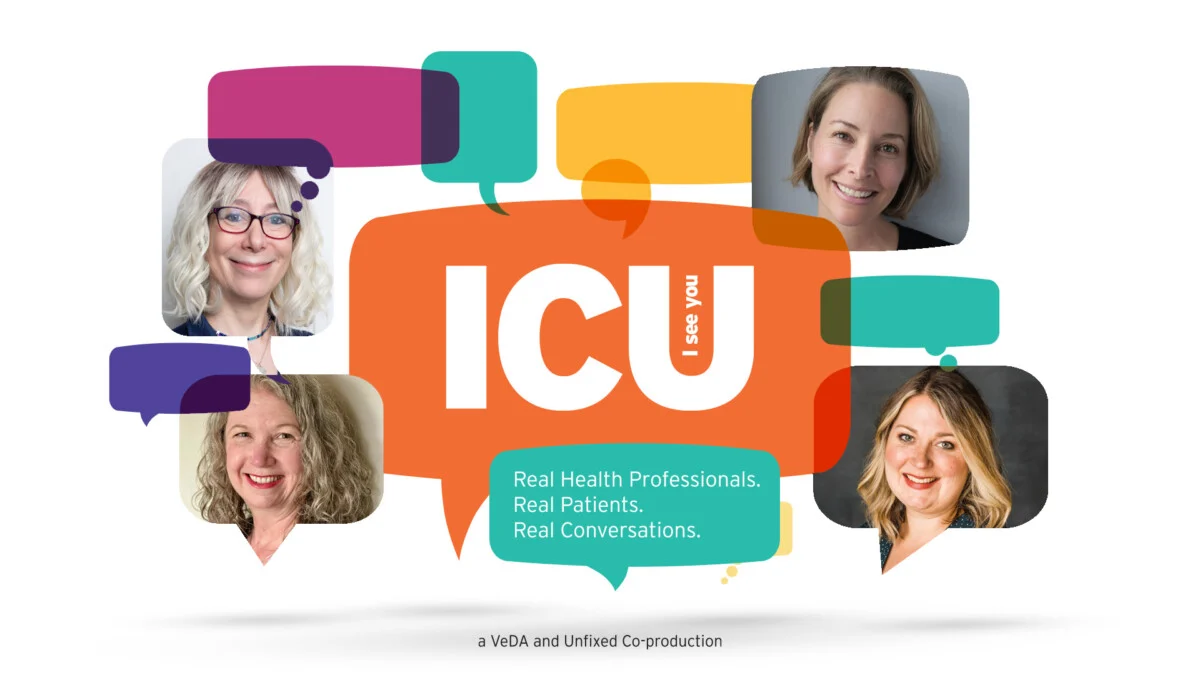
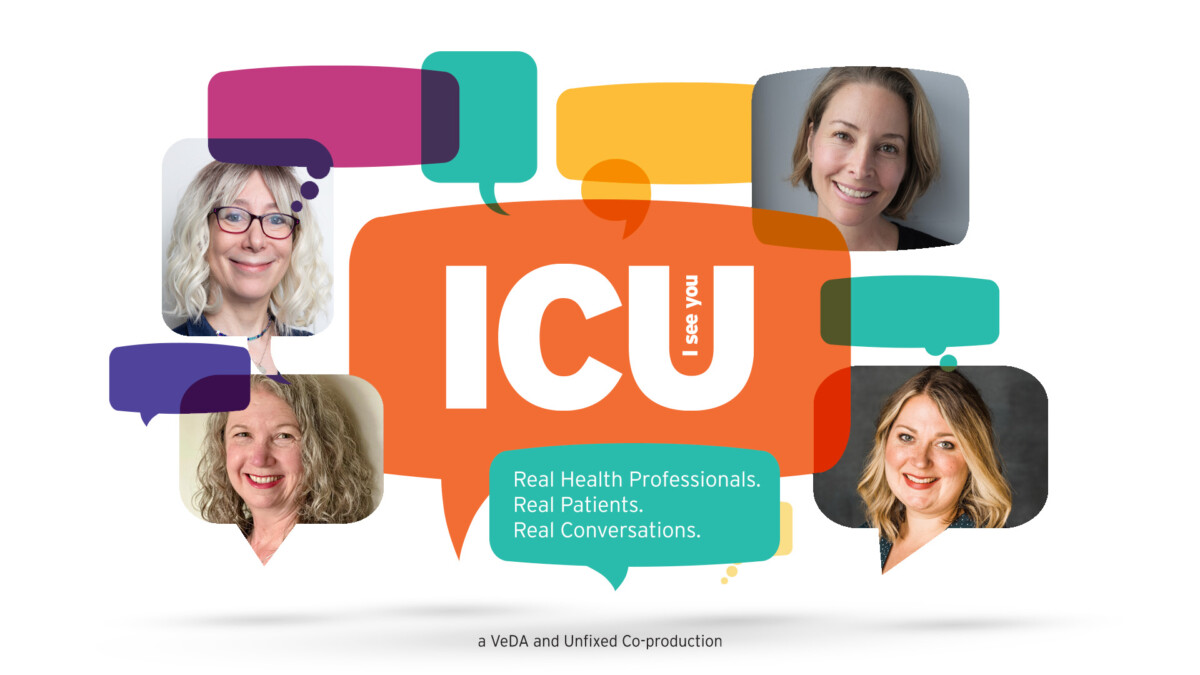
The broader impact of the conversation surrounding vestibular concussions is a fundamental shift in how society views head trauma. It is no longer sufficient to check for memory loss or pupil dilation; the assessment of the vestibular system must become a standard pillar of post-concussion care. As advocacy groups like VeDA continue to disseminate information through platforms like the ICU Podcast, the goal is to bridge the gap between clinical research and patient reality. The message from both the medical community and those with lived experience is clear: dizziness is not an inevitable or permanent consequence of concussion. With the correct diagnostic framework and a commitment to targeted rehabilitation, the path from disorientation to stability is increasingly accessible.
In conclusion, the vestibular concussion represents a significant challenge to modern neurology and physical therapy, yet it also offers a unique opportunity for integrated care. By acknowledging the interplay between the ears, eyes, and brain, and by validating the "invisible" struggles of patients like Jess Winter, the medical community can move toward a more holistic and effective treatment model. Recovery, while rarely linear, is achievable through a combination of specialized therapy, patient education, and societal awareness. As research continues to evolve, the focus remains on ensuring that no patient is left feeling disconnected from their surroundings or their own sense of balance. For those navigating the aftermath of a head injury, the recognition of the vestibular system’s role is often the first, and most critical, step toward reclaiming a stable life.