

The Government Digital Service (GDS) has expanded its "Unlocking Accessibility" initiative, a comprehensive series dedicated to examining how various professional disciplines within the public sector contribute to the creation of inclusive digital environments. In the latest installment, a panel of lead and senior information architects from the GDS shared a detailed roadmap for integrating accessibility into the core structural design of public services. The insights provide a rigorous framework for how information architecture (IA)—the practice of deciding how to arrange the parts of something to be understandable—serves as the invisible yet essential foundation for digital equity.
Information architects at the GDS are traditionally responsible for planning, designing, and executing research activities that allow teams to gain a profound understanding of the diverse populations using public services. As digital platforms become the primary interface between the state and the citizen, the role of IA has shifted from simple sitemapping to the creation of complex, accessible knowledge systems. The experts involved in this latest briefing—Lead Information Architect Becky Ashley and Senior Information Architects Sally Creasey and Rik Williams—emphasize that accessibility is not a final layer to be applied to a finished product but a fundamental requirement that must be embedded in the initial blueprints of any digital service.
The Structural Framework of Inclusive Information Architecture
To understand the intersection of information architecture and accessibility, one must look at the structural components that define how information is perceived and navigated. Rik Williams, Senior Information Architect at GDS, identifies three primary pillars that must be addressed to ensure a service is usable for individuals with diverse cognitive and physical abilities: ontology, taxonomy, and choreography.
Ontology refers to the specific nature of the information being presented—what the information actually is. In an accessible framework, ontologies utilize clear, consistent concepts and connections. This is particularly vital for users with cognitive disabilities, learning differences, or those who lack deep domain knowledge of government processes. By ensuring that the underlying concepts of a service are logical and consistently defined, architects reduce the "cognitive load" required to understand a service.
Taxonomy involves the organization and classification of that information. Inclusive taxonomies prioritize predictable and logical structures. For users who rely on screen readers or those with mobility impairments, a predictable taxonomy ensures that they can anticipate where information will be located. When categories are grouped intuitively, the effort required to navigate a site via a keyboard or assistive technology is significantly reduced.
Choreography, the third pillar, describes how users interact with information across time, different channels, and various contexts. This involves creating logical sequences that translate into a coherent tabbing order for keyboard users, clear focus indicators, and consistent navigation patterns. When these three elements are designed with a user-centered focus, the resulting system is not just compliant with standards, but deeply usable.
Methodologies for Cross-Disciplinary Education and Advocacy
A recurring theme among the GDS experts is the necessity of breaking down professional silos to foster a collective responsibility for accessibility. Becky Ashley, Lead Information Architect, advocates for the use of the "POUR" principles—Perceivable, Operable, Understandable, and Robust—as a shared language across design, development, and content creation teams. These principles, which form the backbone of the Web Content Accessibility Guidelines (WCAG), provide a framework that transcends individual skill sets, encouraging a sense of shared accountability.
Furthermore, the architects stress the importance of "being the change" within an organization. Sally Creasey highlights that building advocacy among stakeholders requires involving them in the IA process from the earliest stages. By sharing sitemaps, ontologies, and knowledge organization systems early, architects can ensure that stakeholders understand how structural decisions directly impact user outcomes. This transparency prevents the common pitfall of designing for organizational needs rather than the needs of the end user.
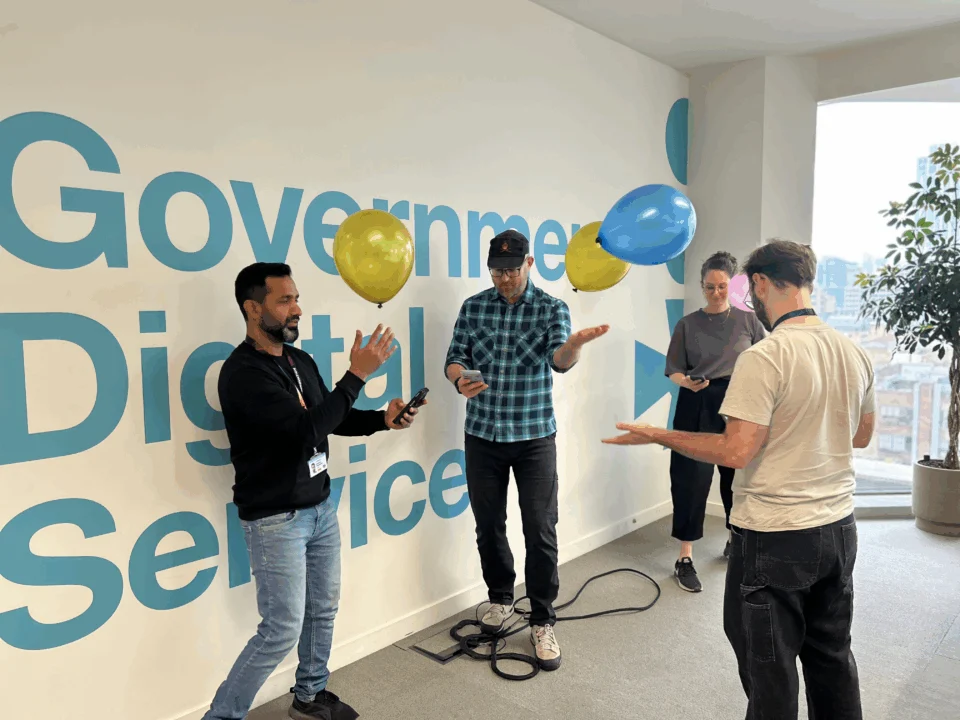
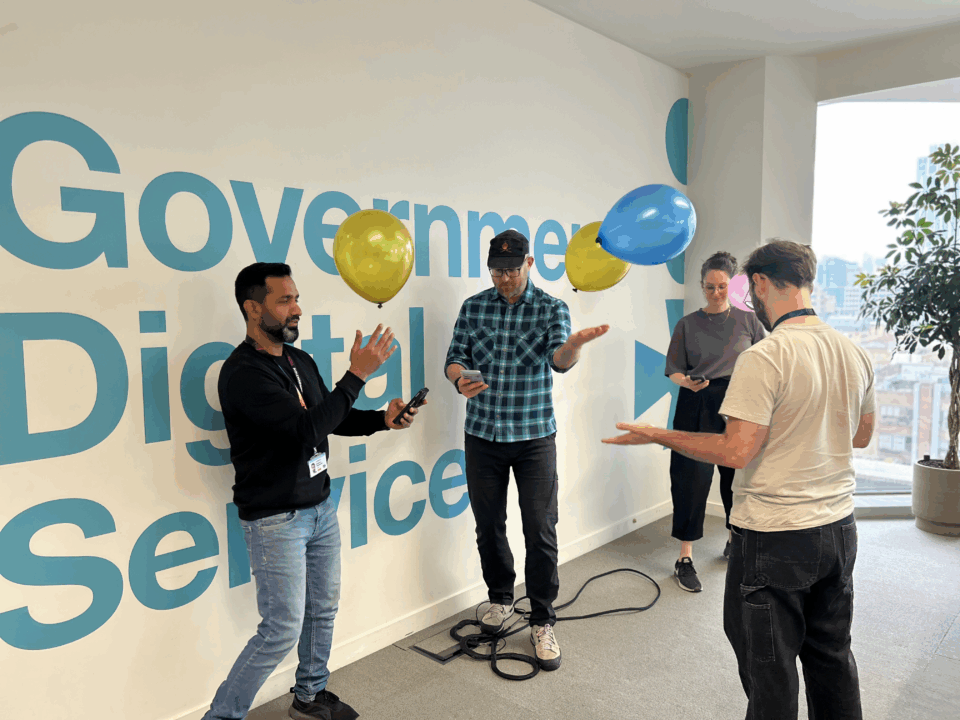
To bridge the gap between abstract design and the lived reality of users, the GDS team utilizes various simulation exercises. These include "empathy balloons"—a game designed to simulate the challenges faced by individuals with limited dexterity or cognitive issues—as well as the use of vision-impairing glasses or motor-control limiting gloves. While these simulations are not a replacement for direct testing with disabled users, they serve as powerful educational tools to help designers understand the frustration caused by poor information flow or inconsistent labeling.
Identifying and Mitigating Common Accessibility Pitfalls
The transition from organizational-centric design to user-centric design remains one of the most significant hurdles in public sector digital transformation. Sally Creasey notes that a common pitfall is allowing delivery pressures to truncate the time allocated for user research. When research is rushed, teams often fail to test with a sufficiently diverse range of users, leading to architectures that reflect the mental models of the stakeholders rather than the citizens.
Another frequent issue is the "paradox of choice," where users are presented with too many options or sections with overlapping purposes. This is often exacerbated by the use of internal jargon or a lack of "controlled vocabulary." Without a standardized way of naming things, a service may use different terms for the same concept, causing confusion for all users but specifically disadvantaging those with cognitive impairments or those using English as a second language.
Becky Ashley warns against the "finish line" fallacy—the belief that once an information system is architected, the job is complete. In reality, IA must be an iterative process. Architects must remain empathetic and constantly aware of emerging user needs. This requires a continuous feedback loop where user data informs metadata and labels, allowing the digital infrastructure to flex and adapt over time.
Supporting Data and the Socio-Economic Context of Accessibility
The drive for accessible information architecture is supported by significant demographic and economic data. According to the UK’s Department for Work and Pensions, there are approximately 16 million people living with a disability in the United Kingdom, representing roughly 24% of the population. Furthermore, data from the Office for National Statistics (ONS) indicates that the "disability price tag"—the extra cost disabled people face in their daily lives—is substantial, and inaccessible digital services only add to this burden by requiring more time and support to navigate basic government functions.
Research into "cognitive accessibility" suggests that nearly 20% of the population may have some form of neurodivergence, such as dyslexia, ADHD, or autism, which impacts how they process structured information. For these individuals, the "choreography" of information mentioned by Rik Williams is not a luxury but a necessity for independent living.
Furthermore, the legal landscape in the UK has become increasingly stringent. The Public Sector Bodies (Websites and Mobile Applications) (No. 2) Accessibility Regulations 2018 require public sector websites and apps to be accessible by making them "perceivable, operable, understandable, and robust." Failure to meet these standards not only excludes citizens but also leaves departments vulnerable to legal challenges and reputational damage.
Advanced Tools and the Future of Digital Inclusion
As technology evolves, the tools available to information architects are becoming more sophisticated. Sally Creasey points toward techniques such as "noun and verb foraging," card sorting, and tree testing as essential methods for understanding how users naturally categorize information. These techniques ensure that the "labels" used in digital services match the "mental models" of the public.
Looking forward, the integration of Artificial Intelligence (AI) and advanced metadata offers new opportunities for accessibility. By investing in rich, contextually meaningful metadata, government services can explore "progressive disclosure"—the technique of revealing content only as it is needed. This prevents users from being overwhelmed by information while ensuring that highly relevant content can be served to users via their preferred channels, whether that be a screen reader, a mobile app, or a voice assistant.
Rik Williams also highlights the importance of Object-Oriented Design (OOD). By building information environments around tangible "objects" with standardized attributes, architects can create more consistent experiences. OOD allows for a more modular approach to accessibility, where accessible text structures and personalization options are baked into the objects themselves, ensuring consistency across different technologies and platforms.
Broader Implications for Public Sector Design
The approach shared by the GDS information architects represents a significant shift in how digital services are conceived. By moving beyond a "checklist" mentality toward a holistic understanding of how structure affects understanding, the GDS is setting a global standard for inclusive design. The implications of this work extend beyond the UK government; as these practices are documented and shared through the "Unlocking Accessibility" series, they provide a blueprint for private sector organizations and other international governments to follow.
The ultimate goal of accessible information architecture is "universality," a concept championed by Web founder Sir Tim Berners-Lee. As the GDS architects conclude, the power of the web lies in its ability to be used by everyone, regardless of their physical or cognitive abilities. By focusing on the deliberate, user-centered design of ontologies, taxonomies, and choreographies, information architects are not just organizing data—they are ensuring that the digital world remains an open and equitable space for all citizens.
The GDS continues to invite contributions from other professionals in the field to further enrich this body of knowledge. As digital services continue to evolve, the dialogue between architects, developers, and users will remain the most critical component in the ongoing effort to unlock accessibility for everyone.