
The Anatomy of Hearing: A Foundation for Understanding Loss
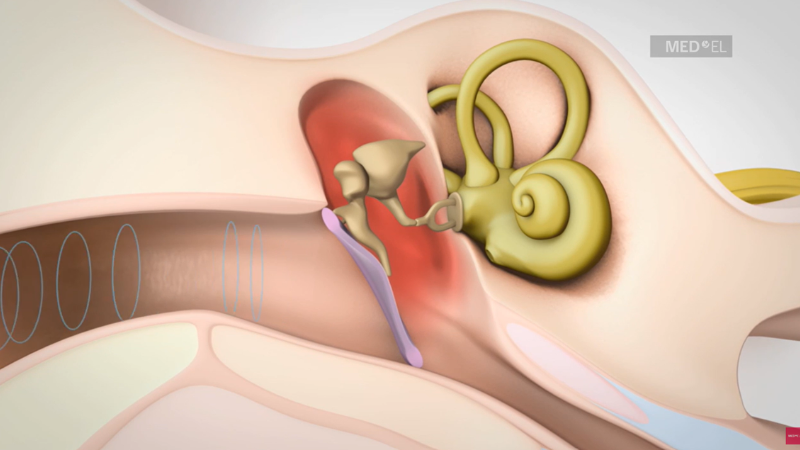
To fully grasp the types of hearing loss, a brief overview of the ear’s structure and function is beneficial. The human ear is divided into three main sections: the outer ear, the middle ear, and the inner ear. The outer ear consists of the auricle (pinna) and the external auditory canal, which collects sound waves and directs them towards the eardrum. The middle ear, an air-filled cavity, contains the tympanic membrane (eardrum) and the ossicles—three tiny bones: the malleus, incus, and stapes. These ossicles amplify and transmit vibrations from the eardrum to the oval window, an opening to the inner ear. The inner ear houses the cochlea, a fluid-filled, snail-shaped structure responsible for converting mechanical vibrations into electrical nerve impulses, and the auditory nerve, which carries these impulses to the brain for interpretation as sound.
Conductive vs. Sensorineural Hearing Loss: A Comparative Overview
The divergence in the location of damage leads to distinct characteristics and treatment pathways for each type of hearing loss.

| Feature | Conductive Hearing Loss | Sensorineural Hearing Loss |
|---|---|---|
| Location of Problem | Outer ear or middle ear | Inner ear (cochlea) or auditory nerve |
| Nature of Issue | Mechanical problem preventing sound transmission | Damage to sensory cells or nerve pathways |
| Common Causes | Earwax impaction, middle ear infections (otitis media), perforated eardrum, otosclerosis, fluid in the middle ear, foreign objects. | Aging (presbycusis), prolonged exposure to loud noise, genetic factors, certain illnesses (e.g., meningitis), ototoxic medications (e.g., some chemotherapy drugs, antibiotics), Meniere’s disease, acoustic neuroma. |
| Auditory Experience | Sounds may be muffled, quieter, or feel "blocked." | Speech clarity is often reduced; specific frequencies may be difficult to hear. Difficulty understanding speech in noisy environments is common. |
| Reversibility | Often temporary and treatable, depending on the underlying cause. | Typically permanent, as damage to hair cells or nerves is generally irreversible. |
| Primary Treatments | Medical intervention (e.g., removing earwax, treating infections), minor surgery, or specialized devices like bone conduction hearing aids. | Hearing aids (to amplify sound), cochlear implants (for severe to profound loss), assistive listening devices. |
Understanding Conductive Hearing Loss: When Sound Transmission is Impaired
Conductive hearing loss occurs when there is a physical obstruction or a mechanical issue that prevents sound waves from effectively reaching the inner ear. This can range from a simple blockage of the ear canal to more complex structural problems within the middle ear.
Common Causes and Manifestations:
- Earwax Buildup: Excess cerumen can block the ear canal, significantly muffling sounds. This is a very common and often easily resolvable cause.
- Middle Ear Infections (Otitis Media): Fluid accumulation behind the eardrum due to infection can impede the vibration of the eardrum and ossicles. This is particularly prevalent in children.
- Perforated Eardrum: A tear or hole in the eardrum, often caused by infection, injury, or sudden pressure changes, can disrupt sound transmission.
- Otosclerosis: A condition where abnormal bone growth in the middle ear prevents the stapes bone from vibrating properly, thus hindering sound conduction.
- Cholesteatoma: A non-cancerous skin growth that can develop in the middle ear, potentially damaging surrounding structures.
- Foreign Objects: Inadvertent insertion of small objects into the ear canal can cause blockage and hearing difficulties.
What It May Sound Like: Individuals experiencing conductive hearing loss often describe sounds as being muffled, distant, or as if their ears are plugged. The volume of external sounds is reduced, but the clarity of the sounds that are heard is usually preserved, provided the inner ear is functioning normally. For example, a person might hear someone speaking but struggle to make out the words because the sound is too quiet or indistinct.
Reversibility and Treatment: The good news with conductive hearing loss is that it is frequently temporary and amenable to medical or surgical intervention. Treatment strategies are tailored to the specific cause:

- Medical Treatment: Antibiotics for infections, ear drops to dissolve earwax, or procedures to drain fluid from the middle ear.
- Surgical Intervention: Repair of a perforated eardrum (tympanoplasty), procedures to address otosclerosis (stapedectomy), or removal of growths like cholesteatomas.
- Bone Conduction Devices: For certain cases where traditional hearing aids are not suitable, bone conduction devices can bypass the outer and middle ear to transmit sound directly to the inner ear via bone vibration.
Delving into Sensorineural Hearing Loss: When Sound Conversion and Transmission to the Brain are Compromised
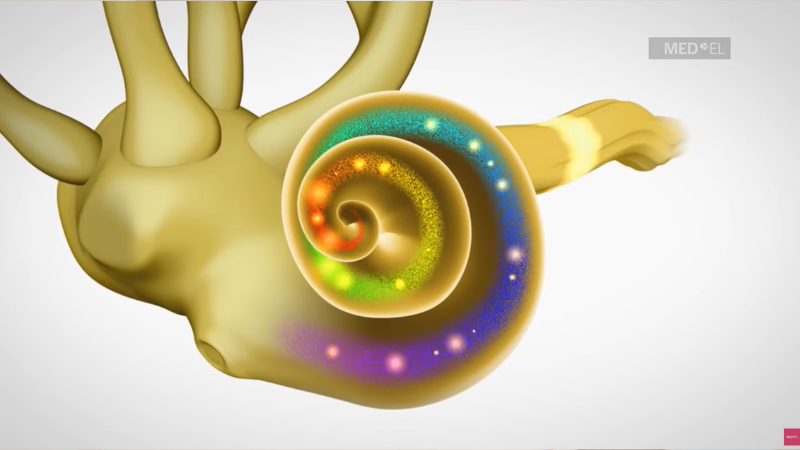
Sensorineural hearing loss (SNHL) is the most common type of hearing loss and arises from damage to the delicate structures of the inner ear, particularly the hair cells within the cochlea, or to the auditory nerve itself. These hair cells are crucial for converting mechanical vibrations into electrical signals that the brain can interpret. Damage to these cells or the nerve pathways disrupts this conversion process or the transmission of these signals.
Common Causes and Manifestations:
- Aging (Presbycusis): This is the leading cause of SNHL. With age, the hair cells in the cochlea naturally degenerate, leading to a gradual decline in hearing, often affecting higher frequencies first. Data from the National Institute on Aging indicates that about one-third of adults aged 65 to 74 have hearing loss, and roughly half of those 75 and older have difficulty hearing.
- Noise-Induced Hearing Loss: Prolonged exposure to loud noises, whether from occupational settings (e.g., construction, manufacturing) or recreational activities (e.g., concerts, firearms), can permanently damage cochlear hair cells. The World Health Organization estimates that over a billion people worldwide are at risk of hearing loss due to loud noise.
- Genetics: Inherited predispositions can lead to congenital or early-onset SNHL.
- Ototoxic Medications: Certain drugs, including some powerful antibiotics, chemotherapy agents, and high doses of aspirin, can be toxic to the inner ear and cause SNHL.
- Illnesses and Infections: Diseases like meningitis, measles, mumps, and viral infections can damage the auditory system.
- Meniere’s Disease: An inner ear disorder characterized by fluctuating hearing loss, tinnitus, vertigo, and a feeling of fullness in the ear.
- Acoustic Neuroma: A non-cancerous tumor that develops on the auditory nerve, affecting hearing and balance.
What It May Sound Like: SNHL typically affects both the loudness and clarity of sounds. Speech may sound quieter, distorted, or muffled, and individuals often struggle to discern specific sounds or words, particularly in noisy environments. The ability to hear high-frequency sounds, which are critical for understanding speech, is often diminished. This can manifest as difficulty understanding conversations in restaurants, group settings, or on the telephone. Tinnitus, a ringing or buzzing in the ears, is also a common symptom associated with SNHL.
Reversibility and Treatment: In most cases, SNHL is irreversible due to the permanent nature of hair cell and nerve damage. However, significant advancements in audiology and medical technology offer effective management strategies:
- Hearing Aids: These devices amplify sounds, making them louder and easier to perceive. Modern digital hearing aids are highly sophisticated, offering features like noise reduction and directional microphones to enhance listening in challenging environments.
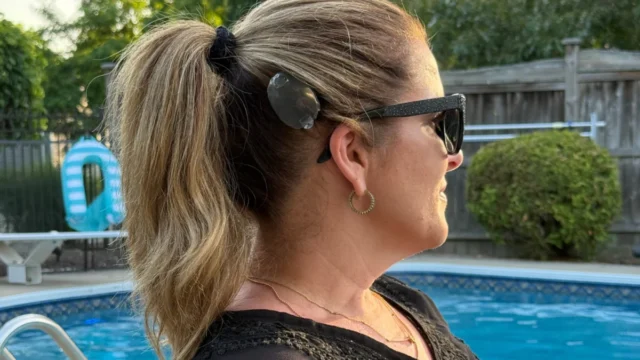
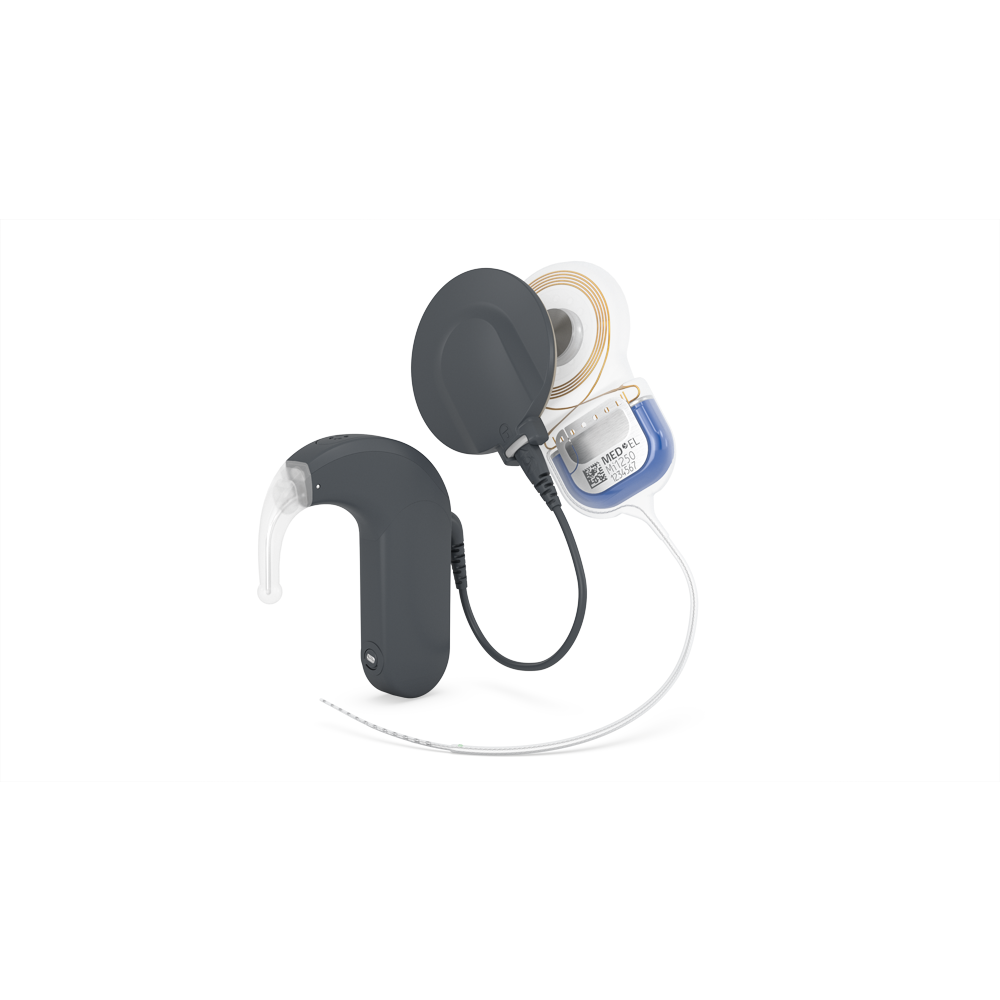
- Cochlear Implants: For individuals with severe to profound SNHL who derive little or no benefit from hearing aids, cochlear implants are a transformative option. These devices bypass the damaged hair cells and directly stimulate the auditory nerve, providing a sense of sound. Over 300,000 people worldwide have received cochlear implants.
- Assistive Listening Devices (ALDs): These range from amplified telephones and personal listening devices to FM systems used in classrooms or meeting rooms, which help improve the signal-to-noise ratio.
The Complexity of Mixed Hearing Loss
It is important to recognize that a person can experience both conductive and sensorineural hearing loss simultaneously. This condition is known as mixed hearing loss. For instance, an individual with age-related SNHL might also develop a middle ear infection, resulting in a combination of both types of hearing impairment. Mixed hearing loss is not uncommon, particularly among older adults or those with a history of chronic ear conditions. The treatment approach for mixed hearing loss must address both the conductive and sensorineural components, often requiring a multi-faceted strategy.
Diagnosis: The Gateway to Effective Intervention
Accurately identifying the type and severity of hearing loss is the critical first step in developing an effective management plan. While individuals may notice changes in their hearing, self-diagnosis is unreliable. Professional evaluation by an audiologist or an otolaryngologist (ENT specialist) is essential.
Diagnostic Tools and Procedures:
- Audiometry: This is a comprehensive hearing test that measures an individual’s ability to hear different frequencies and at varying loudness levels. It helps determine the degree and type of hearing loss.
- Tympanometry: This test measures the function of the middle ear, including the eardrum’s movement and pressure within the middle ear space. It is particularly useful in identifying conductive hearing loss related to middle ear issues.
- Otoacoustic Emissions (OAEs): This non-invasive test measures the sound waves produced by the cochlea in response to sound stimuli. It helps assess the function of the inner ear’s hair cells.
- Auditory Brainstem Response (ABR): This test measures the electrical activity in the auditory nerve and brainstem in response to sound. It is useful for detecting SNHL, especially when other tests are inconclusive or when assessing infants.
- Imaging Studies: In cases of suspected tumors, structural abnormalities, or complex SNHL, MRI or CT scans may be employed.
Many reputable organizations, including MED-EL, offer online hearing tests as an initial screening tool. While these tests can provide an early indication of potential hearing issues, they are not a substitute for a professional audiological evaluation.
The Importance of Professional Testing
Symptoms can sometimes overlap between different types of hearing loss, underscoring the need for professional expertise. For example, both conductive and sensorineural hearing loss can lead to a perceived muffling of sound. However, the underlying cause and appropriate treatment differ significantly. A perforated eardrum (conductive) might result in muffled sounds, while damage to the hair cells (sensorineural) can also make speech sound unclear and muffled, especially in noise. Only a thorough diagnostic assessment can differentiate between these conditions and guide appropriate interventions.
Addressing Hearing Loss: Treatment Pathways and Future Outlook
The treatment strategy for hearing loss is dictated by its type, severity, and underlying cause. Early intervention is crucial for maximizing outcomes and preserving residual hearing.
Treatment Options for Conductive Hearing Loss:
- Medical Management: This includes removal of earwax, treatment of ear infections with antibiotics or eardrops, and medical procedures to manage conditions like otosclerosis.
- Surgical Repair: Procedures like tympanoplasty to repair a perforated eardrum or stapedectomy to address otosclerosis can restore hearing function.
- Hearing Devices: In cases where medical or surgical interventions are not fully effective, or as a temporary measure, hearing aids or bone conduction devices may be recommended.
Treatment Options for Sensorineural Hearing Loss:
- Hearing Aids: The primary management tool for mild to severe SNHL.
- Cochlear Implants: For individuals with severe to profound SNHL who do not benefit from hearing aids. These devices offer a significant improvement in speech understanding and quality of life. As of 2023, MED-EL is a leading provider of cochlear implant systems, with ongoing research and development aimed at enhancing device performance and expanding accessibility.
- Assistive Listening Devices: Essential for improving communication in specific environments.
- Rehabilitation Programs: Audiological rehabilitation programs, including speech therapy and auditory training, can help individuals adapt to their hearing loss and maximize their use of hearing technology.
A Call to Action: Prioritizing Hearing Health
Experiencing hearing difficulties can significantly impact an individual’s quality of life, affecting social interactions, cognitive function, and emotional well-being. The implications extend beyond personal challenges, with studies suggesting a link between untreated hearing loss and an increased risk of dementia and social isolation. Therefore, proactive management and early intervention are paramount.
For those experiencing any form of hearing difficulty, seeking a professional evaluation is the most important first step. Understanding the distinction between conductive and sensorineural hearing loss empowers individuals to engage more effectively with healthcare providers and make informed decisions about their treatment and future hearing health. The MED-EL team, with its extensive expertise in hearing implant systems and audiological solutions, emphasizes the importance of early detection and personalized care.
For those uncertain about their hearing status, taking an online hearing test can serve as a valuable initial assessment. However, it is crucial to reiterate that this is not a diagnostic tool. A comprehensive assessment by a qualified professional is indispensable for accurate diagnosis and the development of an effective, individualized treatment plan. Taking action early can indeed make a profound difference in preserving hearing function and enhancing overall well-being.
The content provided in this article is intended for general informational purposes only and should not be construed as medical advice. It is essential to consult with a qualified healthcare professional or audiologist for personalized medical advice and treatment recommendations tailored to your specific needs.