
The Landscape of Tinnitus in the United Kingdom
Tinnitus, the perception of sound in the absence of an external source, affects millions of individuals across the United Kingdom. According to clinical data, approximately one in seven adults experiences persistent tinnitus, with a subset of those individuals reporting significant distress that impacts their professional and personal lives. Historically, the medical advice provided to patients—often centered on the phrase "stop thinking about it"—has been criticized by advocacy groups as insufficient, leading to feelings of frustration and abandonment among those seeking relief.
The Cardiff event served to dismantle these outdated paradigms by offering a multifaceted approach to management. Rather than suggesting that patients ignore their symptoms, the program focused on cognitive strategies, audiological interventions, and lifestyle adjustments that allow individuals to reclaim agency over their hearing health.

Chronology of the Cardiff Event
The day’s proceedings followed a structured agenda designed to move from foundational understanding to practical, long-term management tools:
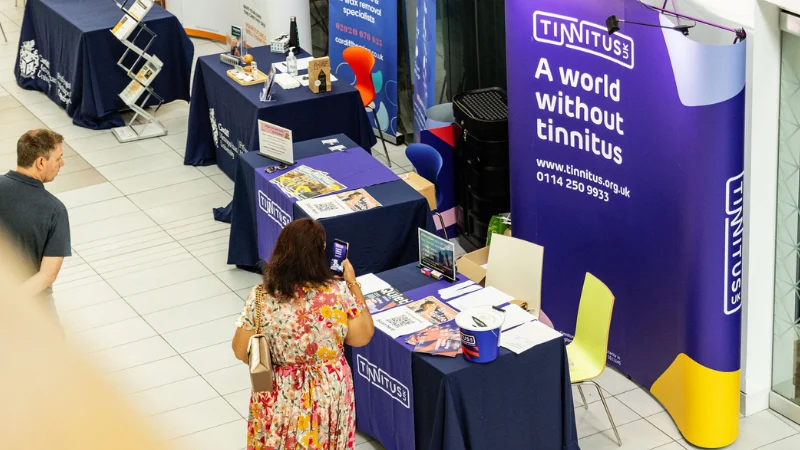
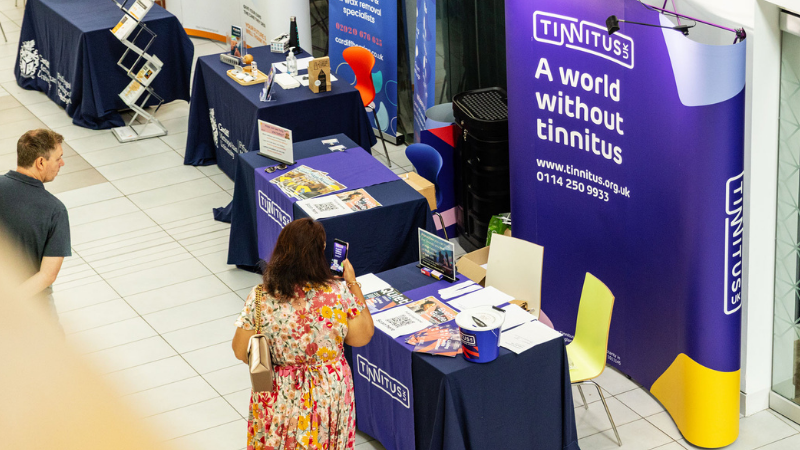
- 09:30 – 10:30: Registration and networking, allowing attendees to visit an exhibition hall featuring local hearing specialists, including Sonja Jones of Cardiff Hearing and Kevin Davies of the custom-fit protection firm Minerva.
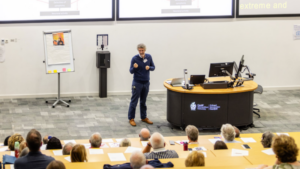
- 10:30 – 12:00: The opening keynote session, led by Professor Florian Vogt of University College London, focused on the intersection of psychology and auditory health.
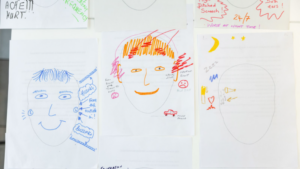
- 12:00 – 13:30: Interactive workshops, including the debut of the Tinnitus Creative Toolkit, led by Marie from the Open University.
- 13:30 – 15:00: Afternoon sessions dedicated to holistic management, including a practical demonstration of chair yoga as a form of stress-reduction and physical engagement.
- 15:00 – 16:00: Closing plenary, during which the announcement of a permanent Cardiff-based support group was made to a highly receptive audience.
The Role of Psychological Support and Cognitive Research
A central pillar of the day’s discussions was the presentation by Professor Florian Vogt, whose work at University College London has focused on the neuro-psychological aspects of chronic tinnitus. Professor Vogt’s research posits that the severity of tinnitus is not always correlated with the volume of the sound, but rather with the brain’s emotional reaction to it.

During his address, he emphasized that sleep disruption is one of the most common and damaging sequelae of the condition. By implementing structured cognitive-behavioral techniques, patients can often reduce the "fight or flight" response triggered by the noise, which in turn helps lower the subjective perception of the sound. This evidence-based approach is now being integrated into Tinnitus UK’s national webinar series, providing a bridge between clinical research and home-based therapy.
Innovation in Management: The Tinnitus Creative Toolkit
One of the most notable developments showcased in Cardiff was the Tinnitus Creative Toolkit. Developed by researchers at the Open University, the tool represents a departure from traditional clinical interventions. The toolkit is designed to facilitate the expression of the "tinnitus experience" through art, structured dialogue, and creative reflection.
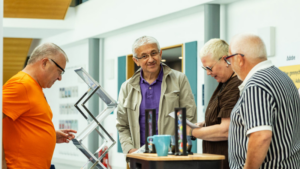
While mindfulness and meditation are well-documented as effective management techniques, the Creative Toolkit introduces a communal element. By allowing patients to externalize their experiences in a group setting, it reduces the stigma and psychological burden often associated with the condition. Early findings from research trials suggest that this creative approach contributes to higher rates of psychological resilience among long-term sufferers.
The Impact of Community and Peer Support
Statistical evidence provided by Tinnitus UK during the event highlighted the efficacy of group-based support. Data indicates that 97% of participants in formal tinnitus support groups report a measurable improvement in their ability to cope with the condition. This statistic underscores the "social prescription" model, where the act of sharing experiences with others who face the same sensory challenges is as vital as medical treatment.
The success of the Cardiff event was solidified by the announcement that a permanent, local support group will be established in the city. This development ensures that the momentum generated by the information day will continue, providing Cardiff residents with a consistent point of contact for ongoing support. The formation of this group is expected to be a blueprint for other regions in Wales that currently lack dedicated, localized networks for tinnitus patients.
Physical Activity as a Management Strategy
The inclusion of a chair yoga session highlighted a growing trend in tinnitus research: the use of physical movement to mitigate symptoms. Data from recent crowdsourced studies in France suggests that physical activity acts as a "buffer" against the distress of tinnitus. The mechanism is twofold: first, physical activity provides a distraction from the auditory signal; second, it lowers the cortisol levels in the body, which can decrease the nervous system’s sensitivity to the condition.

Participants in the chair yoga workshop reported immediate subjective benefits, including a sense of calm and a reduction in the "intrusiveness" of their symptoms. The workshop demonstrated that such activities are not merely supplemental but are essential components of a holistic management strategy.
Strategic Implications for Public Health
The return of Tinnitus UK to Cardiff highlights a broader, nationwide effort to decentralize tinnitus care. Historically, much of the support for such conditions has been concentrated in major urban research hubs. However, the success of the Cardiff Information Day proves that there is a significant, unmet demand for localized, expert-led guidance.
For healthcare providers in Wales, the event provided a clear roadmap for better patient outcomes. By facilitating direct access to specialists and promoting the use of support groups, the charity is helping to alleviate the burden on primary care services. When patients are better informed and have access to peer support, they are less likely to experience the crisis-driven appointments that often overwhelm general practitioners.
Looking Ahead: The Bournemouth Initiative
Following the success in Wales, Tinnitus UK is maintaining a rigorous schedule of outreach. The next installment of the Information Day series is scheduled for September 5 in Bournemouth. The organization’s ability to coordinate these large-scale, free events is entirely dependent on charitable contributions, memberships, and legacy gifts.

The financial model of these events reflects a commitment to equitable access. By keeping attendance free, Tinnitus UK ensures that financial hardship is not a barrier to receiving high-quality information. The sustainability of this model relies on the continued support of the public, which allows the charity to scale its operations to meet the needs of the growing number of people seeking help.
Conclusion
The Cardiff Tinnitus Information Day was more than a series of presentations; it was a catalyst for community formation. By providing a safe space for individuals to learn about the latest in clinical research, engage in creative therapeutic practices, and connect with fellow sufferers, Tinnitus UK has reaffirmed the importance of community-led healthcare. As the charity prepares for its upcoming event in Bournemouth, the successes seen in Cardiff serve as a testament to the fact that while a universal, physical cure for tinnitus remains elusive, the quality of life for those living with the condition can be profoundly improved through knowledge, connection, and proactive management.

For many attendees, the most important takeaway was the realization that they are no longer navigating their tinnitus journey in isolation. With new support groups forming and new research tools entering the field, the outlook for those affected by tinnitus is increasingly one of optimism and manageable recovery.