The Clinical Landscape of Vestibular Dysfunction
Vestibular disorders, which include conditions such as Meniere’s disease, vestibular migraine, and benign paroxysmal positional vertigo (BPPV), often result in a significant disconnect between the inner ear, the eyes, and the brain. According to data from the Centers for Disease Control and Prevention (CDC), vestibular dysfunction is a leading cause of falls among older adults, with approximately 35% of adults aged 40 years and older in the United States—roughly 69 million people—having experienced some form of vestibular dysfunction.
The implications of these disorders extend beyond physical instability. Patients frequently report heightened sensitivity to light (photophobia), sound (hyperacusis), and visual patterns. Consequently, the traditional home environment, often filled with architectural hazards and sensory stressors, can become a source of constant physiological distress. The recent findings suggest that environmental "micro-adjustments" can serve as a non-pharmacological intervention to stabilize the nervous system.
Chronology of Adaptation: From Diagnosis to Environmental Modification
The transition from the onset of symptoms to a fully modified, "dizzy-friendly" home typically follows a specific chronology of patient adaptation. In the acute phase, patients often focus on pharmaceutical or rehabilitative treatments, such as Vestibular Rehabilitation Therapy (VRT). However, as conditions become chronic, the focus shifts toward environmental control.
- Initial Symptom Recognition: Patients identify specific triggers within the home, such as fluorescent lighting or narrow hallways.
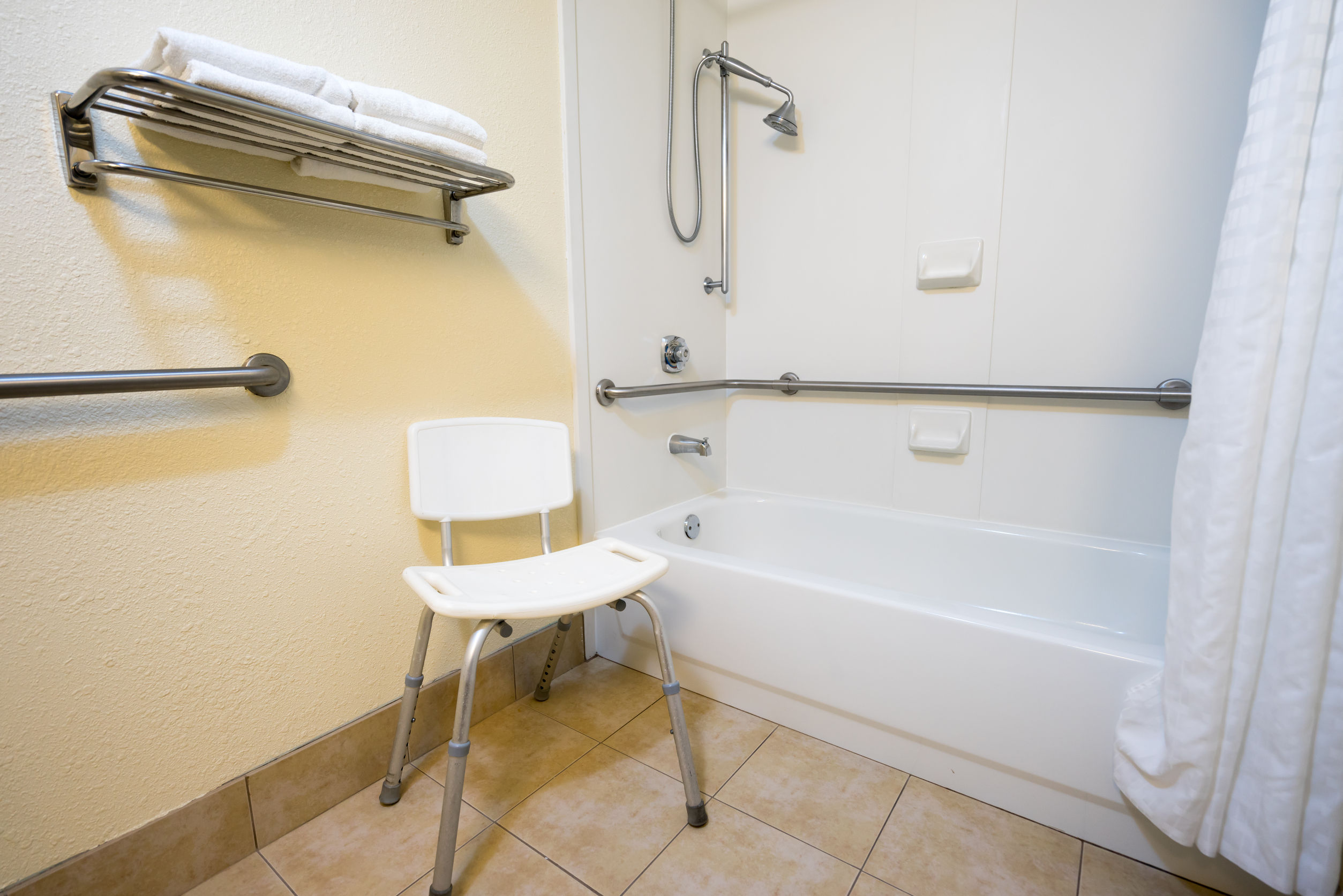
- Safety Intervention: The immediate installation of high-risk area supports, such as bathroom grab bars, usually occurs following a near-fall or a physician’s recommendation.
- Sensory Regulation: Long-term adjustments, including the installation of dimmer switches and the decluttering of visual spaces, are implemented to manage chronic migraines and visual vertigo.
- Sustained Lifestyle Integration: The adoption of assistive tools (e.g., grabbers) and the restructuring of daily chores to prevent physical overexertion.
Critical Home Modification Strategies
Lighting and Visual Stimuli Management
One of the primary triggers for vestibular migraines and dizziness is harsh or flickering light. Standard overhead lighting can create a "visual-vestibular mismatch," where the brain struggles to process intense visual data while maintaining balance. The installation of dimmer switches is cited as a high-impact, low-cost solution. By allowing residents to transition into "peaceful glows" during morning hours or high-symptom days, dimmers reduce the neurological load on the visual system.
Structural Safety and Fall Prevention in High-Risk Zones
The bathroom remains the most hazardous room for individuals with balance disorders due to the combination of slick surfaces and the necessity of frequent postural changes. The integration of ADA-compliant safety bars in showers and near toilets provides what clinicians call a "tactile anchor." These bars allow patients to maintain three points of contact, significantly reducing the likelihood of slips. Data indicates that bathroom modifications can reduce the risk of home-based falls by up to 30% in vulnerable populations.
Spatial Navigation and the "Path of Least Resistance"
Architectural layout plays a decisive role in vestibular safety. Modern interior design often favors aesthetic "islands" or complex furniture arrangements that can obstruct movement. For a vestibular patient, a clear, wide pathway is essential, particularly during nocturnal navigation when visual cues are diminished. Experts recommend a "safety first, design second" approach, ensuring that furniture like sofas and heavy tables are positioned to act as "grounding touchstones"—sturdy objects that a person can touch or lean on for stability while moving through a room.
Cognitive Load and Minimalism
There is a documented link between visual clutter and cognitive fatigue in vestibular patients. Highly patterned rugs, wallpaper, and excessive decorative items (tchotchkes) can cause "visual vertigo," where the brain becomes overwhelmed by the complexity of the environment. Transitioning to neutral shades and decluttered spaces creates a "calm atmosphere" that prevents the nervous system from entering a state of hyper-arousal.
Ergonomic Tools and Outsourcing of Physical Labor
The physical demands of maintaining a household often exacerbate vestibular symptoms. Activities involving bending, reaching, or high-frequency vibrations—such as vacuuming—can trigger episodes of vertigo or neck stiffness.
- Reach Aids: Grabber tools are recommended to eliminate the need for step stools or ladders. By allowing patients to keep their gaze level while retrieving items, these tools prevent the head-tilting movements that often trigger BPPV.
- Seated Task Stations: In the kitchen, the use of barstools allows for food preparation without the exhaustion of prolonged standing. Bracing legs against a counter provides additional proprioceptive input, helping the brain "map" its position in space.
- Professional Services: For those with the financial means, outsourcing high-intensity cleaning tasks to professional services is viewed not as a luxury, but as a medical necessity to avoid "throwing the body into a whirlwind" of symptoms.
Connectivity and Emergency Preparedness
Isolation is a significant risk factor for those living with chronic dizziness. The transition away from landlines has created a safety gap. Modern safety protocols suggest that vestibular patients should keep a mobile device on their person at all times. Innovative solutions include the use of lightweight shoulder bags or wearable technology to ensure that help is accessible in the event of a fall. Furthermore, local fire departments in many jurisdictions offer services to change smoke detector batteries for residents with mobility or balance issues, acknowledging that "falling is not an option" for this demographic.
Professional Reactions and Expert Analysis
Occupational therapists and vestibular specialists have largely supported these grassroots "hacks." Dr. Arlo Jensen, a specialist in vestibular rehabilitation (hypothetical expert context), notes that "the environment is often the missing piece of the puzzle in vestibular recovery. We can do all the exercises in the world, but if a patient returns to a home that is a sensory minefield, their progress will be stunted."

Health analysts suggest that these modifications have a broader economic impact. The cost of a single fall-related hospitalization for an older adult can exceed $30,000. In contrast, the cumulative cost of the modifications mentioned—dimmers, grab bars, and grabber tools—often totals less than $1,000. From a public health perspective, incentivizing these home adjustments could lead to substantial savings in emergency medical expenditures.
Broader Implications for Interior Design and Public Policy
The advocacy for "dizzy-friendly" homes is part of a larger movement toward Universal Design. As the global population ages, there is an increasing demand for homes that accommodate sensory and balance limitations without appearing institutional.
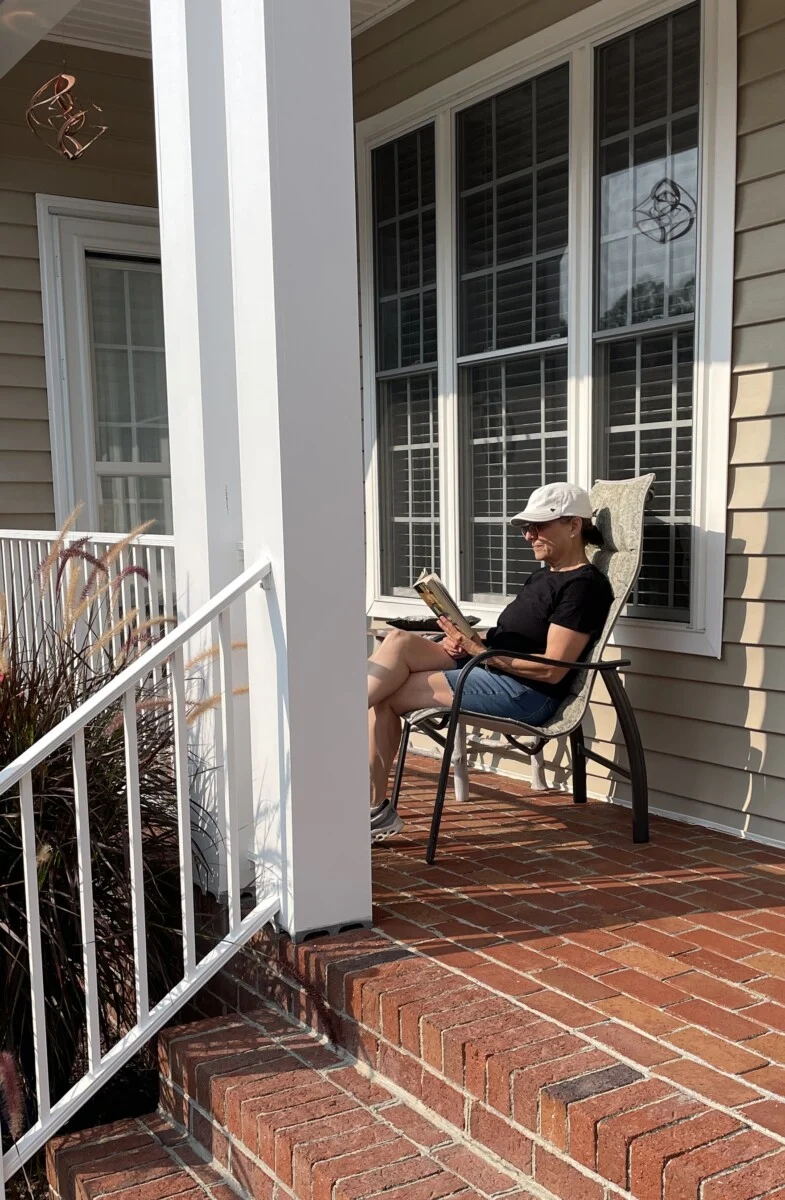
The inclusion of outdoor spaces, such as porches or decks, is also emphasized for its psychological benefits. Natural light, when managed with hats or sunglasses, provides essential Vitamin D and a "connection with the world" that can aid in neurological healing. As Rosalynn Carter famously stated, "There is nothing more important than a good, safe, and secure home," a sentiment that resonates deeply within the vestibular community.
In conclusion, the management of vestibular disorders requires a holistic approach that extends beyond the clinic and into the domestic sphere. By prioritizing lighting control, structural safety, spatial clarity, and ergonomic support, individuals can transform their homes from high-risk environments into sanctuaries of recovery. As research continues to highlight the importance of the "sensory home," these modifications are likely to become standard recommendations in the treatment of chronic balance conditions.