Understanding the Global Burden of Tinnitus
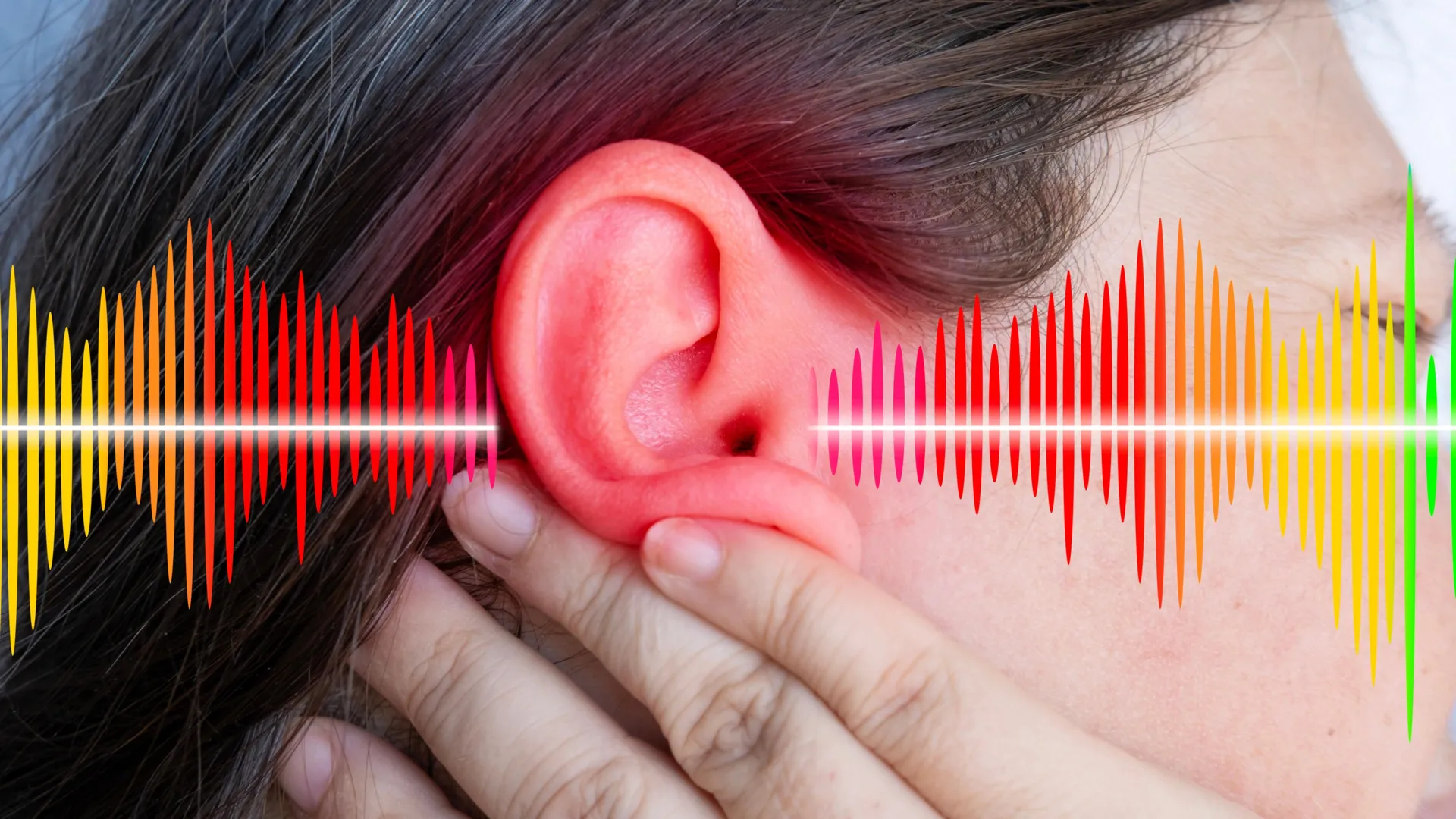
Tinnitus is not a disease in itself but a symptom of an underlying condition, such as age-related hearing loss, ear injury, or a circulatory system disorder. For the estimated 14% of the global population living with the condition, the experience ranges from a minor, occasional annoyance to a catastrophic disruption of daily life. In severe cases, the constant internal noise leads to chronic insomnia, cognitive impairment, and profound psychological distress, including clinical depression and anxiety.
Despite its prevalence, tinnitus has long remained one of the most elusive conditions in otolaryngology. Traditionally, it was thought to originate solely within the inner ear or the auditory nerve. However, modern neuroscience has increasingly shifted its focus toward the brain’s plastic response to hearing loss. When the brain is deprived of external sound input, it may "turn up the volume" on internal neural activity, creating the phantom sounds associated with the condition. This latest research adds a critical layer to this theory by demonstrating how chemical messengers like serotonin influence the sensitivity of these auditory circuits.
The Serotonin Paradox and SSRIs
The discovery is particularly significant given the widespread use of selective serotonin reuptake inhibitors (SSRIs). Medications such as fluoxetine (Prozac), sertraline (Zoloft), and escitalopram (Lexapro) are the frontline treatments for depression and anxiety—conditions that frequently co-occur with tinnitus. SSRIs work by increasing the availability of serotonin in the synaptic clefts between neurons, theoretically stabilizing mood.
However, clinical observations have long suggested a "serotonin paradox." While some patients find that managing their anxiety with SSRIs makes their tinnitus more tolerable, others report a paradoxical spike in the intensity of the ringing shortly after starting the medication. Until now, these reports were often dismissed as subjective or secondary to the stress of the underlying mental health condition.
Dr. Laurence Trussell, a professor of otolaryngology in the OHSU School of Medicine and a scientist at the OHSU Vollum Institute, noted that the study validates these patient experiences. "People with tinnitus should work with their prescribing physician to find a drug regimen that gives them a balance between relief of psychiatric symptoms like depression and anxiety, while minimizing the experience of tinnitus," Trussell stated. He emphasized that the findings underscore the necessity for clinicians to recognize and validate patient reports of medication-associated increases in tinnitus rather than attributing them to psychological factors alone.
Chronology of the Discovery: From 2017 to the Present
The current findings are the culmination of years of investigation into the dorsal cochlear nucleus (DCN), a region of the brainstem where auditory information is first processed. In 2017, the OHSU team published preliminary work suggesting that the DCN was highly sensitive to serotonin. That earlier study laid the groundwork by showing that certain cells in the DCN, known as fusiform cells, become hyperactive when exposed to serotonin.
Building on that foundation, the new study sought to map the exact circuit responsible for this interaction. Dr. Zheng-Quan Tang, who began the project as a postdoctoral scholar in Trussell’s laboratory before continuing the work at Anhui University, utilized advanced neurological tools to isolate the pathway. By identifying a direct link from the raphe nucleus—the brain’s primary source of serotonin—to the auditory system, the team was able to move from correlation to causation.
Methodology: Optogenetics and the Mouse Model
To observe the effects of serotonin in real-time, the researchers employed optogenetics, a cutting-edge technique that involves genetically modifying specific neurons to make them responsive to light. By using fiber optics to deliver light pulses directly into the brains of mice, the scientists could "switch on" serotonin-producing neurons with surgical precision.
The team focused on the interaction between these neurons and the auditory region of the brain. When the serotonin circuit was activated, the researchers observed a marked increase in the firing rate of neurons within the dorsal cochlear nucleus. To determine if the mice were actually "hearing" tinnitus, the team used a modified version of the auditory startle test.
In a typical startle test, a sudden loud noise causes a reflex jump. If a brief "gap" of silence is placed just before the loud noise, the animal’s startle response is usually reduced—a phenomenon known as pre-pulse inhibition. However, if the animal is experiencing tinnitus, the internal ringing "fills in" the gap of silence, preventing the animal from detecting the cue and resulting in a full-strength startle. The mice in the study exhibited behavior consistent with this "gap-filling" effect when their serotonin levels were artificially elevated, suggesting they were experiencing a phantom sound. Conversely, when the researchers deactivated the circuit, the tinnitus-like symptoms were significantly ameliorated.
Supporting Data: The Role of the Dorsal Cochlear Nucleus
The data gathered in the study points to the dorsal cochlear nucleus as a "hub" for multisensory integration. The DCN does not just process sound; it also receives inputs from the somatosensory system (touch) and the vestibular system (balance). This explains why some people can change the pitch or volume of their tinnitus by moving their jaw or neck.
The OHSU/Anhui study shows that serotonin acts as a "gain control" in this hub. When serotonin levels rise, the fusiform cells in the DCN become hypersensitive to input. In the absence of external sound, this hypersensitivity leads to the amplification of spontaneous neural noise, which the brain interprets as a constant ringing. This biological mechanism explains why SSRIs, while beneficial for the prefrontal cortex and mood, may have an unintended "pro-tinnitus" effect in the brainstem.
Clinical Implications and Expert Reactions
The research has sent ripples through both the audiology and psychiatry communities. For years, the treatment of comorbid depression and tinnitus has been a trial-and-error process.
"This gives us a much clearer picture of what’s going on in the brain—and points toward new possibilities for treatment," said Dr. Tang. The clarity provided by the identification of this specific circuit allows for a more nuanced approach to patient care.
Medical professionals suggest that the implications for clinical practice are twofold:
- Screening: Patients with pre-existing tinnitus should be closely monitored when beginning SSRI therapy.
- Customization: If a patient experiences a significant increase in tinnitus distress, physicians may need to consider alternative antidepressants that do not act as strongly on the specific serotonin receptors found in the auditory pathway, or adjust dosages to find a "therapeutic window" that aids mood without triggering the DCN.
Future Directions: Toward Precision Pharmacology
The ultimate goal of this research is the development of more targeted medications. Current antidepressants are systemic, meaning they flood the entire brain with serotonin. This "shotgun approach" is what leads to the side effects observed in the auditory system.
Dr. Trussell suggests that the future of tinnitus treatment may lie in precision medicine. "It may be possible to develop cell- or brain region-specific drugs that steer the elevation of serotonin in some brain regions but not others," he explained. By creating drugs that target serotonin receptors in the mood-regulating centers while bypassing or even inhibiting those in the dorsal cochlear nucleus, scientists could decouple the antidepressant benefits from the auditory side effects.
Furthermore, the discovery of this circuit opens the door for non-pharmacological interventions. Techniques such as Deep Brain Stimulation (DBS) or Transcranial Magnetic Stimulation (TMS) could potentially be calibrated to dampen the activity of the serotonin-auditory circuit in patients with treatment-resistant tinnitus.
Conclusion and Analysis of Broader Impact
The study by OHSU and Anhui University represents a significant leap forward in our understanding of the "hidden" circuitry of the brain. It reinforces the idea that the brain’s various systems—sensory, emotional, and chemical—are deeply interconnected. For the millions of people who suffer from the "invisible" disability of tinnitus, this research provides more than just a biological explanation; it provides a sense of validation.
As the scientific community continues to unravel the complexities of the human brain, the focus is increasingly shifting toward how common medications affect us in ways we are only beginning to understand. The link between serotonin and tinnitus serves as a potent reminder of the need for holistic, multidisciplinary approaches to medicine, where the ears, the mind, and the chemistry of the brain are treated as a single, integrated system.
The research was supported by the National Institutes of Health (NIH), emphasizing the public health importance of solving the tinnitus puzzle. While a "cure" for tinnitus remains a future goal, the identification of the serotonin-auditory circuit brings the medical world one step closer to providing relief for those living in a world of persistent, phantom sound.