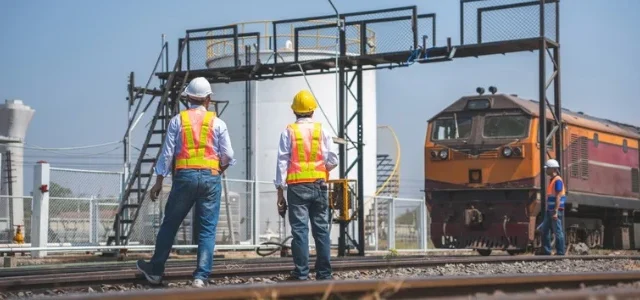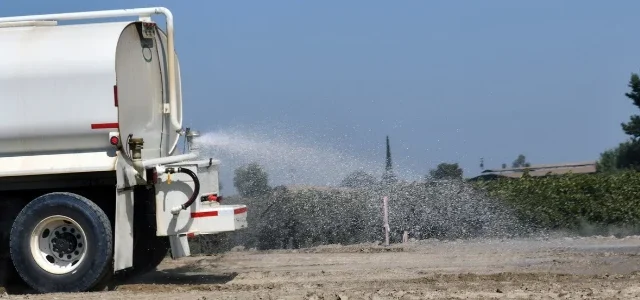
The regulatory environment in Oregon has evolved significantly over the past five years in response to increasingly volatile weather patterns. These mandates serve as a critical framework for industries ranging from agriculture and construction to logistics and public utilities. As climate change continues to shift the baseline for seasonal temperatures, the state’s legislative and regulatory bodies have moved to codify protections that were once considered discretionary, transforming them into non-negotiable requirements for any business operating in an outdoor capacity.
Understanding the Regulatory Thresholds
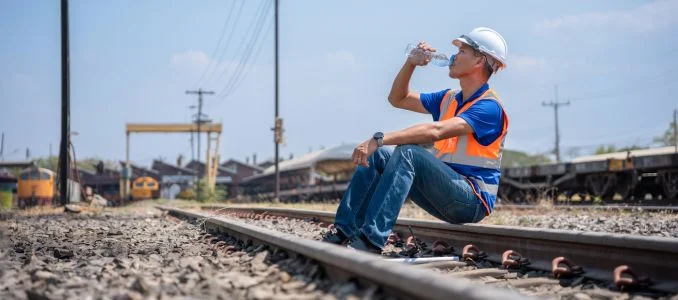
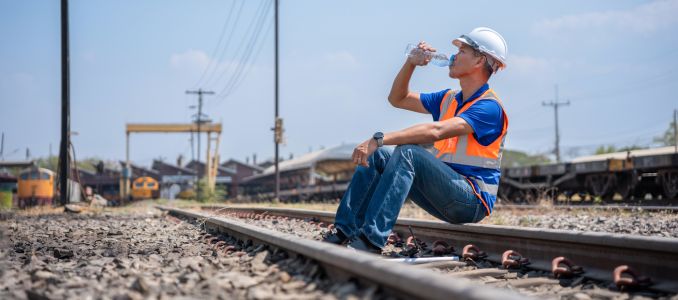
The state’s heat illness prevention standards are triggered by a tiered system based on the heat index—a measurement that combines air temperature and relative humidity to reflect the perceived temperature felt by the human body. When the heat index reaches 80 degrees Fahrenheit, employers are legally obligated to implement baseline safety protocols. This includes the provision of clean, cool drinking water, access to adequate shade, and the implementation of structured rest periods to allow for physiological recovery.
A critical, often overlooked component of these regulations is the “acclimatization plan.” Oregon OSHA mandates that employers provide a gradual adjustment schedule for new employees or those returning from a prolonged absence. This recognizes that the human body requires time—typically between 7 and 14 days—to adapt to high-heat environments. Failing to allow for this transition period significantly increases the risk of heat exhaustion, heat cramps, and the life-threatening condition of heat stroke.
Once the heat index climbs past 90 degrees Fahrenheit, the regulatory burden on employers intensifies. At this stage, mandates often include increased observation of workers for symptoms of heat-related illness, the implementation of a buddy system to ensure no employee is left to struggle in isolation, and more frequent, mandatory rest breaks. These requirements are not mere suggestions; they are enforceable safety standards that carry the weight of potential administrative citations and financial penalties for non-compliance.

The Dual Threat of Wildfire Smoke
Parallel to the dangers of heat, the prevalence of wildfire smoke has become a defining characteristic of the Oregon summer. The primary health concern associated with smoke exposure is the presence of fine particulate matter, known as PM2.5. These particles, which measure 2.5 micrometers in diameter or smaller, are particularly dangerous because they can bypass the body’s natural respiratory defenses, entering the bloodstream and potentially exacerbating pre-existing cardiovascular and respiratory conditions.
Oregon’s wildfire smoke rules are activated when air quality reaches hazardous levels, typically measured by the Air Quality Index (AQI). When these thresholds are breached, employers are tasked with a comprehensive response strategy. This includes active monitoring of local air quality reports, the installation of high-efficiency particulate air (HEPA) filtration systems in indoor work environments where possible, and the adjustment of work schedules to avoid peak pollution hours.
When structural or environmental controls are insufficient to lower exposure, employers are required to provide certified N95 respirators or equivalent filtering facepiece respirators to their employees. Crucially, the provision of these masks must be accompanied by proper training and, in many cases, fit testing, ensuring that the protective equipment is both effective and comfortable enough to be worn for the duration of a shift.

A Chronology of Increasing Climate Volatility
The current regulatory climate is the direct result of a series of environmental events that have fundamentally changed the way Oregon approaches workplace safety. The catastrophic wildfire season of 2020, which saw millions of acres burned across the state and air quality indices reach levels that were literally off the charts, served as a catalyst for legislative action.
In the wake of that season, the state observed a surge in hospitalizations related to respiratory distress among outdoor workers. By 2021 and 2022, Oregon OSHA began the formal process of codifying permanent rules to replace temporary emergency mandates. This transition signaled a permanent shift in corporate responsibility, moving away from a “wait-and-see” approach to a proactive, preventative model. Every summer since has seen a refinement of these rules, with officials utilizing data from the previous year to plug gaps in enforcement and communication.
Supporting Data and Workplace Health Metrics
Data from the U.S. Bureau of Labor Statistics and state-level health agencies indicate that workers in the construction and agricultural sectors remain the most vulnerable populations. In Oregon, the agricultural sector, which relies heavily on seasonal labor, has faced unique challenges in ensuring that workers understand their rights and the available protective measures, particularly when language barriers exist.

Analysis of heat-related illness trends shows that the majority of incidents occur during the first few days of a heatwave, or when workers are pushed to maintain productivity levels that were set during cooler months. Industry experts point to the “productivity paradox”—the tendency for employers to demand the same output during extreme heat as in mild weather—as a primary driver of workplace accidents. Safety consultants consistently advise that productivity should be secondary to safety during extreme heat events, recommending that employers adjust production quotas to account for the physical toll of working in high temperatures.
The Role of Voluntary Compliance and Consultation
Recognizing that the regulatory burden can be complex, especially for small and medium-sized enterprises (SMEs), Oregon OSHA has prioritized a consultative approach. The agency offers free, confidential consultation services, allowing employers to invite state safety experts to review their worksites, identify potential hazards, and provide guidance on how to implement compliance programs—all without the threat of a formal citation.
This service is widely viewed as a cornerstone of the state’s success in improving workplace safety. By treating employers as partners in the safety process rather than mere targets for enforcement, the agency has successfully fostered a culture of compliance. Many businesses that take advantage of these consultations find that the implementation of robust safety protocols not only protects their workers but also reduces turnover, decreases absenteeism, and lowers insurance premiums over the long term.

Broader Implications for the Future of Labor
The implications of these regulations extend far beyond the immediate goal of preventing heatstroke or smoke inhalation. As the climate continues to change, the definition of a “safe” workplace is being rewritten. Companies that invest in climate-resilient infrastructure—such as cooling stations, improved HVAC systems, and flexible scheduling software—are finding themselves better positioned to weather the economic disruptions caused by extreme weather.
Conversely, firms that fail to adapt face significant risks, including legal liability, reputational damage, and the loss of a skilled workforce. The competition for labor in the current market has made safety a key selling point for employers. Workers are increasingly aware of their rights and are more likely to seek employment with organizations that demonstrate a tangible commitment to their physical well-being.
As Oregon moves through the remainder of the summer, the message from state officials is clear: the environment is changing, and workplace safety protocols must evolve at an equal or greater pace. By combining rigorous enforcement with education and consultation, the state hopes to maintain a resilient workforce capable of enduring the challenges of a warming climate. Employers are encouraged to review their safety programs immediately, ensuring that they are not only meeting the letter of the law but are also fostering a genuine environment of safety for those on the front lines of the regional economy.