
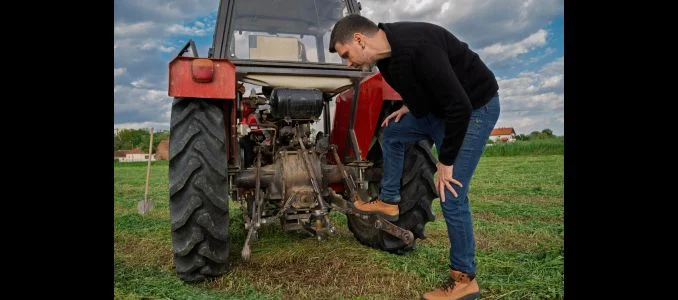
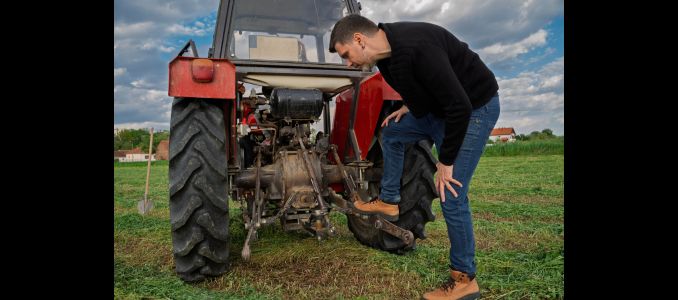
The urgency of these safety directives is underscored by a consistent pattern of incidents involving heavy machinery. Data from the Bureau of Labor Statistics (BLS) and state-level safety departments consistently identify tractor-related accidents—specifically rollovers, runovers, and entanglement with power takeoff (PTO) systems—as the leading causes of morbidity and mortality among farmworkers. As the agricultural community marks this week of awareness, the focus has expanded beyond simple equipment maintenance to a holistic approach involving operator education, site-specific hazard assessments, and the integration of advanced safety engineering.
A Chronology of Agricultural Safety Initiatives
The evolution of farm safety standards has been a gradual but essential process. Historically, the advent of mechanized farming in the mid-20th century transformed the industry’s output but simultaneously introduced unprecedented risks. Throughout the 1970s and 1980s, the introduction of the Occupational Safety and Health Act (OSHA) provided the first federal frameworks for agricultural safety. However, the unique, dispersed nature of farm work—often occurring on private, remote land—has frequently complicated enforcement and compliance efforts.

In the last decade, state agencies like Washington’s L&I have pivoted toward a more proactive model. By shifting from reactive enforcement to preventative education, officials have sought to close the knowledge gap that persists among seasonal and long-term workers. The current safety campaign is the culmination of years of incident investigation reports, which have shown that a significant percentage of tractor accidents are preventable through the consistent use of Rollover Protective Structures (ROPS) and the implementation of formal standard operating procedures (SOPs).
Supporting Data and Risk Assessment
The statistics surrounding farm equipment safety are sobering. According to the National Institute for Occupational Safety and Health (NIOSH), there are approximately 2.1 million farmworkers in the United States, and agricultural work consistently ranks among the most dangerous professions. Tractor overturns account for nearly 40 percent of all tractor-related fatalities. Despite the availability of modern safety technology, older machinery remains in operation across the country, often lacking the critical upgrades necessary to prevent catastrophic outcomes.

Furthermore, the environmental context of these injuries is significant. Occupational hazards on the farm are not limited to mechanical failure. Workers frequently operate in extreme heat, are exposed to silica-containing field dust, and work in close proximity to hazardous chemicals such as anhydrous ammonia and various pesticides. The convergence of these respiratory and heat-related stressors with the physical demands of operating heavy, complex machinery creates a high-risk environment. L&I’s emphasis on "rural roadway safety" also addresses a frequently overlooked danger: the transit of slow-moving farm vehicles on public roads, where interactions with high-speed commuter traffic account for a substantial portion of public-facing agricultural incidents.
Strategies for Employer Compliance
To mitigate these risks, safety experts advocate for a multi-tiered approach to hazard management. Employers are encouraged to move beyond basic compliance and adopt an "Accident Prevention Program" that is tailored to the specific geography and equipment fleet of their operation. Key pillars of this strategy include:

- Equipment Integrity: Regular inspections of tractor guards, shields, and hydraulic systems. The removal or degradation of PTO guards is a leading cause of entanglement incidents, which often result in limb loss or death.
- Rollover Protection: The universal adoption of ROPS. Research indicates that when a tractor equipped with ROPS and a seatbelt overturns, the likelihood of fatality is significantly reduced. Retrofitting older tractors with these structures is a high-priority recommendation for state safety officials.
- Operator Competency: Training must be standardized and documented. This includes both initial training for new hires and regular refresher courses for seasoned employees. Modern training now incorporates short-form video modules and multilingual resources to ensure comprehension across diverse workforces.
- Cultural Safety Integration: Shifting the workplace culture so that safety is viewed as a production efficiency tool rather than a regulatory burden. When employers incentivize safe operating practices, the overall rate of equipment downtime and workplace injury decreases, leading to long-term economic stability for the farm.
Official Responses and Industry Implications
State safety officials, including those at the Washington L&I, emphasize that they are not merely acting as regulators but as resources. By offering workplace safety consultations, the department aims to identify hazards before they lead to an incident. These consultations allow farmers to work alongside safety professionals to audit their equipment and practices without the immediate threat of punitive fines, provided that serious hazards are corrected in a timely manner.
Industry advocacy groups have largely welcomed this collaborative approach. While some smaller, family-run operations express concerns regarding the financial burden of upgrading older machinery, the long-term cost of an injury—ranging from medical expenses and lost labor to legal liabilities and increased insurance premiums—far outweighs the cost of compliance. The broader implication of this initiative is a push toward "future-proofing" the agricultural workforce. As the industry faces labor shortages, the retention of skilled workers through superior safety standards becomes a matter of economic survival.

Broader Impact: The Future of Farm Safety
The focus during National Farm Safety and Health Week serves as a reminder that the agricultural sector is in the midst of a technological transition. Precision agriculture, autonomous tractors, and remote sensing are beginning to change how farm work is performed. However, these advancements also bring new hazards, such as the potential for software glitches or unexpected equipment movement.
As the industry moves forward, the intersection of traditional safety practices—like wearing seatbelts and maintaining shields—with modern technological oversight will be paramount. The goal of the Washington State Department of Labor & Industries and its counterparts nationwide is to ensure that the rapid pace of innovation does not outstrip the foundational safety principles that keep workers alive.

Ultimately, the goal of these initiatives is to foster a work environment where the inherent dangers of agriculture are managed with the same level of sophistication used to cultivate crops. By institutionalizing training, prioritizing equipment maintenance, and fostering a culture of vigilance, the agricultural sector can reduce its injury rates and ensure that the vital work of feeding the nation does not come at the cost of the workers’ lives. The resources provided by L&I, including detailed investigation reports and safety guides, serve as an essential roadmap for any employer looking to elevate their safety standards. As this week draws to a close, the hope is that these lessons are not shelved but rather integrated into the daily rhythm of farm operations across the country.