The Strategic Significance of the 2026 NAD Conference
The NAD Conference is a long-standing tradition that dates back to the organization’s founding in 1880. It provides a unique forum where organizational delegates, advocates, and community members deliberate on the priorities of the deaf movement. For the 2026 iteration, the choice of San Francisco carries symbolic and logistical weight. The city is a hub for technological innovation and disability rights advocacy, providing an ideal backdrop for discussions on the integration of artificial intelligence in communication and the protection of legal rights under the Americans with Disabilities Act (ADA).
Recent site visits by the NAD Board of Directors have focused on ensuring that the host venue meets the highest standards of universal design. Beyond the physical layout, the planning committee, chaired by Milmaglyn Morales, is working to integrate digital infrastructure that ensures the conference is accessible to remote participants, thereby expanding the reach of the proceedings beyond the physical confines of the venue.
Collaborative Framework and Stakeholder Engagement
The logistical execution of a conference of this magnitude requires a multi-layered approach to partnership. The NAD has formalized collaborations with a diverse array of organizations to ensure a comprehensive experience. Key partners include the Registry of Interpreters for the Deaf (RID) Region V and its affiliate chapters, which are essential in facilitating the high volume of qualified interpreting services required for such a large-scale event.
Furthermore, the involvement of the National Deaf Education Committee (NDEC) and the Education Section of the NAD highlights a strategic shift toward prioritizing K-12 and post-secondary educational outcomes. In recent years, data from the National Center for Education Statistics (NCES) has indicated that students who are deaf or hard of hearing continue to face significant achievement gaps compared to their hearing peers. By involving these education-focused stakeholders, the NAD aims to produce actionable policy recommendations that can be presented to state and federal legislators.
Local entities, including the City of San Francisco’s Office of Disability and Access, are working in tandem with the NAD to ensure that the city’s transit and hospitality sectors are prepared to accommodate the specific needs of a large deaf delegation. Regional organizations, such as NorCal Services for the Deaf & Hard of Hearing, the Greater Los Angeles Agency on Deafness (GLAD), and DCARA, serve as the essential link between national policy goals and local community implementation.
Addressing the Broader Landscape of Deaf Advocacy
While the conference represents a time of gathering and celebration, the NAD is simultaneously navigating a complex socio-political environment. The current advocacy agenda is dominated by three critical areas: interpreter shortages, language access, and digital equity.
Current industry data suggests that the demand for American Sign Language (ASL) interpreters continues to outpace supply, exacerbated by an aging workforce and the rigorous requirements for national certification. This shortage has profound implications for emergency services, medical settings, and legal proceedings. The NAD is currently monitoring legislative shifts at the state level that could impact the licensing and oversight of interpreting services.
Moreover, the organization is actively responding to ongoing education inequities. In the post-pandemic era, reports from the Office of Special Education Programs (OSEP) have noted that students with disabilities—particularly those with sensory disabilities—suffered disproportionate learning loss. The NAD board has indicated that these issues will be central to the legislative agenda to be discussed by delegates during the San Francisco sessions.
Digital Transformation: A New Era for the NAD
In conjunction with the conference planning, the NAD is preparing for a significant digital transformation. The organization is set to launch a redesigned website, which represents a move toward modernizing its advocacy tools. The new platform is expected to provide centralized access to policy briefs, legal resources, and real-time updates on legislative action.
This digital update is part of a larger organizational effort to improve transparency and member engagement. By streamlining how information is disseminated, the NAD aims to empower its state associations and individual members to take local action on issues that are traditionally handled at the national level.
Timeline of Key Organizational Milestones
- Early 2026: Finalization of conference programming and workshop scheduling.
- Mid-2026: Launch of the redesigned NAD digital platform to facilitate improved member access and resource distribution.
- Late 2026: The National Association of the Deaf Conference in San Francisco, featuring plenary sessions, policy deliberations, and community forums.
- Post-Conference: Implementation of the 2026-2028 Strategic Plan, derived from conference consensus.
Analysis of Implications for the Movement
The 2026 conference occurs at a time when the deaf community is increasingly asserting its right to participate in the digital economy. The intersection of emerging technologies—such as real-time captioning, video relay services, and AI-driven translation—and the traditional need for human-led advocacy requires a nuanced approach. The NAD’s commitment to "collaboration, accessibility, and community pride" suggests a balanced strategy that favors both technological adoption and the preservation of the cultural and linguistic integrity of the Deaf community.
From a sociological perspective, the biennial conference functions as a mechanism for collective identity formation. By bringing together diverse segments of the population—including Deaf-Blind individuals, Deaf people of color, and those from rural communities—the NAD fosters a sense of national cohesion that is vital for sustaining long-term advocacy campaigns. The outcomes of the 2026 conference will likely set the tone for the association’s interactions with the federal government regarding the reauthorization of key disability laws in the coming decade.
Official Stance and Future Outlook
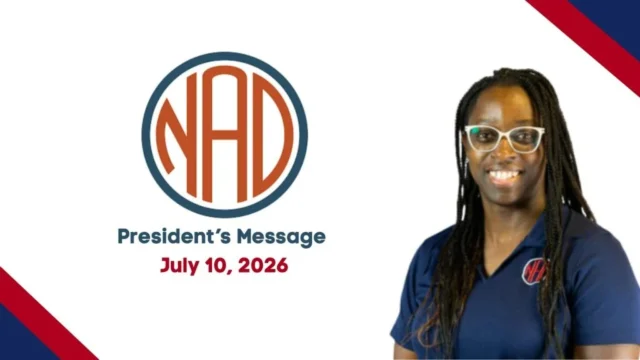
President Stephanie has emphasized that the strength of the organization lies in its membership’s direct involvement. By encouraging members to monitor the official portal, www.nad.org/sf26, for deadlines and registration information, the leadership is emphasizing the importance of informed participation.
The appointment of Bobbie Beth Scoggins as Interim CEO is viewed by analysts as a stabilizing move intended to bridge the transition period while maintaining momentum for major projects like the national conference. Her experience in organizational management is expected to provide the administrative rigor necessary to handle the complexities of a multi-day, large-scale public event.
As the association moves toward the summer of 2026, the focus will remain on building the necessary coalitions to ensure that the policy resolutions passed in San Francisco are not merely symbolic, but are integrated into the legislative and regulatory agendas of state and federal bodies. The National Association of the Deaf remains the primary institutional voice for the community, and its ability to mobilize its constituency in San Francisco will be a key indicator of its influence in the national discourse on disability rights.
For stakeholders, community members, and potential delegates, the path forward involves active engagement with the updated digital resources and a clear understanding of the core issues that will define the upcoming conference. With the groundwork laid, the NAD is poised to leverage the 2026 gathering to solidify its role as a leader in the global movement for deaf equality and linguistic human rights.