The Evolution of the NAD Leadership Search
The current search for a permanent CEO is the culmination of a strategic transition period for the NAD. Following the departure of previous leadership, the organization initiated a comprehensive review process, recognizing that the demands placed on the chief executive of a national civil rights organization have evolved significantly in the digital age. The role requires not only a command of public policy and legislative advocacy but also the ability to manage a complex national nonprofit, engage in fundraising, and maintain a high degree of cultural competence within the deaf and hard-of-hearing community.
To facilitate this search, the NAD Board of Directors engaged Innivee Strategies, a consulting firm specializing in leadership recruitment for organizations serving the deaf community. This partnership was intended to bring an objective, structured approach to a process that carries immense weight for the organization’s stakeholders. By leveraging external expertise, the board aimed to mitigate potential biases and ensure a diverse pool of candidates who possess the requisite blend of executive experience and alignment with the NAD’s mission of preserving, protecting, and promoting the civil, human, and linguistic rights of deaf and hard-of-hearing people.
Chronology of the Search Process
The search began with a robust phase of community engagement that lasted several months. Understanding that the NAD’s legitimacy is derived from its membership and the broader community it serves, the board mandated that the prospectus—the document outlining the requirements, expectations, and goals for the next CEO—be shaped by those voices.
- Phase One: Community Consultation: The board conducted a series of focus groups and wide-ranging community surveys. These sessions were designed to identify the critical issues facing the community, including accessibility in education, employment equity, telecommunications reform, and the preservation of American Sign Language (ASL).
- Phase Two: Prospectus Development: Using data synthesized from these surveys, the board, in collaboration with Innivee Strategies, drafted a formal prospectus. This document serves as the roadmap for the search, detailing the organization’s current financial health, its strategic priorities for the next five years, and the professional competencies required of the incoming CEO.
- Phase Three: Recruitment: The search was formally opened to the public, with an emphasis on broad outreach to ensure that candidates from various backgrounds, including those with diverse professional experiences in law, nonprofit management, and education, were invited to apply.
- Phase Four: The Closing Window: With the March 2 deadline approaching, the organization has entered a sprint to encourage final submissions. Following this date, the search committee will begin the initial screening of applications, leading to interviews and eventually a selection process by the board.
Supporting Data and Organizational Context
The NAD occupies a unique position in the American nonprofit landscape. Established in 1880, it serves as the primary voice for deaf and hard-of-hearing individuals in Washington, D.C. The incoming CEO will inherit an organization that operates at the intersection of legislative lobbying and grassroots community mobilization.
According to recent financial reports and public disclosures, the NAD operates on a scale that requires sophisticated fiscal management. Its advocacy work frequently involves high-stakes litigation, such as cases involving the Americans with Disabilities Act (ADA) and its applications to modern digital platforms. Data from the Bureau of Labor Statistics and other advocacy research centers suggests that deaf and hard-of-hearing individuals continue to face a significant employment gap, with labor force participation rates lower than those of the general population. The new CEO will be expected to lead initiatives that address these systemic barriers, working in tandem with federal agencies, lawmakers, and corporate partners to promote inclusive policies.
Furthermore, the organization’s commitment to "community trust" is not merely rhetoric; it is a necessity for its operational survival. The NAD relies on the voluntary engagement of state associations and individual members. A leader who is perceived as disconnected from the grassroots reality of the community would struggle to maintain the support base necessary to sustain the organization’s lobbying efforts.
Official Responses and Community Expectations
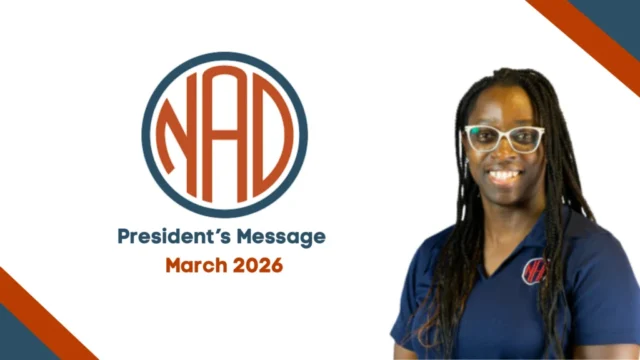
In a recent video address, NAD President Stephanie Hakulin emphasized that the organization has already received a significant number of applications, suggesting a high level of interest in the role. Hakulin noted that the board is particularly attentive to the feedback received during the focus group phase, which prioritized a leader capable of fostering internal cohesion while projecting a strong external presence.
"This prospectus was shaped by your voices through community surveys and focus groups, and it truly reflects what our community wants and needs in our next leader," Hakulin stated. The emphasis on the "open and transparent" nature of the search is intended to reassure the membership that the appointment will not be a closed-door decision, but rather one that aligns with the democratic values the organization promotes in its civil rights advocacy.
External observers and nonprofit governance experts suggest that the NAD’s approach—combining professional recruitment services with direct community feedback—is a "best-in-class" model for membership-based organizations. By democratizing the requirements-gathering phase, the organization reduces the likelihood of post-hire friction, as the incoming leader enters the role with a mandate that has been publicly vetted by the stakeholders they will serve.
Broader Impact and Implications for the Future
The selection of a new CEO carries long-term implications for the trajectory of disability rights in the United States. As technology continues to shift the landscape of accessibility—from video remote interpreting (VRI) to artificial intelligence-driven captioning—the NAD must remain at the forefront of setting standards. The incoming CEO will likely be tasked with navigating the legal and ethical complexities of these technologies, ensuring that they do not infringe upon the linguistic rights of the community.
Moreover, the search occurs against a backdrop of increasing attention to diversity, equity, and inclusion (DEI) within the nonprofit sector. The NAD has made it clear that it is seeking a leader who understands the intersectionality of the deaf experience, acknowledging that members of the community also navigate challenges related to race, gender, and socio-economic status.
If the search concludes as planned, the successful candidate will face an immediate set of challenges: managing the organization’s strategic vision for the remainder of the decade, stabilizing the organization’s financial base, and ensuring that the NAD remains the primary authority on deaf rights in a rapidly changing legislative environment.
Conclusion of the Search Phase
As the clock ticks toward the midnight deadline on March 2, the focus for the NAD shifts to the administrative rigor of the transition. Interested applicants are directed to the Innivee Strategies portal to review the comprehensive prospectus. The NAD has requested that community members continue to share the information widely, reflecting a collective effort to ensure the most qualified candidates are identified.
For those watching the organization from the outside, the appointment of the next CEO will serve as a bellwether for the NAD’s future strategic direction. Whether the organization chooses a candidate from within the existing advocacy ecosystem or brings in a fresh perspective from the corporate or academic sectors remains to be seen. However, the meticulous nature of this search process suggests that the NAD is intent on finding a leader who can not only manage the organization’s legacy but also steer it through the complexities of the 21st century.
As the organization moves into the final days of the application window, the message from the Board of Directors remains clear: the future of the NAD depends on the quality of the leadership it selects, and the community has been given the tools to hold that process to the highest standard of accountability. The coming months will likely see the unveiling of a new era for the organization, with the next CEO tasked with building upon the foundation of advocacy that has defined the National Association of the Deaf for over 140 years.