The Evolution of Job Site Fire Safety
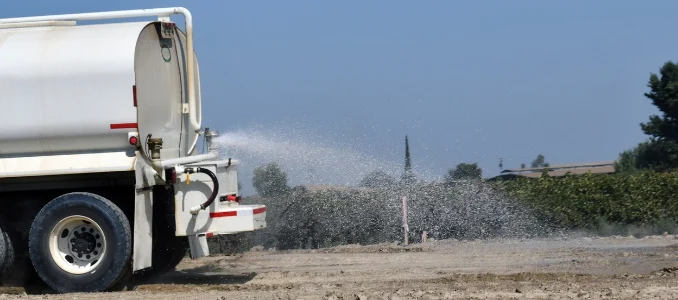
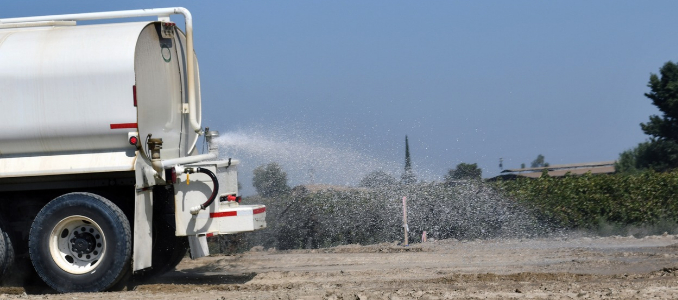
Historically, the water truck’s utility on a construction site was strictly operational. By wetting down haul roads and staging areas, contractors could meet environmental regulations regarding particulate matter (dust control) and achieve the moisture levels required for optimal soil compaction. However, safety managers have begun to recognize that a vehicle carrying between 2,000 and 5,000 gallons of pressurized water is essentially a mobile firefighting unit.
The rationale for this dual-purpose strategy is supported by the nature of construction-related blazes. Many site fires originate from small, localized ignitions—sparks from grinding wheels or discarded cigarettes—that spread rapidly through dry, debris-heavy environments. A water truck positioned strategically can suppress a nascent fire before it transitions into a structural or wildland emergency.
Analyzing the Regulatory Landscape
OSHA Standard 1926.150 serves as the baseline for fire protection in construction. It mandates that fire protection systems must be provided and maintained throughout all phases of construction. Specifically, it requires the placement of fire extinguishers and, in many cases, access to water supplies such as fire hydrants or standpipes.
However, in rural developments, remote infrastructure projects, or bridge construction sites, access to municipal water pressure is often non-existent. In these scenarios, the water truck becomes the only reliable source of water. Fact-based analysis suggests that relying solely on portable 20-pound fire extinguishers is insufficient for fires that have grown beyond their incipient stage. By retrofitting water trucks to act as temporary fire tenders, project owners can extend the reach of their safety operations, providing a bridge between discovery and the arrival of municipal fire services.

Necessary Modifications and Technical Specifications
To transform a standard water truck into an emergency-capable vehicle, site managers must look beyond the stock rear spray bar. While rear sprayers are excellent for dust control, they lack the precision required for firefighting.
Enhanced Spraying Systems
For comprehensive coverage, the integration of side-mounted sprayers is essential. These allow an operator to create a "firebreak" by wetting the ground on either side of the vehicle while driving, a technique that can stop the advance of a creeping ground fire. These systems are typically managed via a dashboard switch, enabling the driver to deploy water without exiting the safety of the cab.
Pressure and Hose Requirements
The efficacy of a water truck in a fire emergency is dictated by pressure. Standard pumps used for dust control may not provide the GPM (gallons per minute) required for deep-seated structural fires. Retrofitting a truck with 1.5-inch or 2.5-inch high-pressure outlets—which align with standard firefighting hardware—allows for the attachment of fire hoses. This enables personnel to target specific hotspots that are inaccessible to a vehicle.

Capital Investment vs. Risk Mitigation
While high-pressure water cannons or "monitors" are the gold standard, they represent a significant capital expenditure, often ranging from $10,000 to $20,000. For many mid-sized contractors, this is a substantial barrier. Conversely, basic side-sprayer retrofits and auxiliary hose connections can be implemented for a fraction of that cost. The professional consensus among safety engineers is that the cost-to-benefit ratio of these modifications is highly favorable when weighted against the potential losses of a site fire, which can include millions in equipment damage, work stoppages, and litigation.
Chronology of an Emergency Response
If a fire were to occur on a site utilizing this modified equipment, the operational protocol should ideally follow this timeline:
- Immediate Detection (0:00–0:30): The fire is spotted by a worker. The alarm is sounded, and the site supervisor is alerted.
- Containment Deployment (0:30–2:00): The water truck operator moves the vehicle to the perimeter of the fire. If the fire is spreading through brush or dry vegetation, the side sprayers are activated to create a moisture barrier.
- Suppression (2:00–5:00): If the fire remains in the incipient stage, the operator utilizes the high-pressure hose or cannon to target the seat of the fire.
- Professional Handover (5:00+): Local fire departments arrive. The water truck remains on standby to provide additional water supply to the fire engines, essentially serving as a mobile tanker.
Data-Driven Safety Impacts
While specific industry-wide statistics on "water truck fire suppression" are sparse, data from the National Fire Protection Association (NFPA) indicates that the majority of fires on construction sites are controlled in the first five minutes by on-site personnel. Sites that lack immediate access to water show a 40% higher likelihood of a fire escalating into a "multi-alarm" event.

By ensuring that at least one water truck is outfitted for emergency response at all times, project managers are statistically increasing the probability that an emergency remains a localized incident rather than a site-wide catastrophe. Furthermore, this approach aligns with the growing industry trend of "Total Safety Management," where equipment is designed to serve multiple functions, thereby reducing the overhead cost of safety compliance.
Training and Personnel Requirements
Equipment is only as effective as the personnel trained to use it. A common oversight in construction safety is assuming that a driver knows how to operate a fire-suppression system simply because they know how to drive the truck.
Training programs must be implemented to ensure that operators are proficient in:

- Pump Operation: Understanding the relationship between engine RPM, pump pressure, and nozzle selection.
- Tactical Positioning: Knowing how to approach a fire safely without trapping the vehicle or the operator in a hazardous position.
- Maintenance Checks: Ensuring that pumps, hoses, and nozzles are inspected weekly for clogs or leaks. A dry hose or a seized valve during an emergency is a failure of safety management.
The Broader Implications for Construction Management
The decision to upgrade water trucks is not merely a mechanical task; it is a shift in organizational culture. When a company invests in fire-ready equipment, it sends a clear message to the workforce that safety is a proactive, rather than reactive, endeavor.
Furthermore, insurance providers are increasingly auditing job sites for their fire suppression capabilities. Demonstrating that a site has mobile water resources beyond the minimum OSHA requirements can, in some instances, lead to more favorable premiums or better standing during safety inspections.
As urban sprawl continues to push construction into more remote or wildfire-prone areas, the need for independent, on-site fire suppression will only increase. Project managers who prioritize the modification of existing assets like water trucks are essentially insulating their projects against the unforeseen. It is an acknowledgment that while fire is an ever-present risk on the job site, it does not have to be an inevitable disaster. Through careful planning, modest investment in hardware, and rigorous crew training, the water truck becomes more than just a tool for dust—it becomes the primary safeguard for the project’s most valuable assets: its workers and its progress.