The First 30 Days: A Deep Dive into Operations
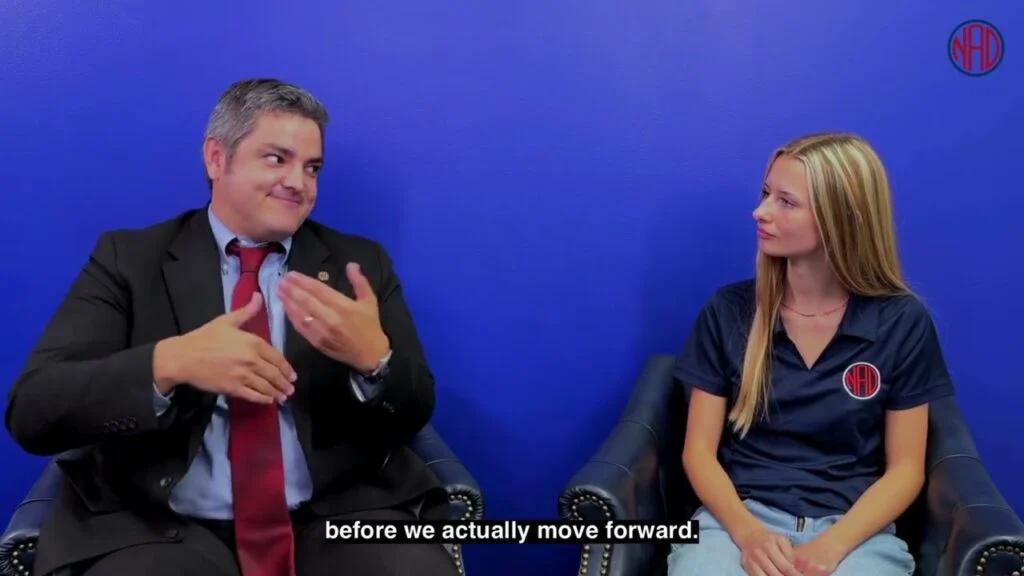
Nick Kiego’s transition into the CEO role has been defined by an immediate and granular assessment of the organization’s financial and operational health. Upon assuming the position, Kiego prioritized an internal audit of the association’s infrastructure. During his conversation with Goff, Kiego revealed that the NAD operates with a lean staff of only six full-time employees. This disclosure serves to clarify misconceptions regarding the scale of the organization, as many members of the public have historically operated under the assumption that the NAD functions as a large-scale corporate entity with vast financial reserves and extensive administrative staffing.
The reality, as outlined by Kiego, is that the NAD has navigated several challenging fiscal years with limited resources, relying heavily on the dedication of a small, overworked team. By bringing this to the forefront, Kiego aims to manage community expectations while establishing a baseline for future growth. His first month was characterized by an intensive series of briefings with the Chief Financial Officer (CFO) and departmental heads, focusing specifically on the Legal Advocacy Center, the Youth program, and policy initiatives.
Strategic Priorities and Immediate Wins
Kiego’s approach to the next several months is anchored in three specific pillars: financial stabilization, internal capacity building, and volunteer-led expansion. The organization’s financial health has been designated as the top priority; Kiego argues that without fiscal stability, the association’s long-term advocacy goals, including legal defense and policy lobbying, remain difficult to sustain.
In terms of immediate operational improvements, Kiego reported three “fast wins” achieved within his first month:
- IT and Digital Infrastructure: The recruitment of a new webmaster and IT systems administrator to address persistent technical issues and broken links on the NAD website, which serves as a primary hub for member information.
- Youth Program Grant Writing: The successful acquisition of an experienced volunteer grant writer dedicated exclusively to the Youth program. This move is designed to provide the necessary capital to scale youth-oriented initiatives that have historically been underfunded.
- Financial Clarity: A comprehensive review of the NAD’s financial ledger, budget monitoring, and investment strategies, providing the leadership team with a clear, data-backed roadmap for the upcoming fiscal year.
The Role of Community and Volunteerism
The NAD’s current structural limitations necessitate a shift in how the organization interacts with its base. Because the association lacks the budget for immediate new hires, Kiego has issued an open call for volunteerism. This appeal targets specific professional sectors: legal professionals for intake assistance, policy experts specializing in telecommunications and education, and administrative support for communications.
The reliance on volunteers extends to the highest levels of the organization. Kiego noted that he currently handles membership status inquiries personally due to the limited bandwidth of his staff. This transparent admission highlights the current constraints of the NAD, but it also signals a potential shift in organizational culture toward a more grassroots, collaborative model. By asking the community for “grace and patience” while the organization undergoes this period of realignment, Kiego is attempting to bridge the gap between public perception and internal operational capacity.
Bridging the Generational Divide: Jr. NAD and the Future
A critical component of the discussion centered on the role of the Jr. NAD and the engagement of deaf youth. Marisa Goff, representing the next generation of leadership, challenged the notion that the youth are adequately connected to the organization’s broader mission. Goff noted that many youth feel excluded from NAD events and that the organization could improve by actively collaborating with local state associations and chapters to boost visibility.
Kiego acknowledged this disconnect, noting that the most passionate and loyal long-term members of the NAD often trace their engagement back to their early involvement in youth programs. The dialogue touched on the role of social media in modern advocacy. While Goff advocated for utilizing social media networks to reach younger demographics, Kiego provided a nuanced perspective: he views digital platforms as a “window” through which potential members get a preview of the community, while in-person events serve as the “house” where the actual work of building Deaf culture occurs.
Broader Implications for Advocacy
The conversation between Kiego and Goff is more than a simple interview; it serves as a litmus test for the future of the NAD. By openly discussing the limitations of the organization’s physical office space and the constraints of a six-person staff, Kiego is challenging the public to stop viewing the NAD as an untouchable institution and instead see it as a collective project that requires community investment.
Historically, the NAD has been criticized for a lack of transparency regarding its internal decision-making processes. By choosing a Jr. NAD ambassador as his first high-profile interview subject, Kiego is signaling that the youth demographic will have a seat at the table under his administration. The implications of this strategy are two-fold: it builds immediate trust with the next generation of stakeholders and it provides a clear, objective assessment of the challenges facing the organization.
Looking Ahead: The Path Toward Sustainability
The transition from a period of struggle to a period of growth will not be immediate. As Kiego emphasized, the organization may need to take “a few steps backward” to restructure its finances and operational workflows before it can effectively move forward. The reliance on volunteer power for core functions like communications and legal intake will be a defining feature of the NAD in the near term.
For the membership and the broader Deaf community, the message from the NAD leadership is clear: the organization is at a turning point. The focus on fiscal accountability, combined with a renewed effort to integrate youth perspectives, suggests a shift toward a more agile, responsive, and community-centric model of advocacy. Whether this strategy will yield the necessary resources to expand the organization’s footprint remains to be seen, but the commitment to radical honesty regarding the current state of affairs represents a significant milestone in the organization’s ongoing history. The collaboration between the new CEO and the youth leadership suggests that the path to the future will be built on the principle of shared responsibility, as the NAD seeks to move beyond its limitations to fulfill its mandate as the voice of the American Deaf community.