
The Evolution of Patient Support and Advocacy
The history of Tinnitus UK is rooted in a fundamental mission to reduce the burden of the condition through support and scientific inquiry. Over the past several decades, the landscape of tinnitus management has shifted from a purely clinical focus to a more holistic, multidisciplinary approach. The organization’s decision to formalize its community through a structured membership program marks a significant milestone in its operational timeline.
Historically, the charity has acted as a primary hub for information, but the new membership model facilitates a two-way flow of communication. By formalizing this relationship, the organization is not only providing resources but also empowering those affected to participate in the governance of the charity. The inclusion of voting rights in the Annual General Meeting (AGM) signals a commitment to democratic participation, ensuring that the strategic direction of the organization remains aligned with the needs of those it serves.
Comprehensive Membership Benefits: A Multi-Tiered Support System
The membership program is built upon five foundational pillars designed to address the psychological, educational, and practical needs of members.
The Welcome Pack and Educational Foundation
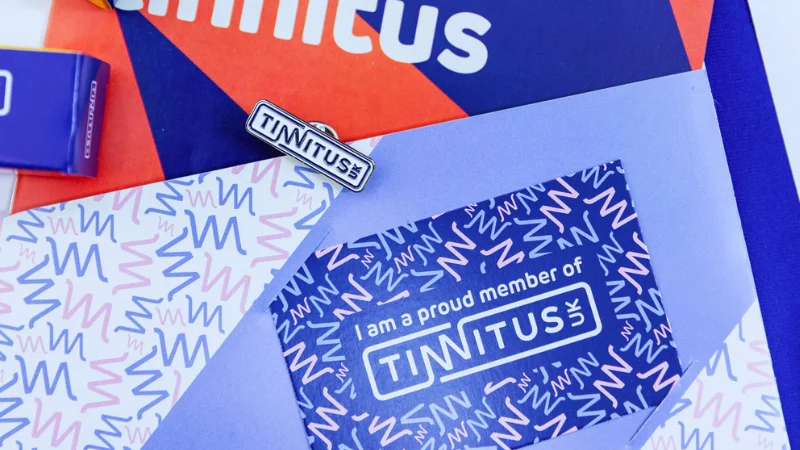
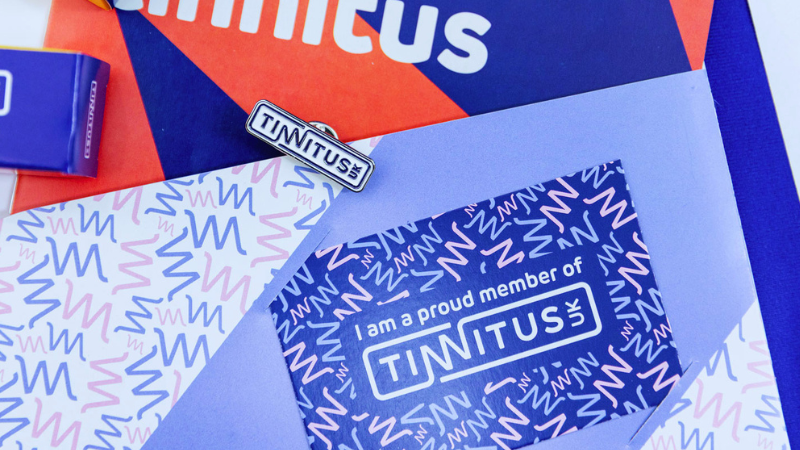
Upon enrollment, members receive a tailored Welcome Pack, which serves as an introductory toolkit for navigating life with tinnitus. This pack includes a personal welcome letter, a formal membership card, and a branded pin badge, fostering a sense of belonging to a broader community. Crucially, the pack contains the definitive guide, "Living with Tinnitus," a document curated by specialists to help individuals implement effective management strategies and improve their overall mental and physical wellbeing.
Expert-Led Knowledge Transfer
One of the most significant advantages of the membership is the access to live, exclusive webinars. These sessions are conducted by leading tinnitus researchers and clinicians. Unlike general public seminars, these member-only webinars offer an interactive platform where participants can pose direct questions to experts. Furthermore, the organization maintains a comprehensive "members hub," an archive that stores all previous webinar recordings, ensuring that members have perpetual access to a growing repository of medical and psychological insights.
QUIET Magazine and Intellectual Resources
The annual publication, QUIET, serves as the literary cornerstone of the membership. It functions as both a research journal and a platform for personal storytelling. The magazine features the latest scientific updates, peer-reviewed snippets on auditory health, and anecdotal accounts that provide emotional support. By offering new members the most recent edition alongside a free digital archive of past issues, the organization ensures that members are well-versed in the historical and current state of tinnitus research.
Targeted Communication via the FOCUS Newsletter
To keep the community abreast of time-sensitive developments, the monthly FOCUS newsletter provides updates on ongoing clinical trials and emerging therapeutic modalities. For professionals—including audiologists, ENT specialists, and mental health practitioners—the membership includes a specialized professional edition. This tailored content covers sector-specific news, training opportunities, and discounts on industry-standard professional events, thereby creating a bridge between the clinical community and the patient population.

Democratic Participation and Institutional Governance
The most unique aspect of this membership is the mandate for democratic oversight. Members are invited to participate in the Tinnitus UK Annual General Meeting (AGM). This is not merely an observational role; members have the power to vote on key institutional decisions. This level of transparency ensures that the organization remains accountable to its donors and beneficiaries, reinforcing the concept that the fight against tinnitus is a collaborative, community-driven effort.
Data-Driven Context and Public Health Implications
The prevalence of tinnitus is on the rise, influenced by factors such as an aging population, increased exposure to occupational noise, and the widespread use of personal listening devices. Data from the World Health Organization (WHO) and regional health authorities indicates that the social and economic costs of tinnitus are profound. The condition is frequently comorbid with anxiety, depression, and sleep disorders, which places a significant strain on the National Health Service (NHS).
By providing early intervention and ongoing management resources through the membership program, Tinnitus UK is effectively reducing the burden on primary care services. When patients are equipped with the tools to self-manage their condition, the frequency of crisis-driven GP appointments often decreases. This, in turn, allows clinical resources to be allocated more efficiently toward those with the most severe, complex cases.

Expert Perspectives on Long-Term Management
Medical professionals involved in the development of these resources emphasize that the most effective way to manage tinnitus is through a combination of psychoeducation and sound therapy. Experts from the organization’s advisory board have noted that the "knowledge gap" is often the greatest barrier to recovery.
"The psychological impact of tinnitus is often exacerbated by a lack of information," states a senior clinical advisor. "By providing structured, evidence-based content through the membership, we are effectively lowering the patient’s anxiety levels. Knowledge is a critical component of habituation, the process by which the brain learns to filter out the sound."
The Economic and Social Case for Membership
At an annual cost of £30, the membership is positioned as a highly accessible investment in personal health. When compared to the costs of private, individual therapeutic sessions or the cumulative cost of purchasing multiple self-help guides, the membership represents a significant value proposition. Beyond the fiscal benefits, the social capital gained by joining the community is immeasurable. The isolation that often accompanies tinnitus can be debilitating; the membership program counters this by providing a unified voice and a supportive network of peers who share a common goal.

Future Outlook: A Path Toward Innovation
As Tinnitus UK moves forward, the membership program is expected to expand in tandem with technological advancements in hearing science. The integration of digital health tools, such as mobile applications for sound therapy and remote monitoring for clinical trials, is already in the development pipeline. Members will likely be the first to gain access to these technological pilots, positioning them at the forefront of global tinnitus research.
By becoming a member, individuals are doing more than just subscribing to a service; they are fueling a vital sector of medical research that has historically been underfunded. The £30 annual fee contributes directly to the infrastructure required to lobby for better government funding, support clinical research projects, and ensure that the voice of the tinnitus community is heard by policymakers and health authorities alike.
In summary, the Tinnitus UK membership is a comprehensive, evidence-based, and community-oriented initiative that provides essential resources for those navigating the complexities of the condition. Through education, expert interaction, and democratic participation, the organization is effectively mobilizing a community to drive progress, improve individual outcomes, and work toward the ultimate vision: a future where tinnitus no longer impacts the quality of life for millions of people.