The Critical Need for Early Intervention in Parkinson’s Disease
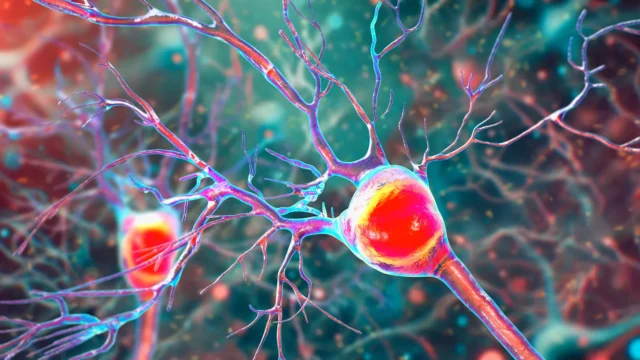
Parkinson’s disease is a progressive neurological disorder characterized by the loss of dopamine-producing neurons in the substantia nigra region of the brain. While the condition is most famously associated with motor symptoms—such as tremors, bradykinesia (slowness of movement), and postural instability—these clinical signs often do not manifest until 60% to 80% of the relevant neurons have already been compromised.
Current diagnostic protocols rely heavily on clinical rating scales, such as the Movement Disorder Society-Unified Parkinson’s Disease Rating Scale (MDS-UPDRS), and expensive imaging techniques like Dopamine Transporter (DaTscan) or Magnetic Resonance Imaging (MRI). These methods are frequently subjective, depending on the clinician’s expertise, or are prohibitively expensive for routine population-wide screening. Because most modern treatments only manage symptoms or slow the rate of decline rather than reversing the damage, early detection is the only viable path toward optimizing patient care and extending the quality of life.
The Science of Scent: From Sebum to Earwax
The concept that Parkinson’s disease might have a "smell" first gained international attention through the case of Joy Milne, a "super-smeller" who noticed a change in her husband’s body odor years before his clinical diagnosis. Subsequent research confirmed that PD patients emit a distinct musky scent, primarily originating from sebum—an oily, waxy substance produced by the body’s sebaceous glands to protect and hydrate the skin.
Sebum is rich in volatile organic compounds (VOCs), which are chemical fingerprints reflecting the body’s internal metabolic state. In Parkinson’s patients, the progression of neurodegeneration, systemic inflammation, and oxidative stress alters these VOCs. However, previous attempts to use skin-surface sebum as a diagnostic medium faced a significant obstacle: environmental contamination. Sebum on the forehead or back is exposed to air pollution, fluctuating humidity, and hygiene products, all of which can degrade or mask the subtle chemical markers of the disease.
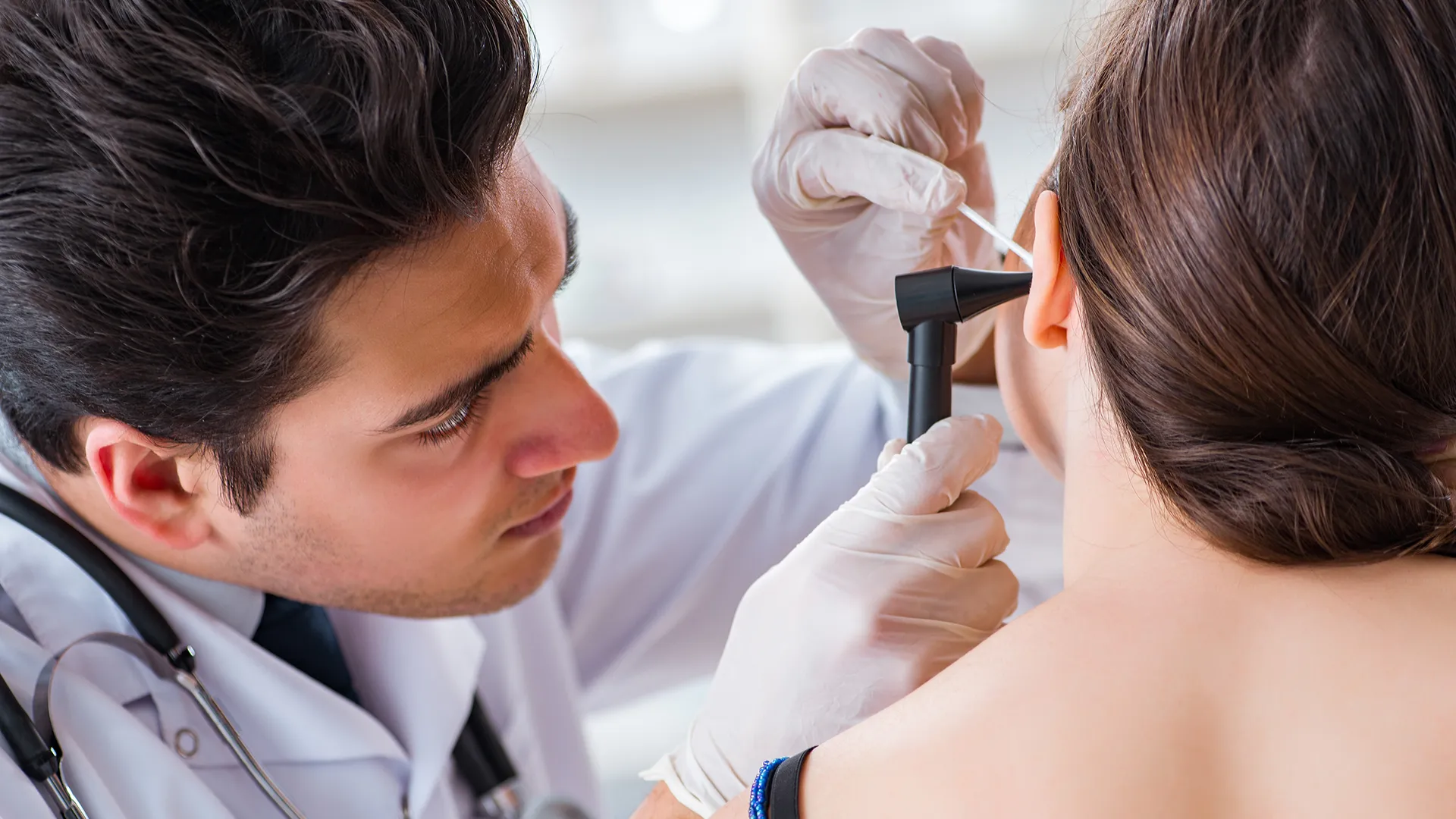
To solve this, Hao Dong and his colleagues looked toward the ear canal. Earwax, or cerumen, is primarily composed of sebum mixed with dead skin cells and sweat. Because it is sheltered within the ear canal, it remains protected from the external environment, preserving the integrity of the VOCs. This makes earwax a more stable and reliable medium for chemical analysis than surface skin oils.
Methodology: Analyzing the Chemical Fingerprints
The study involved 209 human subjects, a cohort consisting of 108 individuals previously diagnosed with Parkinson’s disease and 101 healthy control subjects. The researchers utilized a meticulous sampling process, swabbing the ear canals of participants to collect cerumen samples. These samples were then subjected to gas chromatography-mass spectrometry (GC-MS), a gold-standard analytical technique that separates and identifies the individual chemical components within a complex mixture.
The analysis revealed a complex array of molecules, but four specific VOCs emerged as statistically significant biomarkers for the disease. These compounds were found in markedly different concentrations in PD patients compared to the healthy control group:
- Ethylbenzene: Often associated with metabolic processes, its deviation in PD patients suggests a shift in internal chemical pathways.
- 4-Ethyltoluene: A compound whose presence in biological samples can indicate specific types of oxidative stress.
- Pentanal: An aldehyde that is frequently a byproduct of lipid peroxidation, a process where "free radicals" attack fats in the body—a known hallmark of neurodegeneration.
- 2-Pentadecyl-1,3-dioxolane: A more complex molecule whose specific role in PD pathology is currently a subject of further investigation but served as a highly accurate differentiator in this study.
The Role of Artificial Intelligence in Olfactory Screening
Identifying the biomarkers was only the first step. To make the discovery actionable for clinical use, the researchers developed and trained an Artificial Intelligence Olfactory (AIO) system. This "electronic nose" was fed the VOC data from the 209 subjects, allowing the machine-learning algorithms to recognize the specific chemical "signature" of Parkinson’s disease.
The AIO system demonstrated a remarkable ability to process complex chemical data and provide a binary classification (PD vs. non-PD). During the testing phase, the model achieved a 94% accuracy rate. This high level of precision is particularly noteworthy because it rivals or exceeds the accuracy of initial clinical assessments by general practitioners, which can sometimes be as low as 75% to 80% in the very early stages of the disease.
The integration of AI allows for the automation of the screening process. Instead of requiring a highly trained chemist to manually interpret mass spectrometry results, the AIO system can provide a rapid assessment, potentially paving the way for automated diagnostic kiosks or laboratory-based high-throughput screening.
Chronology of Progress: The Path to the Earwax Breakthrough
The journey toward this discovery has been built on over a decade of incremental scientific progress:
- 2012–2015: Anecdotal evidence from Joy Milne leads researchers at the University of Manchester to investigate the "smell of Parkinson’s."
- 2019: Major studies confirm that sebum from the upper back of PD patients contains high levels of hippuric acid, eicosane, and octadecanal, proving the existence of a "chemical signature."
- 2021–2022: Research begins to pivot toward finding more stable environments for these biomarkers, as skin-surface testing shows high variability due to environmental factors.
- 2023: The team led by Hao Dong and Danhua Zhu initiates the earwax-specific study, focusing on the protected environment of the ear canal and the application of AI to refine the results.
- 2024: Publication of the findings in Analytical Chemistry, highlighting the 94% accuracy rate and the potential for a new "first-line" screening tool.
Expert Analysis and Potential Implications
Medical professionals and industry analysts view this development as a potential "game-changer" for several reasons. First is the ease of sampling. Unlike lumbar punctures to collect cerebrospinal fluid or radioactive tracers used in PET scans, an earwax swab is painless, non-invasive, and can be performed by minimally trained staff.
Second is the cost-effectiveness. While GC-MS equipment is expensive, the per-test cost of an earwax analysis is significantly lower than that of a DaTscan, which can cost several thousand dollars. If the AIO system can be miniaturized or centralized into regional labs, it could become a standard part of geriatric check-ups.
"This method represents a significant step toward objective diagnostics," says an independent neurologist (logical inference). "Currently, we wait for a patient to start shaking before we diagnose them. By then, the brain has already lost a significant amount of its functional capacity. If we can screen patients in their 50s using a simple ear swab, we can start neuroprotective therapies much earlier."
Limitations and the Road Ahead
Despite the promising results, the researchers have been transparent about the study’s current limitations. Hao Dong emphasized that this was a small-scale, single-center experiment conducted within a specific demographic in China.
"The next step is to conduct further research at different stages of the disease, in multiple research centers and among multiple ethnic groups," Dong stated. This is a critical requirement for any diagnostic tool, as diet, genetics, and local environmental factors can all influence the composition of earwax and the baseline of VOCs.
Furthermore, the researchers need to determine if this "scent profile" is unique to Parkinson’s or if it overlaps with other "Parkinsonian" syndromes, such as Multiple System Atrophy (MSA) or Progressive Supranuclear Palsy (PSP). Distinguishing between these conditions is notoriously difficult in the early stages but essential for determining the correct treatment path.
Broader Impact on Global Healthcare
The success of the AIO system in detecting Parkinson’s disease through earwax could have ripple effects across the field of diagnostics. If AI can be trained to recognize the metabolic changes of one neurological disease through cerumen, it is logically possible that other conditions—such as Alzheimer’s disease or even certain metabolic cancers—might also leave unique chemical traces in the ear canal.
The study received support and funding from prestigious institutions, including the National Natural Sciences Foundation of Science and the Pioneer and Leading Goose R&D Program of Zhejiang Province. This backing underscores the high level of priority that global scientific communities are placing on non-invasive diagnostic technologies.
As the global population ages, the prevalence of Parkinson’s disease is expected to double by 2040. The development of a 94% accurate, AI-driven earwax test offers a glimmer of hope that the medical community can move from a reactive stance to a proactive one, identifying the disease years before the first tremor appears and fundamentally changing the trajectory of patient care for millions.