The Critical Importance of Early Detection
Hearing is intrinsically linked to a child’s development of speech, language, and cognitive abilities. The initial years of life represent a critical window for auditory processing and language acquisition. When hearing impairment is left undetected or untreated, it can significantly impede a child’s ability to communicate, learn, and interact with the world around them, potentially leading to long-term challenges in academic performance and social integration.
Understanding Infant Hearing Loss: Temporary vs. Permanent
Infant hearing loss can be broadly categorized into temporary and permanent forms, each with distinct causes and management strategies.
Temporary Hearing Loss often stems from conditions that can be resolved with medical intervention. Common culprits include:
- Middle Ear Fluid (Otitis Media with Effusion): Fluid accumulation behind the eardrum, frequently a consequence of recurrent ear infections or Eustachian tube dysfunction, can dampen sound transmission.
- Ear Infections (Otitis Media): Acute ear infections can cause inflammation and fluid, leading to temporary hearing difficulties.
- Ear Canal Obstructions: Excessive earwax or foreign objects in the ear canal can block sound from reaching the eardrum.
Treatment for temporary hearing loss typically involves addressing the underlying cause, such as antibiotics for infections, or in some cases, myringotomy (a surgical procedure to insert ventilation tubes) to drain fluid.

Permanent Hearing Loss, conversely, arises from damage to the inner ear structures (cochlea) or the auditory nerve, which transmits sound signals to the brain. Causes of permanent hearing loss are more complex and can include:
- Genetic Factors: Inherited predispositions are a significant contributor to congenital hearing loss.
- Congenital Infections: Infections acquired by the fetus during pregnancy, such as cytomegalovirus (CMV), rubella, toxoplasmosis, or herpes, can damage the developing auditory system.
- Complications During Birth: Prematurity, low birth weight, oxygen deprivation, or severe jaundice can increase the risk of hearing damage.
- Inner Ear Abnormalities: Structural differences in the outer, middle, or inner ear present from birth can impede sound processing.
- Neurodegenerative Conditions: Certain rare genetic syndromes can lead to progressive hearing loss over time.
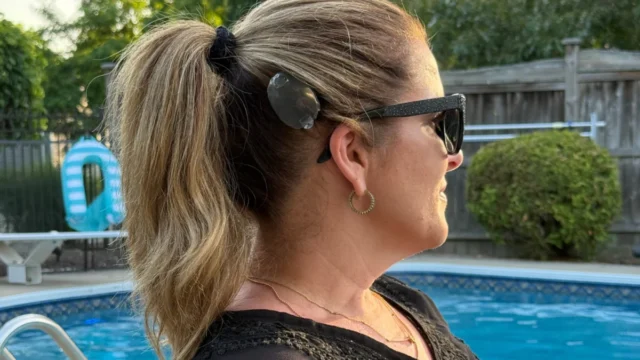
Permanent hearing loss requires long-term management and support, often involving assistive listening devices or auditory implants.
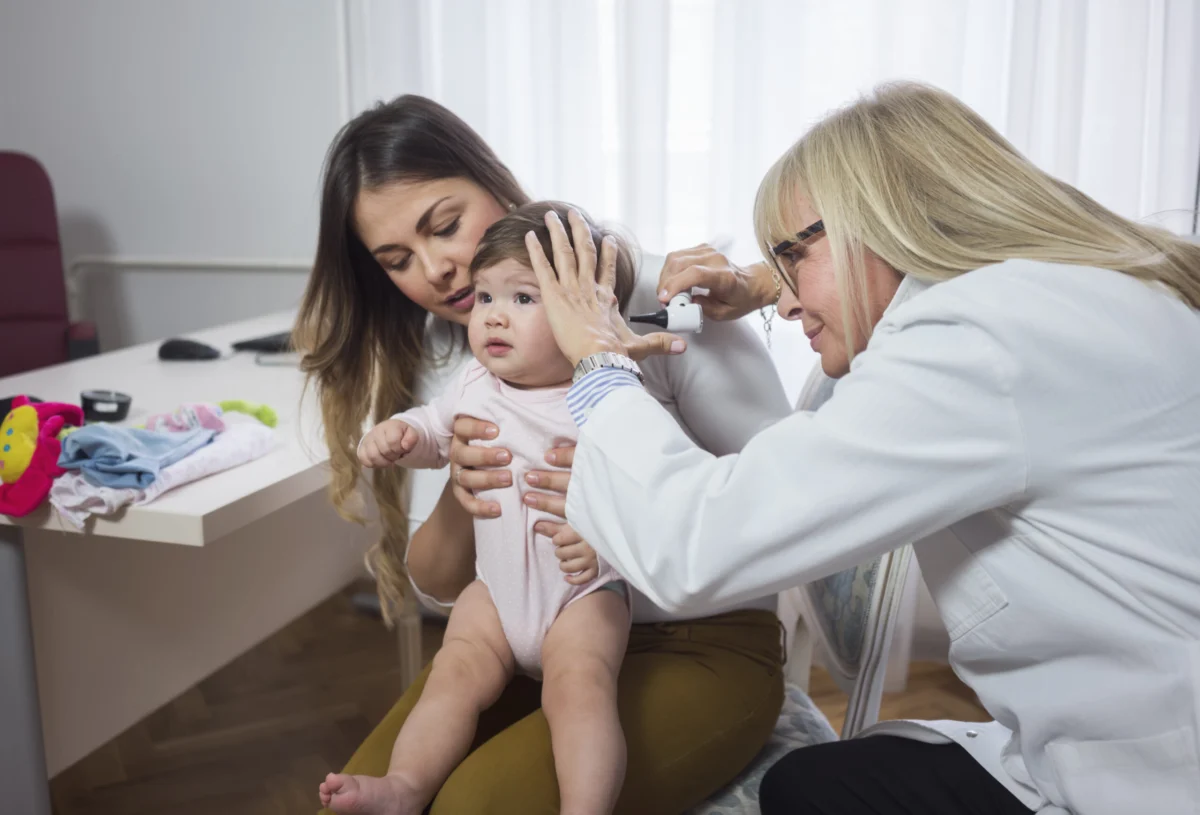
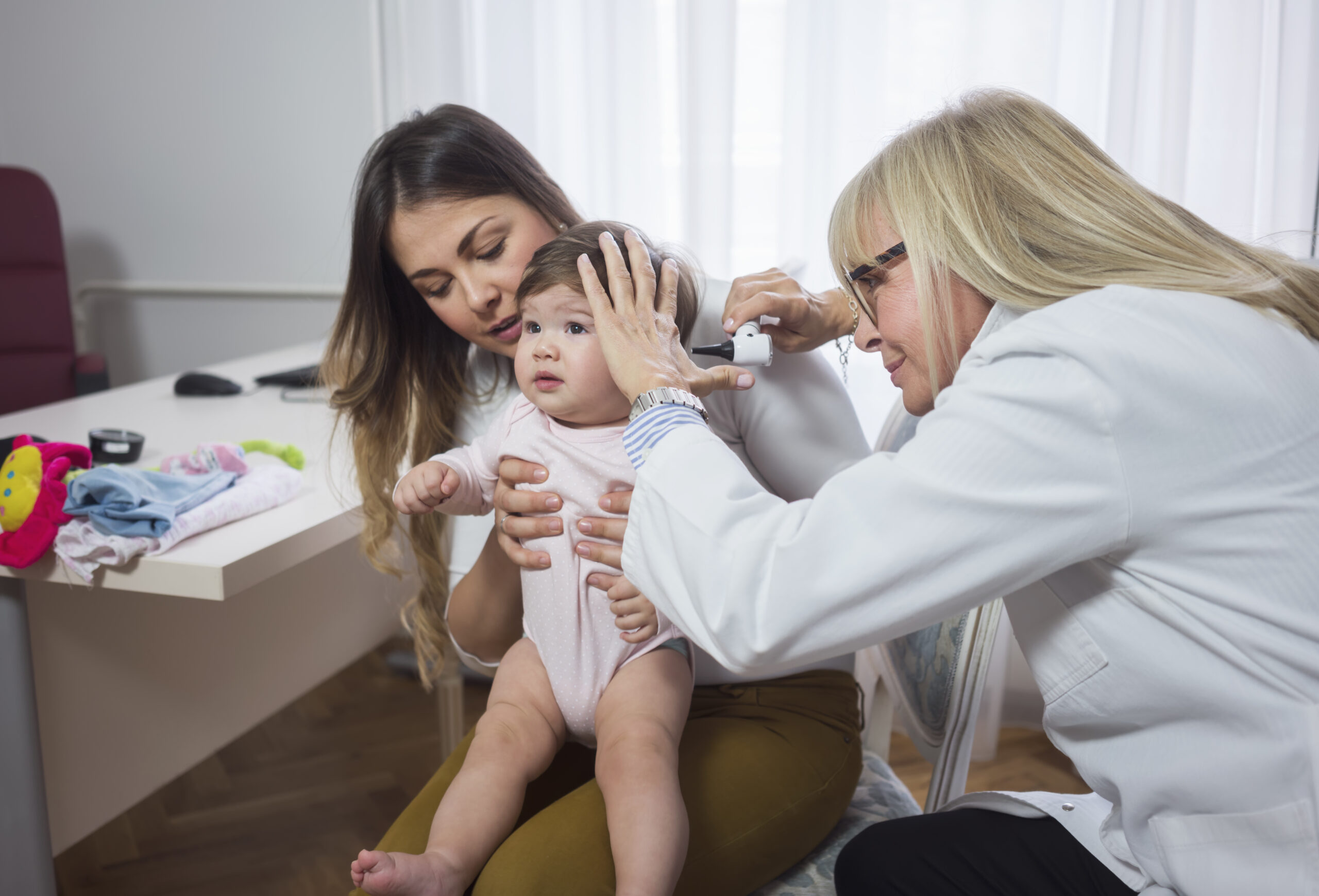
A definitive diagnosis by a pediatric audiologist or an otolaryngologist (ENT specialist) is essential to accurately determine the type and degree of hearing loss.
Recognizing the Signs: A Developmental Timeline
Observing a baby’s responses to sound is crucial for identifying potential hearing issues. These signs often correlate with developmental milestones and can vary significantly by age. Trusting parental instincts is paramount; if something feels amiss, seeking professional advice is always recommended.
Birth to 3 Months: Early Indicators
- Lack of Startle Reflex: Does not startle or blink in response to sudden, loud noises.
- Absence of Interest in Sound: Does not turn their head toward the source of familiar sounds or voices.
- Limited Vocalizations: Little to no cooing or babbling.
- No Response to Gentle Sounds: Does not react to softer sounds like a parent’s voice or a rattle.
3 to 6 Months: Developing Auditory Awareness
- No Recognition of Familiar Voices: Does not turn toward the sound of a parent’s voice.
- Limited Babbling: Babbling may be infrequent or absent.
- Lack of Engagement with Sound Play: Does not seem to enjoy or respond to music or playful sounds.
- No Response to Their Name: Does not turn their head when their name is called.
6 to 12 Months and Toddlers: Social and Language Cues
- Failure to Respond to Their Name: Continues to not respond when their name is called.
- Lack of Imitation of Sounds: Does not attempt to imitate speech sounds or gestures.
- Limited or No Understanding of Simple Words: Does not respond to simple requests like "come here" or "bye-bye."
- Delayed Speech Development: Significant delays in babbling, first words, or combining words.
- Apparent Inattentiveness: May seem inattentive to their surroundings or conversations.
- Preference for Visual Cues: Relies heavily on visual cues rather than auditory ones.
These signs can also emerge later, presenting as delayed-onset hearing loss in toddlers, particularly if the condition develops progressively.
Unraveling the Causes of Infant Hearing Loss
The origins of hearing loss in infants are diverse, often stemming from a combination of genetic, environmental, and medical factors.

Genetic Predisposition: Approximately 50% of congenital hearing loss is attributed to genetic factors, often inherited from parents. This can occur even without a known family history, as recessive genes can be carried by both parents. Syndromic hearing loss, linked to specific genetic syndromes (e.g., Down syndrome, Usher syndrome), also accounts for a portion of cases.
Infections During Pregnancy: Maternal infections during gestation can have profound effects on fetal development, including the auditory system. Congenital CMV infection is a leading non-genetic cause, potentially leading to progressive or delayed-onset hearing loss. Other implicated infections include rubella, herpes simplex virus, and toxoplasmosis.
Complications Around Birth:
- Prematurity and Low Birth Weight: Infants born prematurely or with very low birth weights often require intensive medical care, increasing their susceptibility to hearing loss due to factors like oxygen deprivation, severe infections, or the use of ototoxic medications.
- Birth Trauma: Reduced oxygen levels during delivery or other birth complications can damage the auditory pathways.
Neonatal Intensive Care Unit (NICU) Factors: Babies receiving care in the NICU are at a heightened risk. Factors such as severe jaundice, the need for mechanical ventilation, exposure to certain medications, or severe infections can contribute to auditory damage.
Structural Ear Abnormalities: Malformations of the outer, middle, or inner ear can interfere with sound conduction or processing.
Ototoxic Medications: Certain medications, administered to the mother during pregnancy or to the infant after birth, can be toxic to the auditory system.
Temporary Conditions: As previously mentioned, recurrent ear infections and fluid buildup in the middle ear are common causes of temporary hearing impairment.
It is important to note that in a significant percentage of cases, the exact cause of infant hearing loss remains unidentified. Regardless of the origin, early diagnosis and intervention are crucial for maximizing a child’s developmental potential.
Newborn Hearing Screening and Diagnostic Pathways
To address the critical need for early detection, virtually all hospitals in developed nations implement universal newborn hearing screening (UNHS) programs. This vital screening typically occurs within the first few days of a baby’s life, before hospital discharge or within the first month. The process is non-invasive and painless, utilizing one of two primary methods:
- Otoacoustic Emissions (OAEs): A small probe is placed in the baby’s ear canal, emitting soft sounds. If the inner ear (cochlea) is functioning normally, it will produce an "echo" in response, which is detected by the probe.
- Auditory Brainstem Response (ABR): Small sensors are placed on the baby’s scalp and ears. The test measures the brain’s electrical activity in response to sounds delivered through earphones. This test is more comprehensive and can provide information about the auditory nerve and brainstem pathways.
Newborn hearing screening results are generally categorized as:
- Pass: Indicates that the baby’s hearing appears to be within the normal range at the time of screening. However, this does not entirely rule out future hearing loss.
- Refer: Suggests that the baby may have a hearing impairment and requires further diagnostic testing. A "refer" result necessitates prompt follow-up.
The Nuance of Delayed-Onset and Progressive Hearing Loss
A critical aspect of infant hearing is the possibility of delayed-onset or progressive hearing loss. A baby who passes their newborn hearing screening can still develop hearing loss later in infancy, toddlerhood, or even childhood. This phenomenon underscores the importance of ongoing vigilance. Factors such as late-acting genetic conditions, post-natal infections, or exposure to ototoxic medications can contribute to this gradual decline in hearing.
Therefore, it is crucial for parents and caregivers to:

- Monitor Hearing Milestones: Continuously observe the child’s responses to sound and their language development.
- Attend Regular Pediatrician Check-ups: Discuss any concerns about hearing or speech development with the pediatrician.
- Seek Prompt Follow-up: If a newborn hearing screening results in a "refer" outcome, it is imperative to schedule diagnostic audiological evaluations without delay.
What to Do if Your Baby Fails a Hearing Test
A "refer" result from a newborn hearing screening is not a definitive diagnosis of permanent hearing loss. Many infants who initially do not pass the screening do so due to temporary factors, such as:
- Residual Fluid in the Middle Ear: This is common in newborns and can temporarily block sound.
- Movement During the Test: Babies are often asleep or restless during the screening, and movement can interfere with the results.
- Vernix: A waxy substance found on newborns can sometimes obstruct the ear canal.
However, a "refer" result serves as a critical alert, mandating immediate follow-up testing. Early diagnosis is key, as it allows for timely intervention and support during a crucial period of auditory and language development.
The widely adopted "1-3-6 Rule" provides a crucial timeline for action:
- By 1 Month: All infants should receive newborn hearing screening.
- By 3 Months: Infants who did not pass their screening should receive a comprehensive diagnostic audiological evaluation.
- By 6 Months: Infants diagnosed with hearing loss should receive appropriate early intervention services and amplification, such as hearing aids or cochlear implants if indicated.
Adherence to this timeline is vital for ensuring that children with hearing loss receive the necessary support to achieve their full communication and developmental potential.
Understanding Unilateral Hearing Loss
Infant hearing loss in one ear, known as unilateral hearing loss, means a baby has normal hearing in one ear but impaired hearing in the other. While seemingly less severe than bilateral hearing loss, unilateral hearing loss can still present significant challenges:
- Difficulty Locating Sound: The ability to determine the direction of a sound source (sound localization) is compromised, making it harder to identify where a sound is coming from.
- Challenges in Noisy Environments: Understanding speech in noisy settings becomes significantly more difficult.
- Potential Impact on Language Development: While often less pronounced than with bilateral loss, the brain’s ability to process auditory information from both ears is crucial for developing balanced auditory pathways. Reduced input from one ear can influence how the brain processes sound over time.
- Academic Performance: In later years, children with unilateral hearing loss may experience difficulties with attention, reading comprehension, and academic achievement, especially in classroom settings.
Even in cases of unilateral hearing loss, early intervention and monitoring are essential to support the child’s auditory development and mitigate potential long-term impacts.
Comprehensive Treatment Options for Hearing Loss in Infants
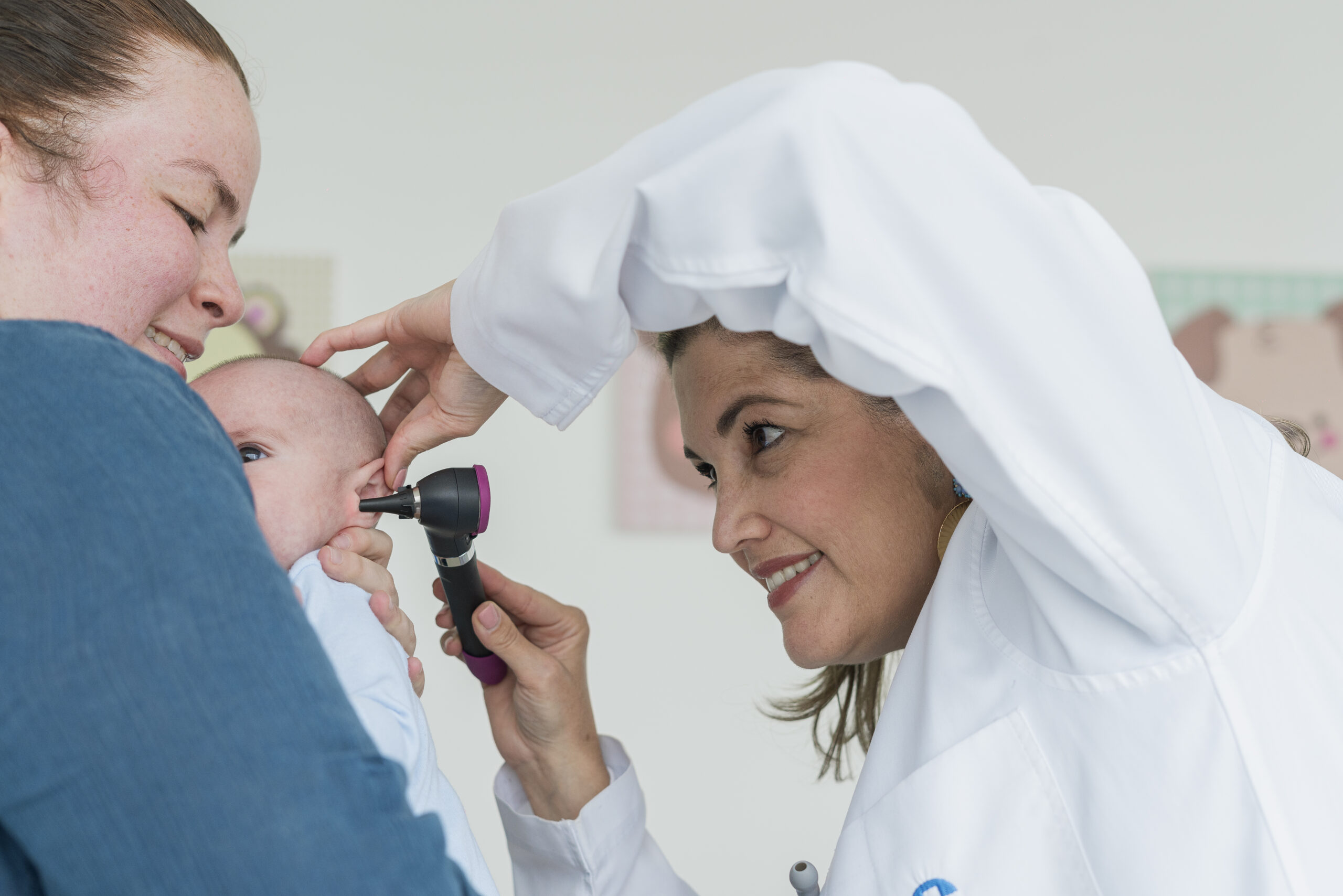
The treatment strategy for infant hearing loss is highly individualized, depending on the underlying cause, the type of hearing loss (conductive, sensorineural, or mixed), and its severity. A multidisciplinary team of specialists, including pediatric audiologists, ENTs, speech-language pathologists, and early intervention professionals, collaborates to create a personalized care plan.
1. Medical and Surgical Interventions:
For temporary hearing loss due to middle ear fluid or infections, medical treatments like antibiotics or decongestants may be prescribed. In persistent cases of fluid buildup, a myringotomy with the insertion of tympanostomy tubes can improve ventilation and hearing.
2. Early Intervention Programs:
These programs are foundational for children with hearing loss. They provide crucial support in speech, language, and listening skills development. Therapists work with families to foster communication strategies and help the child learn to listen and speak, leveraging residual hearing and assistive technologies.
3. Hearing Aids:
For infants with mild to moderate hearing loss, hearing aids can amplify sounds, making speech and environmental noises more accessible. Modern pediatric hearing aids are small, comfortable, and customizable to a child’s specific hearing needs and preferences.
4. Cochlear Implants:
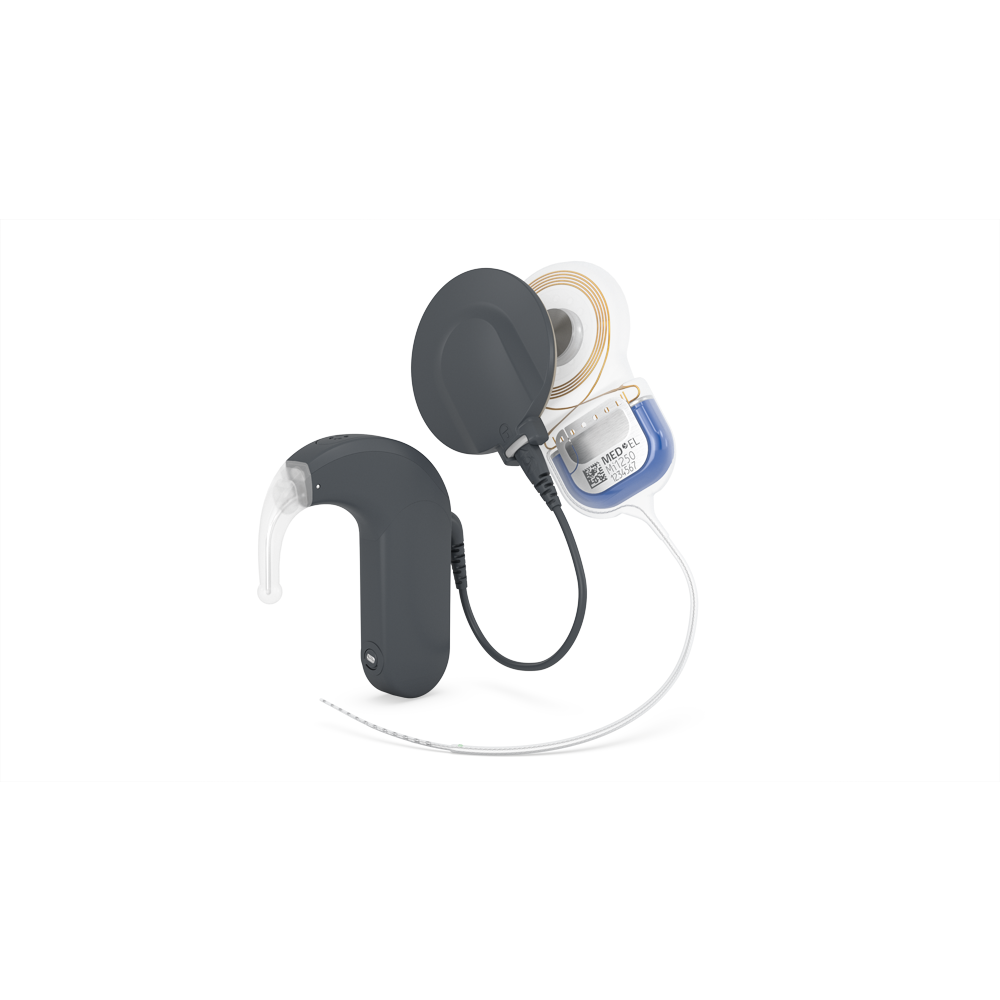
For infants and children with severe to profound sensorineural hearing loss, for whom hearing aids do not provide sufficient benefit, cochlear implants offer a life-changing solution. Unlike hearing aids that amplify sound, cochlear implants bypass damaged parts of the inner ear and directly stimulate the auditory nerve, providing a sense of sound. The implantation surgery is followed by a rigorous rehabilitation process, including programming the device and intensive auditory training, to help the child learn to interpret the sounds. The success of cochlear implants is significantly influenced by the age of implantation, with earlier intervention generally leading to better outcomes in speech and language development.
5. Auditory Training and Speech Therapy:
Regardless of the primary treatment, auditory training and speech therapy are vital components. These therapies help children develop listening skills, understand spoken language, and learn to communicate effectively.
The Role of Specialists and Parental Advocacy
Navigating infant hearing loss can be a complex journey. Audiologists play a central role in conducting diagnostic tests, fitting and programming hearing devices, and providing counseling to families. ENT specialists diagnose and manage medical conditions affecting the ear, while speech-language pathologists focus on communication development.
Crucially, parents are the most powerful advocates for their children. Staying informed, actively participating in appointments, and communicating openly with the healthcare team are essential for ensuring the best possible outcomes.
Frequently Asked Questions
What are the early signs of hearing loss in infants?
Early signs include a lack of startling at loud noises, not turning towards voices, not responding to their name, delayed babbling, or delayed speech development. These signs can vary by age, so continuous observation of hearing and communication milestones is important.
What does it mean if my baby does not pass the newborn hearing screening?
A "refer" result means further testing is necessary. It doesn’t automatically confirm permanent hearing loss, but prompt follow-up evaluations are crucial for accurate diagnosis and timely support.
Can a baby pass screening and still have hearing loss?
Yes. A baby can pass a newborn hearing screening and still develop hearing loss later, known as delayed-onset or progressive hearing loss. This highlights the importance of ongoing monitoring of hearing and language development.
What causes hearing loss in babies?
Causes are diverse and include genetics, infections during pregnancy (like CMV), prematurity, complications during birth, structural ear differences, jaundice, ototoxic medications, and temporary issues like ear infections or fluid buildup. Sometimes, the cause remains unknown.

How is hearing loss in infants treated?
Treatment is tailored to the specific cause and severity. Options may include medical or surgical interventions for temporary causes, hearing aids for mild to moderate loss, cochlear implants for severe to profound loss, and comprehensive early intervention programs focusing on speech, language, and listening development. Early action is paramount for optimal outcomes.
Conclusion: A Path to Communication and Thriving
Infant hearing loss, while potentially daunting, is a manageable condition with significant opportunities for intervention. Early diagnosis, coupled with expert guidance and consistent support, empowers children to develop robust communication skills and lead fulfilling lives. By understanding the signs, causes, and available resources, parents and caregivers can navigate this journey with confidence, ensuring their child has the best possible foundation for growth, learning, and connection with the world. The commitment to early detection and intervention remains the cornerstone of ensuring every child has the opportunity to hear, communicate, and thrive.