
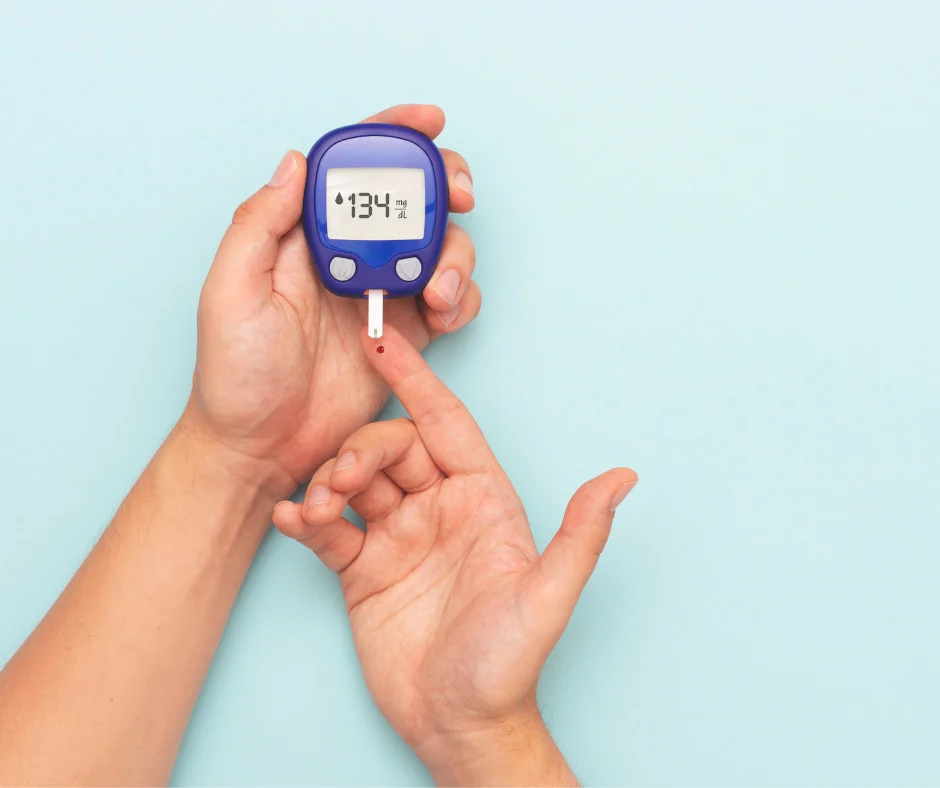
The dialogue centers on a paradigm shift in neurology: moving away from treating migraine as a monolithic headache disorder and toward understanding it as a metabolic crisis within the brain. By examining the relationship between insulin sensitivity, glycemic traits, and neuronal excitability, researchers are beginning to identify specific "phenotypes" of migraine patients. This classification allows for more personalized, and often more effective, interventions that go beyond traditional pharmaceutical approaches.
The Scientific Context: Vestibular Migraine and Brain Metabolism
Vestibular migraine (VM) is estimated to affect approximately 1% of the general population and is recognized as the most common cause of spontaneous episodic vertigo. Unlike classic migraines, which are defined by localized, throbbing pain, VM often presents with symptoms of disequilibrium, motion sensitivity, and persistent dizziness. Because these symptoms frequently occur in the absence of a headache, many patients undergo years of testing for inner ear disorders or psychiatric conditions before receiving an accurate diagnosis.
Recent research, including a 2025 paper co-authored by Dr. Kyle Bills titled "Glucose Dysregulation and Glycemic Phenotyping in Chronic Migraine," published in Frontiers in Neurology, suggests that the vestibular system’s high energy requirements make it uniquely susceptible to metabolic fluctuations. The brain consumes approximately 20% of the body’s total glucose. When the delivery or processing of this fuel is inconsistent—due to insulin resistance, reactive hypoglycemia, or glycemic variability—it can trigger a cascade of neurological instability.
Dr. Bills notes that traditional diagnostic tools, such as fasting blood glucose or Hemoglobin A1C tests, often return "normal" results for migraine patients. However, these static measurements fail to capture the dynamic "crashes" and "spikes" that occur throughout the day. Using Continuous Glucose Monitors (CGM) and Oral Glucose Tolerance Tests (OGTT), researchers have observed that migraineurs often exhibit exaggerated glycemic responses that correlate directly with the onset of vestibular symptoms.
Chronology of a Twenty-Year Diagnostic Journey
The case of Rachel Weaver serves as a clinical timeline for the evolution of vestibular migraine management. Her journey began two decades ago with the sudden onset of persistent dizziness, a condition that remained constant for 18 years.
- Initial Onset (Early 2000s): Weaver experienced a total loss of stability, leading to an exhaustive series of medical evaluations. During this period, MRIs and standard blood panels ruled out life-threatening pathologies like brain tumors or Multiple Sclerosis, but provided no actionable data for her symptoms.
- The Era of Partial Answers (2010s): As the medical community began to recognize "vestibular migraine" as a distinct entity, Weaver received a formal diagnosis. However, treatment remained experimental. She was prescribed various migraine prophylactics and advised to follow the "Heal Your Headache" diet, which focuses on removing common triggers like caffeine, aged cheeses, and nitrates. While these interventions offered marginal relief, they failed to restore her baseline stability.
- The Metabolic Turning Point (2024-2025): Frustrated by the lack of progress, Weaver sought out the work of Dr. Kyle Bills. This led to a shift in focus from what she was eating to how her body was processing energy. The implementation of a therapeutic ketogenic diet, monitored through metabolic data, resulted in a near-total resolution of her daily symptoms within one week.
Weaver’s experience reflects a broader trend in patient advocacy: the move toward "Narrative Medicine," a discipline she studied at Columbia University. This approach emphasizes the patient’s lived experience as a vital data point in clinical decision-making, bridging the gap between objective lab results and subjective quality of life.
Understanding Glycemic Phenotypes in Neurology
One of the most significant takeaways from the research discussed on the ICU Podcast is the concept of phenotyping. Dr. Bills explains that two patients with the same "vestibular migraine" diagnosis may have entirely different biological drivers.
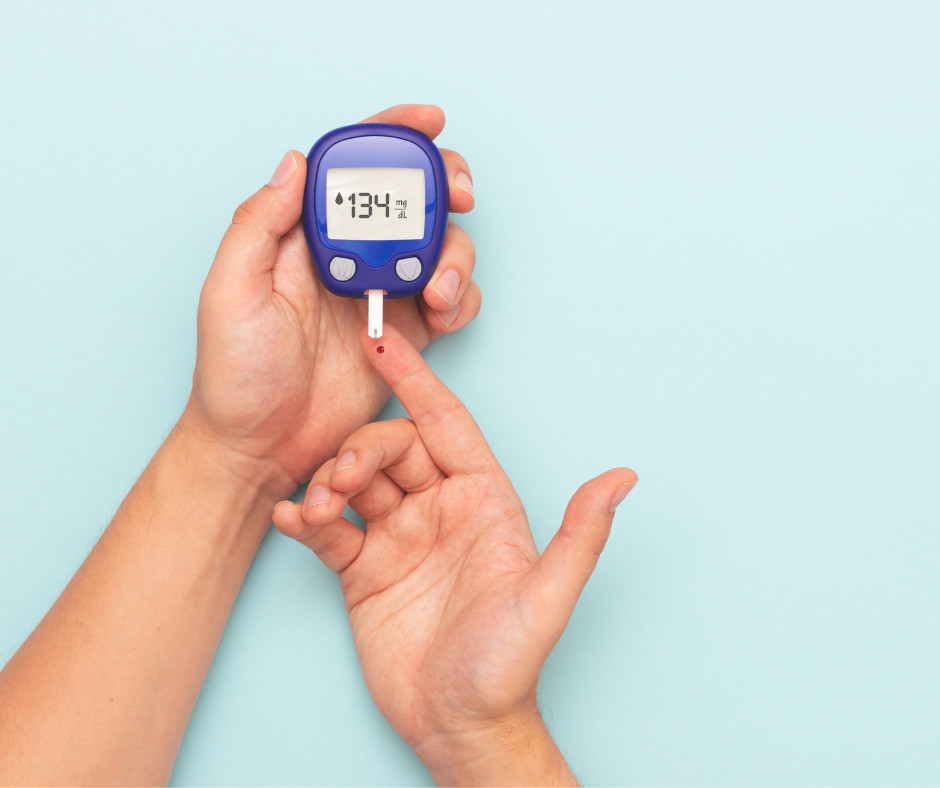
- Phenotype A (The Rapid Spiker): These individuals experience sharp rises and falls in blood sugar. Even if their average glucose is healthy, the "speed" of the change triggers the nervous system’s alarm response, leading to cortical spreading depression—the wave of electrophysiological activity believed to cause migraine auras and dizziness.
- Phenotype B (The Chronic Low/High): These individuals maintain blood sugar levels that are consistently at the edge of the healthy range, leading to a state of chronic neuro-inflammation and a lower "threshold" for other triggers like stress or weather changes.
By identifying these phenotypes through the use of CGMs, clinicians can tailor diets. For some, a low-carb approach is necessary; for others, the timing of meals and the pairing of macronutrients to prevent spikes is the priority. This precision medicine approach moves neurology closer to the metabolic strategies used in managing Type 2 Diabetes, albeit with a focus on brain excitability rather than organ damage.
Supporting Data: The Impact of Metabolic Stabilization
The efficacy of metabolic intervention in migraine is supported by a growing body of clinical data. In studies examining the ketogenic diet for neurological disorders, researchers have found that ketones—an alternative fuel source produced when carbohydrate intake is low—act as a "cleaner" fuel for the brain. Ketones have been shown to:
- Reduce oxidative stress in the mitochondria.
- Inhibit the release of pro-inflammatory cytokines.
- Stabilize the firing of neurons in the vestibular nuclei.
In Weaver’s case, the transition to a metabolic protocol resulted in a shift from 24/7 dizziness to months of stability, punctuated only by occasional, manageable flares. This data suggests that for a significant subset of the migraine population, the "migraine brain" is essentially a brain in an energy crisis. When the fuel supply is stabilized, the symptoms subside.
Professional and Institutional Responses
The findings presented by Dr. Bills and the Vestibular Disorders Association (VeDA) have prompted reactions from the broader medical community. While traditional neurology has been slow to adopt dietary interventions as a first-line treatment, the rise of "Metabolic Psychiatry" and "Metabolic Neurology" is gaining traction at institutions like Harvard and Stanford.
The Vestibular Disorders Association, which hosts the ICU Podcast, has emphasized the need for "collaborative care." This model involves neurologists, dietitians, and physical therapists working together to address the multi-faceted nature of the disorder. Public response to the podcast episode has highlighted a high demand for CGM accessibility among non-diabetic patients, as many migraineurs seek to identify their own glycemic triggers.
However, some medical professionals urge caution, noting that a strict ketogenic diet is a medical intervention that requires supervision. Dr. Bills acknowledged this, stating that the goal is not necessarily for every patient to remain in ketosis forever, but rather to use these tools to find the "metabolic sweet spot" that allows the nervous system to remain calm.
Broader Implications and Future Outlook
The implications of this research extend beyond vestibular migraine. If blood glucose instability is a primary driver of neuronal excitability, these findings could influence the treatment of other "invisible" neurological conditions, such as Mal de Débarquement Syndrome (MdDS), Postural Orthostatic Tachycardia Syndrome (POTS), and even certain types of Long COVID.
The move toward personalized glycemic management represents a significant shift in the healthcare landscape. It empowers patients to use wearable technology to gather their own data, turning the "mystery" of a migraine attack into a predictable biological event. For patients like Rachel Weaver, this represents more than just a reduction in symptoms; it represents a reclamation of life.
As research continues, the medical community expects to see more robust clinical trials comparing metabolic interventions to standard pharmaceutical preventatives. The goal is a future where a patient presenting with dizziness is not just given a prescription, but a comprehensive metabolic map of their own brain’s energy needs. This "I See You" approach—valuing both the science of the lab and the story of the patient—is setting a new standard for the treatment of chronic vestibular disorders.