Defining the Clinical Landscape of Microtia and Atresia
Microtia is characterized by the underdevelopment or complete absence of the pinna (the external part of the ear), while atresia refers to the absence or closure of the external auditory canal. These conditions often occur together, though they can manifest independently. When these anatomical differences occur on one side of the head, they typically result in Unilateral Hearing Loss (UHL) or single-sided deafness.
Historically, the medical and educational communities often viewed unilateral hearing loss as a condition that could be "worked around" by the functioning ear. However, modern audiological research has fundamentally challenged this perspective. Data from the American Speech-Language-Hearing Association (ASHA) and pediatric researchers indicate that children with UHL are at a higher risk for academic and social challenges compared to their peers with bilateral hearing. The neurological burden of processing sound from only one side creates a significant disadvantage in complex environments, such as classrooms where background noise is pervasive and multiple speakers are present.
The Developmental Implications of Unilateral Hearing Loss
The primary hurdles for children with UHL are not limited to volume; they are profoundly impacted by the brain’s ability to localize sound and distinguish speech from background noise. When a child lacks binaural hearing, they lose the "head shadow effect" and binaural summation, both of which are essential for navigating auditory environments.
Clinical observations and longitudinal studies have identified three primary areas of impact:
- Localization Deficits: The inability to pinpoint the source of a sound can lead to safety concerns in environments like playgrounds or busy streets, where a child may not immediately identify the direction of an oncoming vehicle or a warning call.
- Listening Fatigue: Because the brain must work harder to isolate speech in noise, children with UHL often experience early-onset exhaustion by the end of the school day. This fatigue can be mistaken for behavioral issues or lack of engagement.
- Cognitive Load and Language Acquisition: Research suggests that the extra effort required to process auditory input in a classroom setting can leave less cognitive bandwidth for complex problem-solving and rapid linguistic processing, which may lead to slower mastery of nuanced language or social cues.
The Role of Listening and Spoken Language (LSL) Education
To address these challenges, specialized educational frameworks such as Listening and Spoken Language (LSL) have emerged as the gold standard for many families. LSL is an approach that prioritizes the development of auditory pathways in the brain. Rather than relying on visual cues or sign language as a primary mode of communication, LSL emphasizes the use of assistive technology—such as bone-conduction hearing devices—and rigorous auditory training to help children maximize their residual hearing.
Programs like those offered by organizations such as Listen and Talk utilize a multidisciplinary model. By integrating audiology, speech-language pathology, and classroom instruction, these programs create a scaffolded environment where a child learns to interpret sound in increasingly complex social settings. This, in turn, facilitates the development of self-advocacy skills, allowing the child to articulate their needs as they enter mainstream educational environments.
A Chronology of Care: The Case of Adeline
The effectiveness of early, targeted intervention is best illustrated by the trajectory of children who have received consistent, high-quality support. One such case is that of Adeline, whose journey began shortly after birth.
At five weeks of age, diagnostic screening revealed that Adeline suffered from unilateral moderate to severe conductive hearing loss. By age four, subsequent imaging confirmed the presence of solid bone in the place of an ear canal, with fused middle-ear structures—a severe form of atresia.
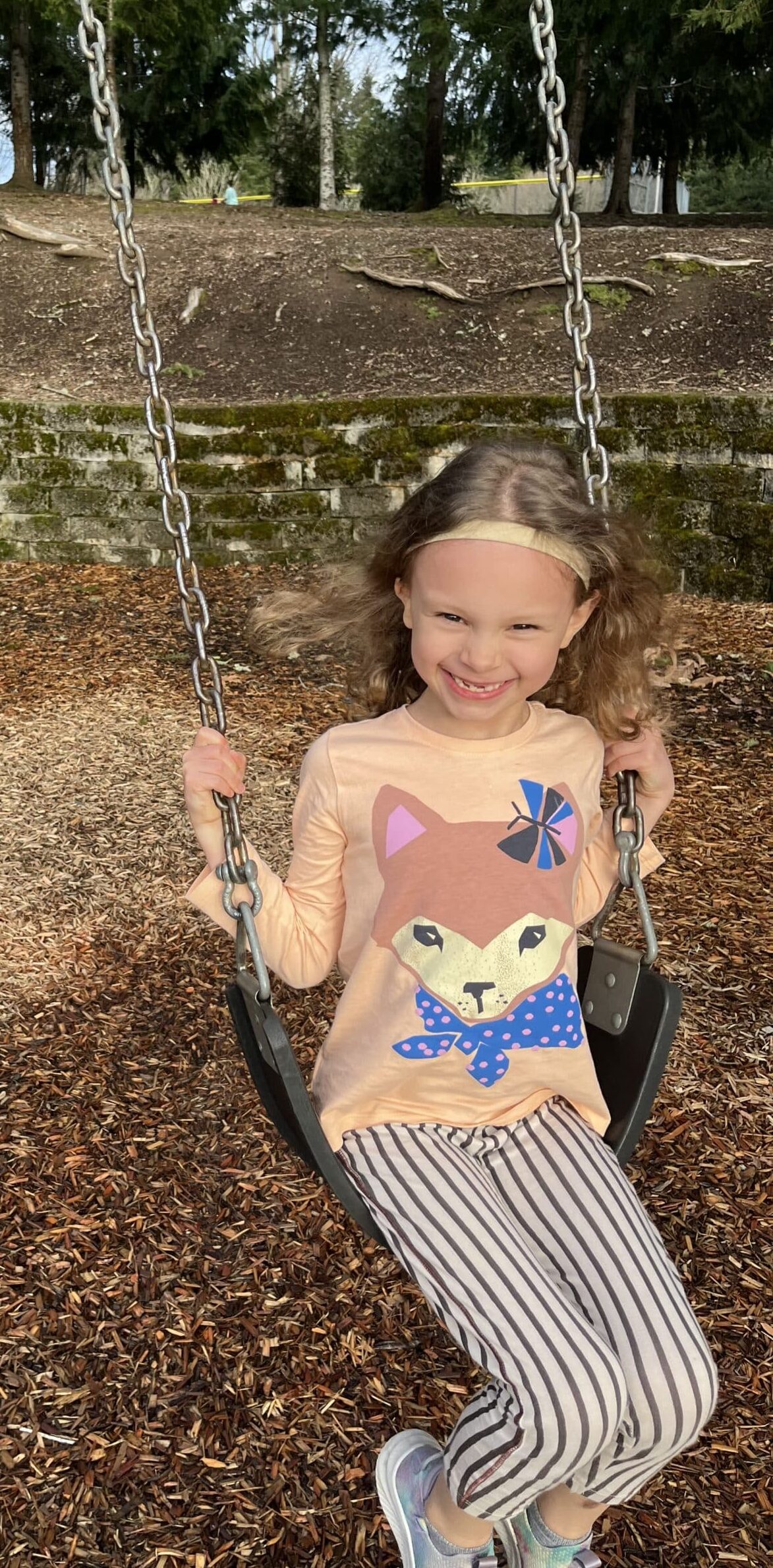
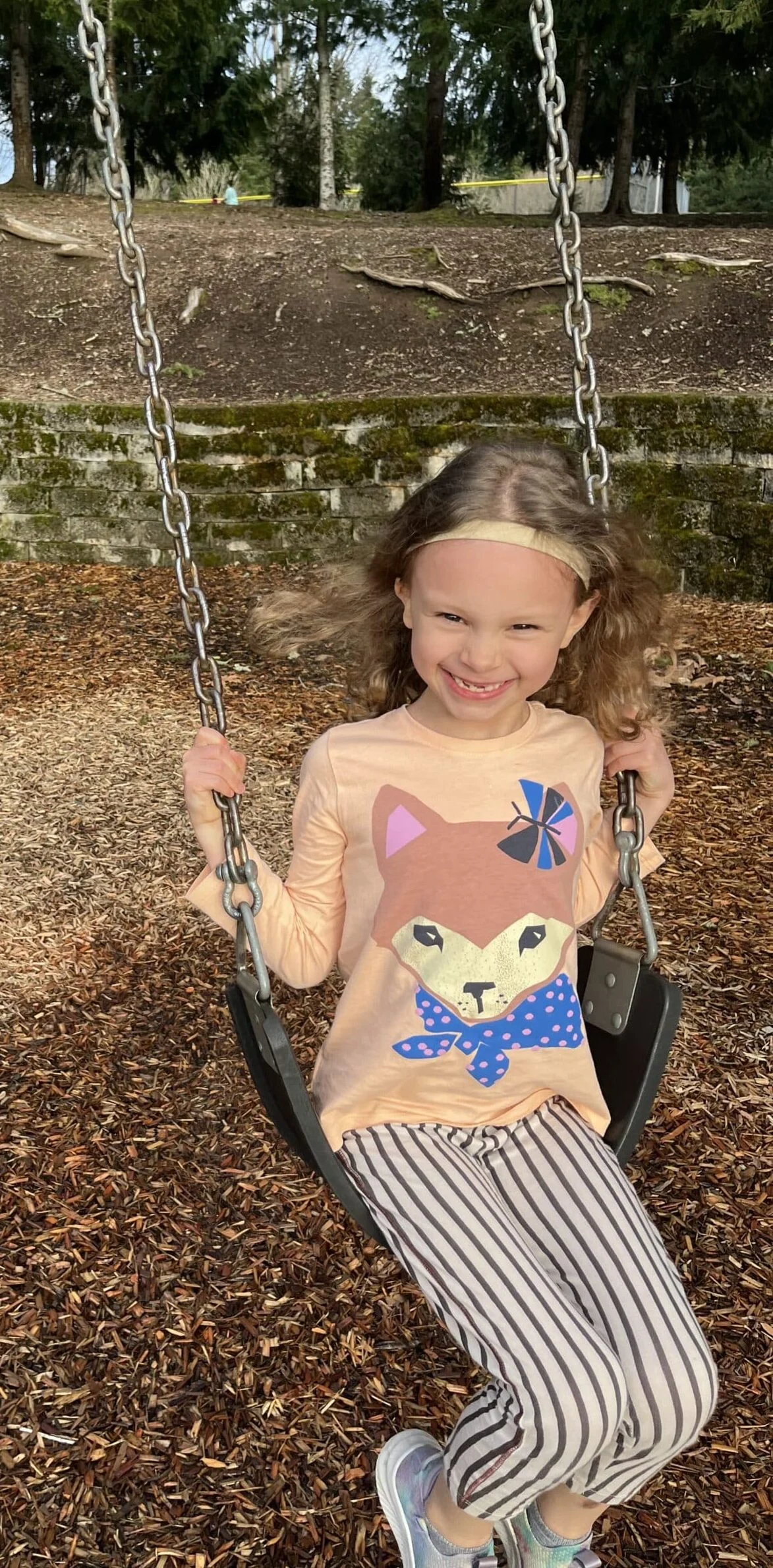
Adeline’s early years were marked by the common frustrations associated with UHL: difficulty localizing sounds and a reluctance to engage in social settings outside of her immediate family circle. Her mother, Jessie, noted that during this period, the family relied heavily on organizations like Listen and Talk to bridge the knowledge gap.
The timeline of her progress reflects the success of early intervention:
- Infancy: Diagnosis and identification of the specific structural anomalies.
- Early Childhood: Engagement with LSL therapy, focusing on auditory awareness and the use of bone-conduction technology, such as a Ponto device.
- Preschool Years: Intensive coaching for the family, transforming the parents into advocates and eventually training the child in self-advocacy.
- School Age: Successful transition into a first-grade general education classroom, where she actively participates in extracurriculars, including the school choir.
Adeline’s transition serves as a blueprint for the "best-case" outcome: a child who not only manages their condition but integrates it into their identity, becoming a confident communicator who understands her own auditory needs.
Broader Impact and Systemic Advocacy
The broader implications of this awareness day extend beyond individual success stories. Advocacy groups, including Hands and Voices and the Ear Community, emphasize that the systemic failure to provide early intervention can have lifelong consequences. When a child is denied access to specialized support, the potential for "listening fatigue" and academic underperformance increases, often leading to a cycle of frustration that can affect the child’s self-esteem.
From a public health standpoint, the push for universal newborn hearing screenings has been instrumental. However, the next frontier in this field is the implementation of "auditory-first" education that follows the diagnosis. As noted by clinicians, the availability of resources for families—specifically in navigating insurance, educational accommodations like 504 plans, and emotional support networks—is just as vital as the audiological technology itself.
Analysis: The Cost of Inaction
The economic and social analysis of early intervention suggests a high return on investment. Children who receive LSL education are statistically more likely to integrate into mainstream education without the need for intensive special education support later in life. By funding programs that provide speech therapy, audiology, and parental training, non-profit enterprises and social impact organizations are effectively mitigating the long-term societal costs of untreated hearing loss.
The transition from a child who struggles to communicate in a "safe space" to a student who thrives in a school choir and confidently explains their own medical technology is not accidental. It is the result of years of sustained, evidence-based support.
Looking Toward the Future
As National Microtia Atresia Awareness Day continues to gain traction, the goal remains clear: to ensure that no child is limited by their hearing loss. This requires a three-pronged approach involving increased funding for clinical research, more accessible pathways for specialized education, and a broader societal shift toward inclusivity.
For families currently navigating a new diagnosis, the path forward often begins with gathering information. Comprehensive guides, consultations with LSL specialists, and connections with state-based advocacy groups are essential tools. As the industry moves forward, the integration of new technologies and pedagogical strategies will continue to expand the horizons for children with microtia and atresia.
The mission, as stated by leading voices in the field, is to reach a future where the diagnosis of a congenital ear condition is met with immediate, effective, and lifelong support, ensuring that every child has the opportunity to thrive. By supporting these programs through donations and community engagement, the public plays a direct role in maintaining the infrastructure that turns the challenge of hearing loss into a story of achievement and confidence. The ongoing success of children like Adeline proves that with the right foundation, the limitations of today become the strengths of tomorrow.