
The Diagnostic Timeline and Genetic Context
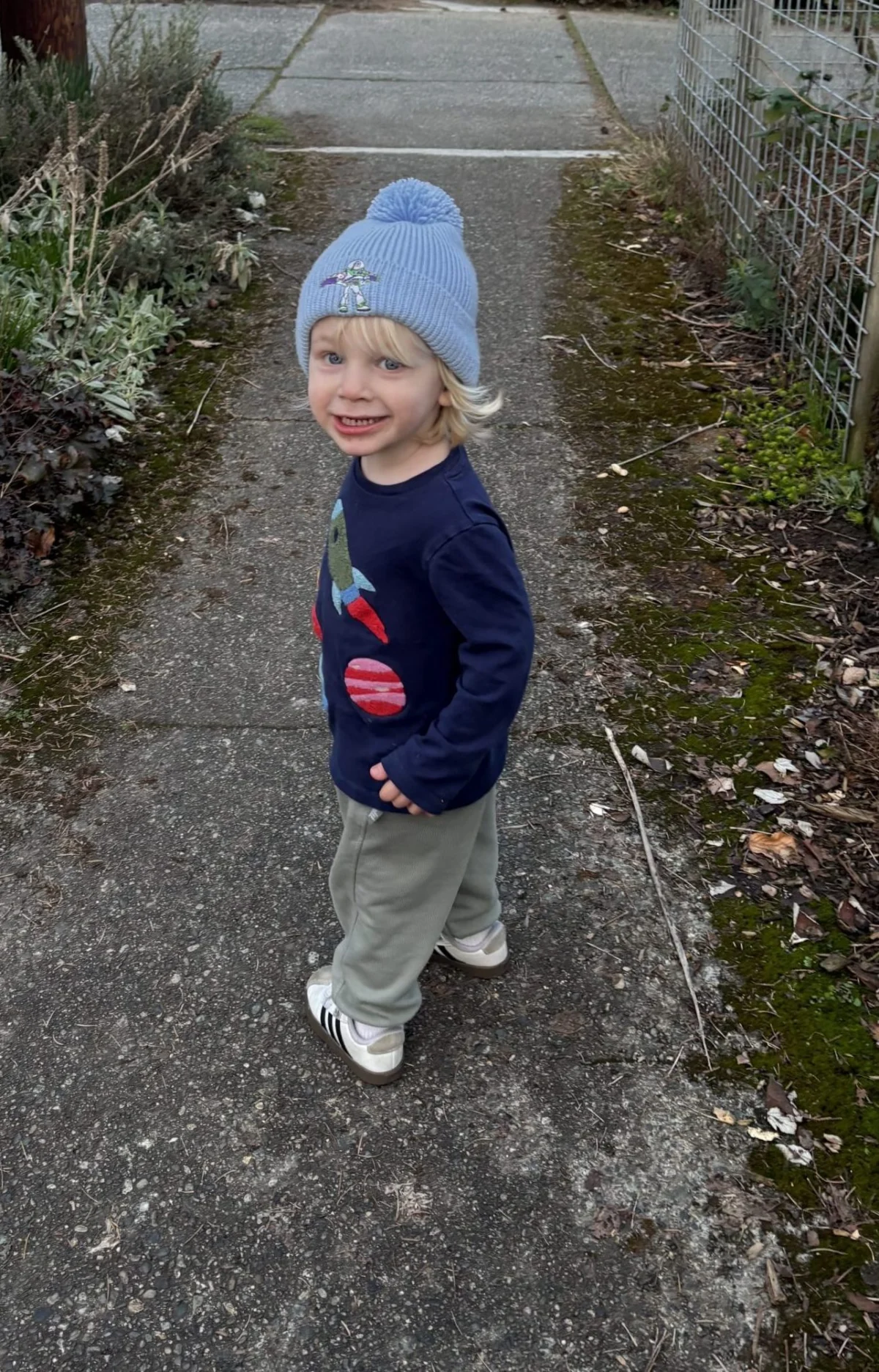
Landon’s experience began shortly after birth, when a routine newborn hearing screen failed to provide a clear result. In the United States, the Early Hearing Detection and Intervention (EHDI) program mandates that newborns receive screening by one month of age, diagnostic evaluation by three months, and enrollment in early intervention services by six months—the "1-3-6 plan." Landon’s path followed this trajectory, though the complexity of his condition required additional time for genetic confirmation.
Medical testing ultimately revealed that Landon’s hearing loss was linked to a rare genetic mutation involving the deletion of both the STRC (stereocilin) and the CATSPER2 genes. The STRC gene is essential for the proper functioning of hair cells in the inner ear, which translate sound vibrations into electrical signals for the brain. Mutations here often result in mild-to-moderate sensorineural hearing loss, particularly affecting high-frequency sounds. For a child, this means the omission of critical consonant sounds such as "s," "f," and "t," which are vital for speech development and literacy. By 17 months of age, Landon was fitted with hearing aids to amplify these frequencies, marking the beginning of his formal auditory rehabilitation.
The Role of Early Intervention Specialists
The period between a diagnosis and the onset of school-aged education is often characterized by significant parental anxiety and logistical hurdles. The intervention model provided by organizations like Listen and Talk centers on the "Birth to Three" program, which emphasizes home-based support. Specialists, such as Landon’s advocate, Meghan, serve as a bridge between clinical medical environments and the child’s natural environment.
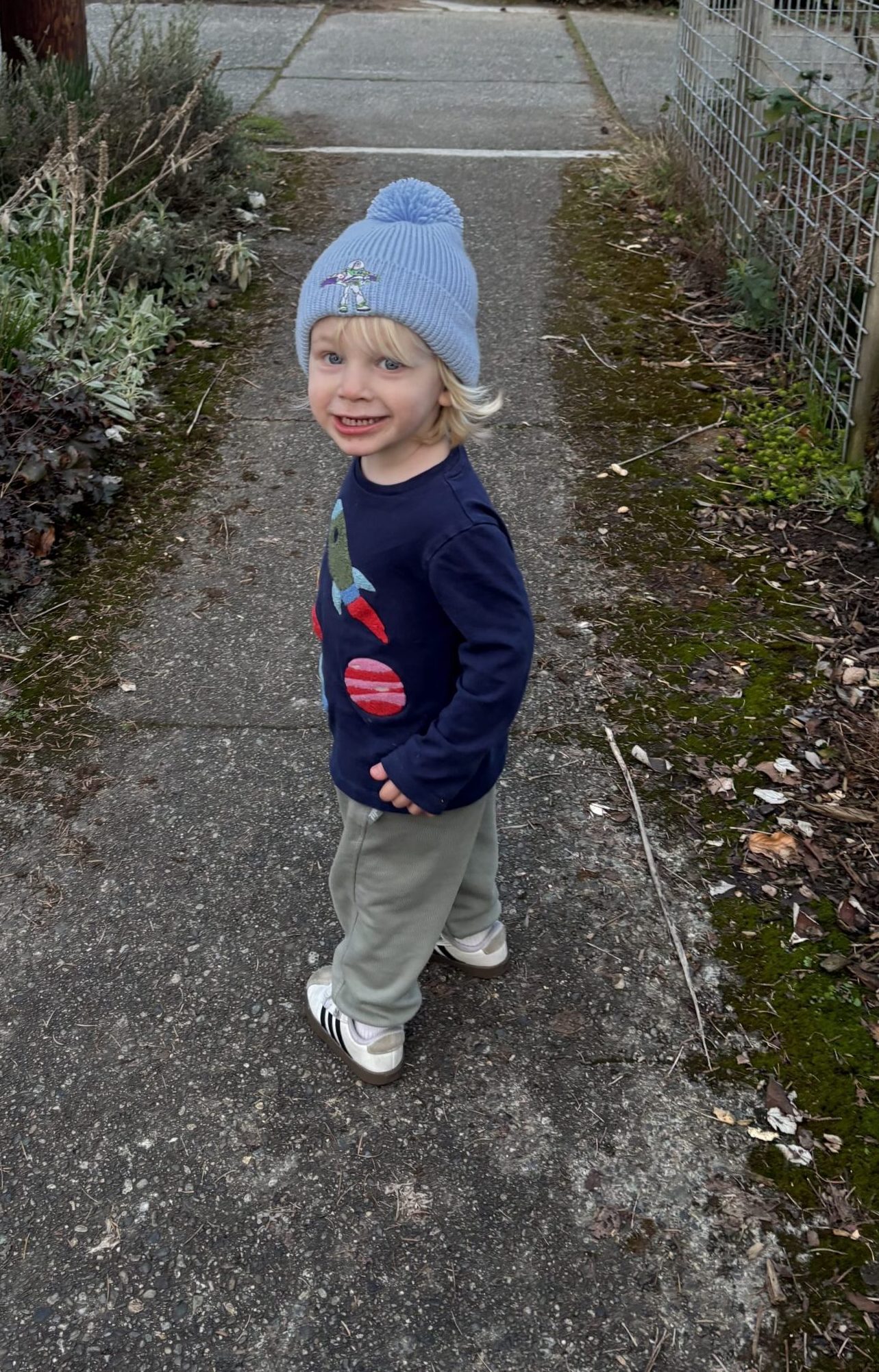
Professional intervention in this stage involves more than just equipment management. It includes pedagogical coaching for parents, teaching them how to foster "auditory-rich" environments. This involves strategies like narrating daily activities to improve a child’s vocabulary, optimizing the home acoustic environment to reduce background noise, and implementing consistent troubleshooting protocols for hearing technology. Furthermore, these specialists provide critical advocacy training for teachers in general education settings. By ensuring that educators understand the realities of "hearing fatigue"—a condition where children with hearing loss expend significantly more cognitive energy to process sound—the intervention model helps prevent the academic burnout often seen in students with auditory impairments.
Integrating the Blended Classroom Model
A central tenet of modern inclusive education for the deaf and hard of hearing is the "blended classroom." This educational framework places children with hearing loss alongside typically hearing peers. The benefits are two-fold: students with hearing loss are exposed to age-appropriate language models, while typically hearing students gain exposure to disability awareness and empathy at a developmental age.
In these environments, speech therapy is not conducted in isolation but is integrated into the daily routine. Children are often pulled out for specialized speech-language pathology sessions, where they practice articulation and advocacy skills. Advocacy, in this context, is defined as the child’s ability to recognize their own communication needs—such as requesting that a teacher face them while speaking or asking for clarification when an instruction is missed. These skills are predictive of long-term success as the child transitions into kindergarten and primary school, where the reliance on independent communication increases.
Supporting Data and Long-Term Outcomes
The efficacy of early intervention is well-documented in audiological and pedagogical literature. Research consistently shows that children with permanent hearing loss who receive intervention before six months of age demonstrate significantly higher language development scores compared to those who do not. According to data from the National Institute on Deafness and Other Communication Disorders (NIDCD), children who receive early, consistent support are more likely to achieve language skills commensurate with their hearing peers by the time they reach elementary school.
The financial and social implications of these programs are significant. Early intervention reduces the need for more intensive, costly remedial education services in later years. By investing in hearing aids, speech-language therapy, and parent education early on, the developmental trajectory of a child is fundamentally altered. It shifts the focus from "compensating for a deficit" to "empowering a communicator."

Professional Perspectives on Parental Advocacy
For parents, the process of navigating medical appointments and educational planning is often described as "uncharted waters." Audiologists and developmental specialists emphasize that parental involvement is the primary variable in successful outcomes. Programs like those at Listen and Talk serve as a "guidepost," helping parents transition from the initial trauma of a diagnosis to a proactive role as their child’s primary advocate.
The emotional burden on parents during the diagnostic phase—often involving repeated, high-stress testing—cannot be overstated. Professionals in the field, such as the specialists at Listen and Talk, act as a psychological support system, providing the stability necessary for families to maintain consistency in their child’s development. This support allows parents to shift their focus from the clinical nature of the disability to the holistic growth of the child.
Broader Implications and Future Directions
The success of children like Landon underscores the necessity of sustained funding for social impact enterprises and specialized non-profits. While public school systems provide certain mandates for students with disabilities, the "value-add" provided by specialized early intervention centers—such as comprehensive audiological testing, specialized speech therapy, and teacher training—is often what determines a child’s long-term academic and social trajectory.
The vision that "no child is limited by hearing loss" requires a multi-pronged approach:
- Universal Screening: Maintaining rigorous adherence to the 1-3-6 EHDI protocol across all states.
- Access to Technology: Ensuring that families have consistent access to the latest, well-maintained hearing technology, including hearing aids and cochlear implants.
- Teacher Training: Scaling the professional development of general education teachers to ensure they are equipped to handle the specific needs of students with hearing loss.
- Community Awareness: Reducing the social stigma associated with hearing loss through the promotion of inclusive educational environments.
As we look toward the future of pediatric audiology, the focus remains on the synthesis of technology and human connection. Whether through the direct funding of speech therapy or the broader expansion of blended classroom models, the goal remains the same: ensuring that every child, regardless of their genetic makeup or early health challenges, has the tools necessary to communicate effectively in a complex world. The ongoing success of families in programs like these provides a clear mandate for continued public and private investment in early intervention. By supporting these frameworks today, society ensures that the next generation of children with hearing loss can participate fully in their communities, unfettered by the limitations of their auditory conditions.